Affiliate Disclosure: This post may contain affiliate links. If you purchase through links on our site, we may earn an affiliate commission at no extra cost to you.
Are you tired of staring at the mirror and not seeing the results you crave? You’re not alone.
Many people struggle to find that perfect balance between building muscle and shedding unwanted fat. But what if there was a way to achieve both and transform your physique? Imagine feeling stronger, looking leaner, and gaining confidence like never before.
This workout plan could be your game-changer. It’s designed to help you maximize your gym time and get the results you’ve been dreaming of. Ready to discover the secrets to unlocking your body’s full potential? Let’s dive in and explore the workout plan that can help you build muscle and lose fat simultaneously.
Benefits Of Building Muscle And Losing Fat
Embarking on a workout plan to build muscle and lose fat offers numerous benefits. This dual approach not only enhances physical appearance but also boosts health. Strong muscles support daily activities and improve posture. Simultaneously, reducing fat can lead to better cardiovascular health. Let’s explore these benefits in detail.
1. Enhanced Physical Strength
Building muscle enhances physical strength. This makes everyday tasks easier. Lifting, carrying, or playing sports becomes more manageable. Strong muscles help you stay active and energetic.
2. Improved Metabolic Rate
Muscle tissue burns more calories than fat. As muscle mass increases, so does the metabolic rate. This helps the body burn calories even at rest. A higher metabolic rate aids in fat loss.
3. Better Body Composition
Combining muscle building with fat loss improves body composition. This leads to a leaner and more toned appearance. Clothes fit better, boosting confidence and self-esteem.
4. Enhanced Mental Well-being
Exercise releases endorphins. These are chemicals that improve mood. Regular workouts can reduce stress and anxiety levels. Building muscle and losing fat also promotes mental clarity.
5. Increased Endurance
Building muscle improves endurance. This means you can exercise for longer periods. Increased endurance supports longer and more effective workouts. This further aids in fat loss.
6. Reduced Risk Of Health Issues
Excess body fat links to various health problems. Losing fat reduces the risk of conditions like heart disease and diabetes. Strong muscles support joint health and reduce injury risk.
7. Boosted Immune System
Regular exercise strengthens the immune system. A healthy balance of muscle and fat supports overall health. This makes the body more resilient against illnesses.
Understanding Body Composition
A balanced workout plan helps build muscle and lose fat effectively. Focus on strength training and cardio exercises. Proper nutrition supports body composition changes for improved health.
Understanding Body Composition Getting the right workout plan to build muscle and lose fat starts with knowing your body’s composition. It’s not just about numbers on a scale but rather the balance between muscle and fat in your body. This understanding can transform your fitness journey from frustrating to empowering.
Muscle Vs. Fat
Muscle and fat are like different currencies in your body’s economy. Muscle is active tissue that burns calories even at rest. Fat, on the other hand, is stored energy. Think of muscle as your body’s engine and fat as the fuel tank. Building muscle increases your metabolic rate. This means you burn more calories even when you’re not working out. Losing fat is about using up the stored energy without sacrificing muscle mass. Have you ever wondered why two people with the same weight can look so different? It’s all about muscle vs. fat ratio. Understanding this can help you set realistic and personalized fitness goals.
Importance Of Balance
Balance is the key to a healthy body composition. Too much focus on muscle can lead to burnout, while excessive fat loss can result in muscle degradation. Your aim should be a harmonious blend of both. Why is balance so crucial? It ensures sustainability in your fitness regimen. A balanced approach keeps you motivated and reduces the risk of injuries. You might notice some weeks where muscle gain overshadows fat loss or vice versa. It’s normal. The key is to adjust your workouts and diet accordingly, not to obsess over fluctuations. Achieving the perfect muscle-fat balance is a continuous journey. Are you ready to take control of your body’s composition?
Setting Realistic Fitness Goals
Setting realistic fitness goals is crucial for a successful workout plan. Goals help you stay focused and motivated. They give direction to your fitness journey. But setting the right goals can be tricky. You need to balance ambition with achievability.
Short-term Vs. Long-term Goals
Short-term goals are small, quick wins. They are achievable in a few weeks or months. These might include lifting a certain weight or losing a few pounds. Short-term goals keep you motivated. They offer immediate feedback and results.
Long-term goals are your big picture. They might take several months to a year. Building muscle mass or losing significant fat are examples. Long-term goals require patience and persistence. They ensure you stay committed to your fitness plan.
Tracking Progress
Tracking your progress is vital for reaching your goals. Regular checks help you see improvements. Use a journal to record workouts. Note changes in weight or muscle size. Tracking keeps you accountable. It helps adjust your plan when needed.
Tools like apps or fitness trackers are useful. They give you data on your progress. Seeing numbers improve boosts your confidence. It helps maintain motivation as you work towards your goals.
Essential Components Of A Workout Plan
Creating a workout plan to build muscle and lose fat requires balance. Essential components ensure your body gets everything it needs. Each part plays a crucial role in achieving results. Read on to discover the key elements of a successful plan.
Strength Training Basics
Strength training builds muscle and boosts metabolism. Lifting weights increases muscle mass. This helps burn more calories even at rest. Focus on compound exercises like squats and deadlifts. These involve multiple muscles and joints. Aim for three to four sessions a week. Gradually increase weight and intensity. Track progress to stay motivated.
Cardiovascular Exercise
Cardio burns calories and improves heart health. Include activities like running, cycling, or swimming. Aim for 150 minutes of moderate cardio weekly. High-Intensity Interval Training (HIIT) is effective. It alternates between high and low-intensity bursts. This keeps your heart rate up. Try HIIT twice a week for optimal results.
Flexibility And Mobility
Flexibility improves movement and prevents injuries. Stretching helps muscles recover after workouts. Yoga and Pilates enhance flexibility. These exercises also improve core strength. Incorporate stretching before and after workouts. Spend at least 10 minutes on flexibility exercises. Mobility ensures joints move efficiently. This enhances overall performance.
Strength Training For Muscle Growth
Designing a workout plan focuses on building muscle and losing fat efficiently. Strength training plays a key role in this process. Exercises like squats, deadlifts, and bench presses help increase muscle size and burn calories. Consistent routines and proper nutrition are essential for optimal results.
When you think about building muscle and losing fat, strength training is your golden ticket. It’s not just about lifting weights; it’s about strategically challenging your muscles to grow while torching calories. Whether you’re a newbie or a gym veteran, understanding the nuts and bolts of strength training can transform your workouts and accelerate your progress. Let’s dive into how you can make your strength training sessions more effective with the right exercises, reps and sets, and progressive overload techniques.
Effective Exercises
Choosing the right exercises is crucial. Compound exercises like squats, deadlifts, and bench presses work multiple muscle groups at once. They help you build strength and muscle more efficiently than isolation exercises. You should also consider your personal goals and any physical limitations. Tailor your workout to include exercises that align with your objectives. This ensures you’re not just going through the motions but actively working towards your goals.
Reps And Sets Guidelines
How many reps and sets should you do? It depends on your goals. For muscle growth, aim for 6 to 12 reps per set. This range is known to effectively stimulate muscle hypertrophy. Sets matter too. Typically, 3 to 5 sets per exercise is a good start. Ensure you’re resting enough between sets to maintain intensity. Short on time? Supersetting exercises can be a great way to keep your heart rate up and save time.
Progressive Overload Techniques
Progressive overload is the secret sauce of muscle growth. It’s all about gradually increasing the demand on your muscles. You can do this by adding more weight, increasing the number of reps, or decreasing your rest intervals. Consider keeping a workout journal. Track your progress and make small adjustments each week. This helps you stay accountable and ensures you’re continually challenging your muscles. Have you ever hit a plateau in your workouts? Progressive overload is your way out. It’s a powerful tool to push past limits and keep your body guessing. Remember, small consistent changes lead to big results over time. Incorporating these strategies into your strength training routine can be a game-changer. So, are you ready to take your workouts to the next level and see the transformation you’ve been dreaming of?
Credit: m.youtube.com
Cardio For Fat Loss
Boost your fitness by combining cardio and strength exercises. This workout plan helps build muscle and shed fat efficiently. Achieve a toned body while improving endurance and burning calories.
Cardio is a crucial component when aiming to lose fat while building muscle. It helps burn calories, improves heart health, and increases stamina. But how do you choose the right type of cardio to optimize fat loss without losing muscle mass? Let’s dive into some effective cardio strategies.
High-intensity Interval Training (hiit)
HIIT is a popular choice for those who want quick and effective workouts. It involves short bursts of intense exercise followed by brief rest periods. This method is efficient because it boosts your metabolism and keeps it elevated even after the workout. Imagine finishing a workout in 20 minutes that leaves you sweating like a 60-minute session. I once tried a HIIT routine that included sprints and burpees, and it was challenging yet invigorating. Have you considered how HIIT could fit into your schedule?
Steady-state Cardio
Steady-state cardio involves maintaining a consistent pace over a longer duration. Activities like jogging, cycling, or brisk walking fall into this category. It’s less intense than HIIT but still effective for burning calories and improving endurance. Remember that morning jog you always think about but never start? It’s a great way to clear your mind while working toward your fitness goals. What’s stopping you from lacing up those running shoes today?
Balancing Cardio With Strength Training
While cardio is essential for fat loss, it shouldn’t overshadow strength training. Building muscle helps increase your resting metabolism, which means you burn more calories even at rest. The key is to balance both for optimal results. Think of your workout week as a balanced diet. Just like you wouldn’t eat only carbs, don’t just focus on cardio. Mix in strength training to support muscle growth. How can you adjust your routine to ensure you’re getting enough of both? Finding the right balance between cardio and strength training can transform your fitness journey. Try incorporating these cardio strategies and see how they impact your fat loss and muscle-building goals. What changes will you make to your workout plan today?
Nutrition Strategies For Success
Effective nutrition fuels muscle growth and fat loss. Balanced meals and adequate protein support workout goals. Consistent eating habits enhance energy levels and recovery.
Embarking on a workout plan to build muscle and lose fat is a journey that requires dedication and strategy. While hitting the gym is crucial, what you eat plays an equally important role in your success. Your nutrition plan can make or break your fitness goals. So, how can you ensure your meals support your workout ambitions? Let’s dive into some effective nutrition strategies that can guide you toward success.
Macronutrient Breakdown
Understanding the right balance of macronutrients is key to transforming your body. Proteins, carbohydrates, and fats are the building blocks of your diet. Protein is essential for muscle repair and growth. Aim for lean sources like chicken, fish, and plant-based proteins. Carbohydrates fuel your workouts. Opt for complex carbs such as sweet potatoes, quinoa, and whole grains to maintain energy levels. Fats are vital for hormone production. Choose healthy fats from avocados, nuts, and olive oil. Tracking your macronutrient intake can help you adjust your diet to meet your specific goals. Have you considered using a nutrition app to keep tabs on your daily intake?
Meal Timing And Frequency
When you eat can be as crucial as what you eat. Eating at regular intervals helps maintain energy and prevent overeating. Consuming a protein-rich snack or meal post-workout can aid muscle recovery. Think grilled chicken or a protein shake. Spread your calorie intake across 4-5 smaller meals throughout the day. This keeps your metabolism active and supports muscle growth. Experiment with different meal timings to see what works best for your body. Have you found a specific meal schedule that enhances your performance?
Importance Of Hydration
Hydration is often overlooked, but it’s a cornerstone of any fitness plan. Water supports digestion, nutrient absorption, and muscle function. Start your day with a glass of water and continue sipping throughout. This keeps your body hydrated and ready for any physical challenge. Consider adding electrolytes post-workout to replenish lost minerals. Coconut water is a natural option that offers a refreshing taste. Reflect on your hydration habits. Could increasing your water intake enhance your workout results? Incorporating these nutrition strategies will help you stay on track with your fitness journey. By focusing on macronutrients, meal timing, and hydration, you can optimize your diet for muscle building and fat loss. After all, what we put into our bodies fuels our success. Are you ready to take the next step in your fitness journey?
Supplementation For Muscle Gain And Fat Loss
Supplementation can support muscle gain and fat loss. Choosing the right supplements enhances workout results. These supplements aid recovery, boost energy, and support muscle growth. Combining them with a balanced diet and regular exercise is crucial.
Common Supplements
Protein powder is popular for muscle growth. It supplies essential amino acids. Creatine boosts strength and power during workouts. It helps muscles recover faster. Branched-chain amino acids (BCAAs) reduce muscle soreness. They support muscle repair after workouts. Fish oil improves joint health. It aids fat loss by supporting metabolism.
When And How To Use Them
Use protein powder after workouts. It speeds up muscle recovery. Creatine is best taken before exercise. It enhances performance and strength. BCAAs can be consumed during workouts. They help reduce muscle fatigue. Fish oil is ideal with meals. It supports overall health and fat loss. Follow dosage instructions for best results.
Rest And Recovery Importance
Building muscle and losing fat is a common goal for many fitness enthusiasts. However, the path to achieving this isn’t all about lifting weights or counting calories. Rest and recovery play a crucial role in your workout plan. Without giving your body the downtime it needs, you might be spinning your wheels instead of gaining traction. Rest days are not lazy days; they’re the secret weapon in your fitness arsenal. So, how do you harness the power of rest and recovery to build muscle and lose fat effectively?
Sleep And Muscle Repair
Sleep is where the magic happens. During deep sleep, your body works hard to repair and grow muscle tissue. If you’re skimping on sleep, you’re missing out on prime muscle-building time. Aim for 7-9 hours each night to optimize muscle repair.
Consider your sleep environment. Is it conducive to a restful night? A dark, cool room can make a world of difference. Have you ever noticed how a good night’s sleep can transform your workout performance the next day? Don’t underestimate the power of quality sleep.
Active Recovery Techniques
Active recovery is not about doing nothing. It’s about gentle movements that help your muscles recover faster. Think walking, yoga, or swimming. These activities increase blood flow, helping nutrients reach your muscles more efficiently.
Have you tried a light stretch routine on your rest days? It can relieve muscle soreness and improve flexibility. Active recovery keeps you engaged without overtaxing your body. What’s your favorite way to stay active on a rest day?
Incorporating these techniques into your workout plan isn’t complicated. It’s about listening to your body and giving it what it needs. Rest and recovery might sound like taking a step back, but they are the steps forward in achieving your fitness goals.
Avoiding Common Workout Mistakes
Many aim to build muscle while losing fat. It’s a challenging balance. Mistakes can slow progress. Avoiding common workout mistakes helps achieve goals faster.
Overtraining Risks
Overtraining stresses the body. Muscles need time to recover. Rest days are crucial. Without them, fatigue increases. Performance drops. Injury risk rises.
Listen to your body. Signs of overtraining include tiredness and mood changes. Prioritize sleep and nutrition. A well-rounded routine prevents burnout.
Form And Technique Errors
Proper form boosts results. Incorrect technique leads to injury. Focus on each exercise. Slow, controlled movements are key. They engage muscles fully.
Many neglect warm-ups. Warm muscles perform better. Stretching improves flexibility. It reduces strain and enhances posture. Correct form maximizes gains.
Staying Motivated And Consistent
Staying motivated and consistent is essential for muscle building and fat loss. Many start strong but lose steam. Commitment is key to success. You need strategies to keep going. Let’s explore how to stay motivated and consistent.
Building A Routine
Creating a routine helps establish habits. Set specific workout days. Stick to them like appointments. Consistent schedules lead to lasting results. Make a plan that fits your life. Include rest days. Your body needs time to recover.
Choose workouts you enjoy. Enjoyment boosts motivation. Mix different exercises to keep it fresh. Variety prevents boredom. Adjust your routine every few weeks. This keeps your muscles challenged.
Finding A Workout Buddy
Workout buddies provide support. They hold you accountable. Exercising together is more fun. You push each other to do better. Share goals and track progress together. Celebrate achievements as a team.
Find someone with similar goals. Match schedules for joint workouts. Encourage each other on tough days. Friendly competition can be motivating. Seek someone reliable. Consistency matters for both of you.
Tracking Improvements
Track your progress regularly. Keep a journal or use apps. Record weights, reps, and sets. Note changes in your body and energy levels. Seeing improvements boosts motivation.
Set small, achievable goals. Celebrate when you reach them. This creates a sense of accomplishment. Review your progress monthly. Adjust your plan if needed. Continuous improvement keeps you engaged.
Frequently Asked Questions
What’s A Good Workout Routine To Build Muscle And Lose Fat?
A good workout routine includes strength training, cardio, and balanced nutrition. Focus on compound exercises like squats, deadlifts, and bench presses. Incorporate high-intensity interval training (HIIT) for effective fat loss. Eat a protein-rich diet, manage calorie intake, and ensure adequate rest for recovery.
Consistency is key for results.
What Is The 4-2-1 Workout Plan?
The 4-2-1 workout plan involves four days of weight training, two days of cardio, and one rest day weekly. This balanced routine helps build strength, improve cardiovascular health, and allows for proper recovery. It’s suitable for beginners and seasoned athletes seeking a structured fitness regimen.
Is It Possible To Gain Muscle And Lose Fat At The Same Time?
Yes, you can gain muscle and lose fat simultaneously. Focus on strength training and a high-protein diet. Maintain a moderate calorie deficit. Ensure adequate sleep and stress management. Consistency is key to achieving these goals.
Which Workout Split Is Best For Muscle Gain And Fat Loss?
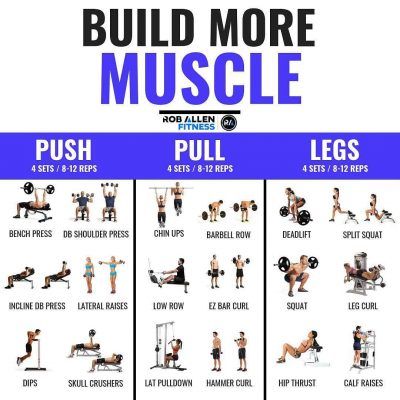
A push-pull-legs split is effective for muscle gain and fat loss. It allows balanced workouts and recovery. Train each muscle group twice weekly, focusing on compound movements. Maintain a caloric deficit with a high-protein diet to support fat loss while gaining muscle.
Consistency and proper nutrition are key.
Conclusion
Building muscle and losing fat requires dedication and consistency. Follow a balanced workout plan. Mix strength training with cardio exercises. Eat a nutritious diet rich in proteins and healthy fats. Drink plenty of water daily. Rest is crucial for muscle recovery.
Listen to your body and adjust as needed. Track your progress for motivation. Celebrate small achievements along the way. Remember, patience is key. Results take time, but stay committed. Your goals are within reach. Stay focused, stay strong, and enjoy the journey to a healthier you.








