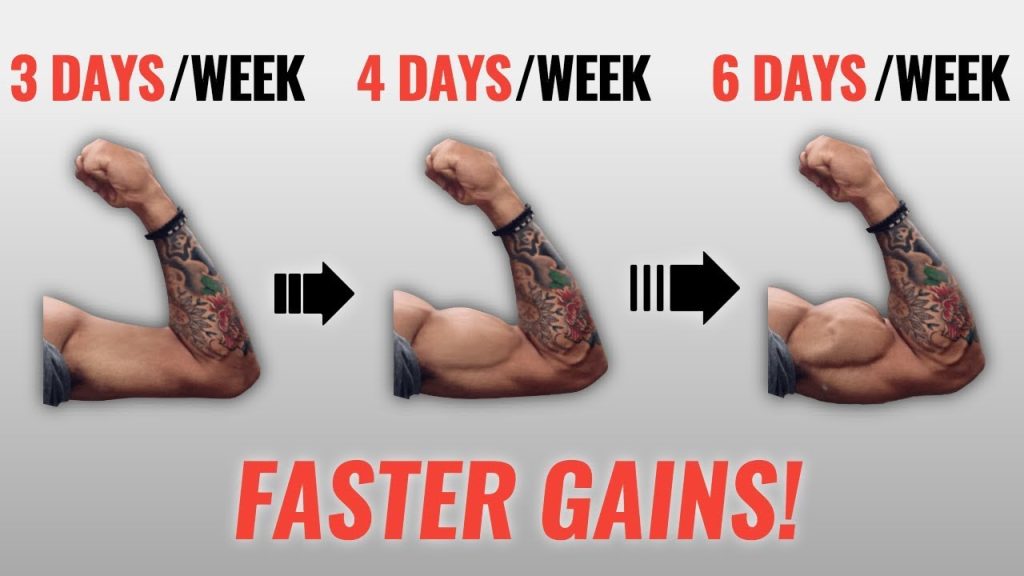
Are you eager to see those muscles grow? Maybe you’re hitting the gym but aren’t quite sure if you’re working out often enough to build muscle mass effectively.
💪 Key Hypertrophy Takeaways from Our Coaching Team:
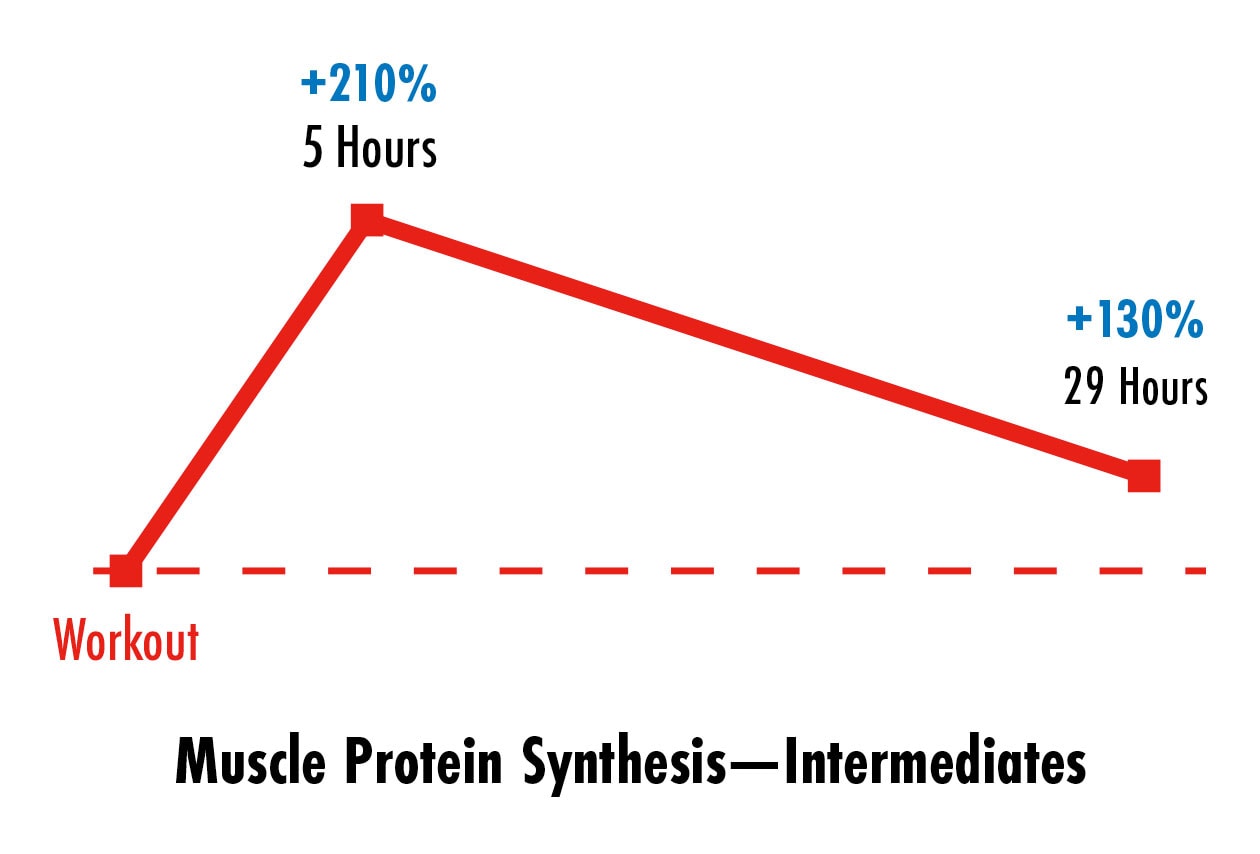
- Each muscle group should ideally be stimulated 2 times per week for optimal muscle protein synthesis elevation (which lasts 24–48 hours).
- A 3-day Full Body or 4-day Upper/Lower split achieves identical or superior muscle growth compared to a once-per-week traditional ‘bro split’.
- Total weekly volume (sets per muscle group) is the primary driver of hypertrophy—frequency is simply the vehicle to deliver that volume with high quality.
| Training Split | Days Per Week | Muscle Frequency | Ideal For | Recovery Efficiency |
|---|---|---|---|---|
| Full Body | 3 Days (e.g., Mon/Wed/Fri) | 3x per week | Beginners, busy schedules, athletes | Excellent (4 full rest days) |
| Upper / Lower Split | 4 Days (Mon/Tue/Thu/Fri) | 2x per week | Intermediates seeking balanced hypertrophy | Optimal (Midweek rest Wednesday) |
| Push / Pull / Legs (PPL) | 5–6 Days | 2x per week | Advanced lifters managing high per-session volume | Demanding (Requires strict nutrition/sleep) |
You’re not alone. Many people wonder how often they should exercise to see real results. It’s a common question with answers that can transform your fitness routine. Imagine gaining strength and muscle without wasting time on ineffective workouts. The secret lies in understanding the right balance between workout frequency, intensity, and rest.
This blog post will uncover the ideal workout schedule tailored for you to optimize muscle growth. Let’s dive in and discover how you can maximize your efforts and achieve the muscle mass you’ve been dreaming about.
Factors Influencing Workout Frequency
Determining how often to workout for muscle growth involves several factors. These factors can vary from person to person. Understanding them helps in creating an effective workout plan.
Genetic Factors
Genetics play a role in how often you should workout. Some people build muscle faster. Others might need more frequent sessions. Genes influence muscle recovery and growth speed. Consider your family history and body type. This can guide your workout frequency.
Experience Level
Experience level affects workout frequency. Beginners often need more rest days. Their muscles are adjusting to new stress. Experienced individuals can handle more frequent sessions. They are accustomed to the physical demands. Experience also impacts exercise intensity.
Recovery Ability
Recovery ability is crucial in planning workouts. Good recovery allows for more frequent workouts. Poor recovery might lead to overtraining. Nutrition, sleep, and stress levels affect recovery. Listen to your body. Adjust your workout schedule accordingly.
Ideal Frequency For Beginners
Building muscle requires dedication and the right workout frequency. Beginners often wonder how often they should hit the gym. Finding the ideal frequency is crucial. It helps in maximizing results while avoiding burnout. Understanding how to balance exercise and rest can set a strong foundation. Let’s explore the ideal frequency for those new to muscle building.
Starting Routine
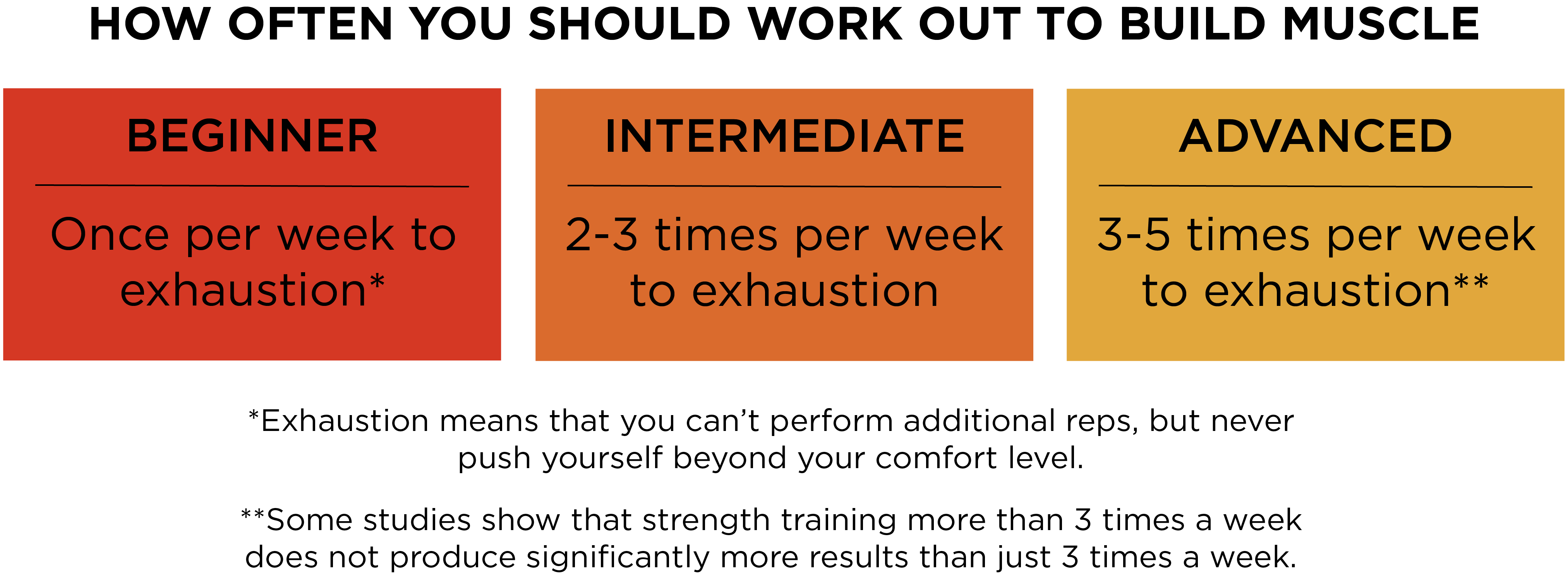
Beginners should aim to work out three times a week. This allows muscles to adapt without overwhelming the body. Each session should focus on different muscle groups. Avoid working the same muscles consecutively. Start with basic exercises that target major muscle groups. Squats, lunges, and push-ups are excellent choices. Consistency is key in establishing a solid routine.
Balancing Rest And Exercise
Rest is as important as exercise in muscle building. Muscles grow during rest periods. Beginners should ensure adequate rest between workout days. Aim for at least one full rest day after each session. Sleep is essential for recovery. Strive for seven to eight hours of quality sleep each night. Listen to your body. If fatigue sets in, consider additional rest days.
Frequency Recommendations For Intermediate Lifters
Building muscle mass requires a strategic approach, especially for intermediate lifters who have moved beyond the beginner phase but aren’t quite advanced yet. One common question is, “How often should you work out to see muscle gains?” Finding the right balance between frequency and intensity is crucial. Intermediate lifters have unique needs, and the frequency of workouts can significantly impact muscle growth.
Progressive Overload
Progressive overload is the cornerstone of muscle building. It involves gradually increasing the weight, reps, or sets to push your muscles beyond their usual limits. As an intermediate lifter, you should aim to challenge yourself with heavier weights or more reps each week.
Consider this: if you’ve been bench pressing 150 pounds for 8 reps comfortably, try 155 pounds for 6 reps next time. This slight increase forces your muscles to adapt and grow. How often should you implement these changes? Aim for every 2-3 weeks, depending on your recovery and performance.
Periodization Strategies
Periodization involves planning your workouts in cycles to optimize performance and recovery. This is where you mix up your training routine to prevent plateaus and overtraining. For intermediate lifters, implementing a periodization strategy can be game-changing.
You might choose a weekly cycle where you focus on strength one week and hypertrophy the next. This way, you’re constantly challenging different aspects of muscle growth. Think about how refreshing it is to switch things up rather than sticking to the same routine. How does your body respond to these changes? Listen to it, and adjust accordingly.
Remember, consistency is key, but so is listening to your body. Be mindful of your energy levels and recovery time. As an intermediate lifter, you have the experience to know when to push harder and when to rest. So, how can you tweak your current routine to optimize muscle building? Try these strategies, and watch your progress unfold.
Credit: outlift.com
Advanced Lifters And Training Frequency
If you’ve been lifting for years, you’re likely an advanced lifter. You’re no stranger to the gym, and you’ve probably tried various workout plans. But when it comes to training frequency, you might wonder how often you should hit the weights to build muscle mass effectively. The answer isn’t as straightforward as you might think. It’s about finding the right balance and tailoring your workouts to suit your body and goals.
Maximizing Gains
Advanced lifters have the advantage of muscle maturity. Your muscles respond differently than when you first started. To maximize gains, focus on quality over quantity. It’s not about how many days you spend in the gym but how effectively you use them.
Consider breaking your routine into focused sessions. Target different muscle groups on different days, allowing each to recover adequately. This approach helps avoid overtraining, which can be counterproductive.
Think about your goals. Do you want to increase strength, size, or both? Tailor your training frequency to match these goals. You might choose to train four times a week if you’re focusing on strength, or five if size is your priority.
Customized Training Plans
One-size-fits-all plans don’t work for everyone. Your body is unique, and your training plan should reflect that. Listen to your body. It knows what it needs.
Create a plan that fits your lifestyle and recovery ability. If you’re feeling fatigued, adjust your frequency. More isn’t always better. Prioritize rest and recovery as much as you do lifting.
Are you tracking your progress? Regular assessments can help you tweak your plan. Keep a journal of your workouts and changes in your physique. Use this data to make informed decisions about your training frequency.
Have you ever felt stuck, despite consistent training? Sometimes, a plateau means your body needs a change. Experiment with different frequencies and see how your body responds. It’s about finding what works for you.
Remember, advanced lifters have room to experiment. You know your limits and strengths. Use that knowledge to customize your training plan to build muscle mass effectively. What changes will you make to optimize your workouts?
Importance Of Rest And Recovery
Building muscle mass is not only about lifting weights. Rest and recovery play a crucial role in muscle growth. Your muscles need time to repair after intense workouts. Without proper rest, you risk injuries and slow progress. Rest days are essential for effective muscle building. They help reduce fatigue and allow your body to recharge.
Role Of Sleep
Sleep is vital for muscle recovery. It is during sleep that your body repairs and grows muscles. Aim for 7-9 hours of quality sleep each night. Sleep boosts muscle growth hormones. It helps reduce stress and inflammation. A good sleep routine improves workout performance. Prioritize your sleep just like your workouts.
Nutritional Support
Nutrition is key for muscle recovery. Consuming the right nutrients aids muscle repair. Protein is crucial for rebuilding muscles. Include lean meats, dairy, or plant-based proteins in meals. Carbohydrates refuel your energy stores. They are important after workouts. Healthy fats support hormone production. Balance your meals for optimal recovery.

Credit: www.youtube.com
Listening To Your Body
Understanding your body’s signals is key to building muscle mass. Aim for 3-5 workouts a week, focusing on strength and rest. Regular exercise with proper recovery helps muscles grow.
Listening to your body is crucial when you’re on a journey to build muscle mass. It’s tempting to push your limits every time, but understanding and respecting your body’s signals can make all the difference. Not only does it help you avoid injuries, but it also ensures you’re optimizing your workouts for the best results.
Recognizing Overtraining
Overtraining can sneak up on you if you’re not careful. If you find yourself feeling constantly fatigued or if your performance is declining, these might be signs. A friend of mine insisted on working out seven days a week. Within a month, he was exhausted and his progress stalled. Listening to your body’s cues can prevent this. Are you feeling sore beyond the usual post-workout discomfort? Are you struggling to get a good night’s sleep? These are red flags. Taking a rest day or reducing workout intensity can sometimes be more beneficial than pushing through. Muscle grows during recovery, not just during exercise. So, is your body truly ready for another intense session, or is it asking for a break?
Adjusting Based On Feedback
Your body is like a feedback machine, constantly giving you hints on what it needs. Maybe your arms are responding well to your current routine, but your legs aren’t. Adjust your workouts accordingly. I’ve noticed that after two weeks of heavy lifting, my body responds well to a lighter week. It’s about mixing things up and keeping your muscles guessing. This doesn’t mean you’re slacking off; it’s a strategy to keep growing. How do you feel after your workouts? Energized or drained? Energized means you’re probably on the right track. Drained could mean it’s time to reassess your routine. Paying attention to this feedback ensures you’re working smarter, not harder. Listening to your body is not just a concept; it’s a skill you develop over time. Trust those signals and adjust your workout plans to suit your body’s needs. Are you ready to start listening more closely?
Balancing Cardio And Strength Training
To build muscle mass, balance cardio and strength training effectively. Aim for 3-5 strength workouts weekly. Incorporate cardio 2-3 times to keep your heart healthy. Mix intensity levels for optimal results. Adjust based on personal goals and recovery needs.
Building muscle mass requires more than just lifting weights. Balancing cardio and strength training is key to achieving well-rounded fitness. Many people wonder how to combine these two without compromising muscle gains. You might ask yourself if cardio will hinder your progress in building muscle. Understanding the synergy between these workouts can help you tailor a routine that maximizes your results.
Impact On Muscle Growth
Cardio can be beneficial for muscle growth if done right. It improves heart health, which enhances your body’s ability to transport nutrients and oxygen to your muscles. The type and intensity of cardio matter. Light to moderate cardio like walking or cycling won’t eat into your muscle gains. However, excessive high-intensity cardio can lead to muscle breakdown if not properly managed. Timing is another crucial factor. Consider keeping cardio sessions separate from strength workouts. This can help you maintain energy levels and focus on lifting heavier weights.
Effective Cross-training
Cross-training blends different types of workouts for a balanced routine. It helps prevent boredom and reduces the risk of overuse injuries. Adding variety keeps your body guessing, which can lead to continuous improvement. For example, you might do strength training three times a week and include two days of light cardio. Think about activities you enjoy that can complement your strength training. Swimming, yoga, or even a dance class can offer cardio benefits while keeping you engaged. Ever tried a brisk walk after lifting weights? It’s refreshing and aids in recovery. Mixing it up can keep you motivated and on track to reach your muscle-building goals. What does your current workout routine look like? Are you effectively balancing cardio and strength training? Adjusting your approach might be the game-changer you need.
Credit: www.chicagoathleticclubs.com
Frequently Asked Questions
How Often Should I Work Out For Muscle Gain?
Exercise 3-5 times weekly for muscle gain. Focus on strength training and allow recovery days. Consistency is key.
What Is The 6 12 25 Rule?
The 6 12 25 rule is a strategy for retirement savings. Save 6% of income, aim for 12 times your annual salary by retirement, and withdraw 2-5% annually. This rule helps manage savings and withdrawals to ensure financial security during retirement.
Do Muscles Grow On Rest Days?
Yes, muscles grow during rest days. Rest allows muscle fibers to repair and strengthen. Proper rest and nutrition boost muscle growth. Recovery is crucial for effective workouts and muscle development. Ensure adequate sleep and hydration for optimal results. Balancing exercise with rest improves overall fitness and muscle gains.
Is The Gym 3 Times A Week Enough To Build Muscle?
Yes, going to the gym 3 times a week can build muscle. Focus on progressive overload, proper nutrition, and adequate rest. Consistent workouts targeting major muscle groups are essential for muscle growth. Listen to your body and adjust your routine as needed for optimal results.
Final Verdict & Coach Recommendation
Building muscle requires a smart workout plan. Consistency is key. Aim for three to four sessions weekly. Focus on different muscle groups each day. This helps avoid overtraining and promotes growth. Rest is equally important. Muscles need time to repair and grow stronger.
Nutrition plays a vital role too. Eat protein-rich foods to support muscle development. Listen to your body. Adjust your routine if needed. Everyone’s body responds differently. Find what works best for you. Remember, patience and perseverance are essential. Stick to your routine.
You will see progress over time. Keep pushing forward. Your efforts will pay off.








