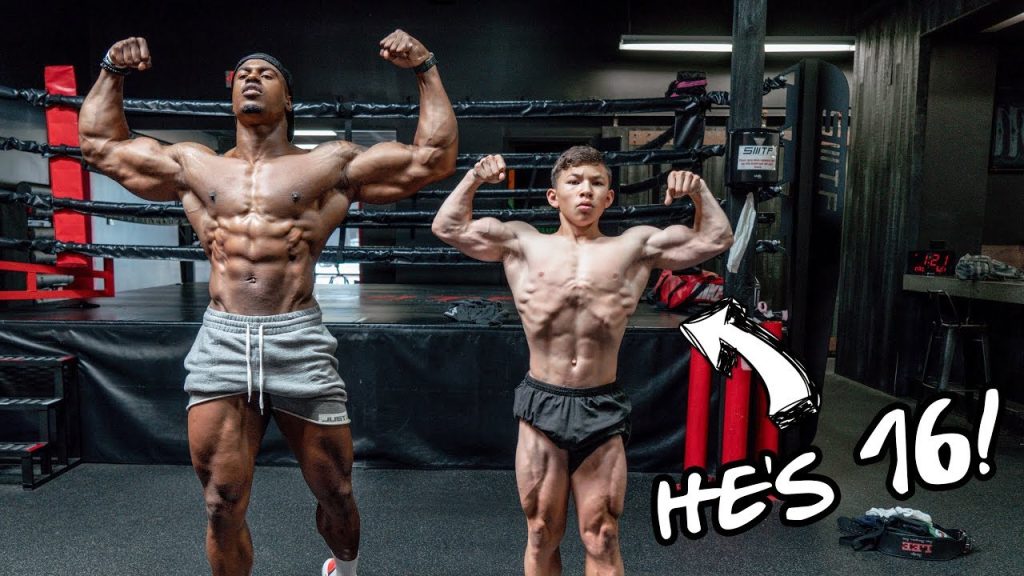
Are you a teenager eager to build muscle and boost your fitness game? You’re in the right place!
💪 Key Hypertrophy Takeaways from Our Coaching Team:
- Strength training does not stunt growth; proper form with progressive overload actually increases bone mineral density and tendon resilience.
- Aim for a slight caloric surplus (+300 to +400 kcal/day) with 1.6–2.0g protein per kilogram of body weight to support both biological growth and muscular hypertrophy.
- Prioritize 8.5 to 9.5 hours of uninterrupted sleep every night—adolescent growth hormone release peaks predominantly in slow-wave deep sleep.
| Foundational Pillar | Teenager Target | Common Beginner Mistake | Expert Recommendation |
|---|---|---|---|
| Compound Movements | Squat, Bench, Row, Overhead Press | Ego lifting with jerky form | Film sets & master tempo control |
| Daily Nutrition | 1.8g/kg protein + nutrient-dense whole foods | Relying exclusively on processed mass gainers | Whole milk, oats, eggs, chicken, peanut butter |
| Workout Frequency | 3 to 4 days per week | Training 7 days a week to exhaustion | Full Body (3x/wk) or Upper/Lower (4x/wk) |
| Sleep & Recovery | 8.5 – 9.5 hours per night | Late-night gaming cutting sleep to 5–6 hrs | Non-negotiable for hormone optimization |
Building muscle as a teenager isn’t just about looking good; it’s about feeling strong and confident. But with so much information out there, it can be tough to know where to start. You might worry about doing it wrong or getting hurt.
Don’t worry, though – this guide is here to help you every step of the way. We’ll break down the best strategies, tips, and techniques to help you build muscle safely and effectively. So, get ready to discover the secrets to transforming your body and unleashing your full potential. Keep reading to find out how you can start building muscle today!

Credit: www.muscleandfitness.com
Importance Of Building Muscle In Adolescence
Building muscle during adolescence is crucial for overall growth. During these formative years, the body undergoes significant changes. Muscle development supports these changes, enhancing strength and endurance. It also boosts self-esteem and mental health. Strong muscles help prevent injuries and improve posture. Developing healthy habits early in life can lead to lifelong benefits. Teenagers can create a foundation for a healthy lifestyle by focusing on muscle growth.
Understanding The Benefits Of Muscle Growth
Muscle growth supports bone health and density. Strong muscles protect bones from fractures and injuries. This is important during adolescence when bones are still growing. Building muscle helps maintain a healthy weight. Lean muscle mass increases metabolism, aiding in weight management. It also enhances physical appearance, boosting confidence. A fit body encourages an active lifestyle.
Role Of Hormones In Muscle Development
Hormones play a crucial role in muscle growth during adolescence. Testosterone and growth hormone levels rise during puberty. These hormones stimulate muscle development. They help the body use protein effectively, building strong muscles. Understanding this process can guide teenagers in their fitness journey. Proper nutrition and exercise can maximize the benefits of these hormonal changes.
Psychological Benefits Of Building Muscle
Building muscle enhances mental well-being. Exercise releases endorphins, improving mood and reducing stress. Teenagers who build muscle often report higher self-confidence. Physical strength translates to mental resilience. It teaches discipline and perseverance. These skills are valuable in all areas of life. A strong body supports a strong mind.
Long-term Health Benefits
Muscle building in adolescence has long-term health benefits. It reduces the risk of obesity and related diseases. Strong muscles improve heart health and circulation. They enhance flexibility and balance, reducing injury risk. Building muscle can lead to a lifetime of good health. Encouraging teenagers to focus on muscle growth can set them on a path to a healthier future.
Setting Realistic Fitness Goals
Setting realistic fitness goals is crucial for teenagers looking to build muscle. It helps you stay motivated and track progress effectively. Without clear goals, it’s easy to lose focus and feel overwhelmed.
When I started my fitness journey as a teenager, I aimed to look like a superhero. That goal was ambitious and unrealistic. I soon realized the importance of setting achievable targets.
Understanding Your Starting Point
Begin by assessing your current fitness level. Are you already active, or starting from scratch? Knowing where you stand helps in setting appropriate goals. Use simple measures like how many push-ups you can do or how long you can run without stopping.
This baseline is your reference point. It will guide your progress and help you set short-term and long-term goals.
Setting Short-term Goals
Short-term goals are stepping stones. They can be as simple as adding five more push-ups to your routine. These goals give you quick wins and keep motivation high.
Celebrate each achievement, no matter how small. Success breeds more success, pushing you to aim higher.
Long-term Goals: Dream Big But Stay Realistic
Long-term goals require patience and persistence. Think about where you want to be six months or a year from now. Maybe it’s gaining muscle mass or improving overall fitness.
Break these down into smaller, manageable tasks. This approach makes daunting goals feel achievable.
Adjusting Goals Based On Progress
Your body changes as you train, so your goals should too. Regularly check your progress and adjust your targets. If you’re achieving goals faster than expected, raise the bar.
If progress is slow, ask yourself: Are your goals too ambitious? Adjust as needed to keep moving forward.
Staying Flexible And Open-minded
Life can throw curveballs. School, social life, or even health issues can affect your fitness journey. Be flexible with your goals. Adapt to changes without losing sight of your overall mission.
How do you handle setbacks? Learn from them and make necessary adjustments. Flexibility is key to long-term success.
Setting realistic fitness goals isn’t just about workouts; it’s about understanding yourself. What do you genuinely want to achieve? The clearer your goals, the more satisfying your journey to building muscle will be.
Nutrition For Muscle Growth
Building muscle as a teenager requires more than just lifting weights. Proper nutrition plays a crucial role in muscle growth. Eating the right foods can make a big difference. It fuels your workouts and helps repair muscles. Understanding what to eat is key.
Balanced Diet Basics
A balanced diet is essential for muscle growth. Include a variety of food groups in your meals. Choose whole grains, fruits, and vegetables. These provide energy and nutrients. Healthy fats are important too. They support hormone production. Stick to lean meats and fish for protein. Dairy products like milk offer calcium for strong bones. Avoid processed foods high in sugar and salt.
Protein-rich Foods
Protein is crucial for building muscle. It repairs and builds tissue. Include protein-rich foods in your diet. Eggs are a great source. They contain high-quality protein. Chicken breast is lean and full of protein. Fish like salmon offers omega-3 fats too. Beans and lentils are good vegetarian options. Greek yogurt and cottage cheese provide protein and calcium.
Essential Vitamins And Minerals
Vitamins and minerals are vital for overall health. They support muscle function and recovery. Vitamin D is important for bone health. Get it from sunlight and foods like fatty fish. Iron helps carry oxygen in the blood. Include spinach and red meat for iron. Magnesium supports muscle relaxation and energy. Nuts and seeds are rich in magnesium. Don’t forget zinc for immune health. It is found in shellfish and beef.

Credit: www.moms.com
Effective Workout Routines
Building muscle as a teenager involves regular strength training and a balanced diet rich in protein. Focus on exercises like squats, push-ups, and lifting weights to target different muscle groups. Ensure plenty of rest for muscle recovery and growth.
Building muscle as a teenager can be an exciting journey that transforms not just your body but your confidence too. The secret lies in effective workout routines that are simple to follow yet powerful. They require consistency, dedication, and a bit of patience. But what exactly should you focus on? Let’s break down the essentials.
Strength Training Exercises
Strength training is vital for muscle growth. It involves exercises that target specific muscle groups, helping you gain muscle mass and strength. Start with basic exercises like push-ups, squats, and lunges. These don’t require any equipment and can be done at home. If you have access to a gym, incorporate weights with exercises like bench presses, deadlifts, and rows. Remember to maintain proper form to avoid injuries. It might be tempting to lift heavier weights quickly, but focus on technique first.
Cardio And Flexibility
Cardio is not just for burning fat; it’s crucial for your overall health. It improves heart health and boosts your endurance, which can enhance your strength workouts. Incorporate activities like running, cycling, or swimming a few times a week. Keep it moderate, around 20-30 minutes per session. Don’t overlook flexibility. Simple stretching exercises or yoga can prevent injuries and improve your performance. Flexibility helps your muscles recover and adapt better to strength training.
Rest And Recovery
Muscle growth doesn’t happen during the workout; it happens when you rest. Rest days allow your muscles to repair and grow stronger. Ensure you get enough sleep each night, ideally 8-9 hours. Sleep is when your body does most of its healing and growth. Listen to your body. If you’re feeling overly tired or sore, take a break. Overtraining can lead to injuries and set you back. Are you giving yourself enough time to rest and recover? It’s just as important as the workouts themselves.
Safety Tips For Teen Athletes
Building muscle safely involves balanced workouts and proper nutrition. Teens should focus on strength training with correct form to avoid injuries. Staying hydrated and getting enough rest are crucial for muscle recovery and growth.
Building muscle safely as a teenager is crucial. Teen athletes are eager and energetic. They often push their limits. But safety must come first. Following safety tips helps prevent injuries. It ensures long-term health and fitness. Let’s explore key safety tips for teen athletes.
Avoiding Overtraining
Overtraining can lead to exhaustion and injuries. It’s important to balance workouts and rest. Rest days allow muscles to recover and grow. Listen to your body’s signals. Feeling tired or sore means it’s time to rest. Adequate sleep also supports muscle recovery. Focus on quality workouts rather than quantity.
Proper Form And Technique
Using correct form prevents injuries. It maximizes muscle gain. Start with lighter weights to learn the right technique. Gradually increase the weight as your form improves. Watching tutorials or seeking guidance from a trainer helps. Practice makes perfect. Always prioritize form over lifting heavier weights.
Listening To Your Body
Your body gives signals. Pay attention to them. Pain is a warning sign. Stop if you feel sharp pain during exercise. Fatigue signals the need for rest. Hydration is crucial. Drink enough water before, during, and after workouts. Proper nutrition fuels your body for exercise. Eating a balanced diet supports muscle growth.
Staying Motivated
Building muscle as a teenager requires commitment and consistency. Stay motivated by setting small, achievable goals. Celebrate every milestone to keep your spirits high and progress steady.
Staying motivated is crucial for teenagers aiming to build muscle. It can be tough to keep going when results seem slow. But motivation can make all the difference. Whether you’re lifting weights or doing bodyweight exercises, staying on track helps you reach your goals.
Tracking Progress
Keep a journal or use an app to track your workouts. Write down the exercises, sets, and reps. This helps you see how far you’ve come. Seeing progress boosts motivation. Celebrate small victories to stay inspired. Regular updates make your progress visible. It also helps you adjust your routine for better results.
Finding A Workout Buddy
Having a workout buddy can keep you committed. They push you to try harder. You encourage each other. Share goals and track progress together. A friend makes workouts more fun. It’s easier to show up when someone is counting on you. You both stay motivated and accountable.
Setting Short-term Achievements
Set small, reachable goals to maintain enthusiasm. These could be lifting a bit more or running longer. Achieving these goals gives a sense of accomplishment. It keeps you focused on the bigger picture. Celebrate these milestones. They remind you that you’re improving. Small wins build confidence and drive.
Role Of Professional Guidance
Building muscle as a teenager can be a challenging journey. Professional guidance plays a vital role in ensuring safe and effective muscle growth. Teenagers often lack the experience to create structured workout plans. Professional advice helps in preventing injuries and achieving goals efficiently. This section explores the benefits of seeking expert help.
Consulting Fitness Experts
Fitness experts provide personalized training plans. They understand the unique needs of teenagers. Experts focus on balanced workouts that support growth. Their guidance helps in avoiding common mistakes. Fitness trainers also teach proper exercise techniques. They ensure each session is safe and productive. Consulting with an expert builds confidence and motivation.
Utilizing School Resources
Schools often have resources for physical fitness. Gyms, sports facilities, and knowledgeable staff are available. Physical education teachers can offer valuable advice. They help in creating effective workout routines. Joining school fitness programs provides structure. It encourages regular exercise and discipline. School resources are easily accessible and often free.
Joining Sports Teams
Joining sports teams promotes physical activity. It offers a fun way to build muscle and endurance. Team sports improve strength, agility, and coordination. Coaches provide guidance and support. They teach teamwork and perseverance. Sports create a sense of belonging and motivation. They help in developing lifelong fitness habits.

Credit: www.youtube.com
Frequently Asked Questions
Can You Gain Muscle As A Teen?
Yes, teens can gain muscle through proper nutrition, regular strength training, and adequate rest. Focus on compound exercises and balanced diets for effective muscle growth. Avoid overtraining to prevent injuries. Consistency and patience are key for healthy muscle development during teenage years.
How Long Does It Take For A 15 Year Old To Build Muscle?
A 15-year-old typically starts seeing muscle growth in 4-6 weeks with consistent exercise and nutrition. Progress depends on genetics, workout intensity, and diet. Ensure a balanced diet with protein and proper rest for optimal results. Regular strength training is crucial for building muscle effectively at this age.
What Can A 15 Year Old Take To Build Muscle?
Teenagers should focus on protein-rich foods like lean meats, eggs, and dairy for muscle growth. Incorporate strength training exercises like push-ups, squats, and weightlifting with proper guidance. Always prioritize a balanced diet, staying hydrated, and getting enough rest for optimal muscle development.
Consult a healthcare professional before starting any supplement.
What Is The 6 12 25 Rule?
The 6 12 25 rule is a budget guideline. Allocate 6% to short-term savings, 12% to emergency savings, and 25% to debt repayment. This rule helps manage finances efficiently, ensuring savings while reducing debt.
Final Verdict & Coach Recommendation
Building muscle as a teenager requires patience and commitment. Focus on balanced nutrition. Include proteins, carbs, and healthy fats. Stay consistent with your workouts. Consistency builds strength and endurance. Rest is crucial. Muscles grow while you sleep. Avoid overtraining. It leads to fatigue and injuries.
Listen to your body. It communicates needs and limits. Celebrate small victories. Progress takes time. Remember, everyone develops differently. Stay positive and enjoy the journey. Building muscle is a marathon, not a sprint. With dedication, you will see results. Stay motivated and keep pushing forward.








