Are you looking to enhance your muscle-building routine but confused about whether collagen protein is the right choice for you? You’re not alone.
💪 Key Hypertrophy Takeaways from Our Coaching Team:
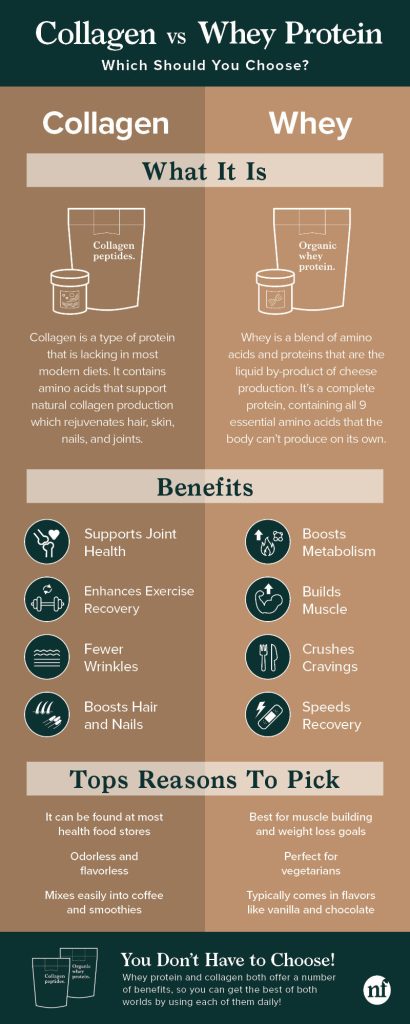
- Collagen is an incomplete protein lacking tryptophan and containing low leucine (~3%), making it inferior to whey for triggering muscle protein synthesis.
- Collagen is unmatched for connective tissue, tendon thickness, and joint recovery due to exceptionally high glycine, proline, and hydroxyproline concentrations.
- Best strategy: Combine 15g collagen with 50mg Vitamin C 45–60 minutes pre-workout for joint remodeling, and take whey protein post-workout for muscle hypertrophy.
| Nutritional Metric | Hydrolyzed Collagen | Whey Protein Isolate | Impact on Bodybuilding |
|---|---|---|---|
| Leucine Content | ~2.7% (Low) | ~11% – 13% (High) | Whey triggers mTOR kinase pathway 3x faster |
| Essential Amino Acids (EAA) | Incomplete (0% Tryptophan) | Complete Spectrum (~50% EAA) | Whey supports whole-body muscle rebuilding |
| Glycine & Proline Content | ~33% (Extreme) | ~6% (Moderate) | Collagen directly strengthens tendons & ligaments |
| Primary Target Tissue | Cartilage, joints, skin, fascia | Skeletal muscle fibers | Synergistic when taken together |
With so many supplements on the market, it can be overwhelming to decide what’s best for your body. Collagen protein has been making waves in the fitness community, but is it really effective for building muscle? Imagine unlocking the secret to a more efficient workout, where every rep and set brings you closer to your goals.
We’ll explore whether collagen protein can be your new gym companion, helping you achieve the muscle gains you desire. Stay with us as we delve into the science and benefits, so you can make an informed decision and optimize your fitness journey.

Credit: www.youtube.com
Collagen Protein Basics
Collagen protein is gaining attention in fitness circles. Many wonder about its benefits for muscle building. Understanding collagen’s basics helps see its role in fitness.
What Is Collagen Protein?
Collagen is a vital protein in the body. It supports skin, bones, and connective tissues. It gives strength and structure to these areas.
Unlike other proteins, collagen has unique amino acids. Glycine, proline, and hydroxyproline are key components. These amino acids contribute to collagen’s special properties.
Sources Of Collagen
Collagen is found in various natural sources. Animal products are rich in collagen. Bone broth, fish, and chicken skin contain high levels.
Collagen supplements are also available. They come in powder or capsule form. Many choose supplements for convenience.
Eating collagen-rich foods supports muscle health. It may help repair tissues after exercise.
Role In Muscle Building
Collagen protein has gained popularity in fitness circles. Many people wonder about its role in muscle building. It offers unique benefits that differ from other proteins. Understanding these differences can help you make informed choices.
Collagen Vs. Other Proteins
Collagen stands out among proteins. Whey and casein are popular for muscle gain. They are complete proteins, meaning they have all essential amino acids. Collagen lacks some essential amino acids. This makes it less effective as a sole muscle-building source. Yet, collagen supports muscle recovery and joint health. It complements other protein sources in a balanced diet.
Amino Acid Profile
Collagen’s amino acid profile is unique. It is rich in glycine, proline, and hydroxyproline. These amino acids support skin and joint health. They play a role in muscle recovery and repair. Collagen lacks tryptophan, an essential amino acid. This is why it is not a complete protein. Combining collagen with other proteins can enhance muscle growth.
Scientific Studies
When it comes to building muscle, many are curious about whether collagen protein is a viable option. Scientific studies provide valuable insights into how collagen might contribute to muscle growth. Let’s dive into some of the research that explores collagen’s potential in this area.
Research On Muscle Growth
Recent studies have shown that collagen protein may aid muscle growth. One study found that individuals who supplemented their diets with collagen experienced improved muscle mass compared to those who did not. The increase was particularly noticeable in those who combined collagen with regular resistance training.
This research suggests that collagen might have unique properties that support muscle development. It’s interesting to note how collagen interacts with other proteins in your body to potentially enhance muscle growth. Have you considered how this could change your workout routine?
Comparative Studies
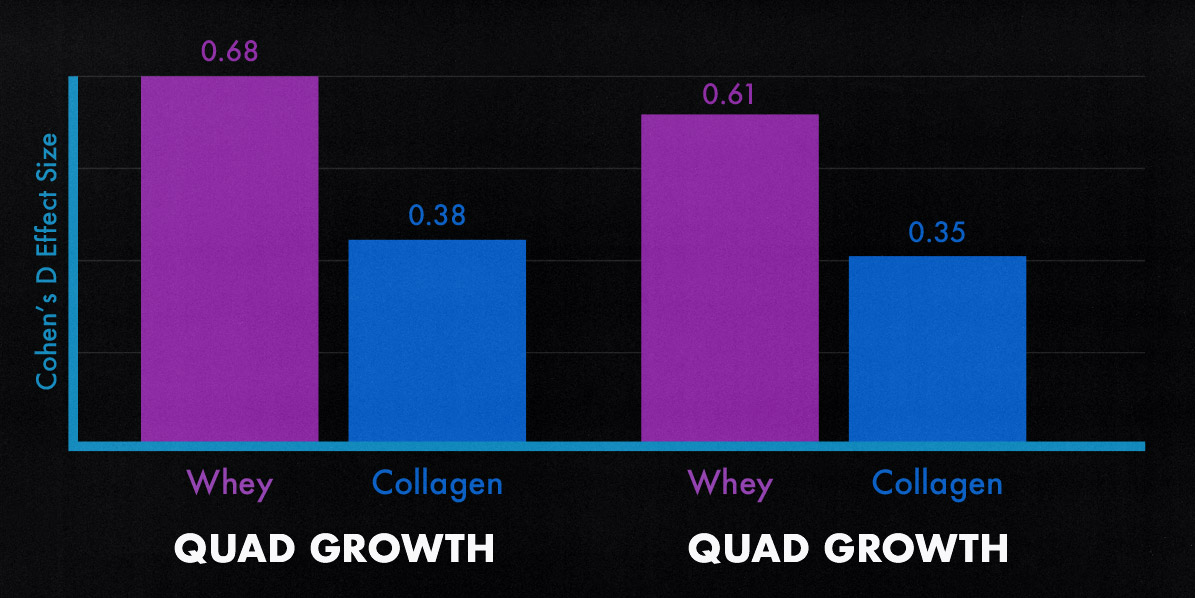
Comparative studies have been conducted to evaluate collagen against other protein sources like whey and soy. One study revealed that while collagen may not be as effective as whey in rapid muscle growth, it still holds its ground by offering additional benefits such as joint support.
Another study compared the effects of collagen and casein, highlighting that collagen might be more beneficial for older adults looking to maintain muscle mass. This finding could be a game-changer if you’re considering long-term muscle health.
These studies shed light on the potential role of collagen in muscle building. While not the leading choice, its additional benefits make it worth considering. Could collagen protein be your next supplement choice?
Benefits Beyond Muscle Building
Collagen protein supports muscle building by enhancing joint health and recovery. It helps maintain flexibility and reduces injury risk. This makes workouts more effective.
Collagen protein is not just for building muscle. It offers several benefits that go beyond muscle growth. Many people are exploring these additional benefits, which can enhance overall health and wellness. Collagen supports various body functions and can improve life quality.
Joint Health
Collagen plays a crucial role in maintaining joint health. It helps in cushioning joints, reducing wear and tear. Regular intake can alleviate joint pain. Many athletes use collagen to prevent injury. Older adults find it useful for joint mobility. Collagen helps in repairing cartilage, easing discomfort.
Skin And Hair Benefits
Collagen is vital for skin elasticity. It reduces wrinkles and fine lines, offering a youthful appearance. It boosts hydration, giving skin a radiant glow. Collagen strengthens hair, reducing brittleness. It supports hair growth, enhancing volume. Many skincare products contain collagen due to its benefits.
Potential Drawbacks
Collagen protein may not provide all essential amino acids needed for muscle growth. Some people might experience digestive discomfort. It could be less effective compared to other protein sources like whey or soy for muscle building.
When considering collagen protein for muscle building, it’s important to weigh its potential drawbacks. While collagen is praised for its benefits to skin and joints, its role in muscle growth is less straightforward. You might wonder if it truly stacks up against other protein sources like whey or plant-based proteins. Let’s take a closer look at some of the challenges you might face when relying on collagen for muscle building.
Limitations Of Collagen
Collagen is relatively low in essential amino acids like leucine, which plays a crucial role in muscle protein synthesis. This means that collagen may not be as effective for muscle growth as proteins rich in these amino acids. Imagine you’re building a house; without the right materials, you can’t complete the structure. Similarly, without the right amino acids, your muscles might not reach their full potential. You might notice that collagen is often used in combination with other proteins to balance its amino acid profile. This could mean needing to adjust your diet to ensure you’re getting complete protein sources elsewhere.
Dietary Considerations
When adding collagen to your diet, consider how it fits into your overall nutritional plan. Are you getting enough other protein sources to make up for what collagen lacks? It’s like trying to balance a seesaw; too much of one thing can throw everything off. Ensure your diet is well-rounded. Collagen supplements can also be expensive. You may find yourself questioning if it’s worth the investment compared to other, potentially more effective protein sources. Would you be better off spending that money on something else that might offer more bang for your buck? Before you commit, think about your goals and what you’re willing to invest to achieve them. Would a mix of other protein sources serve you better?
Credit: bonytobeastly.com
Supplementation Tips
Collagen protein supports muscle growth by enhancing connective tissue strength. It aids in recovery post-exercise. Though not a complete protein, combining collagen with other protein sources can optimize muscle-building efforts.
Are you considering adding collagen to your muscle-building routine? Collagen protein has gained popularity due to its potential benefits for joint health, skin elasticity, and muscle recovery. However, knowing how to use it effectively can make all the difference. Let’s dive into some practical tips to maximize your collagen supplementation.
How To Incorporate Collagen
Adding collagen to your diet is easier than you might think. You can start by mixing collagen powder into your morning coffee or smoothie. This not only ensures you get your dose of collagen but also seamlessly fits into your daily routine. Another option is to use it in your cooking. Collagen powder is virtually tasteless, making it a perfect addition to soups, stews, or even your favorite pancake recipe. It’s a versatile supplement that doesn’t require you to overhaul your diet. Did you know you can also find collagen in convenient pre-made protein bars and drinks? These can be a great option for on-the-go nutrition or a quick post-workout snack. Keep some in your gym bag to never miss your collagen intake.
Best Time To Consume
Timing your collagen intake can enhance its benefits. Many fitness enthusiasts swear by consuming collagen in the morning to kickstart their day. It’s a simple ritual that could support joint health and muscle recovery throughout the day. Some experts suggest taking collagen right after your workout. The theory is that your body is in prime condition to absorb nutrients post-exercise, potentially improving recovery and muscle growth. Have you considered taking collagen before bed? Collagen contains glycine, an amino acid that may promote better sleep. A good night’s rest is crucial for muscle repair and growth, making it a strategic time for supplementation. Finding what works best for you might take a little experimentation. Listen to your body and adjust your routine accordingly. Are you ready to give collagen a try in your muscle-building journey?
Real-life Experiences
Understanding the impact of collagen protein on muscle building isn’t just about reading studies and statistics. Real-life experiences provide a more relatable insight into how collagen can fit into your fitness journey. Whether you’re an athlete pushing for peak performance or a fitness enthusiast looking to enhance your routine, these stories offer practical and actionable insights.
Athlete Testimonials
Many athletes have shared positive experiences with collagen protein as part of their workout regimen. Take Sarah, a competitive swimmer, who noticed an improvement in her recovery times. She added collagen to her post-workout smoothies and found her muscles felt less sore, allowing her to train more consistently.
Jack, a marathon runner, discovered that collagen helped reduce joint pain, a common issue for long-distance runners. His regimen included collagen supplements, which he credits for keeping him on track with his training schedule without discomfort.
Are you considering adding collagen to your routine like Sarah and Jack? Their stories highlight the potential benefits and might inspire you to see if collagen can support your athletic goals.
Consumer Reviews
Beyond athletes, everyday consumers have also shared their stories about using collagen protein. Many find it an easy addition to their daily routine. Emily, a yoga enthusiast, started using collagen powder in her morning coffee. She reported not only feeling stronger but also noticed an improvement in her skin and nails.
Tom, who hits the gym regularly, mentioned that collagen helped him maintain muscle mass as he aged. His experience suggests that collagen might be beneficial for those looking to stay fit and strong over the years.
Have you read similar reviews and wondered if collagen could work for you? The experiences of others can offer a glimpse into how this supplement might fit into your lifestyle.
Real-life stories provide valuable insights into the practical benefits of collagen protein. Whether you’re an athlete or a fitness enthusiast, considering these testimonials might help you make an informed decision. What changes could collagen make in your fitness journey? Explore these shared experiences and think about your own potential results.

Credit: www.youtube.com
Frequently Asked Questions
What Is Collagen Protein?
Collagen protein is a structural protein found in connective tissues. It is abundant in skin, bones, and muscles. It supports muscle recovery and joint health, making it beneficial for fitness enthusiasts. Collagen supplements can aid in improving skin elasticity and overall joint function.
How Does Collagen Help In Muscle Growth?
Collagen aids muscle growth by supporting muscle recovery and repair. It provides essential amino acids like glycine and proline, crucial for muscle synthesis. This helps in maintaining muscle mass and strength. Regular intake can enhance muscle performance and reduce post-workout soreness.
Is Collagen Better Than Whey For Muscle Building?
Collagen and whey have different benefits for muscle building. Whey is rich in branched-chain amino acids for muscle synthesis. Collagen focuses on recovery and joint health. Combining both can optimize muscle growth and overall body function. Choose based on personal fitness goals and dietary preferences.
How Much Collagen Should You Consume Daily?
Consume 10 to 20 grams of collagen daily for optimal benefits. This amount supports muscle recovery, joint health, and skin elasticity. Adjust intake based on activity level and dietary needs. Consult a nutritionist for personalized recommendations to enhance muscle-building efforts.
Final Verdict & Coach Recommendation
Collagen protein supports muscle building but isn’t a standalone solution. It helps with joint health, which aids exercise. Combining collagen with other proteins boosts muscle growth. A balanced diet and regular exercise remain essential. Collagen offers benefits, but don’t rely on it entirely.
Mix it with other protein sources for best results. Always consult a healthcare professional before making big changes. Your fitness goals are achievable with the right approach. Stay consistent, eat well, and exercise regularly. Remember, every step counts towards building stronger muscles.
Keep pushing forward on your fitness journey.








