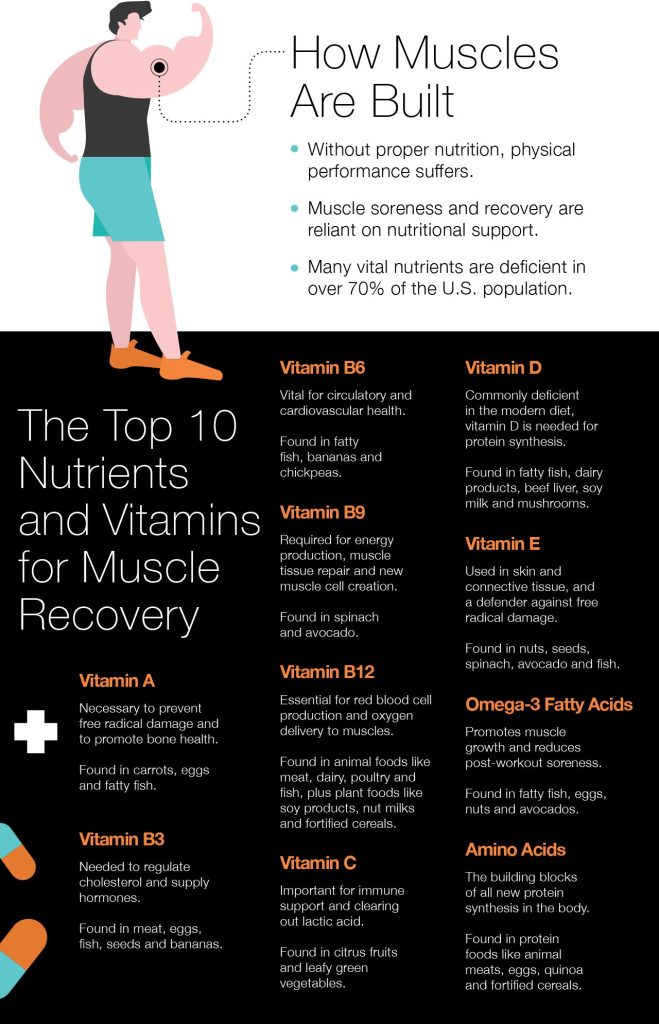
Are you hitting the gym hard but not seeing the muscle gains you desire? You might be missing out on an essential piece of the puzzle: vitamins.
💪 Key Hypertrophy Takeaways from Our Coaching Team:
- Vitamin D3 (2,000–5,000 IU/day) acts as a secosteroid hormone, directly regulating muscle protein synthesis and androgen receptor density.
- B-Complex vitamins (especially B6, B12, and Folate) are critical co-enzymes for amino acid metabolism and red blood cell production.
- Zinc (15–30mg) and Magnesium (300–400mg) support nighttime hormonal recovery, neuromuscular transmission, and deep REM sleep cycles.
| Micronutrient | Optimal Daily Dose | Primary Muscular Mechanism | Bioavailable Sources | Priority Level |
|---|---|---|---|---|
| Vitamin D3 + K2 | 2,000 – 5,000 IU | Enhances testosterone synthesis & muscle fiber recruitment | Sunlight, egg yolks, fatty salmon | Essential (Tier 1) |
| Magnesium Glycinate | 300 – 400 mg | ATP energy production, prevents cramps & reduces cortisol | Pumpkin seeds, spinach, dark chocolate | Essential (Tier 1) |
| Zinc Picolinate | 15 – 30 mg | Cellular repair, IGF-1 regulation, immune support | Oysters, lean beef, lentils | High (Tier 2) |
| B-Complex (B6/B12) | 100% – 200% RDA | Amino acid breakdown & glycogen utilization | Poultry, eggs, fortified nutritional yeast | High (Tier 2) |
While protein and carbs often steal the spotlight in muscle-building conversations, vitamins play a crucial role in helping your muscles grow and recover. The right vitamins can boost your energy, improve your performance, and even speed up recovery times. Imagine feeling more energized during your workouts and seeing faster results.
Intrigued? Keep reading to discover which vitamins can transform your fitness journey and help you build the muscle mass you’ve always wanted.
Importance Of Vitamins In Muscle Building
Vitamins play a crucial role in building muscle. They support energy production, recovery, and growth. Without them, your body struggles to function at its best. Understanding their importance can enhance your muscle-building efforts.
Importance Of Vitamins For Muscle Growth
Vitamins aid in converting food into energy. This energy powers your workouts. They also help repair muscle tissue after exercise. Proper repair leads to muscle growth. Vitamins are essential for these processes.
Role Of Vitamin D In Muscle Strength
Vitamin D supports calcium absorption. Calcium is vital for muscle contractions. Strong contractions mean better workouts. Sunlight is a natural source of Vitamin D. You can also find it in foods like fish and eggs.
Vitamin C And Its Benefits For Recovery
Vitamin C helps in collagen production. Collagen repairs tendons and ligaments. This reduces muscle soreness. It also boosts the immune system. A strong immune system keeps you healthy and active.
B Vitamins: Energy Boosters
B vitamins convert nutrients into energy. They include B1, B2, B3, B6, and B12. These vitamins are essential for metabolism. They help produce energy for muscle function. Meat, dairy, and grains are rich in B vitamins.
Antioxidant Power Of Vitamin E
Vitamin E is an antioxidant. It protects cells from damage. This includes muscle cells after intense exercise. Nuts and seeds are good sources of Vitamin E. They help keep your muscles strong.
Understanding the importance of vitamins boosts muscle-building efforts. They provide energy, aid recovery, and strengthen your body. Make sure to include them in your diet.
Vitamin D For Strength
Vitamin D plays a key role in muscle strength and recovery. It aids calcium absorption, supporting muscle contractions and growth. Supplementing with vitamin D can enhance your workout results, promoting muscle health effectively.
Vitamin D is crucial for building muscle strength. Known as the “sunshine vitamin,” it plays a vital role in muscle function and growth. Many people are unaware of how significant Vitamin D is for enhancing their strength. Could this be the missing piece in your muscle-building puzzle?
What Is Vitamin D?
Vitamin D is a fat-soluble vitamin essential for various bodily functions. It helps regulate calcium levels, which is vital for bone health. But did you know it’s also pivotal for muscle growth?
Why Is Vitamin D Important For Muscle Strength?
This vitamin supports muscle contraction and repair. Without adequate Vitamin D, your muscles may not perform optimally. Have you ever felt weak after a workout? Perhaps your Vitamin D levels are low.
Sources Of Vitamin D
You can get Vitamin D from sunlight, foods, and supplements. Sun exposure is the most natural way, but not always practical. Foods like fatty fish, cheese, and egg yolks are great sources. Supplements can fill any gaps.
How Much Vitamin D Do You Need?
The amount you need can vary. Factors like age, skin color, and lifestyle play a role. Generally, 600-800 IU daily is recommended. Have you checked your Vitamin D intake lately?
Personal Experience With Vitamin D
I once felt sluggish despite regular workouts. A simple blood test revealed low Vitamin D levels. After adjusting my diet and adding supplements, my energy and strength improved. Could a simple vitamin boost be your game-changer?
Potential Risks Of Vitamin D Deficiency
Low Vitamin D can lead to weak muscles and increased injury risk. It’s not just about feeling tired. Think about how this could impact your workout routine or even daily activities.
Conclusion: Vitamin D’s Role In Building Muscle
Vitamin D isn’t just a supporting player in muscle-building; it’s a star. Consider assessing your intake and making necessary adjustments. How might your strength goals benefit from improved Vitamin D levels?
Role Of Vitamin C In Recovery
Vitamin C plays a vital role in muscle recovery by reducing inflammation and aiding collagen synthesis. It supports the repair of tissue damaged during intense workouts, promoting faster healing and growth. Essential for building strength, Vitamin C enhances nutrient absorption, boosting energy and endurance in the gym.
Vitamin C is more than just a remedy for the common cold. It plays a vital role in muscle recovery. When you push your body in the gym, your muscles experience stress and damage. Vitamin C helps repair this damage and supports the growth of new muscle tissues. Have you ever noticed how some workouts leave you sore for days? That’s where Vitamin C steps in, speeding up recovery and getting you back to your routine faster.
Boosting Collagen Production
Vitamin C is essential for collagen production. Collagen is a protein that helps in the formation of connective tissues. Strong connective tissues support muscle strength and endurance. Imagine reducing soreness and enhancing your flexibility at the same time. That’s the magic of collagen.
Antioxidant Protection
Your workouts generate free radicals, which can harm cells. Vitamin C acts as an antioxidant, neutralizing these free radicals. This protection allows your muscles to heal without additional stress. It’s like giving your muscles a shield against further damage while they recover.
Reducing Inflammation
After a tough workout, inflammation is common. Vitamin C helps reduce inflammation, easing discomfort and promoting quicker healing. Think of it as a gentle helper, calming your muscles and preparing them for the next challenge.
Practical Ways To Add Vitamin C
Adding Vitamin C to your diet is simple. Include fruits like oranges, strawberries, and kiwi. Vegetables like bell peppers and broccoli are great choices too. Supplements are an option if you need a boost. How much Vitamin C are you getting daily? Consider tracking your intake to maximize recovery benefits.
Personal Experience With Vitamin C
I once struggled with recovery after intense workouts. Adding Vitamin C to my diet made a noticeable difference. My soreness decreased, and my energy levels improved. Experiment with your Vitamin C intake and see if it makes a difference for you. What’s your recovery secret?

Credit: www.youtube.com
Vitamin B Complex For Energy
Vitamin B complex boosts energy and aids muscle growth. These essential nutrients help convert food into fuel. Supporting metabolic functions, they enhance muscle recovery and development.
Vitamin B Complex plays a crucial role in energy production. It’s essential for those looking to build muscle. This group of vitamins helps your body convert food into energy. This energy is necessary for intense workouts. Without it, your muscles won’t grow as effectively. Each B vitamin has a unique function. Let’s explore how they support muscle building.
B1 And B2 For Metabolism
Vitamin B1, also known as thiamine, aids in carbohydrate metabolism. It helps convert carbs into energy, fueling your workouts. Vitamin B2, or riboflavin, supports fat metabolism. This ensures your body uses fats efficiently during exercise. Together, they enhance your metabolic rate.
B3 For Muscle Growth
Vitamin B3, or niacin, boosts muscle growth. It helps improve blood circulation. Increased blood flow means more oxygen to your muscles. This promotes endurance and growth. Niacin also supports the repair of muscle tissues. It’s crucial for post-workout recovery.
B6 For Protein Synthesis
Vitamin B6 aids in protein synthesis. Proteins are the building blocks of muscles. This vitamin helps your body break down proteins. It converts them into amino acids, which are vital for muscle repair. B6 also supports the immune system, keeping you healthy.
B12 For Red Blood Cell Production
Vitamin B12 is essential for red blood cell production. Red blood cells carry oxygen to your muscles. More oxygen means better performance during workouts. B12 also supports nerve function. Healthy nerves are crucial for muscle contractions. Without B12, fatigue sets in quicker.
Vitamin E For Muscle Repair
Vitamin E aids muscle repair by reducing oxidative stress and inflammation. It supports muscle growth and recovery. Including Vitamin E can enhance your muscle building routine effectively.
Vitamin E is often hailed as a vital nutrient in the world of fitness, particularly when it comes to muscle repair. After a grueling workout, your muscles need time to heal and grow stronger. This is where Vitamin E steps in, playing a crucial role in reducing muscle damage and inflammation. Imagine your muscles thanking you for the extra care you provide with this powerful antioxidant.
What Makes Vitamin E Essential For Muscle Repair?
Vitamin E is an antioxidant that helps neutralize free radicals in the body. These free radicals can cause oxidative stress, which may lead to muscle damage. By taking Vitamin E, you’re equipping your body with the tools to fight this stress, helping your muscles recover faster and more efficiently.
How Much Vitamin E Do You Need?
For most adults, a daily intake of about 15 milligrams is recommended. You can achieve this through a balanced diet or supplements. Foods rich in Vitamin E include almonds, spinach, and sunflower seeds. Incorporating these into your meals can help you reach your daily goals naturally.
Personal Experience With Vitamin E
I remember the time I pushed myself too hard at the gym, only to face muscle soreness for days. Adding Vitamin E to my routine changed the game. The recovery was quicker, and I could return to my workout regime sooner. This small adjustment made a big difference in my fitness journey.
Can You Overdo It?
While Vitamin E is beneficial, moderation is key. Excessive intake can lead to health issues like nausea or headaches. It’s essential to stick to the recommended dosage to ensure you enjoy the benefits without any side effects.
Is Vitamin E Right For You?
Consider your diet and lifestyle when thinking about supplements. If you often consume foods high in Vitamin E, you might not need extra supplements. However, if you’re struggling with muscle recovery, a little boost could be what you need. What are your thoughts on using vitamins for muscle repair? Have you tried Vitamin E, and did you notice any changes in your recovery time? Your experience can help others make informed decisions.

Credit: www.youtube.com
Role Of Vitamin A In Tissue Growth
Vitamin A is essential for muscle growth. It supports tissue repair and growth. Athletes often need more of this vitamin. It helps in muscle recovery after workouts.
Vitamin A plays a role in protein synthesis. This is crucial for building muscle tissues. It is also important for cell growth and differentiation. This helps in forming new muscle fibers.
How Vitamin A Aids Protein Synthesis
Vitamin A influences gene expression. This process aids protein synthesis in muscles. Proteins are the building blocks of muscles. Thus, they are vital for muscle development.
Without enough Vitamin A, protein synthesis slows down. This affects muscle growth. Ensuring adequate intake of Vitamin A promotes efficient protein synthesis.
Vitamin A And Immune System Support
Strong immunity is important for muscle recovery. Vitamin A supports the immune system. It helps fight infections and inflammation.
Muscle growth requires a healthy immune system. Vitamin A ensures that your body recovers well. It reduces the risk of training-related illnesses.
Best Sources Of Vitamin A
Vitamin A can be found in many foods. Carrots, sweet potatoes, and spinach are rich sources. Liver and dairy products also provide Vitamin A.
Incorporating these foods into your diet boosts Vitamin A levels. This helps in achieving optimal muscle growth. Supplements can also be considered if needed.
Essential Minerals For Muscle Building
Building muscle isn’t just about hitting the gym and lifting weights. Your body also needs the right minerals to support muscle growth and recovery. Adding essential minerals to your diet can make a significant difference. But which ones should you focus on? Let’s explore some key minerals that can help you achieve your muscle-building goals.
Magnesium For Muscle Function
Magnesium is a powerhouse when it comes to muscle function. It helps with muscle contraction and relaxation, which is crucial during workouts and recovery. Without enough magnesium, you might experience cramps or muscle fatigue.
Think about the last time you had a muscle cramp after a workout. It’s not fun, right? Ensuring you have enough magnesium can help prevent these uncomfortable situations.
Consider foods like spinach, almonds, and black beans to boost your magnesium intake. And if you’re not getting enough from your diet, a supplement might be beneficial.
Zinc For Testosterone Levels
Zinc plays a vital role in maintaining healthy testosterone levels. Testosterone is important for muscle growth and strength. Low levels can hinder your progress in the gym.
Have you noticed a plateau in your muscle gains despite putting in the effort? It might be time to check your zinc levels. Foods rich in zinc include oysters, beef, and pumpkin seeds.
Adding these to your meals can be a tasty way to support your muscle-building efforts. If you’re unsure about your zinc intake, consulting with a healthcare professional could provide more personalized advice.
So, are you ready to take your muscle-building journey to the next level? Ensuring you have these essential minerals in your diet could be the missing piece. What changes will you make to fuel your muscle growth?
Combining Vitamins With Diet And Exercise
Building muscle requires more than just lifting weights. It’s a blend of proper nutrition, exercise, and vitamins. Vitamins play a critical role in muscle growth and recovery. They help the body use protein and carbohydrates efficiently. But vitamins alone aren’t enough. They must work in harmony with diet and exercise. This combination ensures optimal muscle development and strength. Let’s explore how to integrate vitamins, diet, and exercise effectively.
Understanding The Role Of Diet
A balanced diet provides essential nutrients. Protein is crucial for muscle repair and growth. Carbohydrates fuel workouts, giving energy for exercise. Healthy fats support hormone production. Vitamins enhance these nutritional benefits. For instance, Vitamin D aids calcium absorption, supporting bone health.
Importance Of Regular Exercise
Exercise stimulates muscle growth. Resistance training builds strength and endurance. Cardio improves heart health and stamina. Consistent exercise enhances nutrient absorption. It also optimizes the benefits of vitamins. Muscles recover faster with the right vitamins and exercise.
Key Vitamins For Muscle Growth
Vitamin C boosts collagen production, aiding tissue repair. Vitamin B12 supports red blood cell formation. This enhances oxygen delivery to muscles. Vitamin E protects cells from oxidative stress. Each vitamin plays a unique role in muscle development.
Creating A Balanced Routine
Combine vitamins, diet, and exercise for best results. Plan meals with nutrient-rich foods. Include a variety of fruits and vegetables. Schedule regular workout sessions. Adjust vitamin intake based on activity levels. This holistic approach supports muscle building and overall health.
Choosing The Right Supplements
Building muscle requires key vitamins like Vitamin D for strength and calcium absorption. Protein synthesis benefits from B vitamins. Vitamin C supports muscle repair and growth.
Choosing the right supplements can be a game-changer in your muscle-building journey. While regular exercise and a balanced diet lay the foundation, the right vitamins can enhance your results. But with endless options on the market, how do you decide which ones are truly beneficial? Let’s break it down.
Understanding The Role Of Vitamins
Vitamins play a crucial role in your muscle growth. They support protein synthesis, which is essential for muscle repair and growth. Without enough vitamins, your body might struggle to build muscle efficiently. Think of them as the fuel to your muscle-building engine.
Vitamin D: The Sunshine Vitamin
Vitamin D is critical for muscle strength. It helps with calcium absorption, promoting healthy bones and muscles. If you’re spending most of your time indoors, consider a Vitamin D supplement to fill the gap. Remember, stronger bones support stronger muscles.
Vitamin C: Boosting Collagen Production
Vitamin C isn’t just for warding off colds. It aids in collagen production, keeping your tendons and ligaments healthy. A robust support system around your muscles can enhance your workouts. Are you getting enough Vitamin C in your diet?
Vitamin B Complex: Energy And Performance
The B vitamins, including B6, B12, and folate, are vital for energy production. They help convert the food you eat into energy, fueling your workouts. If you often feel fatigued, a B complex supplement might be worth considering. How’s your energy level during workouts?
Magnesium: Aiding Muscle Recovery
Magnesium helps with muscle relaxation and recovery. After a tough workout, your muscles need to recover and rebuild. This mineral aids in reducing muscle cramps and soreness. Are you giving your muscles the recovery support they need?
Omega-3 Fatty Acids: Reducing Inflammation
While not a vitamin, Omega-3s play a role in reducing inflammation. Lower inflammation means less muscle soreness and quicker recovery times. Consider adding fish oil supplements to your regimen. How quickly do your muscles recover after intense sessions? Choose supplements wisely and see how they complement your muscle-building efforts. Always consult with a healthcare professional before starting any new supplement routine. Your muscle-building success might just need that extra nutritional boost.

Credit: renuerx.com
Frequently Asked Questions
Which Vitamin Is Best For Muscle Growth?
Vitamin D is crucial for muscle growth. It supports muscle function and strength. Vitamin C aids collagen production, vital for muscle repair. B vitamins, especially B6 and B12, boost energy and protein metabolism. A balanced diet with these vitamins promotes optimal muscle development.
What Is The Best Supplement To Build Muscle?
Whey protein is the best supplement for building muscle. It provides essential amino acids and promotes muscle growth. Creatine is also effective for enhancing strength and performance. Consult a healthcare professional before starting any supplement regimen to ensure safety and suitability for your individual needs.
Is B6 Or B12 Better For Muscle Growth?
Vitamin B12 supports muscle growth by aiding energy production and red blood cell formation. B6 helps with protein metabolism and muscle repair. Both are essential, but B12 is often prioritized for muscle growth due to its role in energy and recovery.
A balanced intake of both vitamins is beneficial.
Do You Need Vitamins To Grow Muscle?
Vitamins support muscle growth by aiding energy production and recovery. Essential vitamins include vitamin D, C, and B-complex. They help in protein synthesis and reduce fatigue. A balanced diet usually provides necessary vitamins, but supplements can help if needed. Proper nutrition is crucial for effective muscle development.
Final Verdict & Coach Recommendation
Building muscle requires more than just lifting weights. Vitamins play a vital role. They support energy, recovery, and overall health. Vitamin D helps bones stay strong. B vitamins boost energy and reduce fatigue. Vitamin C aids in recovery and repair.
Remember, food first. Supplements come second. Always consult a doctor before starting any supplement. A balanced diet combined with the right vitamins can enhance muscle growth. Stay informed. Listen to your body’s needs. Achieve your fitness goals. With dedication and proper nutrition, you can build muscle effectively.
Make smart choices for your health journey.








