Affiliate Disclosure: This post may contain affiliate links. If you purchase through links on our site, we may earn an affiliate commission at no extra cost to you.
Have you ever wondered if rice can be part of your weight loss journey? You’re not alone.
As you navigate through the maze of diet options, rice often pops up as a staple in many cultures. It’s filling, versatile, and pairs perfectly with a variety of dishes. But does it really fit into your weight loss plan?
Before you decide to swap it out for another grain or eliminate it entirely, let’s take a closer look. You’ll discover surprising insights that could change the way you think about this humble grain. Stick around as we uncover whether rice can be your ally in shedding those extra pounds. Your perception of rice might never be the same again.
Nutritional Profile Of Rice
Rice is a staple food enjoyed by millions worldwide, and its nutritional profile plays a significant role in your diet. When considering rice as a weight loss food, it’s essential to understand its components. Let’s delve into the types of rice, caloric content, and the balance of carbohydrates and fiber it offers. Each aspect can impact your weight loss journey, potentially making rice a beneficial or challenging choice.
Types Of Rice
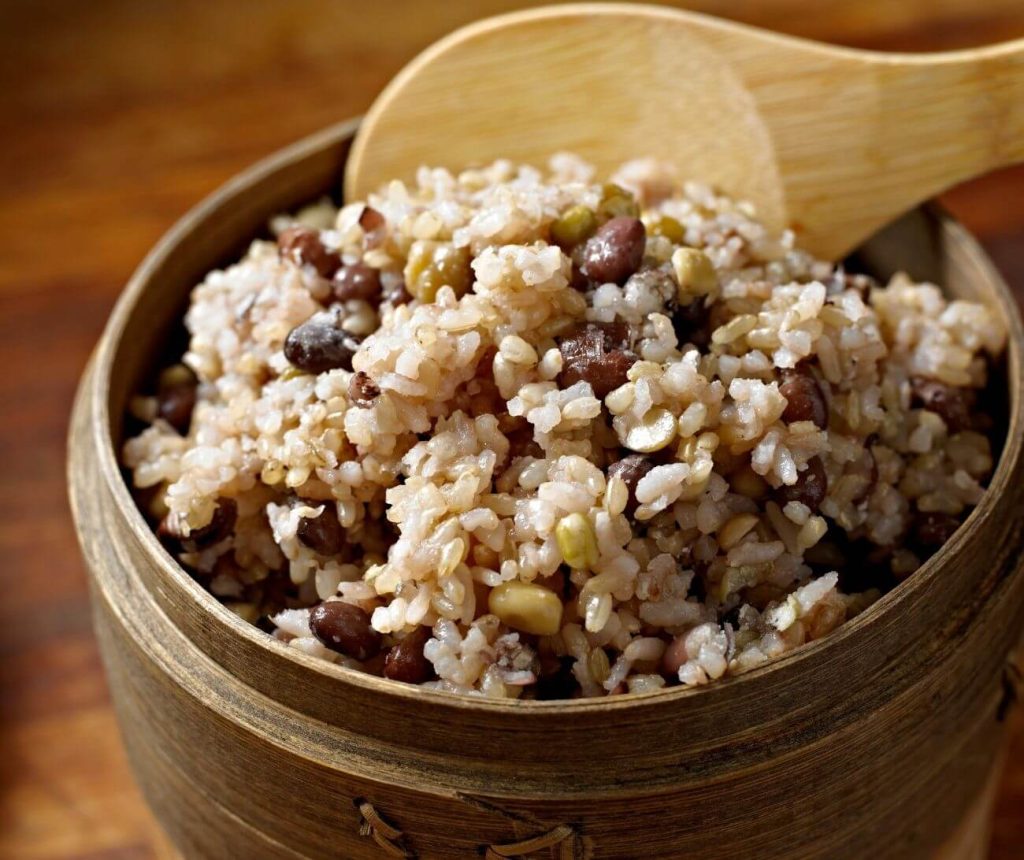
Rice comes in various types, each with unique characteristics and nutritional benefits. White rice, brown rice, basmati, and jasmine are just a few examples. Brown rice is often touted as healthier due to its higher fiber content. It retains the bran and germ, offering more nutrients compared to white rice. Have you considered trying black or red rice? These varieties are packed with antioxidants and can add color and nutrition to your meals.
Caloric Content
The calorie count in rice can vary based on type and preparation. Generally, a cup of cooked white rice contains around 200 calories, while brown rice has slightly fewer calories. This may not seem like much, but if you’re watching your calorie intake, every little bit counts. Consider portion control. You might find that a smaller serving satisfies you without overloading your daily calorie limit.
Carbohydrates And Fiber
Rice is rich in carbohydrates, which provide energy but can affect your weight loss goals if consumed excessively. Brown rice offers more fiber, aiding digestion and providing a fuller feeling. This can prevent overeating. Have you ever noticed how fiber-rich foods keep you satisfied longer? Incorporating high-fiber rice varieties into your meals could help manage hunger and support your weight loss efforts.
Rice can be part of a healthy weight loss diet if you choose the right type and control your portions. What type of rice will you choose for your next meal?
Rice In Different Diets
Rice can support weight loss if portion sizes and types are chosen wisely. Brown rice offers more fiber and nutrients compared to white rice, making it a healthier option. Pairing rice with vegetables and lean protein can create a balanced meal that aids in weight management.
Rice is a staple in many diets around the world. It holds a significant place in weight management conversations. People often wonder about its role in weight loss. Different diets view rice in various ways. Let’s explore how rice fits into low-carb, balanced, and cultural diets.
Low-carb Diets
Low-carb diets usually limit foods high in carbs. Rice, especially white rice, is often reduced or avoided. People on keto or Atkins diets often skip rice. They focus on foods with high protein and fats. Brown rice is sometimes considered. It has more fiber than white rice. This makes it a better option for some low-carb plans. Whole grains can offer nutrients without excess carbs.
Balanced Diets
Balanced diets promote a variety of foods. Rice can be included in moderation. It’s a source of energy and nutrients. A balanced diet includes protein, fats, and carbs. Rice can be part of a healthy meal. Pairing rice with vegetables and lean protein works well. This approach offers essential nutrients. Eating rice with other healthy foods supports weight management.
Cultural Perspectives
Rice is deeply embedded in many cultures. In Asia, rice is a staple food. It’s present in every meal. People manage weight by controlling portion sizes. In Latin America, rice is part of daily meals. It’s often paired with beans. Different cultures have unique ways of including rice in diets. Understanding cultural practices offers insights into healthy eating. Embracing these methods can help in weight management.
Benefits Of Rice For Weight Loss
Rice often gets a bad rap in weight loss conversations, but it can support your goals. This versatile grain offers several benefits for shedding pounds. Let’s explore how rice can assist in your weight loss journey.
Satiety And Fullness
Rice can help you feel full longer. It contains fiber, which increases satiety. Eating rice may reduce the urge to snack. This can aid in managing calorie intake.
Energy And Metabolism
Rice provides a steady energy source. It is rich in carbohydrates, fueling your body’s activities. A well-fueled body keeps metabolism active. This supports burning calories efficiently.
Digestive Health
Rice promotes good digestion. Whole grain rice, like brown rice, contains dietary fiber. Fiber aids digestion and prevents constipation. Proper digestion is vital for weight management.
Potential Drawbacks
Rice is a staple in many diets worldwide. However, when you’re trying to lose weight, you might wonder if it’s really your friend. While rice can be part of a balanced diet, it does come with some potential drawbacks you should consider. Understanding these can help you make smarter choices when it comes to including rice in your meals.
High Glycemic Index
Rice, especially white rice, has a high glycemic index (GI). This means it can cause a rapid spike in your blood sugar levels. High GI foods might leave you feeling hungry sooner, leading to overeating. If you’ve ever felt ravenous shortly after a rice-heavy meal, you might have experienced this.
To combat this, consider choosing brown rice, which has a lower GI. It digests more slowly, keeping you satisfied longer. Or pair your rice with protein and healthy fats to balance the meal’s impact on blood sugar.
Portion Control Challenges
Rice is easy to overeat. Its fluffy texture and subtle flavor can make it hard to stick to the recommended serving size. Have you found yourself going back for seconds without even realizing it?
Try measuring your portions before serving. Using smaller plates might also trick your brain into thinking you’re eating more than you actually are. What tricks can you use to keep your rice intake in check?
Nutrient Deficiency Risks
White rice is often stripped of its nutrients during processing. Relying heavily on it might mean you’re missing out on important vitamins and minerals. If your meals are rice-heavy, are you getting enough variety in your diet?
Consider incorporating other grains like quinoa or bulgur to boost nutrient intake. Adding colorful vegetables and lean proteins can also make your meals more balanced. How can you ensure your plate isn’t just a sea of white?
Thinking about these drawbacks can guide you in making rice a part of your weight loss journey without it becoming a stumbling block. What’s your experience with rice? Does it support your goals or pose challenges?
Choosing The Right Rice
Choosing the right rice can be a game-changer for your weight loss journey. Rice is not just a staple in many diets; it’s a versatile ingredient that can support your goals when selected wisely. Understanding the differences in rice types can help you make healthier choices. But how do you pick the right one? Let’s break it down.
Whole Grain Options
Whole grain rice, like brown rice, is a fantastic option for weight loss. It retains all parts of the grain, meaning more fiber and nutrients. This can help you feel fuller longer and reduce cravings. I remember switching to brown rice and noticing a significant difference in my energy levels. Have you tried incorporating whole grain rice into your meals?
Glycemic Index Considerations
The glycemic index (GI) of rice is another crucial factor. Rice with a lower GI, like basmati, can help manage blood sugar levels better than high-GI varieties like white rice. A lower GI can prevent insulin spikes that lead to fat storage. Next time you’re at the store, consider checking the GI of your favorite rice. Which variety aligns with your health goals?
Organic And Non-gmo Choices
Opting for organic and non-GMO rice ensures you’re consuming fewer pesticides and chemicals. This choice supports overall health and potentially aids in weight loss. I found that switching to organic rice gave me peace of mind about what I was consuming. Have you considered the impact of organic rice on your wellness journey?
As you navigate your weight loss path, choosing the right rice can make a substantial difference. Whether it’s whole grain benefits, glycemic index impact, or organic purity, each choice shapes your health. What rice will you choose to support your goals today?
Incorporating Rice In Meals
Rice can be a part of a healthy weight loss diet. It’s all about how you cook and what you pair it with. Rice is versatile and can be used in many meals. Let’s explore how to make it work for weight loss.
Healthy Cooking Methods
Cooking rice with healthy methods is crucial. Steaming or boiling are best. Avoid frying rice in oil or butter. These add unnecessary calories. Use a rice cooker for perfectly cooked rice. It saves time and effort. Brown rice is a great option. It has more fiber than white rice. This keeps you full longer.
Pairing With Vegetables And Proteins
Pair rice with lots of vegetables. They add nutrients and fiber. Try broccoli, carrots, or peas. Mix them into the rice for color and taste. Adding protein is important too. Consider chicken, tofu, or beans. These provide needed energy and keep you satisfied. A balanced meal helps with weight loss.
Meal Planning Tips
Plan your meals with rice wisely. Decide portion sizes before cooking. This prevents overeating. Cook rice in bulk for the week. Store in the fridge for quick meals. Use rice as a base for stir-fries or salads. Add different spices for flavor variety. Planning meals saves time and encourages healthy eating.
Expert Opinions
Experts weigh in on whether rice is effective for weight loss. Some say brown rice, with its fiber, supports feeling full. Others believe portion control is key, as white rice can spike blood sugar.
When considering rice as part of a weight loss plan, expert opinions can provide invaluable insights. While rice is a staple food in many cultures, opinions vary on its role in weight management. Let’s dive into what dietitians and nutritionists have to say, and explore some real-life success stories.
Dietitian Insights
Dietitians often emphasize portion control when it comes to rice. A small serving can be part of a balanced diet, even for those aiming to lose weight. They suggest combining rice with high-fiber vegetables and lean proteins to keep you full longer. Some dietitians recommend brown rice over white rice due to its higher fiber content. The added fiber can aid digestion and help manage hunger pangs. Have you considered swapping your usual white rice for brown?
Nutritionist Recommendations
Nutritionists may advise choosing rice varieties with a low glycemic index. Options like basmati or jasmine rice can prevent rapid spikes in blood sugar levels. This can be crucial for maintaining energy levels and avoiding cravings. Some nutritionists suggest experimenting with rice alternatives such as quinoa or cauliflower rice. These options are lower in calories and carbs, providing variety to your meals. Are you open to trying new grains?
Success Stories
Real-life experiences can be incredibly motivating. One success story involves a woman who lost 20 pounds by moderating her rice intake and pairing it with plenty of vegetables. She found that this approach helped her feel satisfied without overeating. Another individual achieved weight loss by switching to brown rice and using smaller plates to control portions. This simple change led to a gradual but sustainable weight loss. What small changes can you make in your rice consumption? These expert opinions and success stories highlight the potential of rice as a part of your weight loss journey. Consider these insights and see how they might fit into your own lifestyle.
Frequently Asked Questions
Can I Eat Rice And Lose Weight?
Yes, you can eat rice and lose weight by controlling portion sizes and choosing whole grain options like brown rice. Pair it with lean proteins and vegetables for balanced meals. Focus on maintaining a calorie deficit for effective weight loss.
Remember, moderation is key to a healthy diet.
What Is The 7 Day Rice Diet?
The 7-day rice diet focuses on eating rice, fruits, and vegetables. It aims to promote weight loss and detoxification. The diet is low in sodium and fat, helping improve heart health and reduce blood pressure. Consult a healthcare professional before starting any new diet plan.
Is Rice Good For Weight Loss?
Rice can be a part of a weight loss diet. It is low in fat and calories. Choose whole grain rice, like brown rice, for added fiber and nutrients. Portion control is essential to prevent overeating. Pair rice with vegetables and lean proteins for a balanced meal.
How Does Rice Affect Weight Loss?
Rice can support weight loss if consumed in moderation. It provides energy and keeps you full longer. Whole grain rice is better due to its higher fiber content. Avoid adding high-calorie sauces or oils. Balancing rice with other low-calorie foods is crucial for effective weight management.
Conclusion
Rice can be a helpful food for weight loss. It offers energy and is low in fat. Portion control is key to avoid extra calories. Brown rice is a better choice due to more fiber. It keeps you full longer.
Pair rice with lean protein and vegetables. This makes a balanced meal. Rice is easy to cook, affordable, and versatile. It fits many diets. Remember to balance rice with other foods. Stay active for best results. Eating rice wisely helps in weight management.
Make informed choices for a healthy lifestyle.








