Affiliate Disclosure: This post may contain affiliate links. If you purchase through links on our site, we may earn an affiliate commission at no extra cost to you.
Have you ever wondered if pineapple could be your secret weapon in the battle against those stubborn pounds? If you’re on a weight loss journey, you might be searching for foods that not only tantalize your taste buds but also support your goals.
Pineapple, with its juicy sweetness, seems like a delightful choice. But is it actually good for weight loss, or is it just another tropical treat? We’ll dive into the intriguing world of pineapple and uncover its potential benefits for shedding those extra pounds.
You’ll discover how this vibrant fruit might fit into your diet and why it could be more than just a tasty snack. Stick around to find out if pineapple is the refreshing boost your weight loss plan needs. Your path to a healthier you could be just a slice away!
Nutritional Profile Of Pineapple
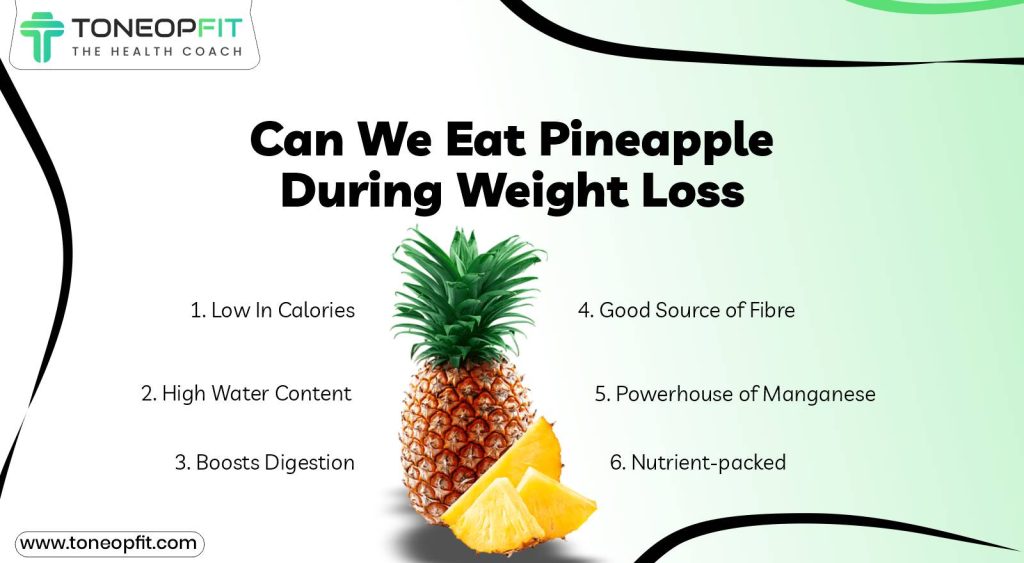
Pineapple is a tropical fruit with a vibrant, sweet flavor. This fruit is not just delicious but also packed with nutrients. Pineapples are low in calories, making them an excellent choice for weight loss.
Rich In Vitamins And Minerals
Pineapples are rich in vitamin C, which boosts immunity. They also contain vitamins A, B6, and K. These vitamins promote overall health and well-being. Minerals like manganese in pineapples aid in metabolism and bone health. This fruit provides a significant amount of dietary fiber, which aids digestion.
Low In Calories
Pineapples are low in calories yet high in water content. This makes them filling without adding many calories. A cup of pineapple chunks has about 82 calories. This low-calorie count helps in maintaining a calorie deficit for weight loss.
Contains Bromelain
Bromelain is an enzyme found in pineapples. It helps in protein digestion and reduces inflammation. Bromelain may aid in weight loss by improving digestion. It also helps in reducing bloating and improving gut health.
High Water Content
Water-rich foods help keep you hydrated. Pineapples have high water content, which helps you feel full. This can help reduce overall calorie intake, supporting weight loss goals.
Caloric Content And Weight Loss
Pineapple is often celebrated for its sweet and tangy taste, but did you know it might also be a friend on your weight loss journey? Understanding the caloric content of pineapple and how it fits into your diet can be a game-changer. Let’s dive into whether pineapple can truly help you shed those extra pounds.
The Caloric Content Of Pineapple
A cup of fresh pineapple chunks contains approximately 82 calories. This makes pineapple a low-calorie snack option, especially when you’re craving something sweet. It’s far better than reaching for a candy bar or a sugary drink.
Imagine swapping your afternoon cookie with a bowl of pineapple. You’re not only cutting down on calories but also filling up on vitamins and fiber. It’s a small change with big benefits for your waistline.
Pineapple’s Role In Weight Management
Pineapple is not just low in calories; it’s also rich in water content, which can help you feel full longer. This means you’re less likely to overeat later in the day. It’s like having a natural appetite suppressant in your fruit bowl.
Think about the last time you snacked mindlessly. Would adding a slice of pineapple have kept you satisfied? Sometimes, choosing foods that provide satiety can be the secret weapon in managing weight.
Combining Pineapple With Other Foods
While pineapple is great, how you pair it matters too. Consider adding it to a salad with greens and lean proteins. This combo will boost your nutrient intake while keeping calories in check.
It’s not just about eating pineapple. It’s about creating a balanced meal that supports your weight loss goals. Are you ready to experiment with pineapple in your meals?
Avoiding The Pineapple Pitfalls
Remember, moderation is key. Eating too much pineapple can increase your sugar intake. Keep an eye on portion sizes to stay within your daily calorie limit.
Have you ever gone overboard with a healthy food, thinking it wouldn’t affect your diet? Pineapple is nutritious, but it’s important to enjoy it wisely.
Incorporating pineapple into your diet can be a delicious and effective strategy for weight loss. With its low-calorie content and high water percentage, it can help control hunger and cravings. Next time you’re planning a meal, think about how pineapple can fit into your weight loss goals. Are you ready to embrace this tropical fruit as part of your healthy eating plan?
Bromelain And Metabolism
Pineapple is often praised for its unique taste and health benefits. One lesser-known advantage is its potential to aid weight loss. The secret ingredient? Bromelain. This enzyme, found in pineapple, plays an important role in metabolism. It helps break down proteins, making it easier for the body to digest food. This process may lead to improved metabolic rates. Let’s explore how bromelain affects metabolism and supports weight loss.
Bromelain: Nature’s Digestive Aid
Bromelain helps the body digest proteins more efficiently. This efficiency can boost metabolism. A faster metabolism burns calories quicker. This helps in maintaining or losing weight. Including pineapple in your diet may help your digestive system work better.
Metabolism And Caloric Burn
A well-functioning metabolism is key to weight management. Bromelain supports this by enhancing protein digestion. With better digestion, the body uses calories more effectively. This can lead to increased energy and potentially more physical activity. More activity means burning more calories, aiding weight loss.
Balancing Diet With Pineapple
While bromelain offers benefits, balance is crucial. Pineapple should be part of a varied diet. A mix of fruits, vegetables, and proteins supports overall health. This approach ensures you get all necessary nutrients. Remember, no single food guarantees weight loss. A balanced diet and exercise are vital.
Fiber Content And Satiety
Pineapple is often touted as a delicious tropical fruit. It is not only sweet but also potentially beneficial for weight loss. One of its key benefits lies in its fiber content. Fiber plays a vital role in helping you feel full and satisfied. This feeling of fullness, also known as satiety, can help control your appetite. Let’s delve deeper into how pineapple’s fiber content aids weight loss.
Fiber Content In Pineapple
Pineapple contains both soluble and insoluble fiber. Soluble fiber forms a gel-like substance in your gut. This slows down digestion and helps you feel full longer. Insoluble fiber adds bulk to your stool. This helps maintain regular bowel movements. Together, these fibers contribute to a healthy digestive system. A healthy gut can effectively process calories. This aids in weight management.
How Fiber Promotes Satiety
Fiber-rich foods take longer to chew and eat. This process signals your brain that you are full. The slow digestion of fiber releases energy gradually. This keeps you full and satisfied for longer periods. Eating foods high in fiber can reduce the chances of overeating. Pineapple, with its natural sweetness, can satisfy sugar cravings. So, you eat less unhealthy snacks.
Incorporating Pineapple Into Your Diet
Adding pineapple to your meals is simple. You can enjoy it fresh, sliced, or diced. Use it as a topping for yogurt or cereal. Add it to smoothies for a sweet twist. Pineapple can even be grilled for a savory dish. Eating it in moderation will help you enjoy its benefits. Remember, balance is key in any diet.
Glycemic Index And Sugar Levels
Pineapple can aid weight loss due to its low glycemic index, which helps regulate blood sugar levels. This tropical fruit is rich in fiber, promoting a feeling of fullness and reducing cravings. Enjoying pineapple in moderation supports a balanced diet and healthy lifestyle.
Pineapple is often hailed as a tropical delight, but is it a good choice for weight loss? When considering its impact on your diet, understanding the glycemic index and sugar levels is crucial. These factors can significantly influence how pineapple affects your blood sugar and, consequently, your weight loss journey.
Glycemic Index: Understanding The Impact
Pineapple has a medium glycemic index, which means it can moderately affect your blood sugar levels. This might be a concern for those who are watching their sugar intake. However, the natural sugars in pineapple are different from processed sugars. They come with fiber and nutrients that your body needs. This can be a healthier option compared to sugary snacks. It’s also important to consider portion sizes. Eating a whole pineapple can spike your blood sugar, but a small serving might fit perfectly into your diet plan.
Sugar Levels: What You Need To Know
Pineapple contains natural sugars, primarily fructose. While these sugars are healthier than refined sugars, they still add up. For a balanced diet, it’s wise to keep track of your total sugar intake. Pineapple can be a sweet addition without sabotaging your weight loss efforts. Have you ever had a craving for something sweet but wanted to stay healthy? Pineapple can be your go-to snack. Just remember to enjoy it in moderation.
Balancing Pineapple In Your Diet
Combining pineapple with protein-rich foods can balance its sugar impact. Think of pairing it with yogurt or cottage cheese for a satisfying snack. You might also try adding pineapple to a salad. The sweetness can complement the savory flavors, providing a delicious twist. Pineapple can be a refreshing addition to your diet. But how do you balance its sweetness while maintaining your weight loss goals? The key is moderation and mindful pairing. Engage with your diet, experiment with flavors, and discover what works for you. Have you found a unique way to enjoy pineapple without compromising your health goals? Share your insights and inspire others on their journey.
Antioxidants And Inflammation
Pineapple is not just a tropical delight; it’s a powerhouse of nutrients. This fruit is packed with antioxidants that combat inflammation. Inflammation is a natural body response, but too much can harm health. Chronic inflammation can lead to weight gain. By reducing inflammation, pineapple may aid in weight loss. Let’s explore how pineapple’s antioxidants work.
What Are Antioxidants?
Antioxidants are compounds that protect cells from damage. They fight free radicals, which cause oxidative stress. Pineapples are rich in vitamin C, a potent antioxidant. This vitamin boosts immunity and repairs tissues. Eating foods high in antioxidants supports overall health.
How Pineapple Fights Inflammation
Pineapple contains bromelain, an enzyme with anti-inflammatory properties. Bromelain helps reduce swelling and pain. It can improve digestion and nutrient absorption. This enzyme also supports faster recovery after exercise. Including pineapple in your diet may help reduce inflammation.
Benefits Of Reduced Inflammation For Weight Loss
Less inflammation means better metabolic function. A healthy metabolism burns calories efficiently. This process helps maintain a healthy weight. By reducing inflammation, pineapple aids in weight management. It’s a tasty way to support your weight loss journey.
Pineapple In Diet Plans
Pineapple is a tropical fruit loved for its sweet taste. It’s not only delicious but also packed with nutrients. Many people include pineapple in their diet plans. They believe it helps with weight loss. Let’s explore how pineapple fits into diet plans.
Rich In Nutrients
Pineapple contains vitamins, minerals, and antioxidants. It’s particularly high in vitamin C. This helps boost the immune system. Pineapple also contains manganese, which supports bone health. Its nutrient-rich profile makes it a great addition to any diet.
Low In Calories
Pineapple is low in calories. A cup of pineapple chunks contains about 82 calories. This makes it a perfect snack for those watching their weight. You can enjoy its sweetness without the guilt of high-calorie snacks.
High Water Content
Pineapple is about 86% water. Foods high in water content can help you feel full. Eating pineapple can reduce the urge to overeat. It helps maintain hydration, which is essential for overall health.
Contains Bromelain
Bromelain is an enzyme found in pineapple. It aids in digestion by breaking down protein. Good digestion can support weight management. Bromelain also has anti-inflammatory properties, which can benefit overall wellness.
Versatile In Meals
Pineapple can be added to various dishes. Use it in salads, smoothies, or as a snack. Its sweetness enhances both savory and sweet meals. This versatility makes it easy to include in any diet plan.
Credit: indianexpress.com
Potential Drawbacks
Eating too much pineapple may lead to high sugar intake, which can hinder weight loss goals. Its acidity might also cause discomfort for some people, leading to digestive issues. Balancing pineapple with other foods is crucial for a healthy diet.
Pineapple is often celebrated for its potential role in weight loss. With its juicy sweetness and low-calorie content, it seems like a perfect addition to any diet plan. However, it’s crucial to consider potential drawbacks before you start munching on pineapple every day. Understanding these drawbacks can help you make informed decisions about including pineapple in your weight loss journey.
Allergies And Sensitivities
Not everyone can enjoy pineapple without issues. Some people experience allergic reactions to this tropical fruit. You might notice itchiness in your mouth or throat after eating pineapple. If you’re sensitive to bromelain, an enzyme found in pineapple, it can cause discomfort. This enzyme might lead to digestive issues or skin reactions. Before you go pineapple-crazy, pay attention to how your body responds. Have you ever felt a tingling sensation after eating it?
Excessive Consumption Risks
Eating pineapple in moderation is key. Consuming too much can have downsides, despite its health benefits. Pineapple’s high natural sugar content might affect your blood sugar levels. Eating large quantities can lead to stomach upset or diarrhea. Your body needs variety in nutrients, so relying too much on any single food isn’t ideal. Ask yourself, is your diet balanced? Are you mixing pineapple with other nutritious foods?
Comparing To Other Fruits
Pineapple often garners attention for weight loss enthusiasts. But how does it stack up against other fruits? This section delves into a comparison, shedding light on pineapple’s unique attributes. Some fruits boast low calories, while others offer vital nutrients. Let’s explore pineapple’s standing in this fruity competition.
Comparing Caloric Content
Pineapple contains fewer calories than bananas. A cup of pineapple has about 82 calories. Bananas, on the other hand, have around 105 calories per serving. Apples and oranges also have lower caloric content than pineapple. Each fruit offers unique benefits for weight loss.
Fiber Content Evaluation
Fiber is crucial for digestion and feeling full. Pineapple offers less fiber than apples. An apple contains about 4 grams of fiber. Pineapple provides about 2.3 grams per cup. Oranges also outrank pineapple, offering 3.1 grams of fiber.
Vitamin C Comparison
Vitamin C plays a vital role in metabolism. Pineapple has more vitamin C than apples and bananas. A single cup of pineapple provides 79 milligrams of vitamin C. This amount surpasses that of an apple, which offers about 8 milligrams.
Natural Sugar Levels
Natural sugars give fruits their sweet flavor. Pineapple contains more sugar than many other fruits. A cup of pineapple has about 16 grams of sugar. Apples, in contrast, contain about 10 grams per serving.
Hydration And Water Content
Water-rich fruits aid in hydration and feeling full. Pineapple consists of 86% water. Watermelon tops the list with 92% water content. Both fruits help maintain hydration, crucial for weight management.
Expert Opinions
Pineapple is a popular fruit with a sweet, tangy flavor. Many people wonder if it can help with weight loss. Experts have shared their opinions on this tropical delight. Their insights can guide those seeking to shed pounds effectively.
What Nutritionists Say About Pineapple
Nutritionists highlight pineapple’s low calorie content. It is packed with essential nutrients. Vitamins like vitamin C boost metabolism. Pineapple also contains fiber. Fiber aids digestion and keeps you full longer.
Dietitians’ Perspective On Pineapple’s Role
Dietitians emphasize the importance of balanced diets. Pineapple can be part of a healthy eating plan. It provides natural sugars, reducing cravings for sweets. Including pineapple in meals can help control calorie intake.
Fitness Experts On Pineapple’s Benefits
Fitness experts appreciate pineapple’s hydrating properties. It contains a lot of water, keeping the body hydrated. Staying hydrated is crucial for weight loss. Pineapple’s bromelain enzyme may aid in fat breakdown.
Health Professionals Discuss Pineapple’s Impact
Health professionals discuss pineapple’s antioxidant benefits. Antioxidants help fight inflammation. Reducing inflammation can support weight loss efforts. Pineapple may improve digestion, enhancing nutrient absorption.
Conclusion From Expert Opinions
Experts agree pineapple can be beneficial. It should be part of a varied diet. Eating pineapple alone will not lead to weight loss. Combine it with exercise and a balanced diet for best results.
Incorporating Pineapple In Meals
Pineapple adds a sweet twist to meals while helping with weight management. Its low-calorie content and high water percentage can support weight loss goals. Enjoying pineapple in dishes may aid digestion and provide essential nutrients.
Introducing pineapple into your meals can be a delicious way to support your weight loss journey. This tropical fruit is not only refreshing but also packed with nutrients that can boost your metabolism and keep you satiated. You might be wondering how you can add pineapple to your everyday meals without it feeling like a chore. Let’s dive into some practical ways you can enjoy this fruit while keeping your meals exciting.
Adding Pineapple To Breakfast
Start your day with a burst of flavor by adding pineapple to your breakfast. Chop fresh pineapple into small cubes and mix them into your yogurt or oatmeal. The natural sweetness of pineapple can reduce the need for added sugars, helping you cut down on calories. If you prefer a smoothie, blend pineapple with spinach and a banana for a nutritious drink. This combination offers a refreshing taste that energizes you, making it easier to stick to your healthy eating plan.
Pineapple In Salads
Salads don’t have to be boring. Toss in some pineapple chunks to add a sweet twist to your greens. Pair it with grilled chicken or shrimp for a balanced meal that satisfies your taste buds. Have you tried pairing pineapple with avocado and lime? This combo can create a vibrant salad that’s perfect for lunch. It’s a simple yet effective way to enjoy pineapple while keeping your meals light and healthy.
Cooking With Pineapple
Pineapple can be a fantastic addition to your cooked meals. Consider making a pineapple salsa to top grilled fish or chicken. The tangy sweetness complements savory dishes, adding depth to your meals. Have you ever tried pineapple in a stir-fry? Add it to your favorite vegetables and protein for a dish that’s both flavorful and nutritious. Its juicy texture and taste can transform a regular stir-fry into something extraordinary.
Snack Ideas With Pineapple
Snacking smart is key to weight loss, and pineapple can be your go-to option. Cut it into slices and pair with cottage cheese or nuts for a satisfying snack. If you’re craving something different, freeze pineapple chunks and enjoy them as a cool treat. It’s a simple idea, yet it can curb your sweet cravings effectively without reaching for unhealthy snacks. Incorporating pineapple into your meals is easier than you might think. With a bit of creativity, you can enjoy this tropical fruit in various ways that support your weight loss goals. How will you add pineapple to your meals today?
Frequently Asked Questions
Can Pineapple Burn Belly Fat?
Pineapple contains bromelain, which aids digestion and reduces bloating. It doesn’t directly burn belly fat. A balanced diet and exercise are essential for fat loss. Enjoy pineapple as part of a healthy lifestyle for overall benefits.
When To Eat Pineapple For Weight Loss?
Eat pineapple before meals to boost metabolism and curb appetite. It’s rich in fiber and aids digestion. Enjoy it as a morning snack or a mid-afternoon treat for effective weight loss. Always opt for fresh pineapple, not canned, to avoid added sugars.
Is Pineapple High In Sugar?
Pineapple contains natural sugars but isn’t excessively high in sugar. A cup has about 16 grams. It’s rich in vitamins, particularly vitamin C, and offers health benefits. Moderation is key for those monitoring sugar intake. Enjoy pineapple as part of a balanced diet.
Which Fruit Is Best To Lose Weight?
Berries like strawberries and blueberries are excellent for weight loss. They’re low in calories and high in fiber. Apples and grapefruits also support weight management. These fruits boost metabolism and keep you full longer, aiding in weight loss efforts. Always combine them with a balanced diet for best results.
Conclusion
Pineapple can be a helpful part of a weight loss plan. It’s full of fiber and water, which keeps you full longer. Low in calories and sugar, it fits well in a healthy diet. Enjoy it fresh, in smoothies, or salads.
Remember to balance pineapple with other foods. A varied diet is key for losing weight. Exercise and healthy eating together help you reach goals. Keep moderation in mind. Too much pineapple can upset your stomach. Enjoy pineapple as a tasty, healthy option.
Stay consistent and patient in your weight loss journey.








