Are you longing for a firmer, more sculpted backside? You’re not alone.
The desire for toned buttocks is a common fitness goal, and the good news is that it’s entirely achievable with the right approach. Whether you’re aiming for enhanced aesthetics or improved strength, understanding how to effectively build muscle in your buttocks can transform your workout results.
Imagine slipping into your favorite jeans with newfound confidence or feeling the power in your strides. In this guide, you’ll discover simple yet powerful strategies to target your glutes effectively. Ready to unlock the secrets to a stronger, more defined you? Let’s dive into the essentials of building muscle in your buttocks.
:max_bytes(150000):strip_icc()/Squats_annotated-d038df220d0048f0a2c7ec5c4d78a059.jpg)
Credit: www.verywellfit.com
Anatomy Of The Glutes
The gluteal muscles, or glutes, are vital for lower body strength. Understanding their anatomy helps in targeting exercises for a toned butt. These muscles not only enhance aesthetics but also improve overall body function. Let’s dive into the core aspects of the glutes.
Key Muscles Involved
The glutes consist of three primary muscles. The gluteus maximus is the largest and most visible. It gives the butt its shape. The gluteus medius lies on the outer surface of the pelvis. It stabilizes the hips during movement. Lastly, the gluteus minimus is the smallest. It sits underneath the medius. Together, these muscles form the powerhouse of your lower body.
Function And Importance
The glutes play a crucial role in many activities. They help in walking, running, and jumping. Strong glutes improve posture. They also support the lower back. Weak glutes can lead to injuries. They are essential for balance and stability. Training these muscles enhances athletic performance. It also increases overall body strength.
Diet And Nutrition
Diet and nutrition play a key role in building muscle in the buttocks. Eating the right foods boosts muscle growth and recovery. Knowing what to eat helps maximize your workout results.
Macronutrient Breakdown
Understanding macronutrients is crucial for muscle building. Carbohydrates provide energy for workouts. Proteins help in repairing and building muscles. Fats offer essential fatty acids important for overall health.
Importance Of Protein
Protein is vital for muscle growth. It repairs tissues and builds new muscle fibers. Aim for lean sources like chicken, fish, and beans. Consuming protein after workouts aids recovery and growth.
Hydration Tips
Staying hydrated is important for muscle health. Water helps in muscle recovery and prevents cramps. Drink throughout the day, not just during workouts. Consider hydrating foods like fruits and vegetables.
Effective Exercises
Squats and lunges are great for building muscle in the buttocks. Focus on proper form and increasing weight gradually. Consistent exercise and balanced diet support muscle growth effectively.
Building muscle in your buttocks is not just about aesthetics; it’s about enhancing strength and functionality. To effectively target your glutes, a variety of exercises can make a significant difference. These movements not only sculpt your lower body but also improve your posture and overall athletic performance. Dive into these exercises and discover how to transform your glutes with purpose and precision.Squats Variations
Squats are the cornerstone of any glute workout. They activate multiple muscle groups, ensuring comprehensive growth. Begin with the classic squat, maintaining a shoulder-width stance. Progress to goblet squats for added weight and intensity. Try sumo squats for a wider stance, targeting different parts of your glutes. Each variation challenges your muscles differently. What variation will push your limits today?Lunges And Step-ups
Lunges are perfect for targeting individual muscle groups. Perform walking lunges, keeping your torso upright and stepping forward with confidence. Add reverse lunges for a unique twist. Step-ups are excellent for balance and strength. Use a sturdy bench or step; alternate legs to maximize engagement. These exercises build symmetry in your glutes. Have you tried alternating lunges with step-ups for a balanced burn?Deadlifts For Glute Growth
Deadlifts are power-packed for glute development. Start with a basic deadlift, focusing on form and control. Maintain a straight back and engage your core. Romanian deadlifts are perfect for deeper muscle activation. Use moderate weights to prevent injury. Feel the stretch in your glutes as you lift. Could deadlifts be the missing piece in your glute routine?Hip Thrusts And Bridges
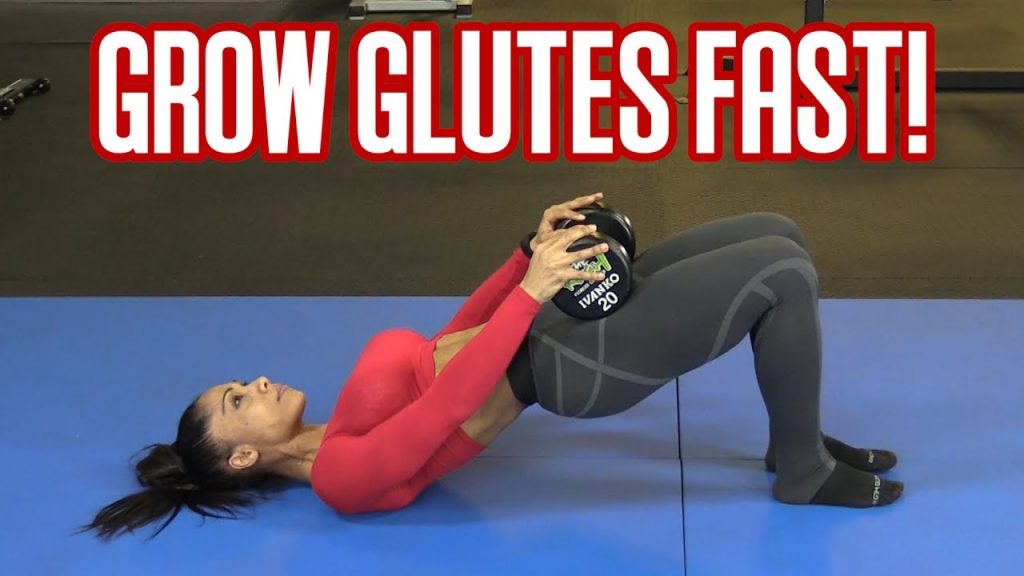
Hip thrusts are famous for targeting the glutes directly. Position your upper back on a bench, feet flat on the ground. Lift your hips upwards, squeezing your glutes at the top. Bridges are a beginner-friendly alternative. Lie on your back, feet flat, and lift your hips. Add weights for increased resistance. Both exercises enhance your glute strength significantly. Are hip thrusts the secret to your glute transformation? Incorporating these exercises into your workout routine can lead to noticeable improvements. Mix and match them to keep your routine fresh and challenging. Pay attention to your form and gradually increase your resistance. With dedication and consistency, you’ll see results. Which exercise will you start with to build your glutes today?Workout Routine Tips
Building muscle in your buttocks is not just about doing countless squats. It’s about having a smart workout routine that targets growth effectively. Whether you’re aiming for a shapely derrière for aesthetic reasons or for improved functionality, it’s essential to know how to structure your workouts. Below are some key tips to ensure your routine is geared towards getting results.
Frequency And Consistency
Consistency is the secret sauce in muscle building. You can’t expect to grow your glutes if you work them sporadically. Aim to train them at least twice a week. This frequency allows muscles to grow while giving them time to rest.
Are you sticking to your schedule? If you find yourself skipping workouts, it may be time to reassess your goals. Keep your workouts regular, and soon you’ll see the results you’ve been dreaming of.
Rest And Recovery
Rest is crucial but often overlooked. Muscle growth happens during recovery, not during the workout. Allow your glute muscles time to repair and rebuild after each session.
It’s tempting to push through soreness, but your muscles need downtime. How do you feel the day after a workout? If you’re overly fatigued, consider spacing your workouts further apart or having active recovery days.
Progressive Overload
To grow stronger and bigger, you’ll need to gradually increase the weight or resistance in your exercises. Progressive overload challenges your muscles, encouraging them to adapt and grow.
Start small, maybe with extra reps or a slight increase in weight. Have you noticed your workouts getting easier? That’s your cue to up the ante. Keep pushing boundaries, but ensure you’re maintaining good form.
Building a routine that incorporates these elements doesn’t just transform your physique, it can boost your confidence. Imagine walking with a bit more pep in your step, knowing you’ve achieved your goals through dedication and smart training. Are you ready to take on the challenge and make those buttocks stronger? The choice is yours.
Incorporating Resistance Bands
Resistance bands have become a popular tool for building muscle, especially in the buttocks. They are versatile, portable, and effective for targeting glute muscles. Adding these bands to your workout routine can enhance muscle growth and improve strength. Let’s explore the benefits and exercises for incorporating resistance bands into your glute workouts.
Benefits Of Resistance Bands
Resistance bands are affordable and easy to use. They provide constant tension during exercises, which helps increase muscle activation. Using bands can improve your form and reduce injury risk. They are suitable for all fitness levels. From beginners to advanced users, everyone can benefit. Bands add variety to your workouts. They can target different muscle groups effectively.
Best Exercises With Bands
First, try the banded glute bridge. Lie on your back with feet flat and knees bent. Place the band above your knees. Lift your hips towards the ceiling. Squeeze your glutes at the top. Lower your hips slowly. Repeat for 10-15 reps.
Next, do banded squats. Stand with feet shoulder-width apart. Place the band above your knees. Squat down, keeping your chest up. Push your knees out against the band. Return to standing. Aim for 10-15 reps.
Finally, the banded lateral walk. Stand with the band around your thighs. Step side to side, keeping tension on the band. Keep your knees slightly bent. Perform 10 steps each way.
Common Mistakes To Avoid
Building muscle in the buttocks often leads to common mistakes. Avoid overworking muscles without proper rest and nutrition. Incorrect exercise form can result in poor outcomes and injury.
Building muscle in your buttocks requires dedication and effort. But many people make mistakes that hinder their progress. Understanding these common errors can help you achieve better results. Focusing on form and recovery can make a big difference.Poor Form And Technique
Using incorrect form leads to muscle strain. It can also cause injuries. Many people rush through exercises, ignoring proper technique. This reduces the effectiveness of the workout. Ensuring good form maximizes your gains. Start by learning the correct way to perform each exercise. Use mirrors or ask a trainer for guidance. Keep your movements controlled and steady. This helps target the right muscle groups. Proper form ensures each exercise benefits your buttocks.Neglecting Recovery
Muscle growth happens during recovery. Skipping rest days slows your progress. Your muscles need time to repair and grow stronger. Overworking them can lead to fatigue and burnout. Plan rest days into your routine. Sleep is also crucial for recovery. Aim for 7-9 hours of sleep each night. Proper nutrition supports muscle repair. Include protein-rich foods in your diet. Hydrate well to keep muscles functioning. Recovery enhances your workout results.Tracking Progress
Building muscle in your buttocks involves regular exercise and proper nutrition. Tracking progress helps you stay motivated and focused. Keep a journal of workouts and diet changes to see improvements over time.
Tracking your progress is crucial when you’re on a mission to build muscle in your buttocks. It’s not just about seeing how far you’ve come, but also about understanding what works and what doesn’t. By keeping track, you can celebrate small wins and make necessary adjustments to your workout routine.Measuring Muscle Growth
To measure muscle growth, use a measuring tape to track changes in your hip and thigh circumference. This provides tangible proof of growth. Consider measuring every two weeks. This frequency allows you to notice gradual changes without getting discouraged by daily fluctuations. Tracking strength improvements is another way to measure progress. As your muscles grow, you’ll find you can lift heavier weights or do more repetitions.Using Photos And Journals
Take photos regularly to document your journey. A picture can reveal progress that a mirror might miss. Use the same lighting and angle for consistency. Weekly photos can show changes that might not be immediately noticeable. Keep a journal of your workouts and diet. Note how you feel after each session and any changes in your strength or endurance. Writing things down helps you spot trends. Are certain exercises more effective? Is your diet supporting your goals? Have you ever felt stuck in your fitness journey? Maybe it’s time to analyze your progress tracking methods. They could be the key to unlocking your potential.
Credit: www.pinterest.com
Supplements For Glute Growth
Building muscle in your buttocks involves more than just exercise. Supplements like protein powders and creatine can support muscle growth. Vitamins and minerals also play a role in enhancing strength and recovery, giving your glutes the boost they need.
Building strong and shapely glutes requires more than just exercise. Supplements can play a crucial role in achieving your desired results. They provide essential nutrients and boost muscle growth. This section will explore two popular supplements known for aiding glute development: protein powders and creatine.Protein Powders
Protein is vital for muscle repair and growth. It helps rebuild muscle fibers after workouts. Protein powders are a convenient source of protein. They come in various types like whey, soy, and plant-based options. Whey protein is popular due to its quick absorption. It contains essential amino acids needed for muscle growth. Soy protein is suitable for those avoiding animal products. It offers a complete protein profile. Plant-based powders like pea or hemp are great alternatives. They provide diverse nutrients beyond just protein. Protein powders can be mixed with water or milk. This makes them easy to consume post-workout. Always check the label for added sugars or fillers. Choose a powder that suits your dietary needs and preferences.Creatine Benefits
Creatine is another effective supplement for muscle growth. It enhances energy production in muscle cells. This leads to better performance during workouts. Creatine increases strength and power. This helps lift heavier weights, boosting muscle growth. It also helps in water retention in muscles. This leads to a fuller and more defined appearance. Creatine is found naturally in foods like meat and fish. However, supplements offer a concentrated dose for optimal results. It’s available in powders and capsules. Regular intake can improve workout intensity. This contributes to faster muscle development. Always follow recommended dosages. Consult a health professional if unsure about usage.Staying Motivated
Building muscle in your buttocks requires consistent motivation and effort. Focus on targeted exercises like squats and lunges. Stay committed by setting clear goals and tracking progress regularly.
Building muscle in your buttocks requires more than just hitting the gym. You need to stay motivated throughout your journey. Motivation can be the difference between achieving your goals and giving up halfway. Whether you’re just starting or you’ve been working out for a while, the right mindset keeps you on track. But how do you maintain enthusiasm when challenges arise? Let’s dive into some practical strategies.Setting Realistic Goals
Setting realistic goals is crucial. It’s easy to aim for a quick transformation, but patience pays off. Think about what you truly want to achieve with your workouts. Would a steady increase in strength satisfy you? Maybe you wish to see a gradual change in muscle size. Write down your goals and visualize them daily. Breaking larger goals into smaller milestones makes them manageable. Celebrate each achievement, no matter how small. This keeps your spirits high and your motivation alive.Finding A Workout Buddy
A workout buddy can be a game-changer. Having someone to exercise with adds accountability. You’re less likely to skip a session when someone else is counting on you. Consider finding a friend or joining a local fitness group. Sharing progress and challenges makes the journey enjoyable. Imagine having someone to cheer for you during a tough squat session. Wouldn’t that boost your energy? Mutual support fosters consistency and creates a fun workout environment. Staying motivated is about finding what works for you. Do you have a strategy that keeps you going?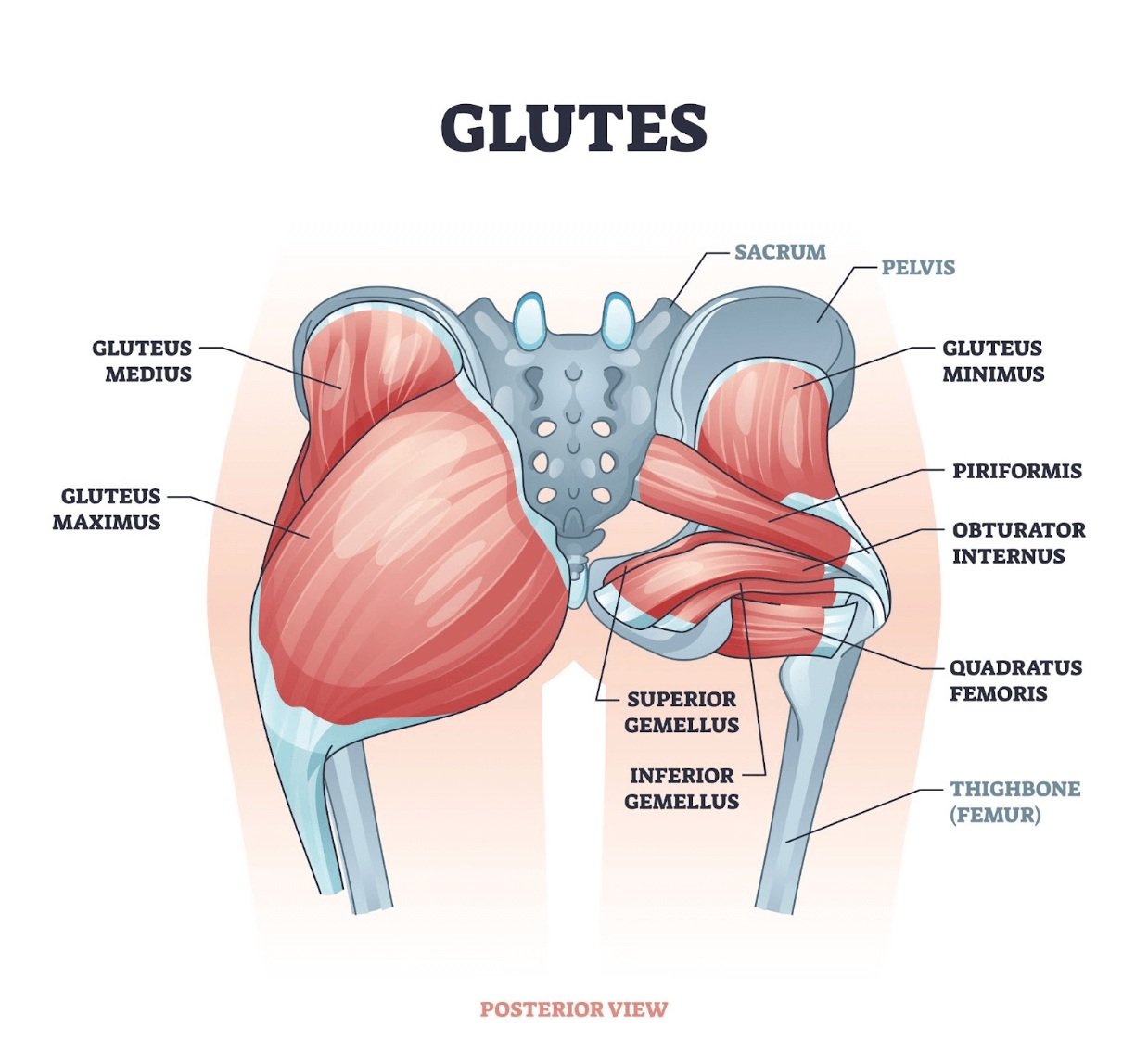
Credit: www.ladies-who-lift.com
Frequently Asked Questions
How To Build Muscle In Buttocks?
To build buttock muscles, perform exercises like squats, lunges, and hip thrusts. Maintain a balanced diet rich in protein. Ensure consistent workouts and gradually increase weights. Stay hydrated and get enough rest for muscle recovery. Consistency is key for effective results.
How Long Does It Take To Build Buttock Muscles?
Building buttock muscles typically takes 6 to 12 weeks. Consistent workouts and proper nutrition accelerate progress. Include exercises like squats, lunges, and deadlifts. Ensure rest and recovery for optimal results.
Why Am I Losing Muscle Mass In My Buttock?
You might be losing muscle mass in your buttock due to lack of exercise, poor diet, or aging. Hormonal changes, especially decreased estrogen or testosterone, can also contribute. Ensure a balanced diet and incorporate strength training exercises targeting glutes to maintain muscle mass.
How To Increase Buttocks Size Fast?
Exercise regularly with squats, lunges, and deadlifts to target glute muscles. Consume a balanced diet rich in protein. Stay hydrated and ensure proper sleep for muscle recovery. Consider consulting a fitness expert for a personalized plan. Avoid quick-fix products and prioritize natural growth methods.
Conclusion
Building muscle in your buttocks takes time and effort. Consistent workouts play a key role. Squats and lunges are effective exercises. Ensure your diet supports muscle growth. Protein-rich foods help repair and build muscles. Stay hydrated for better performance and recovery.
Rest days are crucial for muscle repair. Listen to your body and avoid overtraining. With patience and dedication, results will come. Remember, everyone’s journey is unique. Stick with it and see progress over time. Healthy habits make a big difference.
Celebrate small victories along the way. Keep going, and you’ll achieve your goals.








