Affiliate Disclosure: This post may contain affiliate links. If you purchase through links on our site, we may earn an affiliate commission at no extra cost to you.
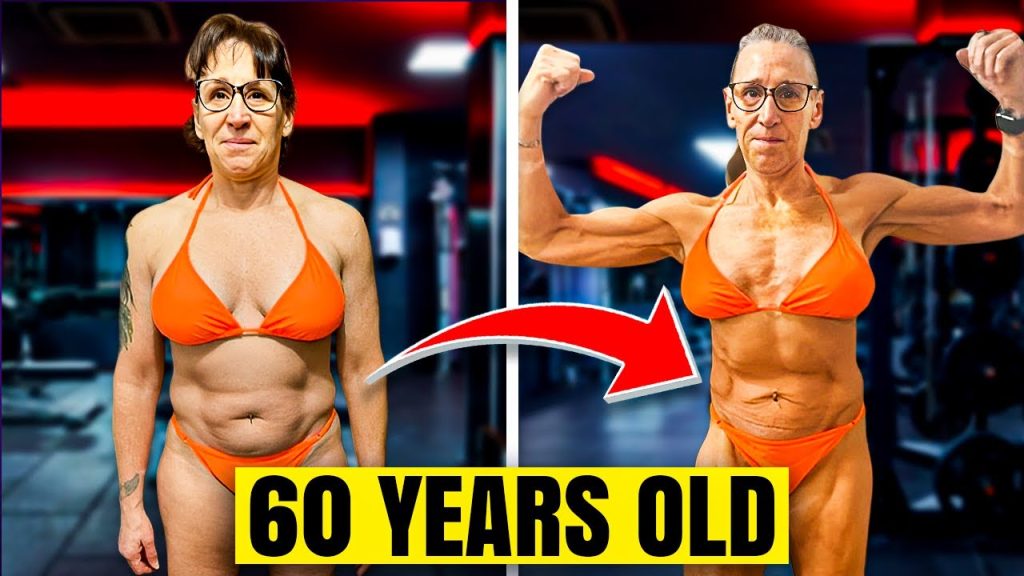
Are you a woman over 60 who wants to build muscle and feel stronger than ever? You’re not alone, and yes, it’s absolutely possible!
As we age, maintaining muscle mass becomes crucial for overall health, balance, and vitality. But where do you start? And how can you overcome the challenges that come with age? This guide is tailored just for you, offering simple, actionable steps to help you achieve your fitness goals.
Whether you’re a fitness newbie or someone looking to refresh your routine, we’ve got strategies that fit your lifestyle. Keep reading to discover how you can transform your body, boost your confidence, and enjoy the countless benefits of building muscle after 60.
The Importance Of Strength Training
Strength training is vital for women over 60 aiming to build muscle. It enhances strength, boosts metabolism, and improves bone health. Regular workouts help maintain independence and overall well-being.
As you cross the threshold of 60, strength training becomes a vital part of staying healthy and vibrant. It’s not just about lifting weights or hitting the gym. It’s about empowering your body, boosting your confidence, and embracing a new chapter of life with vigor.
Benefits For Women Over 60
Strength training offers numerous benefits specifically for women over 60. It helps in building muscle mass, which naturally decreases as you age. This boost in muscle mass not only improves your physical strength but also enhances your metabolism, making it easier to maintain a healthy weight. Moreover, strength training improves bone density, reducing the risk of osteoporosis and fractures. A friend of mine, who started strength training at 62, found that her balance and coordination improved significantly. She felt more confident walking on uneven surfaces and even took up hiking again.
Role In Healthy Aging
Strength training is a powerful tool in promoting healthy aging. It supports joint health, enhances flexibility, and reduces the risk of chronic diseases such as diabetes and heart disease. By engaging in regular strength training, you’re investing in your long-term health and well-being. Consider the social aspect too. Joining a local strength training class can introduce you to like-minded individuals, fostering new friendships and a supportive community. This social interaction can be just as beneficial as the physical gains, contributing to your overall happiness. Are you ready to embrace strength training as a part of your routine? What small changes can you make today to prioritize your health and well-being? Remember, it’s never too late to start.
Nutrition For Muscle Growth
Building muscle after 60 might seem challenging, but it’s completely doable with the right nutrition plan. As you age, your body requires specific nutrients to support muscle growth and recovery. By focusing on a balanced diet, you can maximize your muscle-building potential and enhance your overall health. Let’s dive into the essential nutrients, protein-rich foods, and hydration tips that will help you achieve your fitness goals.
Essential Nutrients
Understanding what your body needs is crucial for muscle growth. Vitamins and minerals play a significant role in maintaining muscle health.
Calcium and Vitamin D strengthen bones, which support muscle function. Magnesium aids in muscle recovery and reduces cramps.
Omega-3 fatty acids, found in fish, improve muscle protein synthesis. Are you including these nutrients in your meals?
Protein-rich Foods
Protein is the foundation for muscle growth. It repairs and builds new muscle tissue. Aim for diverse protein sources.
Lean meats like chicken and turkey are excellent options. They’re low in fat and high in protein.
Plant-based choices, such as lentils and quinoa, are packed with protein and fiber. Could they be your new go-to meals?
Hydration Tips
Water is essential for muscle function and recovery. It helps transport nutrients to your muscles.
Drink a glass of water first thing in the morning. It jumpstarts your metabolism and hydrates your body.
Consider adding electrolytes to your water. They help replenish the minerals lost during workouts. How often do you think about your hydration levels?
Nutrition plays a pivotal role in building muscle after 60. By focusing on essential nutrients, protein-rich foods, and maintaining proper hydration, you can enhance your muscle growth journey. Start making these changes today and notice the difference in your strength and vitality!
Effective Exercise Routines
Building muscle after 60 can be a rewarding journey, especially for women who want to maintain strength and vitality. Effective exercise routines are key to achieving these goals. Whether you’re a seasoned fitness enthusiast or just starting out, understanding the basics of resistance training, incorporating cardio, and emphasizing flexibility and balance can transform your workout experience. Let’s break it down so you can find what works best for you.
Resistance Training Basics
Resistance training is a cornerstone for muscle building. It involves exercises that strengthen muscles by using weights or resistance bands. You might start with light weights and gradually increase as your strength builds. Aim for two to three sessions a week. Try exercises like squats, lunges, or bicep curls. Can you imagine lifting a grocery bag with ease? That’s the power of resistance training. Remember, consistency is key.
Incorporating Cardio
Cardio is essential for heart health and stamina. Walking, swimming, or cycling can be great options. These activities not only boost your cardiovascular health but also aid in weight management. Try adding 20-30 minutes of cardio to your routine, three to five times a week. Think of how energized you’ll feel after a brisk walk in the park or a leisurely swim. How often do you move your body? Let’s get that heart pumping.
Flexibility And Balance
As we age, flexibility and balance become crucial. Yoga or Pilates are excellent choices for improving these areas. They help prevent injuries and improve posture. Consider adding stretching exercises to your daily routine. Do you often find yourself avoiding certain movements? Enhancing flexibility can change that. Balance exercises like standing on one foot or heel-to-toe walking can be fun and effective. Why not try a yoga class? It might surprise you.
Embracing a variety of exercises can lead to a healthier, stronger you. Which routine will you start with today?
Adapting To Physical Limitations
Building muscle after 60 for women involves adapting workouts to suit physical abilities. Focus on resistance exercises to enhance strength and improve balance. Consistent effort and proper nutrition play vital roles in achieving muscle growth safely.
Building muscle after 60, especially for women, requires a tailored approach that acknowledges the body’s unique needs and limitations. As you age, certain physical constraints may arise, but that doesn’t mean your fitness journey has to halt. Instead, it’s an opportunity to adapt and find ways to grow stronger while respecting your body’s capabilities. The key is to adjust your routine to suit your current situation, ensuring you continue to build muscle effectively and safely.
Modifying Exercises
Consider how your body feels during different movements. You might notice some exercises feel more challenging or even uncomfortable. It’s important to modify these exercises to suit your current abilities. For example, instead of full squats, try partial squats or use a chair for support. This reduces strain on the knees while still engaging the leg muscles. Listen to your body and adjust the intensity and range of your workouts accordingly. This approach helps prevent injury and promotes gradual strength building.
Using Assistive Devices
Assistive devices can be your best friends in maintaining a robust fitness routine. They help you perform exercises that might otherwise be difficult due to joint pain or balance issues. Resistance bands are great for adding muscle tension without heavy weights. They allow for controlled movements, reducing the risk of injury. Balance aids, like stability balls, can support exercises that require coordination. They enhance stability while engaging core muscles. Have you considered how these tools might enhance your workouts and minimize discomfort? Embracing assistive devices empowers you to maintain an active lifestyle and achieve your muscle-building goals. Adapting to physical limitations doesn’t mean giving up; it means finding new ways to thrive. How will you adjust your routine to build muscle effectively?
Mindset And Motivation
Building muscle after 60 is challenging yet rewarding for women. A positive mindset and strong motivation are essential for success. These elements guide your journey and boost your confidence.
Setting Realistic Goals
Start with achievable goals. Understand your body’s limits and abilities. Focus on gradual progress. Celebrate small victories to maintain motivation. Adapt goals as your strength improves.
Building A Support System
Surround yourself with supportive friends and family. They will encourage your efforts. Join groups or classes with similar goals. Shared experiences create motivation and accountability. Consider working with a coach for personalized guidance.
Credit: followphyllis.com
Tracking Progress
Building muscle after 60 is possible with consistent tracking of progress. Keep a journal of workouts and diet changes. Regular monitoring helps adjust plans and celebrate achievements, boosting motivation.
Tracking your progress is crucial for building muscle, especially after 60. It helps you stay motivated and adjust your strategies effectively. Knowing where you stand can make the difference between success and stagnation. As you embark on this muscle-building journey, keeping an eye on your progress gives you a clear roadmap.
Monitoring Strength Gains
Start by keeping a simple log. This could be a journal or a digital app. Note down the weights you lift, the sets, and the reps. Each week, review your progress. Are you lifting more weight or doing more reps? Celebrate these wins, no matter how small. They are proof of your growth. A friend of mine, Carol, swears by this method. She started with 5-pound dumbbells and gradually moved to 15-pound weights. Her log was her source of motivation. What about you? How will you track your gains?
Adjusting The Plan
Progress not happening as expected? It might be time to tweak your plan. Listen to your body. If you’re too tired or not seeing results, something needs to change. Maybe it’s time to increase the weight or change the exercises. Your muscles adapt over time, so challenge them in new ways. Consider consulting a trainer if you’re unsure about adjustments. They can provide valuable insights and keep you on track. Remember, it’s not about doing more but doing what works for you. Tracking progress is not just about numbers. It’s about understanding your body and making informed decisions. What’s your next step in this journey?
Common Challenges And Solutions
Building muscle after 60 for women involves overcoming challenges like slower metabolism and joint issues. Focus on strength training and balanced nutrition to enhance muscle growth. Regular exercise and adequate protein intake can help maintain muscle mass and improve overall health.
Building muscle after 60 can be a rewarding journey, especially for women who face unique challenges. It’s not just about lifting weights; it’s about overcoming obstacles and finding creative solutions. Whether you’re just starting or have been working out for years, understanding these common challenges and how to tackle them can make all the difference in your muscle-building journey.
Overcoming Plateaus
Hitting a plateau can be frustrating, but it’s a common part of muscle building. Your body gets used to the routine, and progress may stall. One solution is to switch up your exercises. Try incorporating resistance bands or different weightlifting techniques. Another trick is to adjust the number of sets and reps. If you usually do three sets of ten, try four sets of eight. This simple change can reignite your progress. Listening to your body is crucial. Sometimes, a plateau means your muscles need rest. Ensure you’re getting enough sleep and consider taking a recovery week. Have you noticed how a fresh perspective can often lead to breakthroughs in other areas of life? The same goes for your fitness routine.
Dealing With Injuries
Injuries can be a setback, but they don’t have to derail your progress. Focus on what you can do rather than what you can’t. If an injury prevents you from lifting heavy weights, try low-impact exercises like swimming or yoga. Physical therapy can be a great ally. A therapist can guide you on exercises that strengthen without straining. Don’t hesitate to seek professional advice to tailor your workout to your body’s needs. Remember, patience is key. Pushing through pain often leads to further injury. Instead, allow your body to heal and gradually reintroduce challenging exercises. Ask yourself: is it worth risking long-term health for short-term gains? Prioritizing smart recovery ensures you’ll be back stronger than ever.
Frequently Asked Questions
How Long Does It Take To Build Muscle For A Woman Over 60?
Building muscle for a woman over 60 can take 8-12 weeks with consistent strength training and proper nutrition. Progress varies based on individual health, fitness level, and dedication. Consulting a fitness expert can optimize results.
Can A 60 Year Old Woman Transform Her Body?
Yes, a 60-year-old woman can transform her body. Regular exercise, a balanced diet, and strength training help build muscle, improve flexibility, and boost energy levels. Consult a healthcare professional before starting any new fitness program to ensure safety and effectiveness.
Stay consistent for long-lasting results.
How To Regain Muscle Mass After A 60 Woman?
To regain muscle mass after 60, focus on strength training exercises like weightlifting. Incorporate protein-rich foods, such as lean meats and legumes, into your diet. Stay consistent with workouts and ensure adequate rest. Consider consulting a fitness trainer or nutritionist for personalized guidance.
Stay hydrated and maintain a positive mindset.
What Is The Best Exercise Routine For A 60 Year Old Woman?
A balanced exercise routine for a 60-year-old woman includes walking, strength training, stretching, and balance exercises. Aim for 150 minutes of moderate aerobic activity weekly. Include strength exercises twice a week to maintain muscle mass. Yoga or Tai Chi can enhance flexibility and balance.
Always consult with a healthcare provider before starting.
Conclusion
Building muscle after 60 is possible and rewarding. Stay consistent. Focus on strength training and balanced nutrition. Listen to your body’s needs. Rest is as important as exercise. Gradual progress prevents injury and boosts confidence. Celebrate small victories. Stay motivated by setting realistic goals.
Seek guidance if needed. Embrace the journey to better health and vitality. Age is just a number; strong muscles support active living. Keep moving forward with determination. Your future self will thank you.








