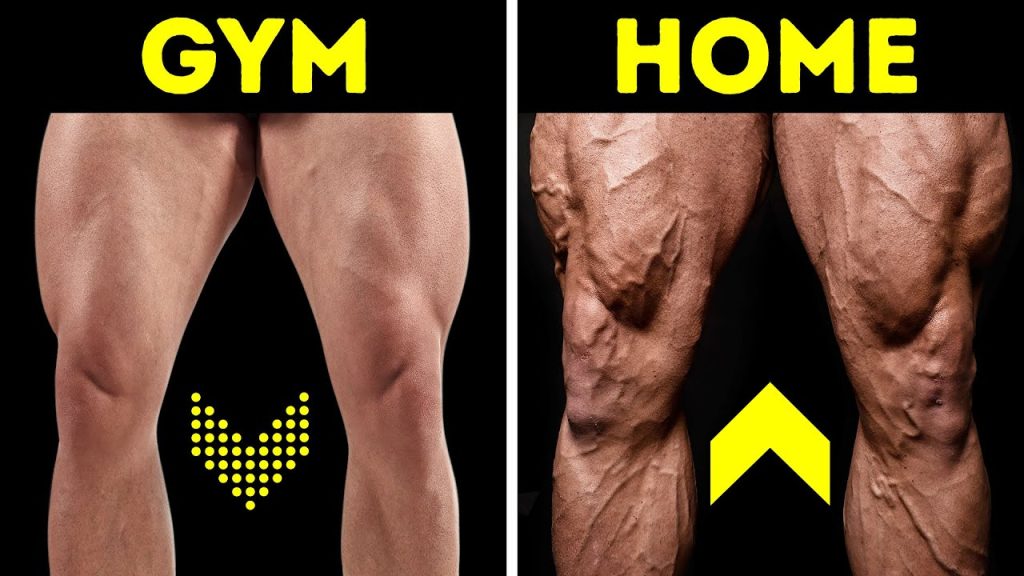
Are you tired of feeling like you’re not making any progress with your leg workouts? Do you want to build strong, toned legs but can’t always make it to the gym?
You’re not alone. Many people dream of stronger legs but struggle with busy schedules or limited access to fitness facilities. The good news is that you can achieve impressive leg muscles right from the comfort of your home. Imagine feeling the power in your legs as you walk, run, or even climb stairs with ease.
In this guide, we’ll explore simple yet effective exercises that will transform your legs and boost your confidence. Get ready to discover the secrets to building leg muscle without stepping foot outside your door. Let’s dive in and make your leg day a game-changer!

Credit: in.pinterest.com
Benefits Of Building Leg Muscle
Building leg muscle at home offers numerous benefits for your health. Strong legs improve mobility, support overall strength, and enhance your balance. They also play a key role in boosting your metabolism. This means you burn more calories even while resting. Let’s explore the benefits in more detail.
Improved Mobility And Flexibility
Strong leg muscles enhance your body’s movement. You find daily activities easier to perform. Walking, running, and climbing stairs become less tiring. Flexibility in your legs helps prevent injuries. Stretching exercises improve joint health and muscle elasticity.
Enhanced Balance And Stability
Leg muscles support your body’s balance. They keep you steady on uneven surfaces. Strong legs reduce the risk of falls. Stability is crucial for sports and other physical activities. It also helps in maintaining good posture.
Boosted Metabolism
Muscles burn more calories than fat. Building leg muscle increases your resting metabolic rate. This helps in weight management. Even when inactive, your body burns calories. Strong legs contribute to a leaner, healthier body.
Better Athletic Performance
Leg strength is vital for athletes. It improves speed, endurance, and power. Strong legs help in jumping higher and running faster. They also aid in quick direction changes. Performance in sports becomes more effective and efficient.
Support For Overall Body Strength
Leg muscles are the body’s foundation. They support other muscle groups. Strong legs make lifting and carrying easier. They help in performing upper body exercises. Overall strength and fitness improve with strong legs.
Essential Equipment For Home Workouts
Building leg muscle at home can be incredibly rewarding. No gym membership, no commute, just a dedicated space where you can focus on your fitness goals. Essential equipment can make your workouts more effective and enjoyable. With the right tools, you can perform a variety of exercises to target different muscles in your legs. Let’s dive into some of the key equipment that can transform your home workouts.
Bodyweight Exercises
Bodyweight exercises are a great way to start. They require no equipment and can be done anywhere. Think squats, lunges, and calf raises. These movements use your own weight to build strength. Have you tried a single-leg squat? It’s challenging and perfect for working those leg muscles. Bodyweight exercises are versatile and can be adapted to any fitness level. As you progress, add variations to keep pushing your limits.
Resistance Bands
Resistance bands are compact and affordable. They add resistance to your workouts, enhancing muscle growth. You can use them for lateral band walks or leg presses. They come in different strengths, allowing you to increase the intensity as you gain strength. Ever tried a banded squat? It’s a game-changer for activating your glutes and quads. Plus, they’re perfect for travel. You can take your workout anywhere.
Dumbbells And Kettlebells
Dumbbells and kettlebells offer variety and challenge. They’re excellent for exercises like goblet squats or weighted lunges. These tools help you perform compound movements that target multiple muscle groups. Have you ever felt the burn of a kettlebell swing? It’s intense and effective for building leg power. Adjust the weight to match your fitness level and gradually increase as you grow stronger. They’re an investment in your fitness journey.
Whether you’re using bodyweight, bands, or weights, each piece of equipment adds a unique element to your workouts. Do you have a favorite? Mixing them up can keep your routine fresh and exciting. With dedication and the right tools, your home gym can rival any commercial space. So, what’s stopping you from getting started?
Effective Leg Exercises
Building leg muscles at home is both convenient and effective. You don’t need fancy equipment to get strong, toned legs. With the right exercises, you can achieve impressive results. Let’s explore some key exercises that target different leg muscles.
Squats And Variations
Squats are a powerful exercise for leg strength. They target the quadriceps, hamstrings, and glutes. Start with basic squats, keeping your back straight and feet shoulder-width apart. Try variations like sumo squats and split squats. These variations engage different muscles, adding variety and challenge.
Lunges For Strength
Lunges are excellent for building leg strength. They work the quadriceps, hamstrings, and calves. Step forward with one leg, keeping the knee over the ankle. Switch legs and repeat. Experiment with reverse lunges and side lunges. Each type targets different muscles, enhancing overall leg strength.
Calf Raises For Definition
Calf raises are perfect for defining the calves. Stand with feet hip-width apart and rise onto your toes. Hold the position briefly and lower your heels. For more challenge, try single-leg calf raises. This variation increases balance and definition.
Step-ups For Balance
Step-ups improve balance and leg strength. Use a sturdy platform or step. Place one foot on the step and lift your body up. Alternate legs and repeat. Incorporate higher steps to increase difficulty. Step-ups enhance coordination, making them a versatile exercise for leg development.

Credit: maplebear.bg
Creating A Home Workout Routine
Building leg muscle at home is easy with simple exercises. Squats and lunges boost strength and endurance effectively. Consistency and correct form ensure progress and prevent injury.
Creating a home workout routine can transform your leg muscles. No need for a gym membership. Just dedication and the right plan. With some simple exercises, you can enhance your leg strength. Let’s explore how you can effectively build leg muscles at home.Frequency And Duration
Consistency is key for muscle growth. Aim for three to four workouts a week. Ensure each session lasts 30 to 45 minutes. This frequency allows muscles to recover while growing stronger. Rest days are crucial. They prevent overtraining and injuries. Listen to your body and adjust as needed.Combining Exercises
Mix different exercises for balanced muscle development. Include squats, lunges, and calf raises. These target various leg muscles. Try adding step-ups and bridges for variety. Combining exercises engages multiple muscle groups. This method enhances strength and endurance. Always focus on proper form. It prevents injuries and maximizes results.Progression Tips
Start with bodyweight exercises if you’re new. Gradually increase difficulty for progress. Add weights or resistance bands for more challenge. Increase repetitions or sets over time. Track your progress and adjust your routine. Listen to your body and make changes as needed. Celebrate small victories to stay motivated.Nutrition For Muscle Growth
Building leg muscle at home requires a balanced diet. Protein-rich foods like chicken and beans support muscle repair and growth. Include carbohydrates like oats and rice for energy during workouts.
Building leg muscle at home is not just about the exercises you choose; it’s also about the nutrition that fuels your body. Proper nutrition plays a critical role in muscle growth and recovery. Without the right nutrients, your muscles won’t get the fuel they need to grow stronger. Let’s dive into the key nutritional components you need to consider for effective muscle building.Protein Intake
Muscles need protein to grow and repair. Aim to include a source of protein in every meal. Lean meats like chicken or turkey, fish, and plant-based options such as beans and lentils are great choices. How much protein do you need? A good rule of thumb is 0.8 to 1 gram of protein per pound of body weight. So, if you weigh 150 pounds, you’re looking at around 120 to 150 grams of protein daily. Don’t forget about protein-rich snacks. Greek yogurt, cottage cheese, and protein shakes can boost your intake between meals. Have you ever noticed how much better your workout feels after a protein-rich meal?Carbohydrates And Energy
Carbs are your body’s main source of energy. They fuel your workouts and help with recovery. Complex carbohydrates like whole grains, oatmeal, and sweet potatoes are excellent choices. Ever tried working out on an empty stomach? It’s tough. That’s because your body needs carbs to perform at its best. Eating a balanced meal with carbs a few hours before your workout can make a big difference. Include a variety of fruits and vegetables to get a mix of vitamins and minerals. These can aid in muscle recovery and overall health.Hydration Importance
Water is often overlooked but is crucial for muscle growth. Staying hydrated helps your muscles work more efficiently and recover faster. Aim to drink at least 8 cups of water a day. During intense workouts, you lose water through sweat, which can affect your performance. Keep a water bottle handy and sip throughout your exercise routine. Have you ever felt fatigued halfway through a workout? It might be due to dehydration. Consistently hydrating can keep your energy levels stable and improve your focus. Remember, nutrition is a powerful tool in your muscle-building journey. Make these dietary adjustments and notice the difference in your strength and performance. What changes will you make to your nutrition plan today?
Credit: www.maplebear.bg
Avoiding Common Mistakes
Building leg muscle at home is effective and convenient. But, many fall into common traps. These mistakes can hinder progress and cause injuries. Understanding these errors helps maximize results. Avoiding them ensures a safe and productive workout routine.
Overtraining Risks
Overtraining happens when you exercise too much without rest. It can lead to fatigue, injuries, and burnout. You may feel tired and lose motivation. Listen to your body. Rest is crucial for muscle growth. Schedule rest days to let muscles recover and grow stronger.
Ignoring Form And Technique
Proper form and technique are essential in exercises. Incorrect form can cause strains and sprains. Always focus on quality over quantity. Use mirrors or record yourself to check your posture. Start with basic exercises and master them. Progressing too fast can lead to mistakes.
Neglecting Rest And Recovery
Rest and recovery are as important as the workout itself. Muscles need time to repair and strengthen. Lack of rest can lead to overuse injuries. Ensure you get enough sleep and hydration. Stretching and foam rolling can aid in muscle recovery. Taking care of your body leads to better results.
Tracking Progress And Adjustments
Building leg muscle at home requires consistent tracking of progress and making necessary adjustments. Keep a log of your workouts to identify areas of improvement. Adjust exercises regularly to challenge your muscles and ensure steady growth.
Tracking your progress is key to building leg muscle at home. It helps you see how far you’ve come. It also guides your next steps. Adjustments are vital to keep growing stronger. They ensure your workouts remain effective. This section will guide you on how to measure, adapt, and set new goals.Measuring Gains
Use a tape measure to track your leg size. Measure your thighs and calves once a week. Write down the numbers. This helps you see changes over time. Keep a workout log. Record the exercises you do and the weights you use. Note any improvements or challenges. Photos are useful too. Take pictures every month. Compare them to see your progress.Adapting Workouts
Change your workout routine every few weeks. Your body gets used to the same exercises. Mix it up with new moves. Increase the weights you use. Add more repetitions or sets. Try different exercises like lunges or squats. Rest is important too. Ensure you have enough recovery time. Listen to your body. If you feel pain, adjust your workout.Setting New Goals
Set clear, achievable goals. Aim to increase your squat weight by a few pounds. Decide to do one more set of lunges. Write down your goals. Review them often. Celebrate small victories. They motivate you to keep going. Stay focused on long-term progress. Keep challenging yourself. Your goals will evolve as you grow stronger.Frequently Asked Questions
Is It Possible To Build Leg Muscles At Home?
Yes, you can build leg muscles at home. Use exercises like squats, lunges, and calf raises. Incorporate resistance bands or weights for added challenge. Consistent workouts and proper nutrition are crucial. Progress gradually to avoid injury. Enjoy the convenience of home workouts and watch your leg muscles grow stronger.
What Builds Leg Muscles The Fastest?
Intense compound exercises build leg muscles fastest. Focus on squats, lunges, and deadlifts for maximum growth. Increase weight progressively and maintain proper form. Incorporate rest days to allow muscle recovery and growth. Ensure a balanced diet rich in protein to support muscle development.
What Is The Easiest Leg Muscle To Build?
The quadriceps are generally the easiest leg muscles to build. They respond well to exercises like squats and lunges. Consistent training and proper nutrition can significantly enhance muscle growth in this area. Focus on progressive overload to see noticeable improvements in strength and size.
How To Get Thick Legs At Home?
Perform squats, lunges, and calf raises regularly for thicker legs at home. Incorporate resistance bands and weights to enhance muscle growth. Ensure a protein-rich diet and stay consistent with workouts for best results.
Conclusion
Building leg muscles at home is achievable with commitment and effort. Start with simple exercises. Squats, lunges, and calf raises work wonders. Gradually increase intensity to challenge your muscles. Consistency is key to seeing results. Don’t forget proper form to avoid injuries.
Mix up routines to keep it interesting. Listen to your body and rest when needed. Nutrition also plays a vital role in muscle growth. Stay hydrated and eat balanced meals. Enjoy the journey of getting stronger legs. With patience and persistence, you’ll see progress.
Stay motivated and keep pushing forward. Your home workout success is within reach.








