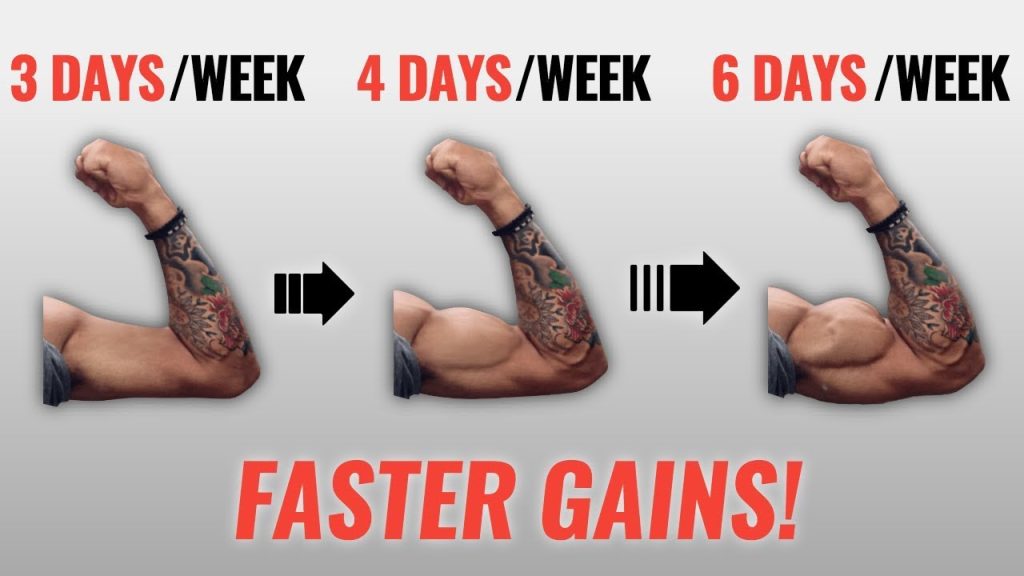
Ever wondered how often you should hit the gym to see those muscles grow? You’re not alone.
Finding the perfect workout routine can feel like solving a puzzle. Too little exercise might leave you disappointed, while too much could lead to burnout or injury. So, how do you strike the right balance? The answer isn’t just in the number of days you work out but also in how you train.
Imagine unlocking the secret formula for muscle growth, tailored specifically to your body and lifestyle. You deserve a plan that not only fits into your schedule but also turbocharges your progress. As you read on, you’ll discover insights that cut through the noise, helping you maximize your efforts and see real results. Don’t leave your muscle-building journey to chance—find out what truly works for you.

Credit: uppper.com
Workout Frequency For Muscle Growth
Building muscle requires a well-thought-out workout plan. A key part of this plan is knowing how often to train. Your muscles need regular stimulation to grow. But they also need time to recover. Balancing these needs is essential for effective muscle growth.
Factors Affecting Frequency
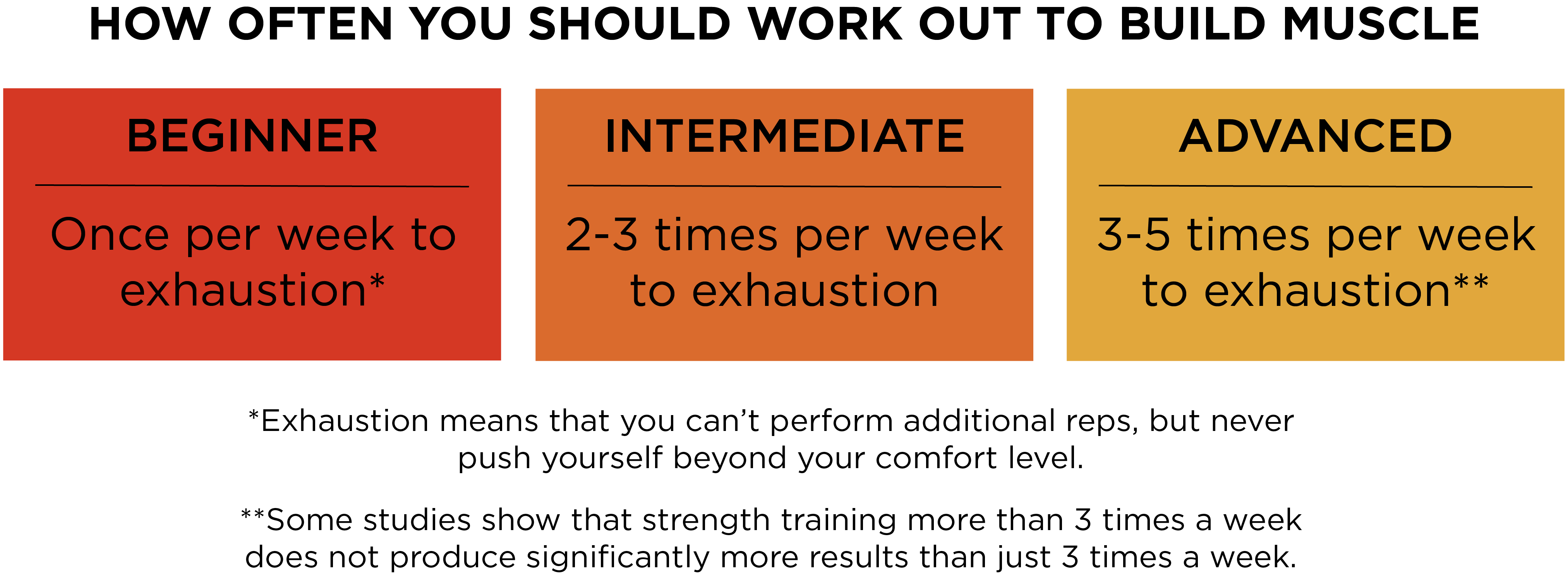
Several factors influence how often you should work out. Your fitness level plays a big role. Beginners might start with three sessions a week. More experienced lifters could handle five or six. Your goals also matter. For bigger gains, more frequent workouts are necessary. Another factor is the type of exercises you do. Compound exercises demand more recovery time. Isolation exercises might require less. Age can also affect your workout frequency. Older adults may need more rest days.
Balancing Rest And Exercise
Rest is crucial for muscle repair and growth. Overworking muscles can lead to injuries. Schedule rest days to allow recovery. A common approach is the split routine. Train different muscle groups on different days. This allows some muscles to rest while others work. Listen to your body. Fatigue or soreness might mean you need more rest. Proper rest improves performance and results. It helps prevent burnout and keeps you motivated.
Types Of Workouts For Muscle Building
Building muscle requires the right workouts tailored to your fitness goals. Different types of workouts focus on strength, intensity, and exercise variety. Understanding these can help you choose the best routine for muscle growth. Let’s explore some effective workout types for muscle building.
Strength Training Essentials
Strength training is key for muscle growth. It involves lifting weights to challenge your muscles. This workout increases muscle mass and strength. Start with free weights, like dumbbells or barbells. Gradually increase weight for better results. Ensure proper form to avoid injury.
High-intensity Interval Training
High-Intensity Interval Training (HIIT) boosts muscle and burns fat. It alternates short bursts of intense exercise with rest periods. HIIT sessions are quick and effective. They improve endurance and muscle tone. Include exercises like burpees or kettlebell swings. Keep the intensity high for maximum benefit.
Importance Of Compound Exercises
Compound exercises engage multiple muscle groups at once. They are efficient and effective for muscle building. Squats, deadlifts, and bench presses are popular choices. These exercises enhance strength and coordination. They also improve overall fitness. Incorporate compound exercises into your routine for balanced muscle growth.
Optimizing Workout Sessions
Optimizing workout sessions is key to building muscle effectively. Finding the right balance between duration and intensity ensures progress without overtraining. This approach helps in maximizing gains while keeping workouts efficient.
Duration And Intensity
Workout sessions should last 45 to 60 minutes. Shorter workouts can be effective if intensity is high. Longer sessions may lead to fatigue, reducing effectiveness. Focus on quality rather than quantity. A well-structured routine boosts muscle growth and keeps energy levels balanced.
Progressive Overload Principles
Progressive overload is essential for muscle growth. Gradually increase weight or resistance over time. Adjust repetitions or sets to challenge muscles consistently. This method ensures continuous improvement and prevents plateaus. Monitor your body’s response to changes, ensuring safe and effective progress.
Credit: www.chicagoathleticclubs.com
Nutrition And Recovery
Building muscle requires more than just lifting weights. Nutrition and recovery play crucial roles in muscle development. Proper nutrition fuels your body. Recovery allows your muscles to heal and grow stronger. Balancing both elements enhances your workout results.
Role Of Protein In Muscle Growth
Protein is essential for muscle growth. It helps repair muscle fibers after a workout. Consuming protein-rich foods supports muscle recovery. Aim for a balanced intake throughout the day. Eggs, chicken, and beans are great sources of protein.
Hydration And Muscle Performance
Staying hydrated boosts muscle performance. Water helps transport nutrients to muscles. It also flushes out toxins from your body. Dehydration can lead to muscle cramps and fatigue. Drink plenty of water before, during, and after workouts.
Importance Of Sleep And Recovery
Sleep is vital for muscle recovery. During sleep, your body repairs damaged tissues. Restful sleep improves overall performance. Aim for seven to nine hours of sleep each night. Quality sleep supports your muscle-building goals.
Common Mistakes To Avoid
Building muscle requires dedication, but it’s easy to fall into traps that can hinder your progress. Understanding common mistakes helps you navigate your fitness journey effectively. Whether you’re new to working out or a seasoned athlete, avoiding these pitfalls ensures you make the most of your efforts.
Overtraining Risks
It’s tempting to think that working out more equals better results. You might believe that hitting the gym every day will fast-track your muscle growth. But overtraining can lead to fatigue and injury, ultimately slowing down your progress.
Consider my friend, who was so eager to bulk up that he trained relentlessly without rest days. He ended up with a shoulder injury that took months to heal. Remember, your muscles need time to repair and grow after workouts.
Ask yourself: Are you giving your body enough time to recover? Aim for a balanced routine that includes rest days to optimize muscle growth.
Neglecting Form And Technique
Proper form is crucial, yet many overlook it in the rush to lift heavier weights. You might focus on quantity over quality, risking muscle strain and inefficient workouts.
I’ve seen gym-goers swinging weights haphazardly, compromising their posture. This not only reduces the effectiveness of exercises but can cause injuries. Prioritize learning the correct form before increasing weight.
Think about the last time you worked out: Were you mindful of your technique, or were you just trying to finish the set? Investing time in mastering form pays off with better results and fewer injuries.
Building muscle is a journey. By avoiding these common mistakes, you pave a smoother path to your fitness goals. Are you ready to refine your approach and achieve the gains you desire?

Credit: in.pinterest.com
Tracking Progress And Adjustments
Tracking progress and making adjustments are key to muscle building. They ensure your workout plan remains effective and aligned with your goals. Regularly assessing your progress allows you to see what’s working. It helps pinpoint areas needing improvement. This practice prevents plateaus and keeps your muscle growth on track.
Setting Realistic Goals
Setting realistic goals is crucial for tracking progress. Goals provide direction and motivation. Begin with small, achievable milestones. These build confidence and create a sense of achievement. Align your goals with your current fitness level. This ensures steady progress without overexertion.
Reassess your goals every few weeks. Are you meeting them? If not, consider why. Adjust your plan as needed to stay on course. Realistic goals make tracking progress enjoyable and rewarding.
Adjusting Workout Plans
Workout plans should evolve with your progress. As you build strength, your body adapts. This means your initial plan might need changes. Increase the intensity or add new exercises for continued growth. Track your performance in each session. Note any exercises that feel too easy.
Adjust your plan to keep challenging your muscles. A varied routine prevents boredom and promotes consistent gains. Listen to your body. It tells you when to push harder or rest. Regular adjustments ensure your workouts remain effective and enjoyable.
Frequently Asked Questions
How Many Times A Week Should I Workout To Gain Muscle?
Aim to workout 3-5 times a week for muscle gain. Focus on strength training exercises. Allow rest days for recovery and growth. Consistency and nutrition are crucial for effective results. Adjust frequency based on personal goals and fitness levels.
What Is The 2 2 2 Rule In The Gym?
The 2 2 2 rule in the gym suggests increasing weight after performing two extra reps for two consecutive workouts. It helps in progressive overload, ensuring steady muscle growth and strength improvement. This method prevents stagnation and promotes consistent fitness advancement.
Is It Okay To Workout Every Day To Build Muscle?
Working out daily can build muscle if you manage intensity and allow recovery. Balance is crucial. Rest days help muscles repair and grow. Incorporate diverse workouts to prevent overtraining. Listening to your body ensures progress and prevents injury. Consult a fitness professional for a tailored plan.
What Is The 6 12 25 Rule?
The 6 12 25 rule suggests writing 6-word headlines, 12-word summaries, and 25-word paragraphs for clear communication. It helps maintain reader interest and ensures concise content delivery, making text easily digestible. This rule enhances readability and engagement, optimizing content for SEO and user experience.
Conclusion
Finding the right workout routine is key to building muscle. Consistency matters. Aim to exercise at least three to five times weekly. Focus on the right mix of strength and recovery. Listen to your body. Rest is as important as working out.
Adapt your routine based on progress. Stay patient and committed. Results take time. Celebrate small victories along the way. Keep learning and adjusting. Your dedication will pay off. Building muscle is a journey, not a race. Stay motivated and enjoy the process.
A healthier, stronger you awaits.








