Affiliate Disclosure: This post may contain affiliate links. If you purchase through links on our site, we may earn an affiliate commission at no extra cost to you.
Ever wondered how much muscle you can actually gain in just a month? You’re not alone.
Many people, from gym newbies to seasoned fitness enthusiasts, often ponder this question. You might be itching to see progress after hitting the gym and adjusting your diet, but just how quickly can you expect to see those muscles grow?
The answer isn’t as straightforward as it seems. Your muscle-building potential can depend on various factors, like your workout routine, diet, genetics, and even your dedication. We’ll dive into what you can realistically achieve in a month and how to maximize your gains. Unlock the secrets to muscle growth and set yourself up for success. Ready to discover the truth about building muscle fast? Keep reading to find out more.
Factors Influencing Muscle Growth
Building muscle in a month sounds like a thrilling challenge, doesn’t it? But how much can you actually achieve in that short time frame? It’s not just about hitting the gym hard; several factors significantly influence your muscle growth journey. Let’s dive into some key aspects that can accelerate or hinder your progress.
Genetic Predispositions
Ever wondered why some people seem to bulk up effortlessly while others struggle? Your genetics play a crucial role in muscle growth. Some individuals are naturally gifted with a higher percentage of fast-twitch muscle fibers, which are ideal for strength and power. But this doesn’t mean you’re stuck with what nature gave you. Understanding your genetic predispositions can help tailor your training and diet to maximize gains.
Training Intensity And Frequency
How often and how intensely you train are pivotal in building muscle. You might be tempted to go all out every day, but this can backfire. Muscle growth thrives on balance. Training intensely three to four times a week with proper form can yield better results than daily grueling sessions. Think about your current routine; could tweaking it for intensity and frequency bring better outcomes?
Diet And Nutrition
Imagine fueling your car with the wrong type of gas; it wouldn’t run efficiently, right? Similarly, what you eat directly impacts muscle growth. Consuming enough protein is vital as it’s the building block of muscles. Pair it with carbohydrates for energy and fats for recovery. A well-rounded diet with sufficient calories can make a noticeable difference in your muscle-building mission. Are you giving your body the nutrients it needs to thrive?
Rest And Recovery
After pushing your limits at the gym, how you rest can make or break your gains. Muscles grow during recovery, not while you’re lifting weights. Quality sleep and active recovery days are essential. Listen to your body; it often tells you when it needs a break. Have you been prioritizing rest as much as your workouts?
Understanding these factors is key to crafting a strategy that works for you. Each element plays a unique role in your muscle-building journey. Reflect on these aspects and consider how you can optimize them to achieve your goals. What changes will you make today to influence your muscle growth positively?
Realistic Expectations For Muscle Gain
Muscle building is a journey filled with excitement, sweat, and sometimes frustration. Many people wonder how much muscle they can realistically build in a month. It’s crucial to set practical expectations to avoid disappointment and ensure steady progress. The rate of muscle gain can vary significantly depending on several factors such as your experience level, dietary habits, and whether you’re training naturally or with enhancements. Let’s dive into these aspects to help you set achievable goals.
Newcomers Vs. Experienced Lifters
If you’re new to lifting, you’re in an exciting phase known as “beginner gains.” During your first month, you might notice a significant increase in muscle size and strength. This is because your body is adapting to new stimuli, often responding swiftly.
However, if you’ve been lifting for a while, your gains might be slower. Experienced lifters often find their progress plateauing. This doesn’t mean you can’t build muscle; it just requires more strategic tweaks to your routine and nutrition.
Natural Vs. Enhanced Muscle Building
Are you considering whether to train naturally or use enhancements? Natural muscle building involves relying solely on your body’s capabilities, requiring patience and consistency. On average, a natural lifter might gain 0.5 to 1 pound of muscle per month, depending on various factors like diet and intensity.
Enhanced muscle building can involve supplements or steroids, potentially speeding up the process. However, it’s essential to weigh the benefits against possible health risks. Ask yourself: Are short-term gains worth potential long-term health issues?
Ultimately, your muscle-building journey is unique to you. Setting realistic expectations can lead to more satisfaction and success in your fitness goals. What are you willing to do to reach your muscle-building potential?
Effective Training Strategies
Building muscle requires effective training strategies. Knowing how to train smartly can help achieve better muscle growth in a month. Focus on core techniques that maximize your efforts and results.
Strength Training Basics
Strength training is key for muscle building. Start with learning proper form to prevent injury. Aim to lift weights that challenge your body. Consistent practice is crucial for muscle growth. Rest between workouts to recover and grow stronger.
Progressive Overload Techniques
Progressive overload is about increasing stress on muscles. Gradually add weight or reps in your workouts. This encourages muscles to adapt and grow. Track your progress to see improvements. Change your routine often to keep muscles engaged.
Incorporating Compound Exercises
Compound exercises work multiple muscle groups at once. Examples include squats, deadlifts, and bench presses. They build strength and muscle efficiently. Focus on form to maximize gains. Compound exercises boost overall muscle development.
Credit: 9-to-5-nutrition.com
Nutrition For Muscle Growth
Building muscle requires more than just lifting weights. Nutrition plays a key role too. Eating the right foods helps muscles grow and recover. A balanced diet supports this process. It provides the energy and nutrients muscles need.
Protein Intake Recommendations
Protein is crucial for muscle growth. Aim for 1.2 to 2.2 grams of protein per kilogram of body weight daily. Choose high-quality protein sources. Chicken, fish, eggs, and beans are excellent options. Consuming enough protein helps repair and build muscle fibers.
Role Of Carbohydrates And Fats
Carbohydrates fuel your workouts. They provide energy for lifting weights and training hard. Whole grains, fruits, and vegetables are good carb sources. Fats are essential too. They support hormone production and overall health. Include healthy fats like avocados, nuts, and olive oil in your diet.
Timing And Frequency Of Meals
Eating at the right times aids muscle growth. Spread your meals throughout the day. Aim for five to six small meals. This keeps your energy levels stable. Post-workout meals are vital. Eat a mix of protein and carbs after exercising. This helps replenish energy and start the recovery process.
Importance Of Rest And Recovery
Building muscle is a journey. Many factors influence muscle growth. One crucial element is rest and recovery. Without proper recovery, efforts in the gym might not yield expected results. Rest allows muscles to repair and grow stronger. It is as vital as workouts themselves.
Sleep And Muscle Repair
Sleep plays a key role in muscle repair. During sleep, the body heals and regenerates tissues. Growth hormones spike during deep sleep. These hormones help in muscle building. Aim for at least 7-8 hours of sleep. Quality sleep boosts muscle recovery.
Active Recovery Methods
Active recovery includes light activities. Walking, swimming, or yoga can be beneficial. These activities enhance blood flow. Improved circulation aids in muscle recovery. They reduce soreness and prevent stiffness. Include active recovery days in your routine.
Managing Stress Levels
Stress impacts muscle growth negatively. High stress releases cortisol. Cortisol can break down muscle tissue. Manage stress through relaxation techniques. Meditation and deep breathing help. Reducing stress improves muscle recovery.
Tracking Progress And Adjustments
Building muscle requires effort and consistency. Tracking progress and making adjustments are key. This ensures you stay on the right path. Monitoring your muscle growth helps you understand what’s working. Adjusting workout plans keeps your routine fresh. Evaluating dietary needs supports muscle building.
Monitoring Muscle Growth
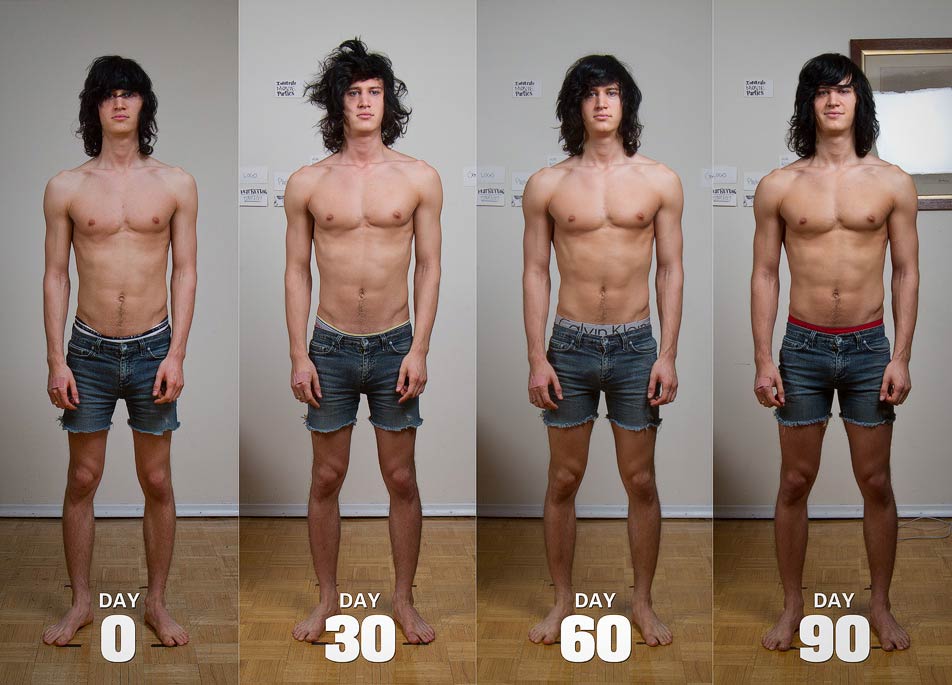
Use a tape measure to track muscle size. Measure your arms, chest, and legs. Take photos to see visual changes over time. Weigh yourself weekly. Log these numbers to see trends. These methods help you see progress.
Adjusting Workout Plans
Change your exercises every few weeks. This prevents plateaus. Increase weights gradually. Add more reps if needed. Listen to your body. Rest if you feel too sore. A balanced routine boosts results.
Evaluating Dietary Needs
Your diet plays a big role in muscle growth. Ensure you eat enough protein daily. Include lean meats, beans, and dairy. Carbohydrates provide energy for workouts. Healthy fats support overall health. Consider consulting a nutritionist for advice.
Common Myths About Quick Gains
Many believe rapid muscle growth happens quickly, but this is misleading. Building significant muscle in a month is challenging due to various factors, including genetics, diet, and exercise routine. Unrealistic expectations can lead to disappointment, so understanding the body’s natural limits is key.
Building muscle can feel like a daunting journey, especially with so much misinformation floating around. You’ve probably heard promises of quick gains and miracle solutions. But how much muscle can you truly build in a month? Let’s debunk some common myths about quick gains that might be holding you back.
Spot Reduction Myth
Have you ever been told that you can lose fat in specific areas while gaining muscle there? Unfortunately, spot reduction is a myth. Your body doesn’t work like that. You can’t choose where to lose fat; it happens evenly across your body. Instead, focus on balanced workouts that target multiple muscle groups. This approach helps build muscle more efficiently. Don’t fall for programs claiming to sculpt specific spots overnight.
Supplements And Quick Fixes
Supplements often promise rapid muscle growth with minimal effort. It’s tempting to believe that a magic pill or powder can do all the work. But true muscle growth comes from consistent effort in the gym and kitchen. Supplements can support your journey, but they shouldn’t be your main focus. Protein powder can help meet your daily intake, but it won’t replace hard work. Prioritize whole foods and a structured workout plan for real results.
Overtraining Misconceptions
Many believe more is better, thinking that overtraining will lead to faster gains. However, rest and recovery are crucial for muscle growth. Overtraining can lead to fatigue, injuries, and even muscle loss. When I first started training, I thought pushing harder every day was the key. But I soon realized rest days were just as important as workout days. They allowed my muscles to repair and grow stronger. Are you giving your body enough time to recover? Balance intense workouts with adequate rest for optimal muscle growth. Remember, quality over quantity leads to sustainable progress.
Credit: medium.com
Frequently Asked Questions
Is It Normal To Gain 5 Pounds Of Muscle In A Month?
Gaining 5 pounds of muscle in a month is challenging but possible with proper training and nutrition. Most people need a structured workout plan, adequate protein intake, and consistent effort to achieve this. Individual results can vary based on genetics, experience, and dedication.
How Long Does It Take To Gain 10 Pounds Of Muscle?
Gaining 10 pounds of muscle typically takes 6-12 months. Progress depends on training, nutrition, and genetics. Consistent workouts and protein-rich diets are crucial. Track progress and adjust routines for optimal results. Consult a fitness professional for personalized advice. Regular assessments help in maintaining motivation and achieving goals efficiently.
Is 2 Lbs Of Muscle Noticeable?
Yes, 2 lbs of muscle can be noticeable, especially on leaner individuals. Muscle adds definition and improves body composition. Changes might be subtle but can enhance appearance and physical performance. Regular exercise and proper nutrition amplify visibility. Keep tracking progress for motivation and results.
How Much Muscle In 6 Months?
Gaining 4-12 pounds of muscle in 6 months is achievable for most beginners. Progress depends on diet, workout intensity, and consistency. Advanced lifters may gain less due to adaptation. Prioritize protein intake and a structured strength training program for optimal results.
Consult a fitness professional for personalized guidance.
Conclusion
Building muscle in a month is a realistic goal. Results vary for each person. Factors include diet, workout routine, and genetics. Stay consistent with your efforts. Protein-rich meals support muscle growth. Rest and recovery are vital too. Track progress to see improvements.
Set achievable goals for motivation. Small gains add up over time. Patience and persistence lead to success. Celebrate your milestones along the journey. Remember, every step counts. Keep striving for your personal best. Your dedication pays off in the long run.
Embrace the process of transformation. Enjoy the journey to a stronger you.








