Affiliate Disclosure: This post may contain affiliate links. If you purchase through links on our site, we may earn an affiliate commission at no extra cost to you.
Are you spending countless hours in the gym but not seeing the muscle gains you desire? It might not be your workout routine that’s holding you back.
Believe it or not, the secret to building muscle might lie in something as simple as sleep. Yes, the number of hours you sleep each night can significantly impact your muscle growth. Imagine waking up every morning feeling stronger and more energized, ready to tackle your day and your workouts.
In this blog, you’ll discover just how many hours of sleep you need to optimize muscle building and why it matters so much. Get ready to unlock the power of restful nights and see your hard work in the gym truly pay off. Keep reading to transform your approach to muscle growth and achieve the results you’ve been dreaming of.
Credit: builtwithscience.com
Importance Of Sleep For Muscle Growth
Have you ever wondered why your muscles aren’t growing as fast as you’d like, despite your intense workout routine? The secret might lie in your sleep habits. Sleep is a crucial component of muscle growth. It’s not just about the hours you spend in the gym; it’s also about the hours you spend in bed. Sleep allows your muscles to repair and grow, making it an indispensable part of your fitness journey.
When you sleep, your body releases growth hormones. These hormones are vital for repairing damaged tissues and building muscle mass. Lack of sleep can lead to reduced hormone production, slowing down your progress.
Quality sleep helps reduce stress. Stress can hinder muscle recovery, and poor sleep increases cortisol levels. Elevated cortisol can break down muscle tissues, counteracting your hard work.
Ever noticed how you feel weaker after a restless night? Sleep deprivation can affect your energy levels, making workouts feel more challenging. With proper rest, you’re likely to have more stamina and strength.
How Many Hours To Sleep?
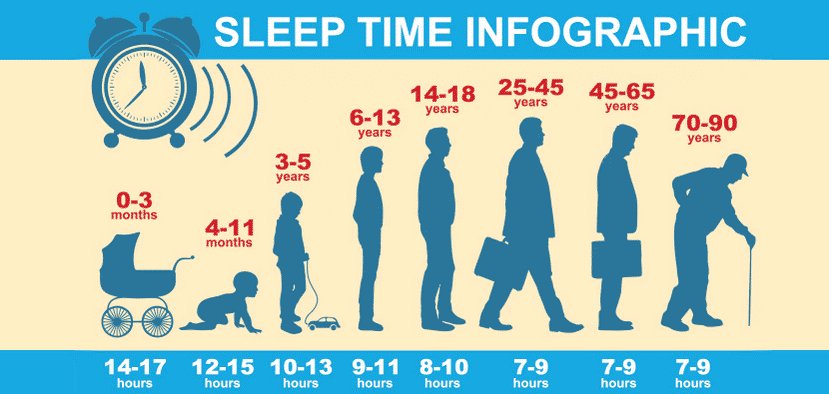
Experts generally recommend 7-9 hours of sleep for optimal muscle growth. However, the exact number can vary based on individual needs and lifestyle. Experiment to find what works best for you.
If you’re training heavily, consider adding an extra hour to your sleep routine. This additional rest can be the edge you need for better recovery and muscle development.
Pay attention to sleep quality, not just quantity. Deep sleep stages are where most recovery occurs. Create a bedtime routine that encourages restful sleep.
Practical Tips For Better Sleep
- Set a consistent sleep schedule. Going to bed and waking up at the same time helps regulate your body’s clock.
- Create a sleep-friendly environment. Keep your bedroom cool, dark, and quiet.
- Avoid caffeine and electronics before bed. They can interfere with your ability to fall asleep.
Have you tried tracking your sleep patterns? Tools like sleep apps or fitness trackers can provide insights into your sleep quality. They might reveal surprising habits affecting your rest.
What changes can you make tonight to improve your sleep? Remember, your muscle growth journey doesn’t end when you leave the gym. It continues when you close your eyes and allow your body to recover.
Sleep Cycles And Muscle Recovery
Understanding sleep cycles is crucial for muscle recovery and growth. During sleep, your body undergoes various phases that promote healing and tissue repair. Each phase plays a unique role in rebuilding muscles after a workout.
Understanding Sleep Cycles
Sleep comprises several cycles. These include REM and non-REM stages. Non-REM sleep is particularly important for muscle recovery. During this phase, blood flow to muscles increases, aiding repair. Protein synthesis occurs too, helping muscle growth. Deep sleep, part of non-REM, is vital for recovery.
The Role Of Rem Sleep In Recovery
REM sleep is known for brain activity. While it focuses on cognitive processes, it also supports physical recovery. Hormones released during REM assist in muscle repair. Balancing REM and non-REM stages ensures better recovery.
Muscle Recovery And Sleep Duration
Sleep duration impacts recovery significantly. Adults generally need 7-9 hours. This duration allows full cycles for healing. Inadequate sleep can slow muscle recovery, affecting growth. Prioritizing enough sleep leads to better results.
Impact Of Sleep Quality On Muscle Recovery
Quality of sleep is as important as duration. Deep, uninterrupted sleep enhances muscle repair. Poor sleep quality can hinder recovery. Optimizing sleep environment aids better sleep quality. Darkness, cool temperature, and quiet contribute to restful sleep.
Optimal Sleep Duration For Muscle Building
Sleep plays a crucial role in muscle growth. Proper rest helps repair tissues and build strength. The body needs time to recover after exercise. Understanding optimal sleep duration is vital for anyone aiming to enhance muscle mass.
Recommended Hours For Adults
Most adults should aim for 7 to 9 hours of sleep. This amount aids in muscle recovery and growth. Quality sleep helps balance hormones and supports metabolism. A consistent sleep schedule is important.
Variations By Age And Activity Level
Sleep needs vary with age and activity level. Younger adults may need more sleep to support growth. Older adults might require less sleep but should maintain quality. Athletes and active individuals might benefit from extra rest. Listening to your body is essential for optimal recovery.
Quality Vs. Quantity Of Sleep
When you’re on a mission to build muscle, you might wonder how much sleep you really need. Is it all about the number of hours you log in, or does the quality of your sleep matter more? Let’s dive into the significance of quality versus quantity of sleep when it comes to muscle growth.
Deep Sleep And Rem Stages
Muscle repair and growth happen during deep sleep. This stage is when your body is hard at work fixing tissues and releasing growth hormones. If you skip out on deep sleep, your muscle-building efforts could be compromised.
REM sleep is equally crucial. It’s the phase where your brain processes information, which helps you stay focused and motivated during workouts. Imagine waking up refreshed, ready to tackle your next exercise session. That’s REM sleep working its magic.
Ever noticed how a night of restless sleep leaves you dragging the next day? Your training suffers, and your muscles don’t get the recovery they need. Prioritizing both deep and REM sleep stages is essential for optimal muscle growth.
Factors Affecting Sleep Quality
Several factors can mess with your sleep quality. Stress is a big one. It can keep you tossing and turning, robbing you of valuable deep sleep. Consider relaxation techniques like deep breathing or meditation before bed.
Your sleep environment matters too. A quiet, dark, and cool room can boost your sleep quality. Simple changes like blackout curtains or a noise machine can make a difference.
Diet and exercise also play a role. Eating heavy meals or caffeinated drinks close to bedtime can disrupt your sleep. Regular exercise helps, but avoid working out too late. This could leave you wired instead of tired.
Think about your own sleep habits. Are there adjustments you can make to improve your sleep quality? Reflect on how better sleep can enhance your muscle-building journey. Making small changes could lead to big gains.
Impact Of Sleep Deprivation On Muscles
Sleep is crucial for muscle growth. Lack of rest can harm muscles. Sleep deprivation affects recovery and growth. It can lead to several negative effects. Understanding these effects can help improve muscle building efforts.
Effects On Protein Synthesis
Protein synthesis is essential for muscle repair. Lack of sleep slows down this process. Muscles need proteins to grow and recover. Sleep deprivation reduces the body’s ability to use proteins. This can lead to weaker muscles and slower growth.
Hormonal Imbalance And Muscle Loss
Hormones play a key role in muscle building. Sleep deprivation disrupts hormone levels. It can increase cortisol, a stress hormone. High cortisol levels can break down muscle tissues. This results in muscle loss and decreased strength. Sleep is vital to maintain balanced hormone levels.
Tips For Enhancing Sleep For Muscle Gain
Building muscle requires more than just lifting weights. Sleep plays a vital role in muscle recovery and growth. Quality sleep helps repair muscles, balance hormones, and reduce stress. To maximize muscle gain, focus on improving sleep habits.
Creating A Sleep-friendly Environment
Darken your room to aid sleep. Use blackout curtains or an eye mask. Keep your room cool and quiet. A temperature around 65°F is ideal for sleep. Use earplugs or a white noise machine to block sounds. Choose a comfortable mattress and pillows. Your bed should support your body and relieve pressure points. Keep electronics out of the bedroom. Blue light from screens can disrupt sleep.
Establishing A Consistent Sleep Schedule
Go to bed and wake up at the same time daily. Consistency helps regulate your body’s clock. Aim for 7-9 hours of sleep each night. Avoid caffeine and heavy meals before bed. These can keep you awake. Create a relaxing bedtime routine. Read a book, take a warm bath, or meditate. These activities signal your body it’s time to sleep.
Role Of Nutrition In Sleep And Muscle Building
Sleep and nutrition are important for muscle building. The quality of your sleep impacts how your muscles repair and grow. Your dietary choices also affect your sleep quality. Eating the right foods helps you sleep better, aiding muscle recovery. Good nutrition supports both sleep and muscle growth.
Pre-bedtime Nutrition Tips
Avoid heavy meals before bed. Large meals can disrupt your sleep. Opt for a light snack instead. Consider foods rich in tryptophan. Turkey, nuts, and dairy are good options. These foods help your body produce serotonin. Serotonin promotes better sleep.
Include some protein. A small amount supports muscle repair overnight. Greek yogurt or a protein shake works well. Avoid caffeine and sugar. They can keep you awake. Herbal teas like chamomile are better choices. They calm your body and prepare you for sleep.
Hydration And Sleep Quality
Stay hydrated throughout the day. Dehydration can affect sleep quality. Drink water consistently, but limit it before bed. Too much liquid can disturb your sleep with nighttime bathroom trips. Herbal teas can hydrate without caffeine. They soothe and relax your body.
Avoid alcohol close to bedtime. It disrupts sleep patterns. Alcohol may make you sleepy initially. But it affects the deep sleep stages crucial for muscle repair. Stick to water or herbal teas for better sleep quality.
Monitoring Sleep For Fitness Goals
Monitoring your sleep is crucial for achieving your fitness goals, especially if building muscle is your target. The connection between sleep and muscle growth is powerful; it’s during sleep that your body repairs and builds muscle tissue. You might be hitting the gym hard, but without adequate sleep, you’re missing a key component of muscle growth. Tracking your sleep can provide insights into how your rest is affecting your gains. Are you getting enough quality sleep to support your fitness journey?
Using Technology For Sleep Tracking
Today, technology makes it easier than ever to track your sleep. Devices like smartwatches and fitness trackers can monitor your sleep patterns, giving you data on how long and how well you’re sleeping. These gadgets can alert you to disruptions in your sleep, such as tossing and turning or waking up frequently. Imagine knowing exactly how much REM sleep you’re getting each night! This data is invaluable for identifying areas to improve your sleep and, consequently, your muscle growth.
Consider using a sleep tracking app on your smartphone. Many apps offer insights into your sleep cycles, helping you understand your sleep quality. They can even suggest bedtime routines to enhance your sleep. Have you ever tried using sleep tracking technology? You might be surprised at how much it can reveal about your nightly rest.
Adjusting Workout Routines Based On Sleep Patterns
Your sleep patterns can influence your workout performance. If your sleep data shows you’re consistently waking up tired, it may be time to adjust your workout routine. Maybe you’re pushing too hard on days when you haven’t had enough sleep. This can lead to fatigue and decreased performance. Would scaling back your workout intensity on those days help you recover better?
Try planning lighter workout days following poor sleep nights. Focus on exercises that encourage recovery, like stretching or low-intensity cardio. On well-rested days, ramp up your strength training. By aligning your workouts with your sleep quality, you’ll optimize your muscle-building efforts. Have you ever tailored your workouts based on your sleep? It can be a game-changer for your fitness progress.
Monitoring your sleep isn’t just about adding more hours; it’s about understanding your body’s needs and responding to them. Use technology as your ally and let sleep guide your fitness journey. How will you adjust your approach to sleep and exercise for better muscle growth?
Frequently Asked Questions
Are 6 Hours Of Sleep Enough To Build Muscle?
Six hours of sleep might not be enough for optimal muscle growth. Aim for 7-9 hours for better recovery and growth. Sleep supports muscle repair, hormone balance, and energy levels. Prioritize quality rest to maximize muscle-building efforts.
Can You Build Muscle On 3 Hours Of Sleep?
Building muscle on 3 hours of sleep is challenging. Sleep is crucial for muscle recovery and growth. Lack of sleep affects hormone levels, reducing muscle gain potential. Aim for 7-9 hours of sleep for optimal muscle building and overall health.
Prioritize sleep to enhance your fitness journey.
Is A 2 Hour Nap Good For Muscle Growth?
A 2-hour nap can aid muscle recovery by reducing fatigue and enhancing growth hormone production. Quality sleep supports muscle repair and growth. Consistent rest is crucial for optimal results. Combine naps with proper nutrition and regular workouts for effective muscle building.
Do Muscles Grow On Rest Days?
Yes, muscles grow on rest days. Rest allows muscle fibers to repair and strengthen. Adequate sleep and nutrition further support muscle growth. Incorporating rest days into your routine helps prevent overtraining and enhances recovery.
Conclusion
Sleep plays a crucial role in muscle growth. Aim for 7-9 hours each night. Quality sleep helps repair muscles and boost strength. Consistent sleep patterns support muscle building efforts. Lack of sleep can hinder your progress. Prioritize rest for better results in the gym.
You deserve a restful night after a tough workout. Listen to your body’s needs and adjust accordingly. Good sleep equals good gains. Keep your sleep schedule steady for maximum muscle growth. Your hard work pays off when you sleep well.
Rest easy, lift heavy.








