Affiliate Disclosure: This post may contain affiliate links. If you purchase through links on our site, we may earn an affiliate commission at no extra cost to you.
Are you hitting the gym hard but not seeing the muscle gains you expected? You might be overlooking a crucial factor: sleep.
Yes, the hours you spend in bed could be just as important as the hours you spend lifting weights. Imagine maximizing your muscle growth while lying comfortably under your covers. Sounds appealing, right? But how many hours of sleep do you really need to effectively build muscle?
This isn’t just about feeling rested; it’s about giving your body the time it needs to repair and grow stronger. You might be surprised at how much your sleep schedule can impact your muscle-building goals. Dive into this article to discover the sleep strategies that could enhance your workout results and transform your training routine. Are you ready to unlock the secret to building muscle while you dream? Read on to find out more.
The Importance Of Sleep For Muscle Growth
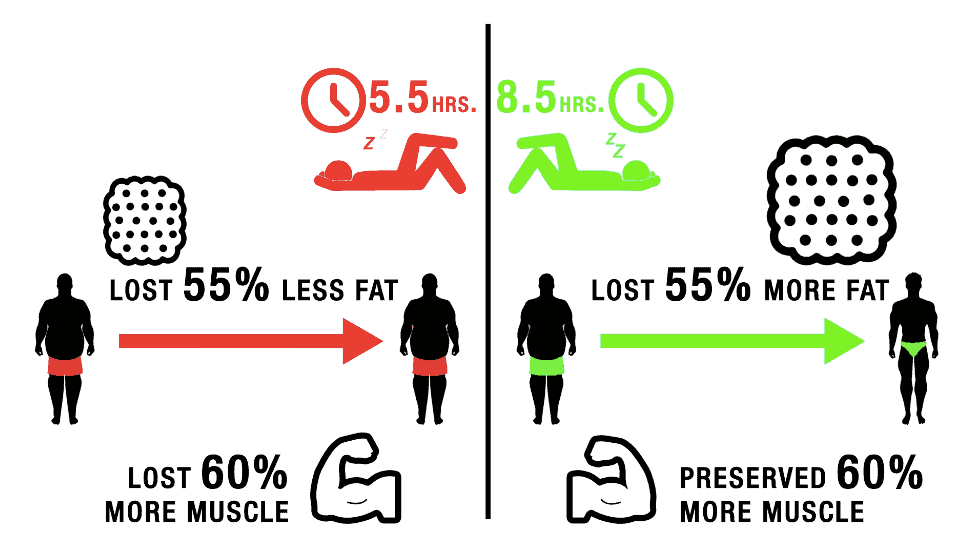
Sleep plays a vital role in muscle growth and recovery. Experts recommend 7-9 hours of sleep nightly for optimal muscle building. Quality rest helps repair muscle tissues and boosts growth hormone production, essential for muscle development.
Getting enough sleep is crucial for muscle growth. It’s not just about hitting the gym and eating right; your body needs rest to repair and build muscles. Sleep is where the magic happens, transforming your hard work into results.
What Happens During Sleep?
While you sleep, your body gets busy with repairs. Growth hormone, essential for muscle repair and growth, is released during sleep. This is when your body fixes the tiny tears in muscle fibers caused by exercise.
How Sleep Boosts Muscle Recovery
Lack of sleep can slow down recovery. Your muscles need time to heal and grow stronger. A good night’s sleep provides this time, reducing soreness and improving performance in your next workout.
How Much Sleep Do You Really Need?
Aim for 7-9 hours per night. This range helps most people recover effectively and build muscle. If you’re training intensely, you might need more to feel rested and ready.
Quality Vs. Quantity: Does It Matter?
Quality sleep is just as important as quantity. Deep sleep stages are when most muscle recovery occurs. Try maintaining a consistent sleep schedule to enhance your sleep quality.
Practical Tips To Improve Your Sleep
– Create a sleep-friendly environment: Keep your bedroom cool, dark, and quiet. – Limit screen time before bed: The blue light from screens can disrupt your sleep cycle. – Establish a bedtime routine: A routine can signal your body that it’s time to wind down. Have you ever noticed that you perform better at the gym after a good night’s sleep? Your body needs this rest to function at its best. Consider treating your sleep time with as much importance as your workouts for optimal muscle growth.
Optimal Sleep Duration For Muscle Building
Getting enough sleep is crucial for anyone looking to build muscle effectively. While hitting the gym and maintaining a balanced diet are important, sleep is often the unsung hero in muscle recovery and growth. But how many hours do you really need to make the most of your workouts?
Most experts recommend aiming for 7 to 9 hours of sleep per night. This is when your body is in prime mode to repair and build muscle tissue. During deep sleep stages, your body releases growth hormones, which are vital for muscle repair and growth.
If you find yourself groggy and struggling to lift weights, it could be a sign you’re not getting enough sleep. Try adjusting your bedtime or morning routine to ensure you’re hitting that optimal range.
Why Sleep Matters More Than You Think
Ever notice how your performance drops after a restless night? Sleep isn’t just about resting your mind. It’s a crucial time for your body to recover. Muscle tissue repairs faster when you’re asleep, allowing you to hit the gym with renewed strength.
Consider keeping a sleep journal. Track how you feel after different sleep durations. You might find that those extra hours make a big difference in your workout effectiveness.
Creating A Sleep-friendly Environment
Your bedroom can either be a sanctuary for sleep or a barrier to it. Make sure it’s dark, cool, and quiet. These conditions help you fall asleep faster and stay asleep longer. Experiment with blackout curtains or a white noise machine.
Think about your pre-bedtime routine too. Ditch screens an hour before bed and opt for a book or soothing music instead. Your muscles will thank you!
Should You Nap During The Day?
Ever feel the urge to nap? Short naps can boost your recovery, especially after intense workouts. A 20-minute nap can recharge your mind and body without messing up your nighttime sleep.
But be cautious with longer naps. They can disrupt your natural sleep cycle, making it hard to fall asleep at night. Experiment to see what works best for your schedule and energy levels.
Listening To Your Body’s Sleep Needs
It’s easy to get caught up in numbers and recommendations. But remember, your body knows best. Some people thrive on 7 hours, while others need a full 9 to feel their best.
Think about how you feel after different sleep durations. Are you energized or sluggish? Adjust accordingly. Your muscle gains depend on it.
Are you ready to prioritize sleep in your muscle-building journey? Give it a try, and watch how your workouts improve.
Stages Of Sleep And Their Role In Recovery
Understanding the stages of sleep is crucial for muscle recovery. Sleep is not just about rest; it’s a complex process involving different phases. Each stage plays a unique role in repairing and building muscle tissue. During sleep, the body undergoes various changes that aid recovery. Let’s explore how REM sleep and deep sleep contribute to muscle growth.
Rem Sleep
REM sleep is the dream stage. It occurs multiple times during the night. This stage is vital for mental recovery. The brain processes information and memories during REM. While REM sleep is not directly linked to muscle recovery, it supports overall well-being. A healthy mind aids physical recovery. A relaxed state helps in reducing stress levels. Lower stress can enhance muscle growth indirectly.
Deep Sleep
Deep sleep is the most restorative phase. It is crucial for muscle repair. During deep sleep, growth hormones are released. These hormones are essential for tissue repair and muscle growth. Deep sleep is when your body repairs itself. It strengthens the immune system. A strong immune system is necessary for recovery. Longer deep sleep periods lead to better muscle development.
Credit: vitruve.fit
Impact Of Sleep Deprivation On Muscle Gains
Getting enough sleep is crucial for building muscle. But what happens when you don’t get enough rest? Sleep deprivation can seriously affect your muscle gains. Let’s explore why sleep is so important for your fitness journey.
Impact Of Sleep Deprivation On Muscle Growth
Ever felt drained after a sleepless night? That’s your body crying out for recovery time. Without adequate sleep, your muscles don’t get the chance to repair and grow. This means all those hours in the gym might not be as effective as you’d like.
Lack of sleep can lead to increased stress levels. Stress hormones like cortisol disrupt your body’s ability to synthesize protein—essential for muscle growth. This can slow down your progress, leaving you frustrated.
Effects On Workout Performance
Sleep deprivation doesn’t just impact muscle repair; it also affects your workout performance. Imagine trying to lift weights or run on a treadmill when you’re exhausted. Your energy levels plummet, making it hard to push through your workouts.
Lower energy means less stamina and strength. You may find yourself cutting workouts short or unable to lift as heavy. This directly impacts your ability to challenge your muscles and achieve growth.
Influence On Recovery Time
Recovery is where the magic happens. After a workout, your muscles need time to heal and grow stronger. Sleep is a critical part of this recovery process. When you skimp on sleep, you’re robbing your muscles of the chance to rebuild.
Think about it: would you rather have a shorter recovery period or prolong the soreness and fatigue? Prioritizing sleep can speed up recovery, helping you get back to your workouts sooner.
Personal Experience: A Wake-up Call
Once, I thought I could get by on minimal sleep while maintaining a rigorous workout schedule. I quickly learned otherwise. My progress stalled, and I felt constantly tired. Realizing the impact of sleep deprivation, I committed to getting enough rest.
The change was incredible. I had more energy during workouts and saw better muscle gains. This experience taught me that sleep isn’t a luxury—it’s a necessity for anyone serious about building muscle.
Are You Sacrificing Sleep For Gains?
Take a moment to reflect: Are you getting enough sleep? Or are you sacrificing rest to squeeze in extra workouts or late-night activities? Consider how your sleep habits might be affecting your fitness goals.
Would you trade a few late nights for better gains and enhanced performance? Investing in quality sleep could be the missing piece in your muscle-building puzzle.
Factors Influencing Sleep Quality
Muscle growth requires adequate sleep, typically 7-9 hours for adults. Quality matters too. Factors like stress and environment affect sleep. Consistent sleep patterns support muscle recovery and growth.
Getting the right amount of sleep is crucial for building muscle, but it’s not just about the number of hours. The quality of your sleep can significantly affect your muscle recovery and growth. Various factors influence how well you sleep, and understanding these can make a big difference in your fitness journey. Let’s dive into some of these factors to help you optimize your sleep for muscle building.
Diet And Nutrition
What you eat affects how you sleep. Consuming a balanced diet rich in protein, healthy fats, and complex carbohydrates can enhance sleep quality. Foods like turkey, almonds, and bananas are known to promote better sleep because they contain sleep-inducing nutrients like tryptophan and magnesium. Ever experienced a restless night after a heavy meal or too much caffeine? It’s common. Late-night snacking or drinking coffee after dinner can disrupt your sleep cycle. Try to finish your meals a couple of hours before bedtime to allow your body to digest food and prepare for rest.
Exercise And Physical Activity
Regular physical activity can improve your sleep quality. Engaging in exercises like weightlifting or cardio helps tire your body, making it easier to fall asleep and stay asleep. Aim for at least 30 minutes of exercise most days, but avoid strenuous workouts close to bedtime as they may leave you too energized to sleep. Have you ever noticed how after a good workout, you tend to sleep like a baby? That’s your body thanking you. Exercise boosts endorphins and regulates your sleep patterns, ensuring you get the rest you need to build muscle effectively.
Stress And Mental Health
Stress is a sleep killer. High stress levels can lead to insomnia or restless nights, impacting muscle recovery. Practice stress-reducing activities like meditation, deep breathing, or journaling to help calm your mind before bed. Think about the last time you had a big presentation or exam the next day. Did you toss and turn all night? Managing stress is crucial not just for your sleep but for your overall well-being. When your mind is at ease, your body can focus on repairing and building muscle while you sleep. Is your pre-sleep routine helping or hindering your muscle-building goals? Reflect on these factors and make the necessary changes to ensure you’re getting the best quality sleep possible. Your muscles—and your future self—will thank you.
Tips For Enhancing Sleep For Better Muscle Growth
Sleep plays a crucial role in building muscle. Quality sleep enhances recovery and supports growth. While workouts are essential, sleep is equally important. Understanding how to improve sleep can boost muscle gains. Let’s explore some practical tips.
Establishing A Sleep Routine
A consistent sleep schedule is key. Go to bed and wake up at the same time daily. This helps regulate your body’s internal clock. Avoid drastic changes in your sleep schedule. Consistency aids in better rest and recovery.
Creating A Sleep-conducive Environment
Your bedroom should be a sleep haven. Keep the room dark and quiet. Use blackout curtains or an eye mask. Maintain a cool room temperature. Invest in a comfortable mattress and pillows. Reduce noise with earplugs or a white noise machine.
Avoiding Stimulants Before Bed
Stimulants can disrupt your sleep. Avoid caffeine in the afternoon and evening. This includes coffee, tea, and energy drinks. Limit the use of electronic devices before bed. The blue light can hinder sleep quality. Opt for relaxing activities instead.
The Role Of Naps In Muscle Recovery
Understanding the role of naps can enhance muscle recovery. Muscle growth relies on rest, and naps provide that essential downtime. They help repair and build muscles after workouts. Short naps can rejuvenate your body and mind, making them a powerful tool in your muscle-building toolkit.
The Science Behind Naps And Muscle Recovery
Naps boost muscle recovery by reducing fatigue. They enhance protein synthesis, which is vital for muscle repair. Sleep hormones released during naps improve tissue regeneration. Quality naps support the body’s healing processes efficiently.
Optimal Nap Duration For Muscle Recovery
A 20 to 30-minute nap is ideal for recovery. It prevents sleep inertia, which can make you groggy. This duration boosts alertness without affecting nighttime sleep. Longer naps might disrupt your sleep cycle and leave you feeling sluggish.
Timing Your Naps For Maximum Benefit
Early afternoon is the best time for naps. It coincides with the body’s natural circadian rhythms. Sleeping too late can interfere with nighttime rest. Find a quiet, comfortable space to nap for best results.
Creating The Perfect Nap Environment
Keep your nap space cool and dark. Use earplugs or white noise to block distractions. A comfortable position ensures a restful nap. Consistency in nap timing helps regulate your body’s clock.
Balancing Naps With Nighttime Sleep
Ensure naps don’t replace regular sleep. Aim for 7-9 hours of sleep each night. Naps should complement, not substitute, nighttime rest. Balance is key to effective muscle recovery and growth.
Credit: builtwithscience.com
Tracking Sleep To Optimize Performance
Tracking sleep is crucial for anyone aiming to build muscle. Quality sleep impacts muscle recovery and growth. Understanding how sleep affects performance can enhance your workout results.
Sleep Tracking Devices
Sleep tracking devices provide insights into your sleep patterns. Wearables like fitness bands and smartwatches monitor sleep stages. These gadgets record movements, heart rate, and sometimes even breathing. This data helps in assessing the sleep quality each night.
Apps on smartphones also track sleep patterns. They use sound and movement sensors to gather information. These apps are useful for those who prefer not to wear devices during sleep.
Interpreting Sleep Data
Interpreting sleep data is essential for optimizing muscle-building efforts. Sleep trackers display information in user-friendly formats. They often show graphs or charts representing different sleep stages.
Understanding these data points can guide adjustments. Deep sleep is vital for muscle repair. A lack of deep sleep might suggest lifestyle changes are needed. Prioritize consistent sleep schedules and reduce stress for better results.
Sleep data helps identify trends over time. This can lead to improved sleep habits. Monitoring sleep patterns allows for better performance in workouts.
Frequently Asked Questions
Will I Still Gain Muscle If I Don’t Sleep Enough?
Insufficient sleep hampers muscle growth. Quality sleep is crucial for muscle recovery and repair. Aim for 7-9 hours nightly. Boost muscle gains by prioritizing rest and recovery. Lack of sleep can limit strength and endurance. Ensure your sleep routine supports your fitness goals.
Sleep well to maximize muscle development.
Can I Go To The Gym With 5 Hours Of Sleep?
Yes, you can go to the gym with 5 hours of sleep, but be cautious. Prioritize safety and listen to your body. Lack of sleep can affect performance and increase injury risk. Consider a lighter workout or rest if feeling fatigued.
Adequate sleep is essential for optimal recovery and fitness gains.
Is A 2 Hour Nap Good For Muscle Growth?
A 2-hour nap can aid muscle recovery by improving rest and reducing fatigue. Quality sleep supports muscle growth. Ensure a balanced sleep schedule for optimal results.
Does Sleeping Longer Help Muscle Growth?
Yes, adequate sleep supports muscle growth and recovery. Sleep boosts growth hormone production, aiding muscle repair. Aim for 7-9 hours of quality sleep nightly. Consistent sleep enhances workout performance and overall health. Prioritize sleep to maximize muscle-building efforts effectively.
Conclusion
Achieving muscle growth needs more than just exercise. Sleep plays a crucial role. Aim for seven to nine hours each night. This helps repair muscles and boosts growth. Lack of sleep can slow muscle progress. Consistency in sleep patterns is key.
Create a relaxing bedtime routine. Limit screen time before bed. Eat a balanced diet rich in protein. Hydration matters too. Listen to your body’s needs. Quality sleep supports your fitness goals. It enhances energy and performance. Prioritize rest. Build muscle effectively.
Sleep well, train smart, and reach your muscle-building potential.








