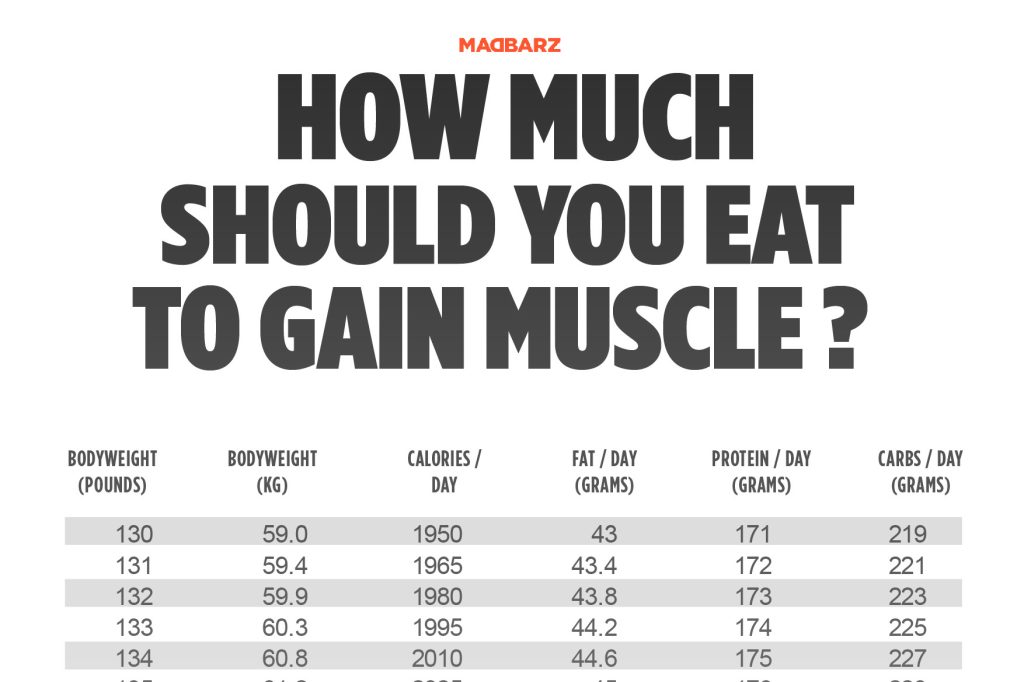
Are you trying to build muscle and not sure how many calories you should be eating? You’re not alone.
Figuring out the right calorie intake can feel like solving a puzzle, especially when you want to see those gains in the mirror. Eating too little might stall your progress, while eating too much can lead to unwanted fat gain.
So, how do you strike the perfect balance? We’ll dive into exactly how many calories you need to fuel your muscles effectively. Stick around, because understanding this could be the game-changer in your fitness journey. You won’t want to miss these insights!
Credit: ironbullstrength.com
Basics Of Muscle Building
Building muscle is about more than lifting weights. Your diet plays a big role. Eating the right number of calories can help muscle growth. Understanding this is key. Let’s explore the basics of muscle building.
Role Of Calories
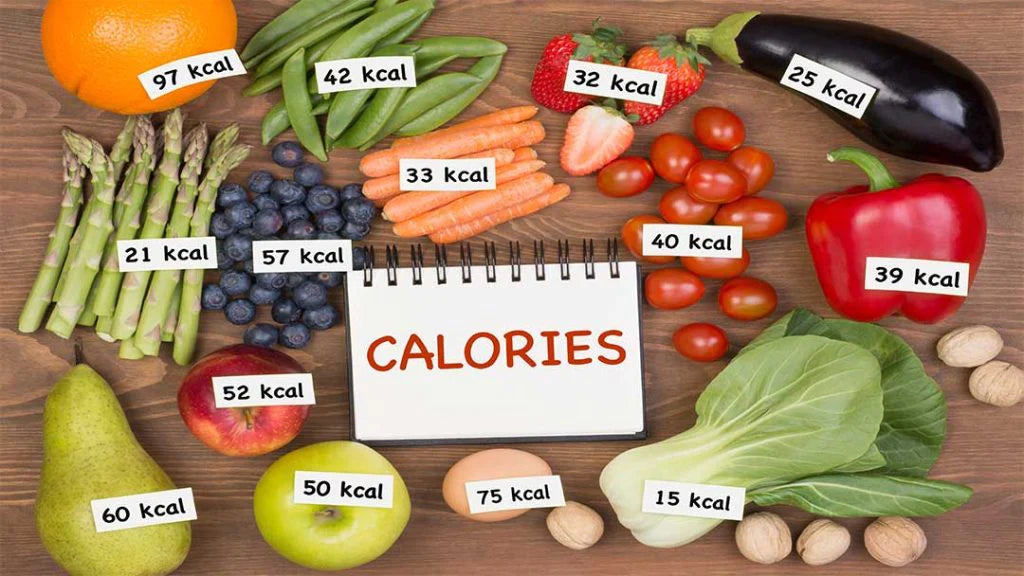
Calories provide energy for workouts. To build muscle, eat more calories than you burn. This is called a calorie surplus. A surplus gives your body extra energy. This energy helps repair and grow muscles after exercise. Without enough calories, muscle growth slows. Find your daily calorie needs. Then add 250 to 500 calories. This helps muscle growth without too much fat gain.
Importance Of Protein
Protein is a building block for muscles. It helps repair and grow muscle fibers. Eating enough protein is crucial. Aim for 1.6 to 2.2 grams of protein per kilogram of body weight. Spread protein intake throughout the day. Include protein in every meal. Choose lean sources like chicken, fish, or beans. Protein supplements can help meet your goals. But focus on whole foods first. They offer more nutrients.
Calculating Caloric Needs
Building muscle requires understanding your caloric needs. This process involves calculating how many calories you need to consume. It’s not just about eating more; it’s about eating smart. Knowing your Basal Metabolic Rate (BMR) and activity level will guide you. This helps in creating an effective diet plan.
Understanding Basal Metabolic Rate
Your Basal Metabolic Rate is the number of calories your body needs at rest. It supports vital functions like breathing and digestion. To calculate BMR, use factors like age, weight, height, and gender. This gives a baseline calorie count. It helps determine how much energy your body naturally uses.
Activity Level Considerations
Activity level greatly affects caloric needs. More active lifestyles require more calories. Sedentary people need fewer calories. Consider your daily routines. Do you exercise often? Are you mostly inactive? These factors adjust your calorie intake. Aim to eat enough to fuel your activities and muscle growth.
Macronutrient Breakdown
Building muscle requires more than just lifting weights. Understanding your daily calorie intake is crucial. But, how those calories are distributed among macronutrients can significantly impact muscle growth. Macronutrients include protein, carbohydrates, and fats. Each plays a unique role in muscle development. Proper balance among them is essential for maximizing your gains.
Protein Requirements
Protein is vital for muscle repair and growth. Aim for 1.6 to 2.2 grams per kilogram of body weight daily. This helps maintain a positive nitrogen balance. It supports muscle protein synthesis. Choose lean sources like chicken, fish, and tofu. Consistent intake accelerates muscle recovery.
Carbohydrate Intake
Carbohydrates provide energy for workouts. They replenish glycogen stores in muscles. Aim for 3 to 5 grams per kilogram of body weight. Choose complex carbs like whole grains, fruits, and vegetables. They offer sustained energy. Proper carb intake boosts workout performance. It reduces fatigue during intense sessions.
Fats For Muscle Growth
Fats are essential for hormone production. They aid in nutrient absorption. Include healthy fats like avocados, nuts, and olive oil. Aim for 20 to 35% of your total daily calories from fats. They support joint health and reduce inflammation. Balanced fat intake enhances overall muscle growth.
Role Of Meal Timing
Understanding the role of meal timing can impact your muscle-building journey. Eating at strategic times helps fuel workouts and aids recovery. It’s not just about what you eat, but when you eat. Timing meals can maximize muscle growth and support your fitness goals.
Pre-workout Nutrition
Eating before a workout provides energy to your muscles. A balanced meal with carbs and protein is ideal. Carbs fuel your body while protein supports muscles. This combination helps you perform better and reduces fatigue.
Try eating 1-2 hours before exercising. Choose foods that digest easily. Oatmeal, bananas, or yogurt are good choices. Avoid heavy meals that slow you down.
Post-workout Recovery
After exercising, your muscles need nourishment. Eating soon after your workout aids recovery. Protein and carbs are crucial for repairing muscles. They replenish energy and enhance growth.
Consume a post-workout meal within 30 minutes. Opt for protein-rich foods like chicken or tofu. Pair with carbs like rice or sweet potatoes. This helps muscles rebuild and grow stronger.
Adjusting Caloric Intake
Adjusting your caloric intake is crucial in muscle building. Consuming the right amount of calories supports muscle growth and recovery. Eating too little or too much can hinder progress.
Finding the balance requires attention. Listen to your body and monitor changes. This helps in adjusting calories effectively.
Signs Of Under-eating
Under-eating can stall muscle growth. Feeling fatigued often is a sign. Struggling with workouts signals inadequate energy intake.
Slow muscle gains indicate insufficient calories. You may notice constant hunger. This shows your body needs more fuel.
Signs Of Over-eating
Over-eating might lead to unwanted fat gain. Feeling sluggish often suggests excess calorie consumption. Digestive issues can arise from overeating.
Experiencing bloating indicates you might be consuming too much. Difficulty in muscle definition can signal excessive calories. Monitor your weight changes closely.
Common Mistakes
Many people miscalculate calorie needs for muscle gain. Eating too little hinders progress. Consuming too much leads to unwanted fat. Understanding your body’s specific needs ensures effective muscle building.
When you’re on a mission to build muscle, understanding your caloric needs is crucial. However, many people stumble upon common mistakes that can derail their progress. These mistakes often stem from misconceptions and can be easily avoided with a bit of knowledge and attention. Let’s dive into some of the most frequent errors you might encounter on your muscle-building journey.Overestimating Caloric Needs
One of the most common mistakes is overestimating how many calories you need. It’s easy to assume that building muscle requires eating vast amounts of food. But consuming too many calories can lead to unwanted fat gain. Have you ever tracked your calorie intake? Doing so can help you avoid the trap of overeating. Use apps or food diaries to get an accurate picture of your daily intake. Remember, quality matters just as much as quantity. It’s not just about eating more but eating smart. How will you adjust your calorie intake today for better results?Neglecting Nutrient Quality
While focusing on calories, don’t forget the importance of nutrient quality. Eating empty calories won’t help you build muscle effectively. Nutrient-rich foods provide the vitamins and minerals necessary for muscle recovery and growth. Imagine fueling a car with low-quality gasoline—it won’t perform at its best. The same goes for your body. Prioritize whole foods like lean proteins, whole grains, and vegetables. How can you ensure your meals are nutrient-dense? Plan your meals ahead and include a variety of food groups. What will be on your plate for dinner tonight that fuels your muscle-building goals? Avoid these common pitfalls, and you’ll be on a smoother path to achieving your muscle-building objectives. Remember, small changes can lead to significant results.Tracking Progress
Tracking progress is crucial in a muscle-building journey. Knowing how many calories to eat is important, but monitoring your progress ensures you’re on the right path. It helps you make necessary adjustments to your diet and workouts. Let’s explore some effective ways to track your muscle-building progress.
Using Fitness Apps
Fitness apps are a great tool for tracking progress. They help you monitor calorie intake and workouts. Many apps offer features to log food and exercises. You can see trends and make informed decisions. Some apps even provide reminders to keep you on track. Choose one that suits your needs and stick with it.
Regular Body Composition Assessments
Body composition assessments give detailed insights into your muscle-building progress. They measure body fat and muscle mass. Regular assessments help you track changes over time. You can use scales or seek professional assessments. Consistency is key. Regular checks provide accurate data and help fine-tune your routine.
.jpg?width=1200&name=Macros-Trifecta-08%20(1).jpg)
Credit: www.trifectanutrition.com
Expert Tips
Building muscle requires understanding how many calories you need. Expert tips can guide you in finding the right balance. This section provides insights to help you fuel your muscle-building journey.
Listening To Your Body
Your body often signals its needs. Feeling tired or sluggish? You might need more calories. Notice your energy levels. They tell a lot about your calorie intake. If energy dips, increase your food intake slightly. Pay attention to hunger cues too. They are natural indicators of your needs. Trust your body. It often knows what it requires.
Consulting A Nutritionist
A nutritionist can offer personalized advice. They understand how different bodies work. A nutritionist considers your age, weight, and activity level. This helps in creating a tailored calorie plan. Meeting with one provides insights into optimal eating. Nutritionists help balance macronutrients for muscle growth. Their expertise can streamline your muscle-building efforts. Consider scheduling a consultation for tailored guidance.

Credit: www.fitfatherproject.com
Frequently Asked Questions
Is 2500 Calories Enough To Build Muscle?
2500 calories can be enough to build muscle for some individuals. Caloric needs depend on factors like age, weight, activity level, and metabolism. Ensure a balanced diet with sufficient protein, carbohydrates, and healthy fats. Monitor progress and adjust calorie intake based on muscle growth and personal goals.
How Many Calories Are Needed For Muscle Growth?
To build muscle, you need a calorie surplus. Start by calculating your maintenance calories, then add 250-500 more daily. This surplus supports muscle growth by providing energy and nutrients. Adjust based on progress and goals. Monitor changes in body composition and strength to refine your intake.
Can Too Few Calories Hinder Muscle Gain?
Yes, insufficient calories can slow muscle growth. Your body needs energy to repair and build muscle tissue. Consuming too few calories can lead to muscle loss and decreased strength. Ensure you’re eating enough to meet your energy needs and support your training regimen effectively.
Do Protein Intake Affect Muscle Building?
Protein is crucial for muscle repair and growth. Aim for 1. 6 to 2. 2 grams per kilogram of body weight daily. Adequate protein supports muscle synthesis and recovery. Include high-quality protein sources in each meal to optimize muscle-building results alongside your calorie intake.
Conclusion
Finding the right calorie intake is crucial for muscle growth. Listen to your body and adjust as needed. Balance your diet with proteins, fats, and carbs. Track your progress and tweak your calories if necessary. Stay consistent with your workouts and nutrition.
Build healthy habits to see lasting results. Remember, patience is key in this journey. Celebrate small wins and stay motivated. Your hard work will pay off with time. Keep learning and adapting for the best outcomes.








