Affiliate Disclosure: This post may contain affiliate links. If you purchase through links on our site, we may earn an affiliate commission at no extra cost to you.
Are you tired of guessing how many calories you need to build muscle? You’re not alone.
Understanding the right calorie intake is crucial for turning your hard work at the gym into visible results. But with so much conflicting advice out there, it can feel overwhelming to figure out exactly what your body needs. Imagine knowing the precise amount of calories that will help you gain muscle without unnecessary fat.
Wouldn’t that be game-changing? We’ll uncover the secrets behind calorie intake for muscle growth, helping you turn your fitness goals into reality. Keep reading to discover how you can fuel your body the right way and finally see the muscle gains you’ve been working towards.
Caloric Needs For Muscle Growth
Building muscle requires a calorie surplus. Consuming 250-500 extra calories daily supports muscle growth. Protein-rich foods and regular workouts enhance results.
Building muscle is a common goal for many fitness enthusiasts, but it requires more than just lifting weights. Understanding your caloric needs is crucial for effective muscle growth. Consuming the right amount of calories can be the difference between gaining lean muscle and putting on unwanted fat. Let’s break down what you need to know about caloric intake for muscle development.
Understanding Your Baseline Caloric Requirement
To start, you need to know your baseline caloric requirement, which is the number of calories your body needs to maintain its current weight. This is often referred to as your Total Daily Energy Expenditure (TDEE). You can calculate this by considering your age, weight, height, gender, and activity level.
Adding Calories For Muscle Growth
Once you have your TDEE, you’ll need to add extra calories to support muscle growth. Typically, a surplus of 250 to 500 calories per day is recommended. This surplus should come from nutrient-dense foods to ensure you’re getting the right balance of proteins, carbohydrates, and fats.
Balancing Macronutrients
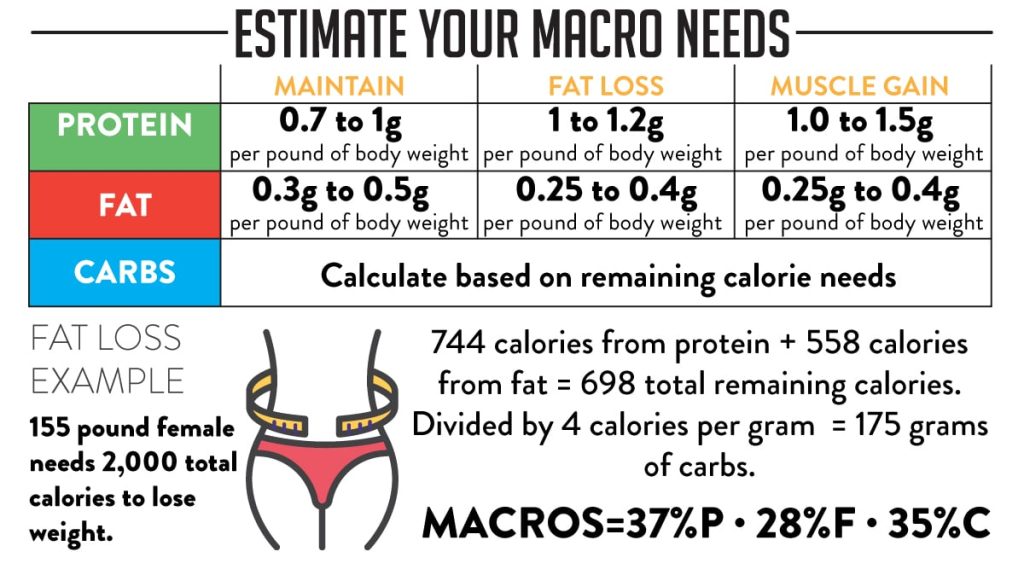
Calories alone don’t build muscle; macronutrients play a critical role. Aim for a diet rich in protein, as it is the building block of muscle. Carbohydrates provide energy for workouts, while healthy fats support hormone production. A practical approach could be a diet consisting of 40% carbohydrates, 30% protein, and 30% fats.
Monitoring Progress
It’s important to track your progress and adjust your caloric intake as needed. If you’re not seeing muscle gains after a few weeks, it might be time to increase your caloric intake slightly. However, if you’re gaining more fat than muscle, reassess your diet and workout routine.
Listening To Your Body
Every body is unique, and what works for someone else might not work for you. Pay attention to how your body responds to changes in your diet and exercise regimen. Are you feeling more energized, or are you sluggish? Use these cues to fine-tune your approach. Have you ever wondered why, despite following a strict workout routine, muscle gains seem elusive? It might be time to assess your caloric intake. By understanding and adjusting your caloric needs, you can pave the way for optimal muscle growth. Are you ready to take control of your muscle-building journey?
Factors Affecting Caloric Requirements
Understanding caloric needs is crucial for muscle building. Several factors impact these needs. Each person has unique requirements based on age, gender, body composition, and activity level. Knowing these factors helps tailor your diet for optimal muscle growth.
Age And Gender
Age influences metabolism rates. Younger individuals often have faster metabolisms. Older adults may need fewer calories. Gender also plays a role. Men typically require more calories than women. Hormonal differences affect energy expenditure.
Body Composition
Body composition matters in muscle building. More muscle mass means higher caloric needs. Fat tissue requires less energy than muscle. Assessing your body composition can guide your dietary choices. Aim for a higher muscle-to-fat ratio.
Activity Level
Activity level is a key factor. Active people burn more calories. Sedentary lifestyles require fewer calories. Exercise intensity and duration affect caloric needs. Regular workouts increase your caloric requirements. Tailor your calorie intake to match your activity level.
Calculating Daily Caloric Intake
Building muscle isn’t just about lifting weights; it’s a science that involves understanding your body’s nutritional needs. Calculating daily caloric intake is a crucial step to ensure that you’re fueling your muscles for growth without gaining unwanted fat. Are you eating enough to support your workouts and muscle repair? Let’s dive into how you can calculate the calories needed to build muscle effectively.
Basal Metabolic Rate
Your Basal Metabolic Rate (BMR) is the number of calories your body needs to maintain basic functions like breathing and circulation while at rest. It’s the foundation for determining your caloric needs. Think of it as the starting point for your daily calorie calculations.
To find your BMR, you can use the Harris-Benedict equation, which considers factors like age, gender, weight, and height. For example, if you weigh 150 pounds, are 25 years old, and are 5’10”, your BMR might be around 1,600 calories per day.
Understanding your BMR helps you know how many calories your body burns even before you hit the gym. Are you surprised by how much energy you use just being you?
Total Daily Energy Expenditure
Once you have your BMR, it’s time to calculate your Total Daily Energy Expenditure (TDEE). This is your BMR plus the calories you burn through activities, exercise, and digestion. It’s the complete picture of your daily calorie needs.
To find your TDEE, multiply your BMR by an activity factor that represents your lifestyle. If you have a desk job but workout regularly, you might use a multiplier of 1.55, leading to a TDEE of around 2,480 calories.
Knowing your TDEE allows you to tailor your diet to your muscle-building goals. Will you need to eat more to match your ambitious workout routine?
Once you have your TDEE, add an additional 250 to 500 calories per day to support muscle growth. This ensures you’re in a caloric surplus, giving your body the extra fuel it needs to build muscle.
Tracking your calorie intake and adjusting based on results is key. If you’re not seeing the muscle gains you hoped for, you might need to tweak your calories. Are you prepared to be flexible and responsive to your body’s feedback?
Calculating your daily caloric intake is a dynamic process. Keep listening to your body, and remember, every calorie counts towards your muscle-building journey.
Macronutrient Breakdown
Building muscle requires more than just lifting weights. You need the right balance of macronutrients. These include proteins, carbohydrates, and fats. Each plays a vital role in muscle growth. Let’s dive into how each macronutrient contributes.
Protein Intake
Protein is the building block of muscles. It repairs and builds muscle tissue. Aim for 1.2 to 2 grams of protein per kilogram of body weight. This helps in muscle recovery and growth. Choose lean sources like chicken, fish, and beans.
Carbohydrate Needs
Carbohydrates fuel your workouts. They provide the energy needed for lifting. Consume complex carbs like whole grains and vegetables. They keep your energy levels stable. Around 45% to 65% of your daily calories should come from carbs. This ensures you have enough energy for exercise.
Fats For Muscle Building
Fats are essential for hormone production. They support muscle growth and repair. Include healthy fats like nuts, seeds, and avocados. Aim for fats to make up 20% to 35% of your daily intake. They provide long-lasting energy for workouts.
Adjusting Calories For Weight Goals
Adjusting your calorie intake is essential for achieving your weight goals, especially when building muscle. Whether you’re aiming to bulk up or shed some pounds, understanding how many calories you need can make a significant difference. Let’s dive into how you can adjust your calorie intake based on your specific weight goals.
Bulking Vs. Cutting
Bulking requires consuming more calories than your body burns. It’s like fueling a machine that needs extra energy to grow stronger. Focus on high-protein meals and healthy fats. Think about adding an extra snack or a hearty breakfast to your routine.
Cutting, on the other hand, means reducing calories to lose fat while maintaining muscle. This requires a delicate balance. Swap out high-calorie foods for nutrient-dense options. Consider smaller portions and more frequent meals to keep your metabolism active.
Monitoring Progress
Regularly check your progress to make sure you’re on the right path. Track your weight and muscle gain every couple of weeks. Are you seeing the results you want? If not, it might be time to tweak your calorie intake.
Use a food diary or an app to keep tabs on your daily consumption. Seeing it written down can be eye-opening. You might realize you’re consuming more or less than you thought.
Remember, everyone’s body responds differently. What works for someone else might not work for you. Are you ready to make those adjustments and achieve your goals?
Role Of Timing And Meal Frequency
Understanding the role of timing and meal frequency can boost muscle growth. Eating at the right times supports your body’s energy needs. It helps maximize muscle-building efforts.
Meal frequency also impacts how your body uses nutrients. More frequent meals can keep energy levels stable. This can enhance your workouts and recovery.
Pre-workout Nutrition
Pre-workout meals are crucial. They provide fuel for your exercise session. This meal should contain carbs and protein. Carbs give your muscles energy. Protein prepares your muscles for repair.
Eat your pre-workout meal 1-3 hours before exercising. This timing helps prevent fatigue during workouts. It also aids performance and endurance.
Post-workout Recovery
Post-workout nutrition is vital for recovery. It helps rebuild muscle fibers. Consuming protein soon after exercise supports muscle repair.
Carbs are important too. They replenish your body’s energy stores. Aim to eat within 30 minutes to 2 hours after exercising.
This timing enhances muscle recovery. It also prepares your body for the next workout session.
Common Mistakes And Myths
Building muscle requires more than just hitting the gym. Many people fall into common mistakes and myths about calories and nutrition. These misconceptions can hinder progress. Understanding these errors is key to effective muscle growth.
Overeating For Muscle Gain
Some believe eating excessively helps build muscle. This is a myth. Consuming too many calories leads to fat gain, not muscle. Muscle growth requires a balanced calorie intake. It’s important to calculate your needs based on activity level and body type. Aim for a slight calorie surplus. This supports muscle growth without excess fat.
Underestimating Protein Needs
Protein is crucial for muscle repair and growth. Many underestimate their protein requirements. This mistake slows muscle development. Ensuring enough protein intake supports muscle synthesis. Each meal should include a good source of protein. Foods like chicken, fish, and beans are excellent choices. Meeting daily protein needs boosts muscle-building efforts.
Sample Meal Plans
Building muscle requires a carefully planned diet with adequate calories. Consuming 2,500 to 3,000 calories daily supports muscle growth. Sample meal plans can guide your intake, ensuring balanced nutrients for optimal results.
Looking to build muscle? Understanding how many calories you need each day is crucial, but knowing what to eat is just as important. Sample meal plans can provide a practical roadmap to fuel your gains. Whether you’re going for high-calorie meals or a balanced diet, these plans can help you reach your muscle-building goals efficiently.
High-calorie Options
If you’re aiming to pack on muscle mass, high-calorie meals are your best friend. These meals are not just about eating more; they’re about eating smart. Consider starting your day with a breakfast of oatmeal topped with nuts and honey, paired with a protein shake. This combination delivers a powerful punch of carbs and protein to kickstart your metabolism. For lunch, a large grilled chicken breast with quinoa and a side of avocado salad offers a nutrient-dense meal that supports muscle recovery and growth. Dinner could feature a generous serving of steak with sweet potatoes and steamed broccoli. It’s a hearty meal that ensures you’re getting enough calories and the right nutrients.
Balanced Diet Plans
A balanced diet plan can be just as effective for muscle building, especially if you prefer variety and moderation. The key is maintaining a good mix of macronutrients. Start your day with a smoothie made from spinach, banana, Greek yogurt, and almond milk. It’s a refreshing and balanced way to fuel your morning workouts. For lunch, consider a turkey wrap with whole grain tortillas, loaded with veggies and hummus. It provides lean protein and complex carbs without overloading on calories. Dinner can be a grilled salmon fillet with brown rice and mixed vegetables. This meal offers omega-3s, essential for muscle health, alongside plenty of fiber and protein. Do you find it challenging to plan meals, or do you enjoy experimenting with new recipes? Meal planning doesn’t have to be a chore. Use these sample plans as a guide, and feel free to tweak them based on your preferences and nutritional needs. Eating to build muscle should be enjoyable, not stressful. Embrace the journey and listen to your body’s signals.
Supplements And Enhancers
Building muscle requires understanding daily calorie needs. Eating enough calories helps muscles grow. Balance proteins, carbs, and fats for optimal results. Aim for a calorie surplus, but not too much. Consult a nutritionist to tailor your intake. Stay consistent for best results.
Building muscle requires a balanced approach to nutrition, exercise, and sometimes, supplements. Supplements and enhancers can play a crucial role in helping you reach your muscle-building goals. They can fill gaps in your diet, boost your performance, and accelerate recovery. But are they essential? Let’s dive into some popular options and see how they might fit into your routine.
Protein Supplements
Protein is the cornerstone of muscle growth. While you can get plenty from foods like chicken, fish, and beans, protein supplements offer convenience. Imagine you’re rushing out the door in the morning and don’t have time for a full breakfast. A quick protein shake can be a lifesaver. But don’t rely solely on shakes. Consider them as a backup plan when whole foods aren’t an option. Are you getting enough protein from your meals? Check your daily intake and use supplements to fill the gaps. Whey protein is popular, but plant-based options like pea or soy are available if you prefer.
Creatine And Other Aids
Creatine is a well-researched supplement that can enhance muscle strength and size. It’s not magic but can give you that extra edge during intense workouts. Have you ever felt like you hit a plateau in your training? Creatine might help you push past it. Other aids like beta-alanine can reduce fatigue, allowing you to work out harder and longer. But remember, supplements are just that—supplements. They should enhance your efforts, not replace them. Focus on your training and nutrition first, then see how these aids can complement your strategy. Ultimately, supplements can be a valuable tool, but they’re not a substitute for good habits. How can you integrate them effectively? Start by identifying your dietary gaps and workout needs. Then, choose supplements that align with your goals. Keep experimenting and adjusting until you find what works best for you.
Frequently Asked Questions
How Many Calories Should I Eat To Build Muscle?
Consume 250-500 more calories daily than your maintenance level to build muscle effectively. Focus on protein-rich foods. Adjust intake based on activity level and results. Prioritize balanced meals with healthy fats and carbohydrates. Monitor progress and make changes as needed for optimal muscle growth.
Is 2500 Calories Enough To Build Muscle?
2500 calories may be enough to build muscle, depending on individual factors. Consider age, gender, activity level, and metabolism. Tracking progress and adjusting intake ensures optimal results. Consulting a nutritionist or fitness expert can provide personalized guidance.
How Many Calories To Gain Muscle?
To gain muscle, consume more calories than you burn. Aim for 250-500 extra calories daily. This surplus supports muscle growth by providing necessary energy. Adjust based on individual metabolism and activity level. Combine caloric intake with strength training for optimal results.
Do I Need More Protein For Muscle Building?
Yes, protein is crucial for muscle building. It repairs and grows muscle tissues. Aim for 1. 2-2. 2 grams of protein per kilogram of body weight daily. Include protein-rich foods like chicken, fish, eggs, and beans in your diet.
Conclusion
Building muscle needs the right calorie intake daily. Focus on balanced meals. Include proteins, carbs, and healthy fats. Listen to your body. Adjust your diet based on progress. Regular exercise also plays a key role. Track your calorie intake carefully.
This ensures you’re on the right path. Stay consistent with your diet and workouts. Patience is vital. Muscle gain takes time and dedication. Stay motivated and keep pushing forward. Remember, small changes lead to big results. Consult with a nutritionist if needed.
Every body is unique. Find what works best for you.








