Affiliate Disclosure: This post may contain affiliate links. If you purchase through links on our site, we may earn an affiliate commission at no extra cost to you.
Are you wondering how long your workouts should be to effectively build muscle? You’re not alone.
This is a common question that many fitness enthusiasts and beginners alike grapple with. The truth is, the duration of your workout can significantly impact your muscle growth. But don’t worry—it’s not as complicated as it sounds. By understanding the science behind muscle building and tailoring your workouts accordingly, you can maximize your results.
Imagine feeling stronger, seeing noticeable changes in your body, and knowing you’re not wasting time in the gym. Intrigued? Let’s dive into the details and discover the ideal workout length for your muscle-building goals.
Factors Influencing Workout Duration
Workout duration varies based on individual goals and fitness level. Effective muscle building typically requires sessions lasting 45 to 60 minutes. This timeframe allows for optimal intensity, focusing on muscle groups and incorporating rest periods.
Understanding how long your workout should be to build muscle requires considering several factors that influence workout duration. Whether you’re a beginner just dipping your toes into the fitness world or an experienced athlete, these elements can drastically change the time you should spend in the gym. Let’s dive into these crucial components to optimize your muscle-building routine.
Fitness Level
Your fitness level plays a significant role in determining workout duration. If you’re just starting out, shorter workouts are typically more effective. They prevent burnout and minimize the risk of injury while your body adapts to new routines. As you gain experience, your body becomes more efficient, and you can gradually increase workout length. However, don’t fall into the trap of thinking longer is always better. Quality often trumps quantity, even as you progress.
Workout Intensity
Intensity can dramatically impact how long you should exercise. High-intensity workouts often require less time because they engage muscles more deeply. Think of sprinting compared to a leisurely jog—shorter but incredibly effective. On the other hand, moderate-intensity workouts might need a bit more time to yield similar results. Balance is key. Reflect on your energy levels and the effort you’re willing to invest.
Exercise Type
The type of exercises you choose also affects workout duration. Compound movements like squats and deadlifts work multiple muscles, often reducing the time needed to see results. They’re efficient and can be squeezed into shorter sessions. Isolation exercises, which target a single muscle group, might require a longer workout to cover all areas effectively. Decide which exercises align with your goals and schedule your time accordingly. Reflect on your personal preferences. Do you enjoy short bursts of intense activity, or do you thrive on longer, more steady-paced sessions? Your answer can guide you toward a workout plan that suits your lifestyle. In my own journey, I realized that a mix of short, intense sessions during the week and a longer, focused workout on weekends kept me motivated. This balance allowed me to build muscle without feeling overwhelmed or bored. What about you? How does your current workout duration align with these factors? Evaluate your routine and make adjustments to maximize muscle growth while enjoying the process.
Ideal Workout Length
Determining the ideal workout length for building muscle can be challenging. The right duration depends on your goals, fitness level, and routine. But there are some general guidelines to consider. Understanding these can help you make the most of your workout sessions.
Time Recommendations
Experts often suggest spending 45 to 60 minutes in the gym. This timeframe allows enough time for warm-up, intense exercise, and cool down. Longer sessions can sometimes lead to fatigue and reduced effectiveness. Shorter workouts can be effective if planned well. Focus on the quality of exercises rather than the quantity.
Balancing Duration And Intensity
Finding a balance between workout duration and intensity is key. High-intensity workouts can be shorter because they exhaust muscles quickly. Lower intensity workouts might require more time to be effective. Consider varying your routine to keep workouts fresh and balanced. Listen to your body. Adjust the duration based on how you feel during and after exercise.
Short Workouts For Muscle Gain
Many people believe muscle gain requires hours at the gym. But what if you could achieve similar results in half the time? Short workouts for muscle gain are not only effective but can fit seamlessly into your busy schedule. The secret lies in intensity and focus. Imagine squeezing a productive workout into your lunch break or right before dinner. Would you try it?
Benefits Of High-intensity Training
High-intensity training is about pushing your limits in a short time. It boosts your heart rate quickly, promoting cardiovascular health alongside muscle gain. These workouts are efficient, making every minute count. You burn calories faster, which helps in shedding fat while building muscle. Plus, they keep your energy levels high throughout the day.
Think of it this way: Would you rather spend an hour doing low-intensity exercises or get the same results in 20 minutes? This approach is not just about saving time. It’s about maximizing your efforts for better results.
Sample Short Workout Routines
Curious about what a short workout looks like? Let’s break it down. A typical routine might include:
- Warm-up: 5 minutes of jumping jacks or brisk walking
- Circuit Training: 15 minutes with exercises like squats, push-ups, and burpees
- Cool down: 5 minutes of stretching
These exercises target multiple muscle groups, providing a comprehensive workout. Remember to adjust intensity according to your fitness level. If you’re starting out, reduce reps or take breaks when needed.
Another option is interval training. Set a timer for 20 seconds of intense activity followed by 10 seconds of rest. Repeat this for exercises like lunges, mountain climbers, and sit-ups.
Short workouts don’t mean easy workouts. They require focus and determination. Are you ready to challenge yourself and see results?
Long Workouts And Muscle Growth
Long workouts can impact muscle growth in different ways. For many, spending more time in the gym seems like the path to bigger muscles. Yet, the reality is more complex. The duration of your workout can influence your muscle-building results. Let’s explore how longer sessions relate to muscle growth.
Endurance And Hypertrophy
Endurance plays a role in muscle growth. Longer workouts often focus on endurance. This can help improve your stamina. But for muscle size, or hypertrophy, balance is key. Spending hours lifting weights might not always lead to bigger muscles. Muscles need intense, short bursts of activity to grow. Long sessions might lead to fatigue, impacting the quality of your lifts. Focus on the right mix of intensity and duration for the best results.
Avoiding Overtraining
Overtraining is a risk with long workouts. Your muscles need time to recover. Pushing too hard can lead to burnout or injuries. Listen to your body. It’s essential to balance workout length with rest. Aim for effective, not just lengthy, training sessions. This ensures muscles repair and grow stronger over time. Proper recovery aids in preventing overtraining while boosting muscle gains.
Rest And Recovery
Building muscle isn’t just about lifting weights and pushing your body to its limits. A crucial part of the process is rest and recovery. Without giving your muscles time to heal and grow, you might find yourself stuck in a plateau or even facing injury. Let’s dive deeper into how rest days and sleep play vital roles in muscle repair.
Importance Of Rest Days
Rest days are as critical as your workout days. They give your muscles a chance to repair the micro-tears caused during exercise, leading to growth and increased strength. Imagine trying to build a house without giving the foundation time to set—it just wouldn’t work.
Skipping rest days can lead to overtraining, a state where your performance declines and injuries become more likely. Ask yourself: are you giving your body the downtime it needs to maximize gains?
Consider scheduling at least two rest days per week. Use these days to focus on light activities, such as walking or yoga, to keep your body moving without straining your muscles.
Sleep And Muscle Repair
Sleep is your body’s natural recovery mode. During deep sleep, your body releases growth hormones that facilitate muscle repair and growth. It’s like giving your muscles a spa day every night.
Think about your sleep routine: are you getting enough quality rest? Aim for 7-9 hours per night to ensure your muscles have adequate time to recover.
Consider creating a bedtime routine to enhance your sleep quality. Turn off screens an hour before bed, lower the lights, and perhaps read a book. You’ll be surprised at how these simple changes can impact your muscle-building efforts.
Customizing Workout Duration
Finding the right workout duration is key to building muscle. Aim for 45-60 minutes per session to maximize growth. This time frame allows for effective exercises without overtraining. Adjust based on experience and goals.
Customizing Workout Duration When it comes to building muscle, there’s no one-size-fits-all approach to determining the ideal workout duration. Your workout plan should be as unique as you are. By tailoring your workout length to your specific needs and goals, you can maximize your results and make each session more enjoyable.
Personal Goals And Preferences
Think about what you want to achieve. Are you aiming for massive muscle growth, or do you have a more balanced fitness goal in mind? If you’re looking to bulk up significantly, your workouts might need to be longer to include more sets and reps. Consider your lifestyle and schedule. If you have a busy routine, shorter, more intense workouts might fit better. Or perhaps you enjoy the gym environment and prefer longer sessions to focus on form and technique. Listening to your body is crucial. If you find that an hour-long workout leaves you exhausted and unable to perform well, then it might be time to rethink the duration. Tailor your workout length to match your energy levels and recovery capacity.
Adjusting To Progress
As you build muscle, your body adapts. What worked for you initially might not be as effective down the road. Adjust your workout duration based on your progress and how your body responds to exercises over time. Monitor your results. Are you consistently achieving your goals? If your progress stalls, it might be time to tweak your workout length. Maybe you need more time for certain exercises or a longer rest period to boost your performance. Stay flexible. Your muscle-building journey is dynamic. Be ready to modify your workout duration as your strength and endurance evolve. A flexible approach allows you to push past plateaus and keep your workouts exciting. So, how long should your workout be? The answer lies in understanding your personal goals and adapting as you progress. What’s your current workout duration, and how might you need to adjust it for better results?
Common Mistakes
Many make the mistake of overtraining, thinking longer workouts build more muscle. Quality, not duration, is key. Short, intense sessions often yield better results than prolonged routines.
Building muscle is a journey that requires careful planning and execution. Many people, especially beginners, make common mistakes that can hinder their progress. Understanding and avoiding these pitfalls can save you time and frustration.
Overtraining Pitfalls
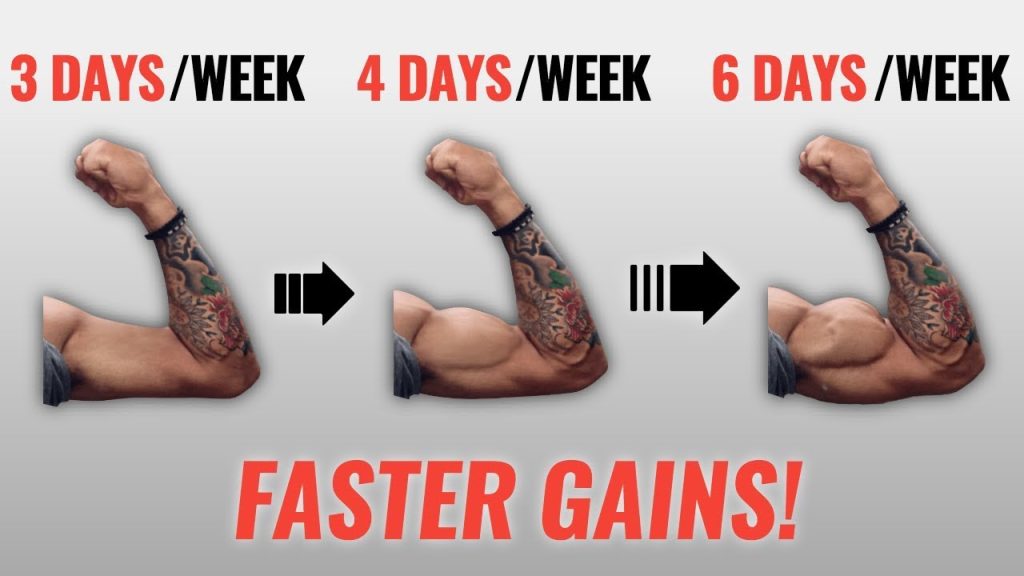
Overtraining might sound productive, but it can actually set you back. Spending excessive hours at the gym doesn’t necessarily translate to more muscle. Your muscles need adequate time to repair and grow, which can’t happen if you’re constantly breaking them down. Think about your workout schedule. Are you allowing your body enough rest between sessions? A friend of mine once hit the gym six days a week, thinking it would speed up his muscle gains. Instead, he found himself exhausted and plateaued because his muscles were too fatigued to grow. Balance is key. Aim for 3 to 5 workout sessions per week, focusing on different muscle groups. This allows for proper recovery and better results.
Neglecting Recovery
Recovery is not just about taking a day off. It involves proper nutrition, hydration, and sleep. Many overlook these aspects, thinking that lifting weights is the only important factor. However, muscles grow during rest, not during the workout itself. Ask yourself: Are you fueling your body with the right nutrients? Are you getting enough sleep? These elements are crucial for muscle synthesis and overall progress. I remember skipping meals after workouts, believing it wouldn’t make much difference. But once I prioritized post-workout nutrition, I noticed significant improvements. Recovery also includes active rest. Light activities like walking or stretching can improve blood circulation and help muscles recover faster. Make recovery a priority, and your muscles will thank you. Avoid these common mistakes, and you’ll find yourself on a smoother path to building muscle. Are you ready to adjust your routine for better results?
Frequently Asked Questions
What Is The 3/2/1 Rule In Gym?
The 3/2/1 rule involves three sets for strength, two for hypertrophy, and one for endurance in workouts. It optimizes muscle gain and endurance, ensuring a balanced and effective training routine. This method helps improve overall fitness by addressing different muscle-building aspects in a single session.
Is Lifting For 2 Hours Too Long?
Lifting for 2 hours might be excessive for most. Overtraining can lead to fatigue and injury. Aim for 45-60 minutes focusing on intensity and proper form. Tailor workouts to your goals and fitness level. Consult a fitness professional for personalized advice.
Quality matters more than duration in strength training.
What Is The 2 2 2 Rule In The Gym?
The 2 2 2 rule in the gym helps track progress. Increase weight when you can perform two extra reps in the last set for two consecutive sessions. This ensures gradual strength improvement and prevents plateaus. Remember to maintain proper form to avoid injuries.
What Is The 3-3-3 Rule In The Gym?
The 3-3-3 rule involves three sets of three exercises targeting three major muscle groups. It ensures balanced workouts, enhancing strength and muscle growth efficiently. This method encourages consistency and variety in fitness routines, helping to prevent plateaus and maintain motivation in the gym.
Conclusion
Finding the right workout length is crucial for muscle growth. Balancing intensity and duration helps achieve results. Short sessions, around 45 minutes, often work well. They allow focus and prevent fatigue. Longer workouts can be beneficial but require careful planning.
Include rest periods to avoid overtraining. Listen to your body and adjust your routine. Everyone’s needs differ, so experiment to find what works. Remember, consistency is key in building muscle. Stick to a routine and measure progress regularly. A balanced approach leads to effective muscle growth and improved health.








