Affiliate Disclosure: This post may contain affiliate links. If you purchase through links on our site, we may earn an affiliate commission at no extra cost to you.
Have you ever wondered how long it takes to build muscle mass? You’re not alone.
This question pops up in the minds of many who dream of a stronger, more sculpted physique. Whether you’re just starting out or you’ve been hitting the gym for a while, understanding the timeline for muscle growth can be both motivating and enlightening.
Imagine finally seeing the results you’ve been working so hard for, each glance in the mirror revealing a more defined you. Intrigued? You should be. Because we’re going to break down the factors that influence muscle growth, helping you set realistic goals and expectations. Ready to uncover the secrets to transforming your body? Let’s dive in!
Factors Affecting Muscle Growth
Building muscle mass is a journey influenced by several factors. Understanding these can help you optimize your muscle growth strategy. Whether you’re a seasoned gym-goer or a newbie, knowing what affects muscle development can make a world of difference. Let’s dive into some key elements that play a crucial role in your quest for bigger muscles.
Genetics And Muscle Building
Your genetic makeup can shape your muscle-building potential. If you’ve ever wondered why some people seem naturally muscular, it’s often their genes. Muscle fibers, metabolism, and hormone levels are influenced by your DNA. While you can’t change your genetics, you can work with them. Identify your body type and tailor your workout to maximize your genetic strengths.
Diet And Nutrition Impact
What you eat directly affects muscle growth. You need the right nutrients to fuel your workouts and repair muscle tissue. Proteins, carbohydrates, and healthy fats are essential. Consider a balanced diet that supports your exercise routine. Are you consuming enough protein to aid muscle repair? Keep track of your meals and ensure they align with your fitness goals.
Role Of Age And Gender
Age and gender play a significant role in muscle development. Testosterone levels, which are higher in men, can influence muscle growth. Meanwhile, aging can slow down the process as hormone levels decrease. But don’t let this discourage you! Tailor your workout to suit your age and gender, and you’ll see progress. Are you adjusting your training as you age?
Exercise Intensity And Type
The way you train matters. High-intensity workouts can stimulate muscle growth more effectively than low-intensity ones. Consider incorporating resistance training and varied exercises to target different muscle groups. Are your workouts challenging enough to push your limits? Mix up your routine to keep your muscles guessing and growing.
Understanding these factors can make your muscle-building journey smoother and more rewarding. Remember, every individual’s path is unique. What works for one person might not work for another. Explore these aspects, experiment, and find what best suits your body and goals. Are you ready to harness the factors affecting your muscle growth?
Credit: 1upnutrition.com
Training Strategies
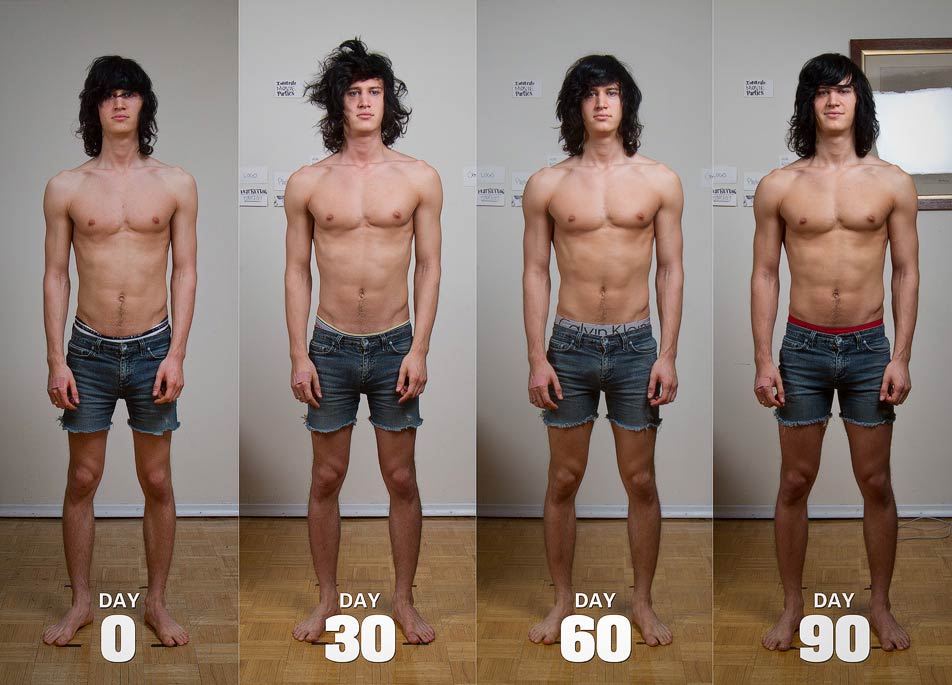
Building muscle mass takes time and consistency. Results can often be seen in about eight weeks. Patience and a balanced workout plan help achieve desired muscle growth effectively.
Building muscle mass is a journey that requires dedication, patience, and the right training strategies. While you might be eager to see instant results, understanding the science behind muscle growth can help you set realistic expectations. Let’s dive into the essential training strategies that can accelerate your muscle-building process, ensuring your efforts are both effective and rewarding.
Strength Training Basics
Strength training forms the foundation of building muscle mass. It involves exercises that focus on resistance, using weights or body weight to challenge your muscles. Start with basic movements like squats, deadlifts, and bench presses. These exercises target multiple muscle groups and are efficient for beginners. As you progress, consider adding more complex movements to your routine.
Importance Of Consistency
Consistency is key to seeing results in muscle growth. It’s not about one intense workout; it’s about regular training sessions over time. Commit to a schedule that fits your lifestyle. Whether it’s three or five times a week, sticking to your plan is crucial. Have you ever noticed how athletes maintain their physique? It’s their dedication to consistent training that keeps them in shape.
Progressive Overload Technique
The progressive overload technique is a game changer for muscle growth. It involves gradually increasing the weight or resistance in your workouts. This challenges your muscles and encourages growth. If you lift the same weight every session, your muscles adapt and stop growing. Consider adding a few pounds to your lifts every couple of weeks. You’ll be surprised how this small change can lead to significant gains over time.
Rest And Recovery Importance
Rest and recovery are often underestimated in muscle-building journeys. Your muscles need time to repair and grow after a workout. Ensure you get adequate sleep and take rest days seriously. Have you ever felt worn out after consecutive workout days? That’s your body asking for recovery time. Listen to it. Incorporate rest days into your routine to prevent burnout and injuries. What strategies will you adopt to build muscle effectively? Understanding these elements can propel your muscle-building efforts to the next level. Remember, it’s not just about lifting weights; it’s about smart training that leads to sustainable growth.
Nutrition Essentials
Building muscle mass is not just about lifting weights. Nutrition plays a key role. Eating the right foods helps muscles grow and recover. This section explores essential nutrients for muscle building.
Protein Intake Requirements
Proteins are the building blocks of muscles. Aim to consume 1.2 to 2 grams of protein per kilogram of body weight. Choose lean meats, fish, eggs, and dairy products. Plant-based sources like beans and lentils are great too. Spread protein intake throughout the day for best results.
Carbohydrates And Muscle Fuel
Carbohydrates provide energy for workouts. They fuel your muscles during intense exercise. Opt for complex carbs like whole grains, fruits, and vegetables. These carbs release energy slowly. This keeps you energized for longer periods. Consuming them after workouts aids muscle recovery.
Fats And Hormone Regulation
Fats are crucial for hormone production. Hormones like testosterone are vital for muscle growth. Include healthy fats from nuts, seeds, avocados, and olive oil. These fats also support heart health. Maintain a balanced intake for optimal muscle-building conditions.
Supplement Considerations
Supplements can support your nutrition plan. Protein powders help meet daily protein needs. Creatine boosts muscle strength and recovery. BCAAs reduce muscle soreness after workouts. Consult a nutritionist before starting supplements. It’s important to ensure they fit your dietary needs.
Tracking Progress
Building muscle mass takes time and patience. Progress varies, often requiring months of consistent exercise and proper nutrition. Regular strength training and balanced diet are key factors in achieving visible results.
Tracking progress is crucial when building muscle mass. Knowing your progress helps keep you motivated. It ensures you’re on the right path. Let’s dive into how you can effectively track your muscle-building journey.
Setting Realistic Goals
Start by setting goals that are achievable. Understand that muscle growth takes time. Aim for small, steady gains. This prevents disappointment. Focus on consistency rather than speed. Celebrate each milestone reached.
Monitoring Strength Gains
Strength is a key indicator of progress. Track the weights you lift. Notice improvements in reps and sets. Record these in a journal or app. A steady increase shows muscle growth. It also highlights areas needing more work.
Measuring Muscle Size
Use a tape measure to track muscle size. Measure key areas like biceps and thighs. Take measurements monthly. This gives a clear picture of growth. Photos can also show visible changes. Compare them over time.
Adjusting Routines
Review your routine regularly. If progress stalls, change your workout. Introduce new exercises. Increase intensity or frequency. This keeps muscles challenged. Adaptation leads to growth. Keep your routine dynamic for best results.
Common Myths
Many believe building muscle mass happens quickly, but results vary. Genetics, diet, and exercise consistency all play roles. Expect visible changes over weeks or months, not days.
Building muscle mass is a journey filled with excitement, challenges, and, unfortunately, a lot of misleading myths. Whether you’re just starting or have been lifting for years, you’ve probably encountered some common misconceptions that can derail your progress. Let’s debunk these myths and set the record straight so you can focus on what really matters in your muscle-building journey.
Spot Reduction Misconception
The idea that you can target fat loss in specific areas by focusing on exercises for those parts is a widespread myth. Doing endless crunches will not give you a six-pack if your body fat percentage is high. Muscle building is about overall body composition. If you’re looking to reduce fat, focus on a balanced workout routine that includes cardio and strength training. Remember, your body decides where to lose fat first.
Women And Bulking Myths
Many women fear that weightlifting will make them bulky, leading to a reluctance to incorporate strength training into their routines. The truth is, women generally have lower testosterone levels than men, making it difficult to gain muscle mass quickly. Strength training for women often results in a toned physique rather than bulkiness. Embrace lifting weights; you’ll be surprised at how strong and confident you feel.
Supplements As Magic Solutions
Have you ever been tempted by flashy ads promising quick muscle gains through supplements? While supplements can support your nutrition plan, they are not magic solutions. Real muscle growth requires a solid diet and consistent training. Before spending money on the latest powder or pill, make sure your food choices and workouts are on point.
Overnight Transformation Belief
We all want results fast, but the belief in overnight transformation can set you up for disappointment. Muscle building is a gradual process that takes time and dedication. Patience and persistence are key. Ask yourself: Are you willing to commit to your goals long-term? Remember, the real reward is in the journey, not just the destination. Bust these myths and empower yourself with knowledge. With realistic expectations and a well-planned routine, you’ll be well on your way to achieving your muscle-building goals.
Faqs On Muscle Building
Building muscle mass raises many questions. Fitness enthusiasts often wonder about the time, exercises, and factors affecting muscle growth. Here, we address some common queries. These answers help you on your muscle-building journey.
Minimum Time To See Results
Most people notice changes in 4 to 8 weeks. Consistent workouts and proper nutrition speed up results. Beginners might see quicker changes. Experienced lifters may take longer to notice significant gains.
Effective Exercises For Growth
Compound exercises are great for muscle growth. Squats, deadlifts, and bench presses target multiple muscles. Include isolation exercises like bicep curls for specific muscle focus. Regularly vary your routine for better results.
Best Time To Train
The best time to train is when you feel most energetic. Some prefer morning workouts for a fresh start. Others choose evening sessions to relieve stress. Consistency in training time improves routine adherence.
Age Limitations
Muscle building is possible at any age. Younger individuals may gain muscle faster. Older adults can build muscle with the right approach. Focus on proper form and recovery to avoid injuries.
Credit: outlift.com
Frequently Asked Questions
How Long Does It Take To Build Noticeable Muscle?
Building noticeable muscle typically takes 8 to 12 weeks. Consistency in workouts and nutrition accelerates results. Beginners may see faster changes. Progress varies based on genetics and effort. Track your progress to stay motivated. Aim for regular strength training and adequate protein intake for best results.
How Do I Tell If I’m Gaining Muscle?
Notice muscle growth by tracking strength gains, improved body measurements, and visual changes. Consistent workouts and protein intake help. Increased muscle definition and firmness also indicate growth. Keep an eye on energy levels and recovery speed. Use photos to compare progress over time for a clear picture.
How Long Does It Take To Put On 10 Pounds Of Muscle?
Gaining 10 pounds of muscle typically takes 6 to 12 months. Factors include workout intensity, nutrition, and individual genetics. Consistent strength training and a protein-rich diet are essential. Adjust your routine based on progress for optimal results.
How Long To See Muscle Growth Results?
Muscle growth results can vary. Generally, noticeable changes appear within 8 to 12 weeks. Consistency in strength training and nutrition is key. Individual factors like genetics, workout intensity, and diet also play a role. Tracking progress through measurements and photos can help.
Stay patient and committed for best results.
Conclusion
Building muscle takes time and effort. Consistency is key for results. Regular workouts and good nutrition support muscle growth. It’s important to be patient and stay committed. Everybody’s body reacts differently, so progress varies. Track your achievements to stay motivated.
Listen to your body and adjust your routine as needed. Celebrate small victories. Progress might be slow, but each step counts. Keep pushing forward, and over time, you’ll see improvement. Remember, muscle growth is a journey, not a race. Patience and persistence will lead you to your goals.








