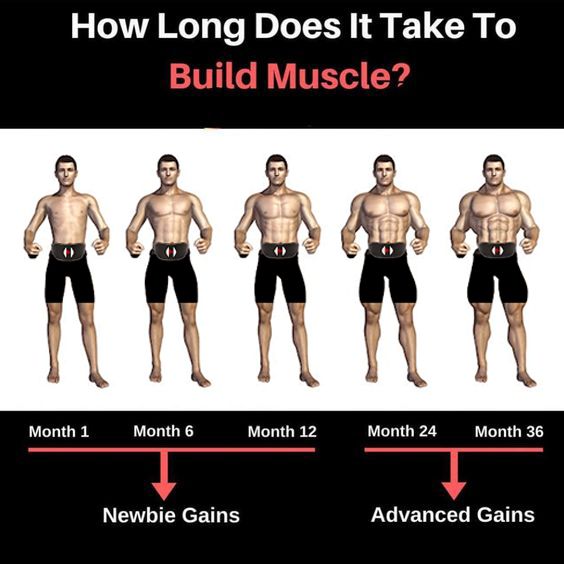
Feeling strong and fit at 40 is more than possible; it’s empowering. You’re probably wondering how long it takes to build muscle at this stage of life, and you’re not alone.
The desire to transform your body, boost your energy, and feel confident can be incredibly motivating. But there’s a catch—understanding the time it takes to see real change is crucial to keeping your motivation alive. You don’t want to be left feeling frustrated or defeated.
This article will unveil the truth behind muscle growth at 40, helping you set realistic expectations and keep your momentum going. Imagine looking in the mirror and seeing those muscles you’ve dreamed of. Isn’t that worth a few minutes of your time? Dive in, and let’s explore the journey to a stronger you.
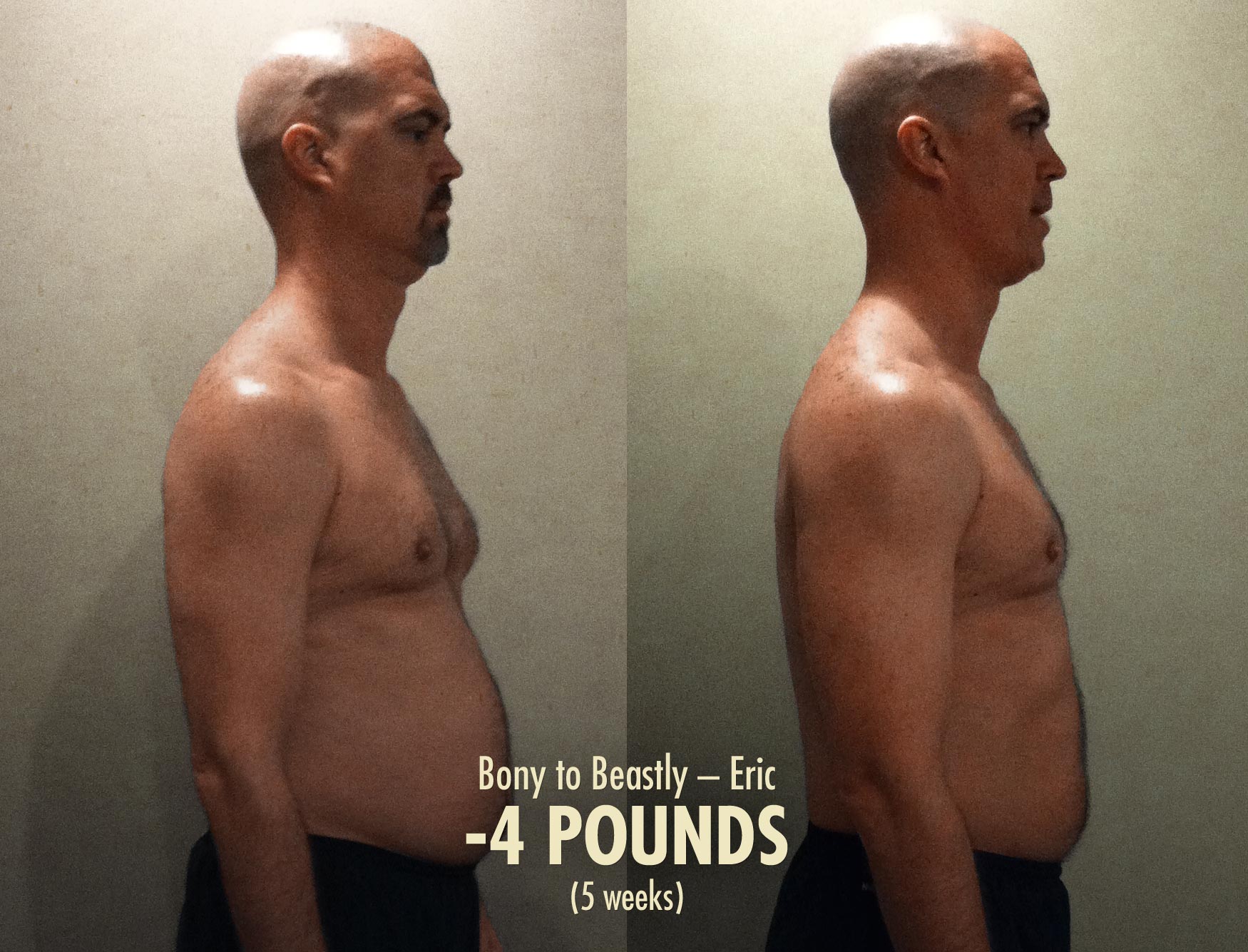
Credit: bonytobeastly.com
Factors Influencing Muscle Growth
Building muscle at 40 depends on various factors like nutrition, exercise, and rest. Consistent strength training helps improve muscle growth. Balanced diet and proper hydration play key roles too.
Building muscle at 40 might seem challenging, but understanding the factors influencing muscle growth can make the journey clearer. As you age, your body undergoes changes that can affect muscle development, yet other elements like genetics and lifestyle choices also play crucial roles. Let’s delve into how these factors impact your ability to gain muscle and how you can optimize them.Age And Muscle Development
Age brings wisdom, but it also brings physiological changes. As you hit 40, your body’s ability to produce growth hormones decreases, affecting muscle growth. However, this doesn’t mean you can’t build muscle. It just requires a different approach. In your 20s, recovery might have been quick, but now, giving your muscles time to repair is essential. Consider adjusting your workout routines to allow for more rest days. Have you ever noticed how some people seem to maintain their fitness effortlessly? Age might slow you down, but strategic planning can keep you in the game.Genetic Predispositions
Your genetics play a significant role in how easily you can build muscle. Some individuals are naturally predisposed to gain muscle mass quicker than others. But don’t let this discourage you. While you can’t change your genes, you can work with them. Focus on a balanced workout that targets different muscle groups. If your family tends to be lean, you might need to consume more protein and calories to see growth. Remember, knowing your genetic strengths and limitations can help tailor a more effective plan.Lifestyle And Habits
The way you live your life can greatly influence your muscle growth potential. Are you getting enough sleep? Lack of rest can hinder your progress as muscles grow during recovery periods. Prioritize sleep to boost your muscle-building efforts. Your diet is another crucial factor. Consuming a balanced diet with sufficient protein is essential. You might have heard someone say, “Abs are made in the kitchen,” and there’s truth in that. Also, consider how stress affects your body. High stress levels can lead to muscle breakdown. Incorporate activities like yoga or meditation to keep stress at bay. As you navigate your muscle-building journey at 40, consider these factors. Are you ready to make the necessary lifestyle changes? Embrace the process, and remember that building muscle is a marathon, not a sprint. Each small change can lead to significant results over time.
Credit: www.tonal.com
Effective Training Techniques
Building muscle at 40 requires smart and effective training techniques. Age brings challenges, but with the right methods, muscle growth is achievable. Consistency and focus are key. Targeted exercises can yield impressive results. Here’s how to train effectively for muscle growth at 40.
Strength Training Essentials
Strength training is crucial for muscle growth. Focus on compound exercises. Squats, deadlifts, and bench presses build muscle efficiently. These exercises work multiple muscle groups. They boost testosterone, aiding muscle development. Aim for 3-4 sessions per week. Gradually increase weights for continued progress.
Incorporating Cardio
Cardio complements strength training. It improves heart health and endurance. Keep sessions short but intense. Try HIIT workouts. They burn fat while preserving muscle. Cardio helps manage weight, crucial for muscle visibility. Two sessions a week is beneficial. Balance cardio with strength training for optimal results.
Importance Of Rest And Recovery
Rest is vital for muscle growth. Muscles grow during recovery, not workouts. Ensure adequate sleep each night. Aim for 7-9 hours for optimal recovery. Include rest days in your schedule. Overtraining hinders progress. Listen to your body’s signals. Rest when needed to prevent injuries.
Nutrition For Muscle Building
At 40, building muscle requires a focused approach to nutrition. Proper nutrition is crucial for muscle growth and recovery. Understanding what to eat can make the journey smoother. Let’s explore key areas like protein intake, macronutrient balance, and supplements.
Protein Intake
Protein is vital for muscle repair and growth. Aim for lean sources such as chicken, fish, and beans. Consider consuming protein with every meal. This helps maintain muscle mass. Whey protein shakes can be a convenient option. They provide quick absorption post-workout. Monitor your daily protein intake for optimal results.
Balancing Macronutrients
Carbs, proteins, and fats are macronutrients. They fuel your body and support muscle building. Ensure a balanced diet with each macronutrient present. Carbs provide energy, while fats help hormone production. Proteins repair muscles. Finding the right balance aids in effective muscle growth. Adjust your diet based on your activity levels.
Supplements To Consider
Supplements can support your muscle-building efforts. Creatine may enhance strength and performance. It helps with energy during workouts. Branched-chain amino acids (BCAAs) support muscle recovery. They reduce muscle soreness after exercise. Consult a healthcare professional before starting supplements. They ensure safe and effective use.

Credit: www.youtube.com
Overcoming Common Challenges
Building muscle at 40 can be challenging, yet rewarding. It requires dedication and focus. Achieving muscle growth involves overcoming obstacles. Many face hurdles like time constraints, injury risks, and motivation dips. Addressing these challenges is crucial for success. Understanding how to manage them can make a difference.
Managing Time Constraints
Busy schedules often limit workout opportunities. Prioritizing exercise is essential. Allocate specific time slots for workouts. Early mornings or late evenings work well. Consistency helps in muscle development. Short, effective workouts can fit tight schedules. Home workouts save commuting time. Flexibility in planning keeps routines steady.
Preventing Injuries
Avoiding injuries is crucial for progress. Warm-up exercises prepare the body. Stretching prevents muscle strains. Listen to your body during workouts. Don’t push beyond limits. Proper form reduces injury risks. Gradually increase weights and intensity. Rest days aid recovery and prevent overuse injuries.
Staying Motivated
Motivation can fluctuate over time. Setting achievable goals keeps spirits high. Track progress to visualize improvements. Celebrate small victories. Connect with fitness communities for support. Workout buddies boost motivation. Music or podcasts make workouts enjoyable. A positive mindset fosters long-term commitment.
Tracking Progress
Building muscle at 40 is a journey, and tracking your progress is crucial to stay motivated and ensure you’re on the right path. Whether you’re lifting weights or focusing on body composition, knowing how far you’ve come can help you make informed decisions about your regimen. It’s not just about seeing changes in the mirror; it’s about feeling stronger, healthier, and more confident in your skin.
Measuring Strength Gains
Strength gains are often the most tangible sign of progress. Keep a record of your workouts, noting the weights and repetitions. Seeing your numbers improve week by week can be incredibly motivating. Personal story: When I started lifting, I could barely bench press the bar. Fast forward three months, and I was adding weights. That feeling of accomplishment kept me going. Are you noticing the difference in your lifts?
Monitoring Body Composition
Body composition is more than just weight. It’s about muscle versus fat. Use tools like body fat calipers or a smart scale to track changes. A friend of mine was disheartened by the scale’s number until he realized his clothes fit better and his muscle mass had increased. Numbers don’t always tell the whole story. Have you considered how your clothes fit or how your energy levels have changed?
Adjusting Your Regimen
Your body at 40 might not respond the same way it did at 20. If your progress stalls, tweak your routine. Increase your weights, change your exercises, or adjust your diet. I once hit a plateau and decided to switch up my workouts. Within weeks, I was seeing improvements again. Are you feeling stuck in your routine? What changes might give you a new boost?
Expert Tips For Success
Building muscle at 40 requires a thoughtful approach. Age may slow muscle growth. Yet, success is achievable with the right strategies. Here are expert tips to help you succeed.
Consistency Is Key
Consistency builds muscle over time. Regular workouts matter more than intense sessions. Aim for at least three sessions weekly. Keep a balanced routine. Include strength training and cardio. This balance promotes overall health. Set realistic goals. Track progress to stay motivated.
Personalizing Your Approach
Everyone’s body responds differently. Customize your workout plan. Consider your fitness level and past injuries. Find exercises you enjoy. This keeps you engaged. Include variety in your routine. It prevents boredom and works different muscles. Listen to your body. Rest when needed to avoid burnout.
Seeking Professional Guidance
A trainer can offer valuable insights. They tailor workouts to your needs. A nutritionist helps with diet plans. Proper nutrition fuels muscle growth. Professionals guide you safely. They reduce the risk of injury. Consider joining a fitness class. Group settings provide motivation and support.
Frequently Asked Questions
How Hard Is It To Build Muscle At 40?
Building muscle at 40 is achievable with consistent effort. Focus on strength training, proper nutrition, and adequate rest. Hormonal changes may slow progress slightly. Maintaining a balanced diet rich in protein is crucial. Regular exercise boosts muscle growth and overall health.
Patience and dedication are key to success.
Can You Transform Your Body At 40?
Yes, you can transform your body at 40. Focus on balanced nutrition, regular exercise, and consistency. Prioritize strength training, cardiovascular activities, and flexibility exercises. Maintain a positive mindset and seek guidance from fitness professionals. Consult a doctor before starting any new fitness regimen.
Age is just a number for achieving fitness goals.
At What Age Is It No Longer Possible To Build Muscle?
Muscle building is possible at any age with proper exercise and nutrition. Age may slow progress, but consistent strength training helps maintain muscle mass. Consulting a fitness expert can provide personalized guidance for older adults looking to build muscle. Always prioritize safety and adapt exercises to individual needs.
Is 40 Too Late To Start Bodybuilding?
Starting bodybuilding at 40 is not too late. Many people begin at this age and achieve great results. With proper guidance and dedication, you can build muscle, improve health, and increase strength. Always consult a professional trainer to tailor workouts to your needs and ensure safety.
Conclusion
Building muscle at 40 takes time and patience. Consistent exercise and a balanced diet are key. Your body’s needs change with age, so listen closely. Rest and recovery are vital for muscle growth. Set realistic goals and stay motivated. Track your progress to see improvements over time.
Everyone’s journey is different, so don’t compare. Seek guidance if needed, like a trainer or nutritionist. Stay committed, and results will follow. Remember, it’s not just about muscles. It’s about feeling strong and healthy. Keep pushing forward. Your future self will thank you.








