Are you tired of your legs feeling weak or looking less toned than you’d like? You’re not alone.
Building muscle in your legs can be both challenging and rewarding. Imagine walking into a room with confidence, knowing your legs are strong and powerful. This isn’t just about aesthetics; strong legs can improve your overall health, enhance your athletic performance, and boost your daily energy levels.
You might be wondering where to start or which exercises are best. Don’t worry, you’re in the right place. This guide will break down the most effective strategies to help you build muscle in your legs, ensuring you see real results. Ready to transform your legs and elevate your fitness game? Let’s dive in!
Leg Muscle Anatomy
Building leg muscles involves understanding key muscles like quadriceps, hamstrings, and calves. Focus on exercises like squats and lunges. Consistent training helps develop strength and tone.
Building muscle in your legs starts with understanding the leg muscle anatomy. Knowing the different muscles and their functions can help you target them effectively in your workouts. This knowledge not only aids in muscle growth but also in preventing injuries and improving overall leg strength. Let’s dive into the essential components of leg muscle anatomy and why they matter in your fitness journey.Major Muscle Groups
Your legs comprise several key muscle groups that work together. The quadriceps, located at the front of your thigh, are responsible for extending your knee. They’re crucial for movements like squats and lunges. In the back, the hamstrings play a vital role in bending your knee and extending your hip. Strengthening these muscles can improve your sprinting ability and reduce injury risks. The calves, found at the back of your lower leg, help with ankle movement. They are essential for running and jumping activities. Don’t overlook the glutes; these muscles are crucial for hip movement and stability. They are your powerhouses for climbing stairs or lifting heavy loads.Function And Importance
Each muscle group in your legs has a unique function. The quadriceps help you stand up from a seated position. They’re also vital for any activities that require jumping or climbing. Hamstrings provide balance and prevent your knee from overextending. If you’ve ever strained your hamstring, you know how limiting it can be. Keeping them strong is crucial for overall leg health. Calves contribute to balance and posture. They are often neglected but play a significant role in every step you take. Strengthening them can enhance your endurance and agility. The glutes are often dubbed the body’s largest and strongest muscles. They not only add power but also support your lower back. Strong glutes can improve your posture and prevent back pain. Understanding these muscle groups and their functions can make your workouts more effective. Which muscle group will you focus on next? Each has its importance, and neglecting any could limit your progress. Commit to a balanced routine, and watch your leg strength soar.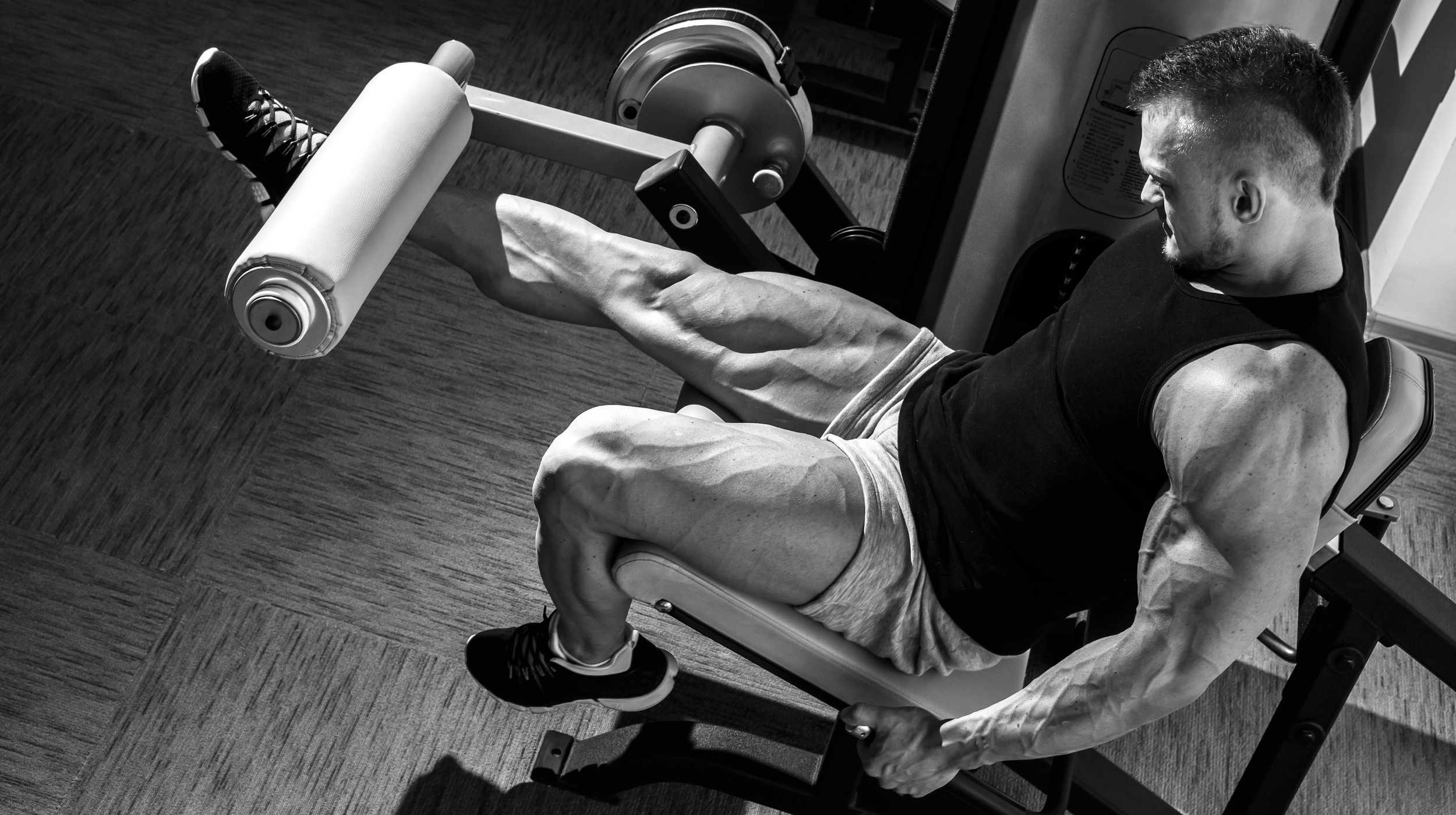
Credit: www.mindpumpmedia.com
Effective Exercises
Building muscle in your legs requires dedication and the right exercises. Squats strengthen thighs and glutes. Lunges target hamstrings and calves. Consistency is key for effective results.
Building muscle in your legs is not just about hitting the gym; it’s about focusing on effective exercises that target those muscles directly. You might wonder, “Which exercises will give me the strongest legs?” The answer lies in a mix of tried-and-true movements that have stood the test of time. Let’s dive into these exercises and see how they can transform your leg strength.Squats And Variations
Squats are the cornerstone of leg workouts. They engage your quads, hamstrings, and glutes like no other. Have you tried different types of squats? Goblet squats, sumo squats, and split squats each challenge your muscles differently. A simple bodyweight squat can be a game-changer. It’s about technique and pushing your limits.Lunges And Step-ups
Lunges are perfect for balance and coordination. They target each leg individually, giving you symmetrical strength. Step-ups mimic a natural movement. You can do them with a bench or stairs. They’re great for building explosive power. Have you ever felt your legs burn after a set of lunges? That’s progress happening right there.Deadlifts For Leg Strength
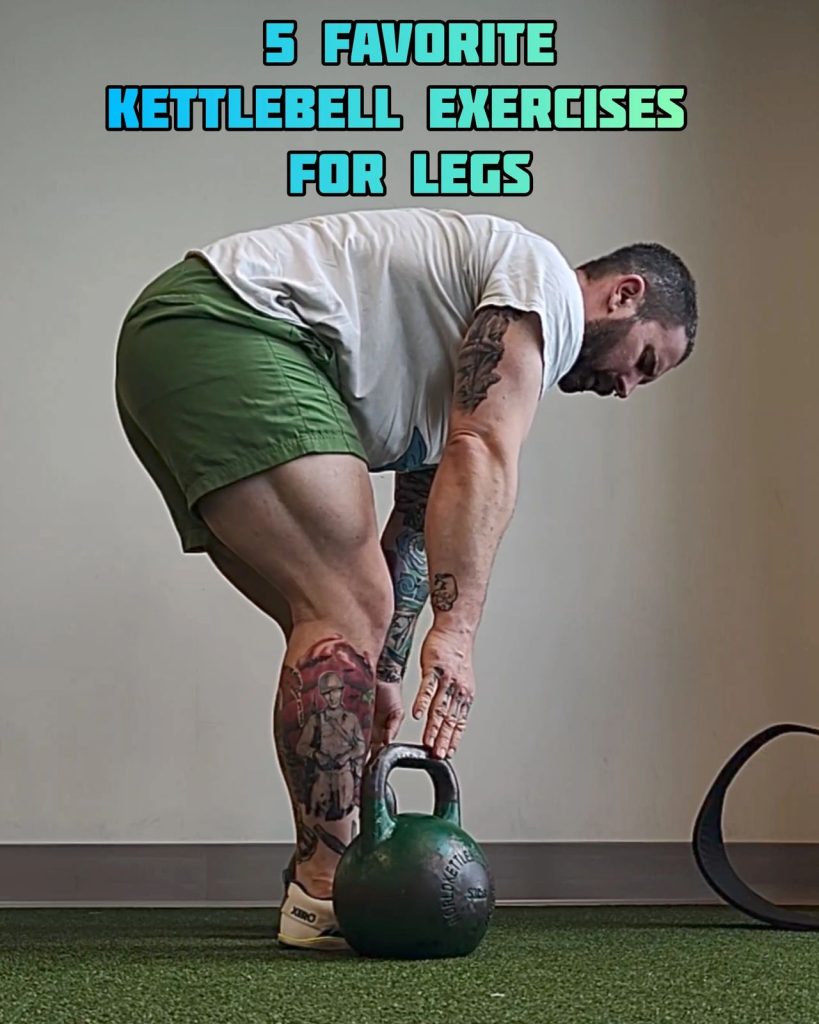
Deadlifts aren’t just for your back. They’re crucial for leg strength too. They build your hamstrings and glutes effectively. Feeling intimidated by the barbell? Start with kettlebells or dumbbells. The weight doesn’t matter as much as your form does. Proper technique ensures you gain strength without injury.Leg Press Machines
Leg press machines offer a controlled environment to build muscle. They’re excellent for isolating your quads. Have you ever noticed how you can add weight easily? This helps in progressive overload, a key to muscle growth. Using a leg press machine can be a safe way to push your limits, especially if squats feel challenging. — These exercises are your ticket to strong, toned legs. Mix them up, and keep challenging yourself. What will your next workout look like?Incorporating Resistance Training
Incorporating resistance training is key to building muscle in your legs. It strengthens and tones your muscles. There are various methods to enhance leg strength effectively. Resistance bands and free weights are popular tools to aid this process. These tools help target different muscle groups and improve overall leg strength.
Benefits Of Resistance Bands
Resistance bands are versatile and portable. They add tension to exercises, making them more challenging. This tension helps muscles grow stronger over time. Bands are great for targeting specific leg muscles. They can be used for squats, lunges, and leg presses. They also improve flexibility and mobility. Bands are cost-effective and easy to store, making them ideal for home workouts.
Using Free Weights
Free weights include dumbbells, barbells, and kettlebells. They allow you to perform a wide range of exercises. Squats and lunges with free weights increase muscle mass. They also enhance balance and coordination. Free weights challenge stabilizing muscles, which leads to greater strength. Adjusting the weight helps you progress and build muscle over time. They are essential for anyone serious about leg training.

Credit: www.youtube.com
Cardio For Leg Muscle Growth
Building muscle in your legs involves more than just lifting weights. Cardio plays a crucial role. It not only boosts endurance but also aids muscle growth. Different cardio exercises can target leg muscles effectively. Choosing the right type can make a big difference.
High-intensity Interval Training
High-Intensity Interval Training (HIIT) is effective for leg muscles. Short bursts of intense activity followed by rest periods. Sprint for 30 seconds, then walk for a minute. Repeat for 20 minutes. It challenges leg muscles and burns fat. HIIT improves both strength and stamina. Consistent practice leads to noticeable gains.
Cycling And Running
Cycling works wonders for leg muscles. It targets quads, hamstrings, and calves. Riding uphill increases muscle engagement. Running builds leg strength and endurance. It focuses on calves, thighs, and glutes. Mixing cycling and running offers varied benefits. Both exercises enhance cardiovascular health. They are accessible and require minimal equipment. Regular sessions lead to stronger legs.
Nutrition For Muscle Building
Building leg muscles requires a balanced diet rich in protein, complex carbohydrates, and healthy fats. Consuming lean meats, whole grains, and fruits helps fuel workouts and aid recovery. Proper hydration also supports muscle growth, enhancing strength and endurance in your legs.
Building muscle in your legs isn’t just about lifting weights or doing squats. What you eat plays a crucial role in muscle growth. Nutrition isn’t just the sidekick to exercise—it’s the superhero. Your body needs the right fuel to perform and recover. When focusing on leg muscles, think of your diet as the secret weapon that can maximize your efforts in the gym. Are you ready to supercharge your muscle-building journey? Let’s dive into the essentials of nutrition for muscle building.Protein-rich Diet
Protein is the building block of muscle. If you’re aiming to bulk up your legs, you need to prioritize protein in your meals. Consider adding lean meats like chicken or fish to your lunch and dinner. If you’re vegetarian or vegan, don’t worry. Beans, lentils, and tofu are excellent protein sources. A friend of mine swapped his sugary breakfast cereal for scrambled eggs, and he saw noticeable growth in his leg muscles in just a few months. Could a simple swap like that make a difference for you?Importance Of Hydration
Water might seem basic, but it’s vital for muscle health. Dehydration can slow down muscle recovery, making it harder to grow muscle. Start your day with a glass of water and keep a bottle nearby throughout your day. I used to struggle with post-workout fatigue until I started tracking my water intake. Staying hydrated made a huge difference in my energy levels and muscle recovery. Are you drinking enough water to support your muscle-building goals? When it comes to building muscle in your legs, nutrition is just as important as your workout routine. Focus on protein-rich foods and keep your body well-hydrated. These simple changes could be the game-changer you need on your fitness journey.Rest And Recovery
Building muscle in your legs requires more than just exercise. Rest and recovery are essential components of any fitness routine. They allow your muscles to heal and grow stronger. Without proper rest, your efforts may not yield the desired results. Incorporating rest and recovery strategies can enhance your leg muscle growth.
Role Of Sleep
Sleep plays a critical role in muscle recovery. During sleep, your body repairs and builds muscle tissue. Aim for 7 to 9 hours of quality sleep each night. A consistent sleep schedule helps maintain hormonal balance. This balance is crucial for muscle growth. Lack of sleep can hinder recovery and reduce performance. Prioritize sleep to maximize your leg muscle gains.
Active Recovery Techniques
Active recovery involves low-intensity exercises. These exercises promote blood flow to your muscles. Activities like walking, cycling, or yoga can aid recovery. They help reduce muscle soreness and stiffness. Active recovery also keeps your body moving without overexertion. Include active recovery days in your workout plan. This approach supports muscle health and growth.
Tracking Progress
Building muscle in your legs requires dedication and time. Tracking progress keeps you motivated. It shows how far you’ve come. It helps identify what works best.
Measuring Strength Gains
Strength gains indicate muscle growth. Track your lifting weights. Record how many reps you perform. If you can lift more weight or do more reps, you’re gaining strength.
Consider using a workout log. It helps you see your improvements. Each week, try to increase weight or reps. This shows you’re getting stronger.
Visual And Physical Changes
Visual changes can be subtle. Take photos every few weeks. Compare them to see muscle definition. Notice how your clothes fit. Tighter jeans or less room in shorts can be a sign of muscle gain.
Feel the changes in your legs. Are your muscles firmer? Is your endurance better? These physical signs show progress in your leg muscle journey.

Credit: www.instagram.com
Common Mistakes
Many focus only on heavy weights, neglecting proper form, leading to injury. Skipping warm-ups increases the risk of muscle strain. Consistency is key, yet often overlooked, hindering progress.
Building muscle in your legs demands dedication and knowledge. Many face hurdles due to common mistakes. Understanding these errors helps in avoiding them. Your progress can be hindered by simple oversights.Overtraining Risks
Pushing too hard can backfire. Muscles need recovery time to grow. Without rest, you may face fatigue and injury. Overtraining also affects your performance. Listen to your body. Schedule rest days to improve your leg strength. Balance workouts with proper rest.Neglecting Form And Technique
Form is crucial for effective workouts. Poor technique leads to injury. Proper posture ensures the right muscles work. Focus on each movement. Avoid rushing through exercises. Slow, controlled motions benefit muscle growth. Correct form boosts results. Prioritize technique over weight.Frequently Asked Questions
How Can I Build Leg Muscle Fast?
To build leg muscle fast, focus on squats, lunges, and deadlifts. Incorporate progressive overload and increase weights regularly. Consume protein-rich foods to support muscle growth. Ensure adequate rest and recovery for optimal results. Consistency and proper technique are key to achieving strong leg muscles quickly.
How Long Does It Take To Gain Muscle In My Legs?
Muscle gain in legs typically takes 8-12 weeks with consistent strength training and proper nutrition. Results vary based on factors like genetics, workout intensity, and diet. Regularly challenging your muscles and ensuring adequate protein intake can enhance growth. Consult a fitness professional for personalized guidance and optimal results.
Are Legs Hard To Build Muscle?
Building leg muscles can be challenging. Legs have larger muscle groups requiring consistent training and proper nutrition. Exercises like squats and lunges help. Dedication and correct techniques are essential for progress. Rest and recovery also play vital roles in muscle growth.
Stay committed for effective results.
What Foods Build Muscle In The Legs?
Consume lean proteins like chicken, turkey, and fish to build muscle in the legs. Include eggs and legumes for additional protein. Add complex carbohydrates like quinoa and brown rice for energy. Incorporate healthy fats from avocados and nuts. Stay hydrated and maintain a balanced diet for optimal muscle growth.
Conclusion
Building strong leg muscles takes dedication and consistency. Regular workouts play a crucial role. Include squats, lunges, and leg presses in your routine. These exercises target key leg muscles. Eating a balanced diet also supports muscle growth. Protein-rich foods help repair and build muscle.
Stay hydrated and rest well for recovery. Avoid skipping leg days in your workout plan. Progress might be slow, but patience is key. Celebrate small achievements along the way. Remember, every effort counts towards stronger legs. Keep pushing forward, and results will follow.
Your legs will thank you for the hard work.








