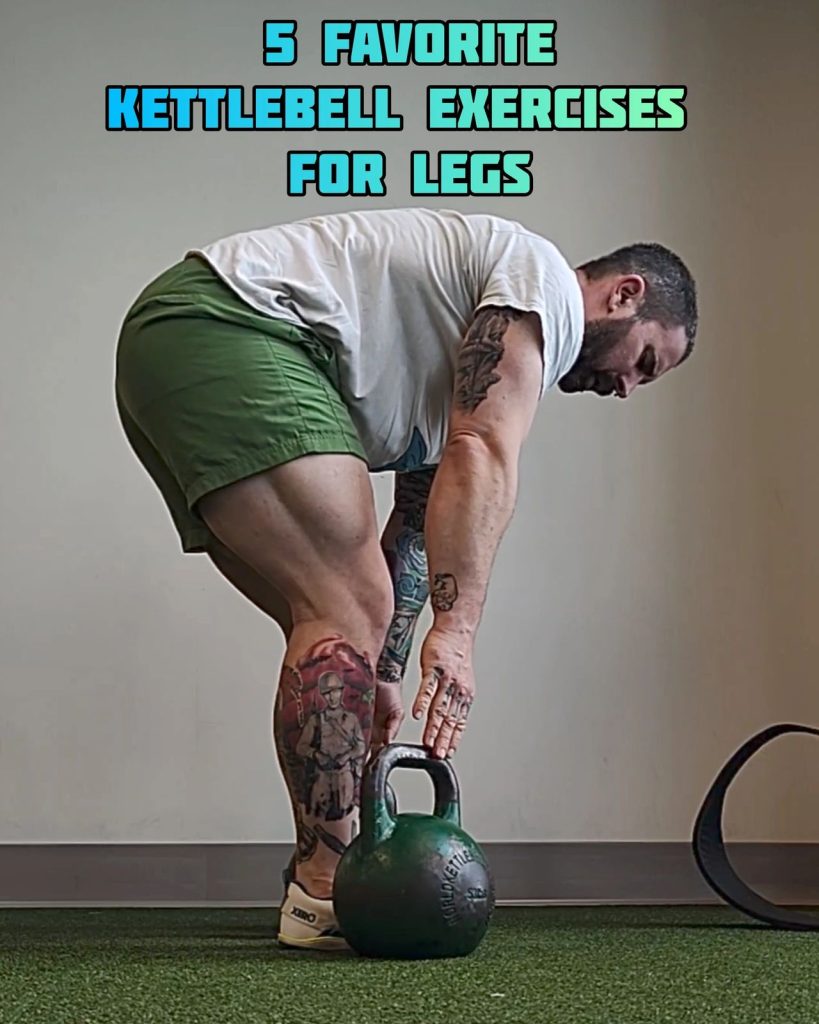
Ever looked in the mirror and wished your legs were stronger and more muscular? If you’re nodding, you’re not alone.
Building muscle in your legs isn’t just about aesthetics; it’s about boosting your overall strength and fitness. But where do you start? How can you ensure every squat and lunge makes a difference? This guide holds the secrets to transforming your legs into powerful pillars.
Imagine the confidence and energy you’ll feel with every step. Ready to discover the path to stronger legs and unlock your potential? Let’s dive in and uncover the simple yet effective strategies that can revolutionize your fitness journey. Your stronger legs are just a few steps away.

Credit: www.youtube.com
Leg Anatomy Basics
Building leg muscle requires understanding basic leg anatomy. Focus on exercises like squats and lunges. These target major muscles like quadriceps and hamstrings. Proper form and consistency are key to achieving strong, toned legs.
Building muscle in your legs starts with understanding the basics of leg anatomy. Knowing how your muscles work will help you target them effectively. This knowledge empowers you to make informed decisions about your workout routine.Understanding Major Leg Muscles
Your legs house several major muscles, each playing a crucial role in movement and strength. The quadriceps are located at the front of your thigh, responsible for straightening your knee. Your hamstrings, on the back of your thigh, help bend your knee and extend your hip.The Role Of Calves
Your calves are made up of two main muscles: the gastrocnemius and the soleus. These muscles allow you to stand on your toes and assist in movements like running and jumping. Strengthening your calves can improve your balance and stability.Importance Of Glutes
Don’t overlook your glutes, even though they’re not technically part of your legs. Strong glutes support the movement of your lower body and protect your lower back. Targeting your glutes can enhance your performance in leg workouts.Connective Tissues And Their Functions
Connective tissues, like tendons and ligaments, hold your muscles and bones together. They play a vital role in maintaining joint stability. Ensuring these tissues are strong can prevent injuries during intense workouts.Understanding Muscle Fiber Types
Your leg muscles are composed of different fiber types, each designed for specific functions. Fast-twitch fibers are great for explosive movements like sprinting, while slow-twitch fibers support endurance activities. Knowing this helps tailor your workouts to your fitness goals.How Muscle Growth Happens
Muscle growth occurs when you challenge your muscles and allow them to recover. This process, known as hypertrophy, involves breaking down muscle fibers during exercise and rebuilding them stronger. Are you giving your muscles enough time to rest and grow? By grasping these basics, you’re ready to design a workout plan that suits your needs. Whether aiming for strength, size, or endurance, understanding your leg anatomy is key. So, how will you apply this knowledge to your next leg day?Importance Of Leg Strength
Building muscle in your legs strengthens your body and boosts metabolism. Squats and lunges are effective exercises for leg muscles. Consistent training improves balance and stability, enhancing overall health.
Building muscle in your legs isn’t just about aesthetics. Strong legs lay the foundation for overall fitness and daily activities. They support your body’s weight, improve balance, and enhance athletic performance. Strengthening your legs can boost your confidence and make everyday tasks easier.Why Leg Strength Matters
Leg strength isn’t just for athletes. It’s crucial for everyone. Walking, climbing stairs, or even standing for long periods all rely on leg muscles. Strong legs reduce the risk of injuries by providing stability and support to your joints. They help you maintain a good posture, which can prevent back pain.Boost Your Athletic Performance
If you play sports, leg strength is a game-changer. Whether you’re running, jumping, or kicking, powerful legs can enhance your performance. You’ll move quicker, jump higher, and sustain energy longer. Imagine yourself running faster or jumping higher than ever before.Enhance Your Daily Activities
Strong legs make everyday life easier. Carrying groceries or playing with your kids becomes less of a chore. Leg muscles support your body during physical activities, reducing fatigue. You’ll notice tasks like gardening or even walking up a hill become less tiring.Prevent Injuries
Weak legs are prone to injuries. Strengthening them helps protect your knees and ankles from strains and sprains. You can avoid common injuries by building muscle. Leg exercises improve flexibility and balance, reducing the risk of falls.Simple Exercises To Build Leg Strength
Start with squats and lunges. They target multiple muscles at once. Try calf raises for lower leg strength. Add resistance with weights or bands to challenge yourself. Integrate these into your routine a few times a week.Stay Consistent
Consistency is key. Regular exercise builds muscle over time. Set realistic goals and track your progress. Celebrate small victories to stay motivated. Remember, it’s not about the destination but enjoying the journey.Effective Leg Exercises
Building muscle in your legs involves consistent strength training exercises like squats and lunges. Focus on proper form and gradually increase resistance. Pair workouts with balanced nutrition to support muscle growth.
Building muscle in your legs requires dedication, a smart workout plan, and the right exercises. If you’re looking to strengthen your lower body, you’ll need to focus on effective leg exercises. These exercises target different muscle groups, ensuring balanced development and strength. Whether you’re a seasoned gym-goer or just starting out, incorporating these exercises into your routine can make a significant difference.Squats
Squats are a powerhouse exercise for leg building. They target your quadriceps, hamstrings, and glutes, offering a comprehensive lower-body workout. The beauty of squats is their versatility; you can do them with just your body weight, or you can add a barbell for extra resistance. The first time I added squats to my routine, I noticed a significant increase in leg strength within weeks. Remember to keep your back straight and knees behind your toes to prevent injury.Lunges
Lunges are another fantastic exercise to add to your leg workout. They focus on your quadriceps, hamstrings, and glutes while also improving balance and coordination. You can perform lunges with dumbbells in each hand for added intensity. Switching between forward and reverse lunges can keep your workouts fresh and challenging. Why not try alternating lunges in your next session and feel the burn?Deadlifts
Deadlifts are often associated with building a strong back, but they’re equally effective for your legs. They work your hamstrings and glutes, along with engaging your core for stability. Proper form is crucial; ensure you maintain a flat back and avoid rounding your shoulders. Adding deadlifts transformed my leg day routine and added noticeable strength. Are you ready to lift heavy and see the results?Leg Press
The leg press is an excellent machine-based exercise that targets your quadriceps, hamstrings, and glutes. It allows you to lift heavier weights safely as you’re in a seated position. Adjust the foot placement to engage different parts of your legs. I found that varying my foot placement—higher and wider—helped target different muscle areas effectively. How will you adjust your leg press to maximize your gains?These exercises can be the cornerstone of a robust leg routine. Mix them up, challenge yourself, and watch your leg strength soar. Are you ready to step up your leg day game?
Incorporating Resistance Training
Boosting leg muscles involves resistance training. Squats and lunges effectively target quads, hamstrings, and calves. Consistent effort and proper form lead to stronger, sculpted legs.
Incorporating resistance training into your workout routine is crucial for building muscle in your legs. Whether you’re aiming for toned thighs or powerful calves, resistance training strengthens and sculpts leg muscles efficiently. This approach not only enhances muscle growth but also boosts overall leg strength and stability. Let’s explore the different tools and methods available for resistance training and how you can optimize them for your leg workouts.Free Weights Vs Machines
Using free weights, like dumbbells and barbells, offers versatility in leg training. They allow you to perform exercises like squats and lunges, engaging multiple muscle groups simultaneously. Free weights encourage natural movement patterns and improve balance and coordination. You can adjust the weight to suit your strength level, making it ideal for gradual progression. Machines, on the other hand, provide controlled movements that target specific muscles. They are perfect for isolating particular areas, like the quadriceps or hamstrings. Machines reduce the risk of injury by maintaining proper form, especially for beginners. If you’re unsure about balancing weights, machines are a great starting point to build confidence.Benefits Of Resistance Bands
Resistance bands are a fantastic alternative for leg workouts. They are portable, affordable, and offer various levels of resistance. You can use them anywhere, making it easy to maintain consistency in your exercise routine. Resistance bands enhance muscle activation by providing tension throughout the entire movement. Unlike weights, bands provide resistance in both directions of an exercise, ensuring comprehensive muscle engagement. This helps improve strength and endurance without putting too much strain on your joints. You can use them for exercises like band squats or leg curls, adding variety to your leg workouts. Have you ever considered how simple tools could transform your leg training? The choice between free weights, machines, and bands can significantly impact your muscle-building journey. What’s holding you back from trying something new today?Optimizing Workout Routine
Building muscle in your legs requires an effective workout routine. It’s not just about lifting heavy weights. It’s about doing the right exercises at the right time. Your routine should fit your body and goals. By focusing on frequency, duration, rest, and recovery, you can maximize your gains.
Frequency And Duration
Exercising your legs should be done regularly. Aim for three to four times a week. Each session should last about 45 minutes to an hour. This keeps your muscles engaged and growing. Consistency is key. Short, intense workouts are often more effective than longer ones.
Rest And Recovery
Your muscles need time to heal. Rest days are crucial. They allow your muscles to repair and grow stronger. Include at least one full rest day each week. Sleep is also important. Aim for seven to eight hours a night. This helps your body recover and build muscle.

Credit: www.youtube.com
Role Of Nutrition In Muscle Growth
Nutrition fuels muscle growth in your legs. Essential nutrients like protein and carbohydrates support muscle repair and energy. Healthy fats and vitamins aid in recovery and strength building.
Role of Nutrition in Muscle GrowthBuilding muscle in your legs goes beyond the workouts you do at the gym. Nutrition plays a crucial part in muscle growth. What you eat directly affects how effectively your body can build and repair muscle tissue. If you’ve ever wondered why your progress has plateaued, it might be time to look at your diet. Are you giving your body the nutrients it needs to support muscle growth? Let’s explore how nutrition can become your ally in leg muscle development.Protein Intake
Proteins are the building blocks of muscle. To grow muscles in your legs, you need to ensure you’re consuming enough protein. Aim for lean sources like chicken, fish, and legumes. For those who enjoy variety, tofu and quinoa are excellent choices too. Consistency is key. Eating protein-rich meals regularly can help. Consider having a protein shake post-workout to give your muscles a quick boost. Do you track your protein intake? Monitoring it can be a game-changer.Carbohydrates And Fats
Carbs often get a bad rap, but they are essential for energy. Your leg workouts can be intense, and carbohydrates fuel these sessions. Whole grains, fruits, and vegetables should be your go-to sources. They provide the necessary energy to push through those last few reps. Fats, on the other hand, support hormone production, which is vital for muscle growth. Don’t shy away from healthy fats like avocados, nuts, and olive oil. Have you noticed how a balanced diet can enhance your workout performance? Keeping the right balance of carbs and fats ensures your muscles have the energy and support they need. Nutrition can be the missing puzzle piece in your muscle-building journey. Are you ready to fuel your body for success?Importance Of Consistency
Building muscle in your legs requires consistency in workouts. Regular exercise strengthens muscles and boosts endurance. Establishing a routine helps track progress and improve results over time.
Building muscle in your legs requires dedication and hard work, but above all, it demands consistency. Without consistency, even the best workout plans will fall short. You might start strong, but without regular effort, progress can stall. Consistency is the secret sauce that turns your leg workouts from good to great. It’s like watering a plant—you can’t do it once and expect it to grow. You need to keep at it, day in and day out.Why Consistency Matters
Consistency is key because it helps your muscles adapt and grow. When you work out regularly, your body learns to handle the stress of exercise more efficiently. Skipping sessions disrupts this process, making it harder to build muscle. Imagine trying to learn a new skill; without regular practice, progress is slow. The same applies to your leg workouts.Setting Realistic Goals
Start by setting achievable goals. Unrealistic expectations can lead to frustration and burnout. Break your main goal into smaller, manageable milestones. Celebrate each victory to stay motivated. You could aim to add five more squats each week or increase the weight you lift by a few pounds. These small wins keep you on track and excited about your progress.Creating A Routine
Establish a workout schedule that fits your lifestyle. Consistency is easier when exercise becomes a habit. Choose days and times that you can stick to without interruption. Whether it’s a morning jog or an evening gym session, make it a non-negotiable part of your day. Having a routine helps your body and mind prepare for the workout, making you more committed.Tracking Your Progress
Keep a record of your workouts to monitor improvement. Seeing how far you’ve come can boost your confidence and drive. You can use a simple notebook or a fitness app. Note down the exercises, sets, reps, and weights. This also helps you identify patterns and adjust your routine as needed.Overcoming Plateaus
Hitting a plateau can be demotivating, but it’s a normal part of the process. Change your routine to challenge your muscles differently. Add new exercises or increase your intensity. Sometimes, a small tweak is all it takes to break through. Remember, consistency doesn’t mean doing the same thing over and over. It’s about showing up and adapting when necessary.Staying Motivated
Find what keeps you excited about your workouts. It could be a playlist, a workout buddy, or a new pair of sneakers. Motivation can wane, but having something to look forward to helps maintain your consistency. Try setting up a reward system for yourself. Maybe a treat for every month you stick to your routine. Are you ready to commit to consistent leg workouts? Your future self will thank you for it. The journey might be tough, but the results are worth every effort. Stay consistent, and watch your legs transform.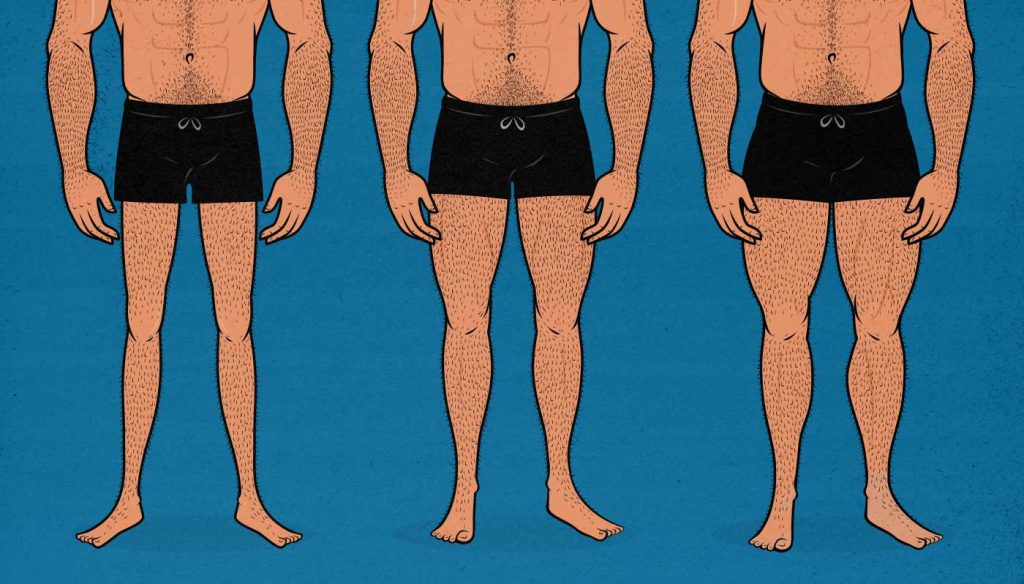
Credit: bonytobeastly.com
Tracking Progress
Building muscle in your legs requires consistent effort and tracking your progress. Focus on squats, lunges, and leg presses. Keep a journal to note improvements in weight and repetitions. Adjust your routine based on these records for better results.
Tracking your progress is crucial when you’re on a mission to build muscle in your legs. It’s easy to feel motivated at the start, but how do you ensure you’re moving in the right direction? Keeping tabs on your progress not only helps in maintaining enthusiasm but also provides a roadmap for success. By measuring muscle growth and adjusting your plan as needed, you can make informed decisions that lead to bigger gains.Measuring Muscle Growth
To see real progress, it’s important to measure muscle growth consistently. Start by taking measurements of your leg circumference at the thigh, calf, and ankle. Use a flexible tape measure, and record the data every two weeks. This gives you a tangible view of your growth over time. Consider taking photos too. Standing in the same position under similar lighting conditions can visually track changes in muscle definition. Sometimes, the mirror shows what numbers can’t. Are you noticing changes in strength? Keep a log of your performance in exercises like squats and lunges. Increasing weights or reps is a clear sign your muscles are developing.Adjusting Your Plan
Once you have your data, it’s time to tweak your workout plan. If your leg muscles aren’t growing as expected, consider varying your routine. Introduce new exercises or increase the intensity. Have you been sticking to the same number of sets and reps? Try changing the volume or frequency. Sometimes, a small adjustment can lead to significant results. Is your nutrition supporting your goals? Reflect on your diet and ensure you’re consuming enough protein and calories to fuel muscle growth. Your body needs the right nutrients to repair and build muscle tissue. What if your progress feels stagnant despite changes? It might be time to consult a fitness professional for personalized advice. Remember, each body responds differently, and expert guidance can offer a fresh perspective. Tracking progress isn’t just about numbers—it’s about understanding your body’s unique journey. How will you use your data to make smarter decisions in your muscle-building quest?Avoiding Common Mistakes
Building muscle in your legs requires avoiding common mistakes. Focus on proper form to prevent injuries. Prioritize balanced workouts and rest to enhance growth.
Building muscle in your legs requires dedication and smart strategies. Avoiding common mistakes is crucial for achieving optimal results. Many people make errors that hinder progress. By recognizing and correcting these missteps, you can enhance your leg workouts effectively.Overtraining
Overtraining can lead to fatigue and injury. It’s tempting to train daily for quick results. But your muscles need time to recover. Rest days are as important as workout days. They allow muscles to repair and grow stronger. Listen to your body and avoid pushing too hard. A balanced schedule prevents burnout and keeps you motivated.Neglecting Form
Neglecting form during exercises can limit muscle growth. Proper technique ensures effective workouts. It reduces the risk of injury and targets the right muscles. Focus on controlled movements and posture. Use mirrors or ask for guidance to maintain correct form. Quality over quantity makes a significant difference in muscle building. Prioritize form to maximize your leg development efforts.Frequently Asked Questions
How Can I Build Leg Muscle Fast?
Focus on compound exercises like squats and lunges. Increase intensity with weights. Ensure proper form and progressive overload. Maintain a balanced diet rich in protein. Prioritize rest and recovery.
Can Skinny Legs Gain Muscle?
Yes, skinny legs can gain muscle. Focus on strength training exercises like squats and lunges. Consistent workouts and a protein-rich diet support muscle growth. Ensure proper rest and recovery to maximize results.
Why Is It So Hard For Me To Build Muscle In My Legs?
Building leg muscle can be tough due to genetics, improper training, or lack of nutrition. Focus on compound exercises like squats and lunges. Ensure adequate protein intake and recovery time. Consistency and progressive overload are key for muscle growth. Consult a fitness expert for personalized guidance.
How Long Does It Take To Gain Muscle In My Legs?
Gaining muscle in your legs typically takes 8 to 12 weeks with consistent strength training. Focus on exercises like squats and lunges, and ensure proper nutrition. Rest and recovery are also crucial for muscle growth. Individual results may vary based on genetics and training intensity.
Conclusion
Strong legs need commitment and smart workouts. Focus on exercises like squats and lunges. They target leg muscles effectively. Remember to eat protein-rich foods. They help muscle growth. Consistent practice is key. Set achievable goals for progress. Don’t forget to rest.
Muscles grow during recovery, not workouts. Stay motivated by tracking your progress. Celebrate small wins. Listen to your body and adapt exercises. Feeling pain? Adjust your routine. Keep learning and improving. Building muscle takes time. Stay dedicated and patient. Your efforts will pay off with stronger legs.








