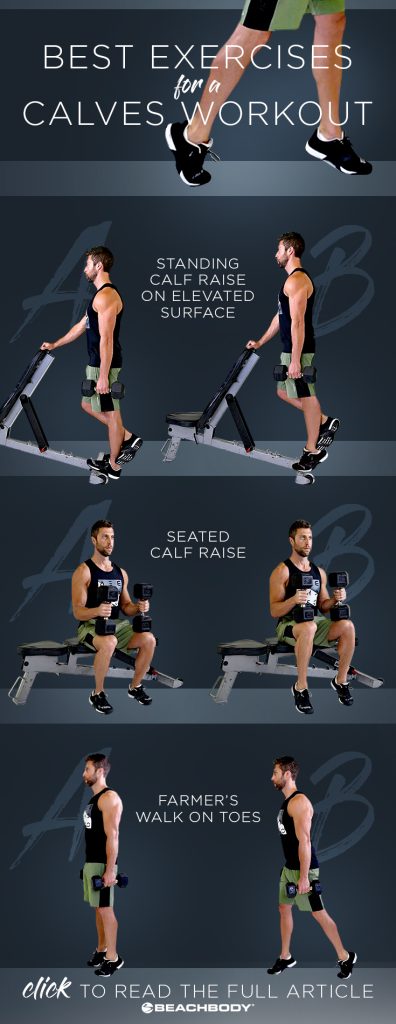
Are you tired of feeling like your calf muscles are the forgotten part of your workout routine? Maybe you’re looking for a way to build stronger, more defined calves without stepping foot in a gym.
Great news—you’re in the right place! This guide on home calf workouts is designed just for you. Imagine feeling more balanced, improving your athletic performance, and enjoying the aesthetic benefits of well-toned calves, all from the comfort of your home.
You’re about to discover simple yet effective exercises that fit seamlessly into your busy lifestyle. Ready to transform your lower legs and boost your confidence? Keep reading to find out how you can achieve impressive results with just a few minutes a day. Your calves are waiting for the attention they deserve!
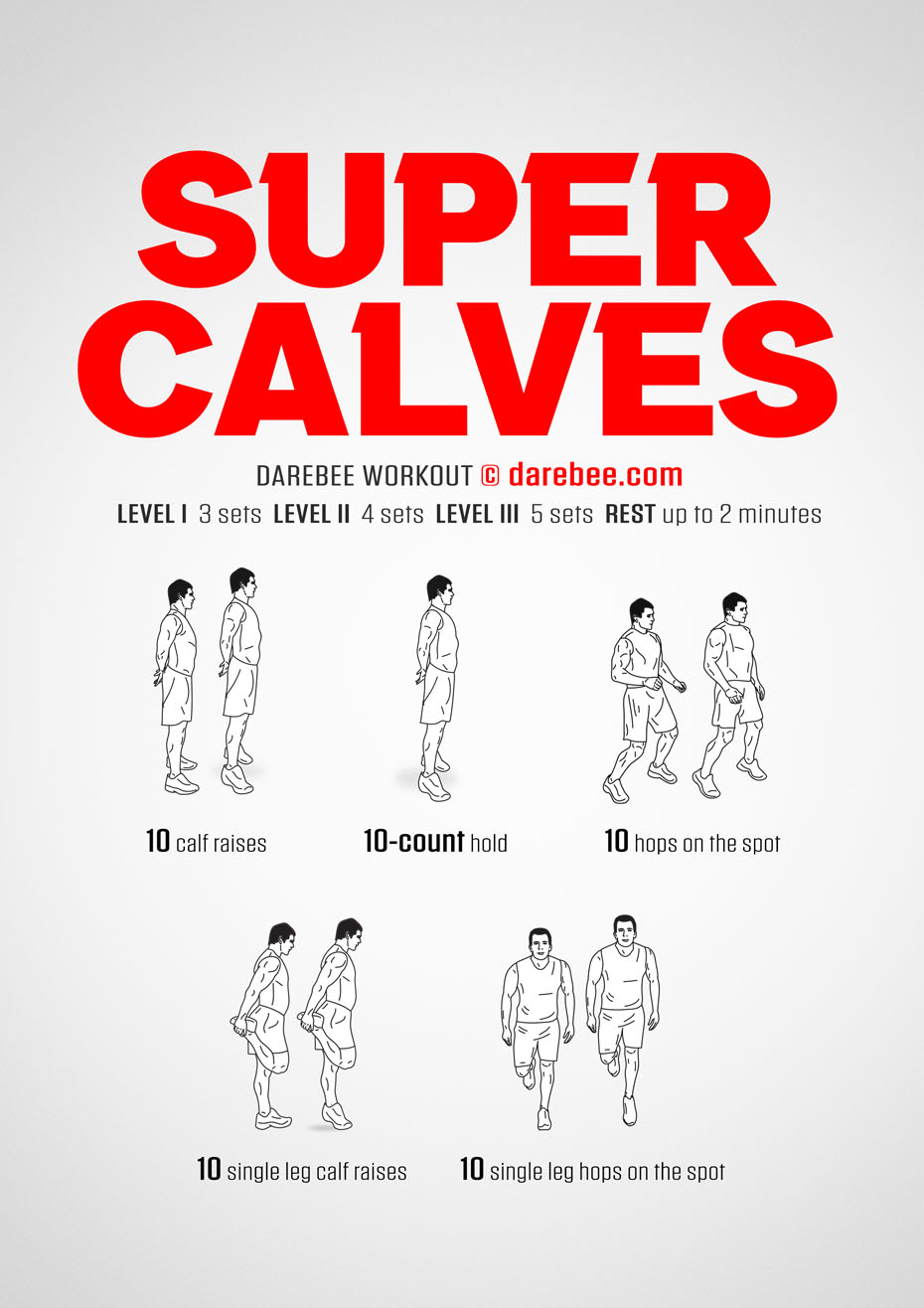
Credit: darebee.com
Benefits Of Calf Workouts
Calf workouts offer numerous benefits for fitness enthusiasts. Strong calves support better balance and stability. They play a key role in various daily activities. Understanding these benefits can motivate you to focus on calf exercises.
1. Improved Balance And Stability
Calves help maintain balance during movement. They stabilize the body while walking or running. Strong calves reduce the risk of falls and injuries.
2. Enhanced Athletic Performance
Athletes need powerful calves for peak performance. Strong calves boost speed and agility. They help athletes jump higher and move faster.
3. Better Joint Support
Calves support the knee and ankle joints. This reduces strain during activities. Strong calves lead to healthier joints over time.
4. Increased Calorie Burn
Calf workouts engage large muscle groups. This increases calorie burn and aids weight loss. Even simple exercises can be effective.
5. Aesthetic Benefits
Well-defined calves enhance the appearance of your legs. They add symmetry and balance to your physique. Aesthetic appeal boosts confidence.
6. Endurance And Stamina
Regular calf workouts build endurance. They improve stamina for prolonged activities. This helps you perform better in sports and daily tasks.
7. Versatility And Convenience
Calf exercises are versatile and easy to do at home. No special equipment is needed. This makes it convenient for everyone.
Anatomy Of Calf Muscles
Understanding the anatomy of your calf muscles can help you target them effectively in your workouts at home. The calves are crucial for daily activities like walking and climbing stairs. They consist of two main muscles that play different roles in movement. Let’s dive into the specifics.
Anatomy Of The Gastrocnemius Muscle
The gastrocnemius is the larger muscle, forming the bulk of the calf’s shape. It has two heads, medial and lateral, giving it its distinctive appearance. This muscle is responsible for powerful movements like sprinting or jumping. Ever tried running uphill and felt the burn? That’s your gastrocnemius working hard.
Anatomy Of The Soleus Muscle
The soleus lies beneath the gastrocnemius. It’s a flat muscle that doesn’t get as much attention, but it’s equally important. It helps with standing and walking by supporting long-duration activities. If you’ve ever gone for a long hike, your soleus is likely doing most of the work.
How Calf Muscles Work Together
The gastrocnemius and soleus work in tandem during various activities. While the gastrocnemius kicks in during high-intensity actions, the soleus supports endurance tasks. Together, they stabilize your foot and ankle, allowing you to move efficiently. Next time you plan your calf workout, consider exercises that target both muscles.
The Importance Of Calf Muscle Strength
Strong calves can enhance your balance and prevent injuries. They help you maintain stability in unpredictable situations. Ever slipped on a wet surface and caught yourself just in time? Your calf strength played a role there. Focus on strengthening both muscles to improve overall leg health.
Now, think about this: How often do you consciously train your calves? Incorporating specific exercises into your routine can make a significant difference. Start with simple exercises like calf raises, and gradually increase intensity. Your calves will thank you.
Essential Equipment
Home calf workouts require minimal equipment to effectively target muscles. A sturdy chair or wall supports balance. Dumbbells or resistance bands add weight for deeper muscle engagement, enhancing results.
Building strong calves at home doesn’t require fancy equipment or a gym membership. With a few essential tools, you can effectively target your calf muscles for maximum growth and strength. Whether you’re a fitness newbie or seasoned enthusiast, having the right equipment can make your workout more efficient and enjoyable. Let’s dive into what you need to get started.Resistance Bands
Resistance bands are versatile and affordable. They come in different tension levels, allowing you to increase or decrease resistance based on your strength. Wrap them around your feet for calf raises or use them for stretching exercises. They’re compact, making them perfect for small spaces. Have you tried them before? You might be surprised at how challenging they can be.Adjustable Dumbbells
Dumbbells are a staple for home workouts. Adjustable ones save space and offer flexibility in weight selection. Use them for weighted calf raises to add intensity to your routine. Adjust the weight as you progress, ensuring your calves continue to grow. It’s fascinating how a simple change in weight can challenge your muscles differently.Step Platform
A step platform is excellent for calf workouts. It’s used for step-ups and other exercises that require elevation. The height can be adjusted to increase difficulty. Consider using your stairs if you don’t have a platform. This simple tool can transform your living room into a workout space. Have you thought about using everyday items for your fitness?Foam Roller
Recovery is crucial, and a foam roller aids in muscle relief. Roll your calves post-workout to reduce soreness and improve circulation. It’s an inexpensive way to speed up recovery and maintain muscle health. Have you ever felt that satisfying release after using a foam roller?Yoga Mat
A good yoga mat isn’t just for yoga. It provides cushioning and stability for your exercises. Protect your joints during calf raises and stretches. A mat also defines your workout space, helping you focus. Isn’t it amazing how a simple mat can enhance your workout experience? — Remember, the right equipment can make all the difference. Are you ready to take your calf workout to the next level? With these tools, you have everything you need to start building stronger calves right at home.
Credit: spotebi.com
Warm-up Exercises
Jumping into a workout without warming up is like diving into ice-cold water without testing the temperature first. Just as you wouldn’t rush into the chilly depths, you shouldn’t skip warming up your muscles before tackling calf exercises. Warm-up exercises are crucial to prepare your body and prevent injury, ensuring your calves are ready for the challenge ahead. Let’s dive into some effective warm-up exercises that you can easily do at home.
Dynamic Stretching
Dynamic stretching is a fantastic way to get your blood flowing and muscles firing. Unlike static stretches where you hold a position, dynamic stretches involve movement and help improve flexibility and range of motion.
- Start with leg swings: Stand next to a wall for support and swing one leg forward and backward. Repeat 10-15 times for each leg.
- Try ankle circles: Lift one foot off the ground and rotate your ankle clockwise and then counterclockwise. Perform 10 circles in each direction.
These movements help loosen up your joints and get your calves ready for more intense action. Have you ever noticed how your muscles feel more alive after dynamic stretching? That’s your calves waking up, ready to work!
Calf Raises
Calf raises are another excellent warm-up exercise that you can do anywhere. They target your calf muscles directly, helping you build strength and endurance over time.
- Stand on a flat surface, feet hip-width apart.
- Slowly rise onto your toes, hold for a second, then lower back down.
- Repeat 15-20 times, ensuring you feel the stretch in your calves.
To make it more challenging, try doing calf raises on the edge of a step to increase the range of motion. You’ll feel your calves engaging more intensely. Do you feel the burn yet? That’s your calves getting stronger!
Warm-up exercises are not just a formality; they’re your ticket to a successful workout. By investing a few minutes in dynamic stretching and calf raises, you set yourself up for a rewarding session that maximizes results and minimizes risks. What’s your favorite warm-up routine?
Bodyweight Calf Exercises
Bodyweight calf exercises are a fantastic way to build strength and definition without needing any equipment. Whether you’re working out at home or on the go, these exercises can fit seamlessly into your routine. Don’t underestimate the power of a strong calf; they play a crucial role in your overall fitness and mobility. Let’s dive into three effective bodyweight exercises that target your calves.
Standing Calf Raises
Standing calf raises are simple yet effective. Stand tall with your feet shoulder-width apart. Rise onto your toes, lifting your heels as high as possible. Hold for a second, then lower down slowly. You’ll feel the burn if you do it right. Aim for 15-20 reps to really engage those muscles. This exercise is great for building endurance and strength.
Seated Calf Raises
Seated calf raises can be done anywhere you have a chair. Sit comfortably with your feet flat on the ground. Lift your heels to stand on your toes, then lower them back down. It’s perfect for targeting the soleus muscle deeper in your calf. Try doing 20 reps per set. You’ll notice improvement in daily activities like walking and running.
Single-leg Calf Raises
Single-leg calf raises add an extra challenge. Balance on one foot, and raise your heel. Hold for a moment before lowering back down. Switch legs after completing your reps. This exercise builds balance and strength, making you feel more grounded. Start with 10 reps per leg. You’ll be surprised at how much this simple move can enhance your stability.
Have you tried these exercises before? How did they change your routine? Incorporating these bodyweight moves can make a noticeable difference in your calf strength and performance. Start today and feel the benefits in your everyday life!
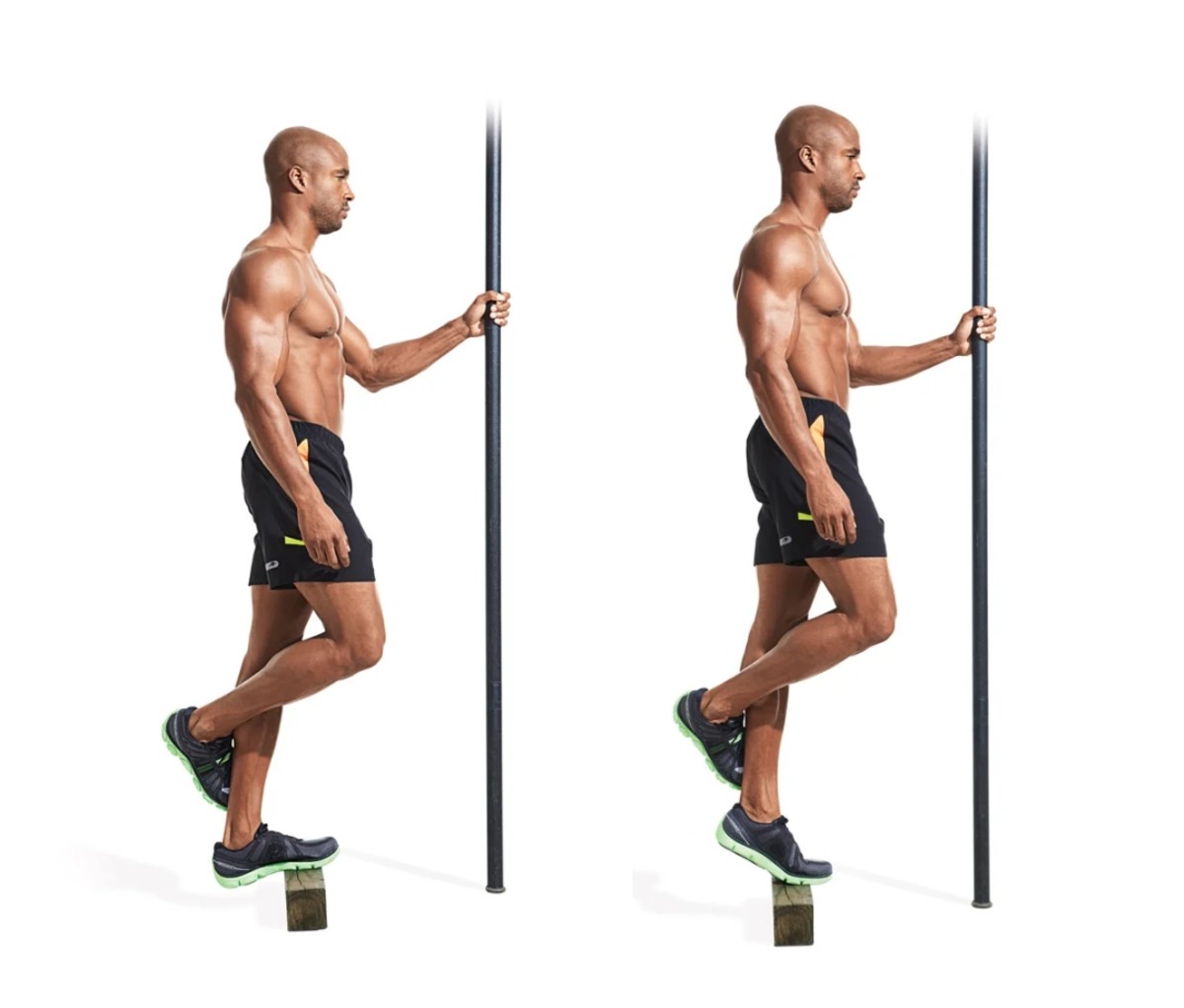
Credit: www.greensafaris.com
Advanced Calf Workouts
Advanced calf workouts push your lower leg muscles to their limits. These exercises challenge your strength and agility. Perfect for those who want more than basic routines. Let’s dive into some dynamic exercises that can elevate your workout.
Explosive Calf Raises
Explosive calf raises add intensity to your routine. Start by standing with feet hip-width apart. Rise onto your toes as quickly as possible. Hold the top position briefly. Then lower back down with control. This exercise enhances power and speed in your calves. Repeat for 10 to 15 reps for optimal results.
Plyometric Box Jumps
Plyometric box jumps build strength and coordination. Use a sturdy box or platform. Stand in front of it with feet shoulder-width apart. Lower into a squat and jump onto the box. Land softly, absorbing the impact with your calves. Step back down and repeat. Aim for 8 to 10 jumps to feel the burn.
Incorporating Resistance Bands
Enhance your home calf workout by incorporating resistance bands. These bands add extra tension, boosting muscle growth. Easily target your calf muscles with simple exercises using bands.
Incorporating resistance bands into your home calf workout can be a game-changer. These versatile tools offer a simple way to add intensity and variety without needing heavy gym equipment. With bands, you can easily adjust the resistance to match your fitness level, making them perfect for both beginners and seasoned athletes.Band-resisted Calf Raises
Stand tall with your feet hip-width apart. Loop a resistance band under the balls of your feet and hold the ends firmly in your hands. As you rise onto your toes, the band provides extra resistance, intensifying the workout for your calves. Aim for three sets of 10-15 reps. Feel the burn and the satisfaction of a well-executed exercise. This move not only strengthens your calves but also improves your balance.Calf Extensions With Bands
Sit on the floor with your legs extended. Secure a resistance band around the balls of one foot, holding the ends in your hands. Flex your foot away from your body, feeling the resistance in your calf. Perform three sets of 12 reps on each leg. Notice how the band challenges your muscles differently than weights do. This exercise is excellent for enhancing muscle endurance and flexibility. Have you ever found yourself stuck in a workout rut? Resistance bands might be your solution. They offer a fresh approach to targeting your calf muscles, keeping your routine exciting and effective.Tips For Effective Workouts
Working out at home offers convenience and flexibility. To get the most from calf workouts, focus on effective techniques. Proper form and avoiding mistakes are crucial. These tips will guide you.
Proper Form Techniques
Maintaining correct posture is key. Stand straight with feet shoulder-width apart. Keep your core engaged. When lifting, raise your heels slowly. Pause at the top for a second. Lower your heels gently. Avoid bouncing or rushing. This ensures muscle engagement.
Avoiding Common Mistakes
Many skip warm-ups. This increases injury risk. Stretch before starting. Focus on controlled movements. Don’t use momentum. It reduces muscle impact. Avoid locking knees. This strains joints. Listen to your body. Stop if you feel pain. Adjust intensity if needed.
Recovery And Rest
Revitalize tired calves with effective home workouts. Balance exercise with rest for optimal muscle recovery and growth. Enjoy stronger, more resilient calves with consistent practice.
Recovery and rest are essential components of any workout routine, especially when exercising at home. When you push your muscles, like during a calf workout, they need time to heal and grow stronger. Proper recovery ensures you get the most out of your efforts, prevents injuries, and keeps you motivated. Let’s dive into how you can optimize your recovery and rest.Stretching After Workouts
Stretching is crucial after any exercise session. It helps prevent stiffness and soreness. After your calf workout, spend a few minutes stretching your calves. You can do simple stretches, like standing with your feet flat and leaning forward against a wall. Feel the stretch in your calves and hold it for 20-30 seconds. Regular stretching improves flexibility and blood flow. When I started stretching consistently, I noticed fewer aches and felt more agile in everyday activities. Don’t underestimate the power of a good stretch. It might seem minor, but it can make a big difference in your recovery process.Importance Of Rest Days
Rest days are not just lazy days; they are essential for muscle growth and recovery. Giving your calves a break allows the muscles to repair and strengthen. Plan your rest days strategically. If you train your calves intensely one day, let them rest the next. Think about how you feel when you don’t rest enough. Your muscles might feel fatigued, and your motivation can take a hit. A friend once insisted on working out daily, and she ended up with a calf strain. She learned that rest days are vital for avoiding burnout and injuries. So, take your rest days seriously; your body will thank you. How do you prioritize recovery in your fitness routine? Implementing these practices can enhance your workouts and improve overall health. Consider these tips and see how they affect your progress. Your calves—and your body—deserve the best care.Tracking Progress
Tracking progress in a home calf workout boosts motivation. Simple charts or notes help see improvements over time. Celebrate small victories to stay encouraged and committed.
Tracking your progress in a home calf workout can transform your fitness journey from a mundane routine into an exciting adventure. Knowing how far you’ve come motivates you and gives you a sense of achievement. But how do you keep tabs on your progress in a way that’s both effective and inspiring? Let’s dive into some practical methods to make tracking your calf workout progress a rewarding experience.Keeping A Workout Journal
A workout journal is your personal fitness diary. It’s simple yet powerful. Record your daily calf exercises, the number of reps, and the time spent. This creates a clear picture of your efforts. Imagine flipping through your journal and seeing the improvement. It’s a reminder of your dedication. Visual cues in your journal, like charts or graphs, can make your progress tangible. It’s like watching your own success story unfold.Setting Realistic Goals
Setting goals that are too lofty can lead to disappointment. Instead, aim for achievable milestones. Start by asking yourself: What do I realistically want to achieve with my calf workout? Break down your goals into smaller, manageable steps. This makes progress seem less daunting. Celebrate small victories. Each step forward is a reason to keep pushing. Consider setting weekly or monthly goals. This keeps your motivation high and your focus sharp. Do you feel inspired to track your progress in a new way?Frequently Asked Questions
How Can I Build My Calves At Home?
Perform calf raises on stairs, ensuring full range of motion. Use resistance bands for added challenge. Incorporate jump rope exercises to engage calves. Try seated calf raises using weights or household items. Maintain consistency for best results.
Can You Build Calf Muscle Without Weights?
Yes, you can build calf muscles without weights. Perform exercises like calf raises, jump rope, and stair climbing. Use bodyweight or resistance bands for added challenge. Consistent workouts, proper nutrition, and stretching improve muscle growth and endurance.
Will Walking On Tiptoes Build Calves?
Walking on tiptoes can help build calf muscles. This exercise targets the calves by engaging them more than regular walking. Consistent tiptoe walking strengthens and tones the calves over time. To see significant results, combine with other calf-strengthening exercises and maintain regular practice.
Will 100 Calf Raises A Day Increase Vertical?
Doing 100 calf raises daily may improve calf strength and endurance. This might contribute slightly to vertical jump. For significant improvements, include diverse exercises like squats and plyometrics. Consistency and a balanced workout routine are key for increasing vertical jump effectively.
Conclusion
Building strong calves at home is achievable with dedication. Follow a consistent workout routine for visible results. Mix exercises like calf raises and jumps to target different muscles. Regular practice leads to stronger, well-defined calves. Listen to your body and avoid overstraining.
Start slow, then increase intensity gradually. Balanced workouts ensure muscle growth without injury. Remember to stretch before and after exercises. This prevents stiffness and promotes flexibility. Patience and persistence are key. Celebrate small progress and stay motivated. Transform your home space into a personal gym for calf workouts.
Enjoy the journey to stronger, healthier calves.








