Are you ready to unleash your inner champion without ever leaving the comfort of your home? A home boxing workout might be just what you need to transform your fitness routine and boost your confidence.
Imagine feeling the rush of adrenaline as you throw powerful punches, improve your coordination, and torch calories—all while having a blast. This isn’t just another exercise regimen; it’s a dynamic and exhilarating way to get fit. Whether you’re a beginner looking to try something new or a seasoned athlete seeking a fresh challenge, this guide will equip you with everything you need to know.
Stick with us and discover how you can elevate your home workout experience, enhance your physical strength, and sharpen your mental focus. Let’s dive into the world of home boxing workouts and see how you can start today!
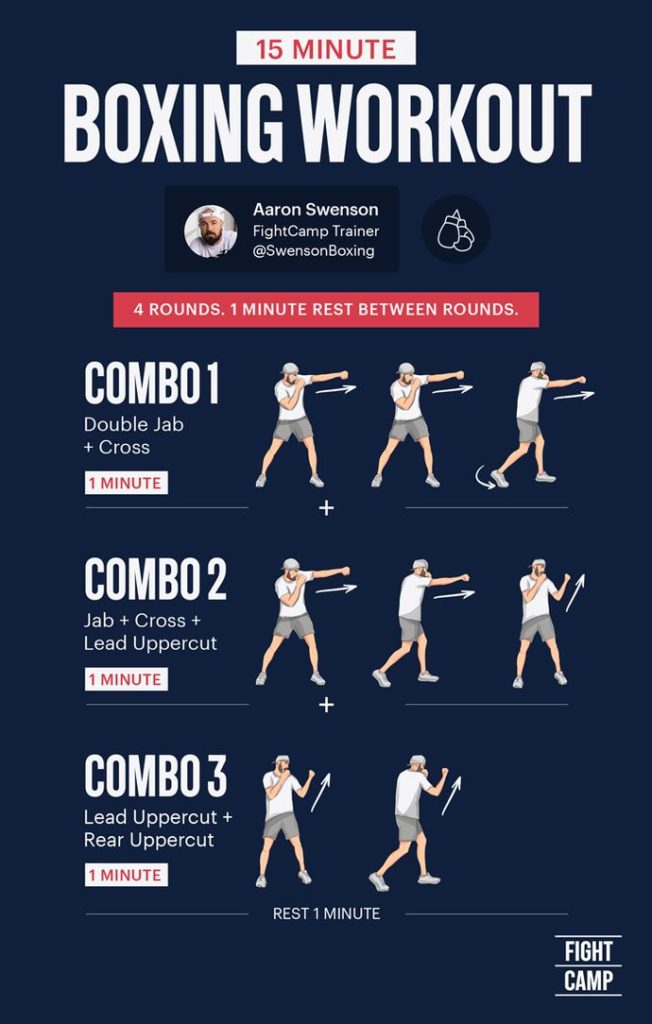
:format(jpeg)/f/115220/700x1100/2ee1539586/15-minute-at-home-boxing-workout-infographic.jpeg)
Credit: blog.joinfightcamp.com
Benefits Of Home Boxing
Boxing at home offers more than just a workout. It’s a full-body exercise that boosts both physical and mental health. Whether you are a beginner or a seasoned athlete, home boxing can be adapted to suit your needs. Let’s explore the many benefits of incorporating boxing into your home workout routine.
1. Physical Fitness Enhancement
Boxing improves cardiovascular health and builds strength. Each punch engages your arms, shoulders, and core muscles. This leads to better muscle tone and endurance. Regular sessions increase stamina and agility over time.
2. Mental Health Boost
Boxing helps relieve stress and anxiety. The focus required during boxing can clear your mind. It releases endorphins, which improve your mood. Boxing provides a healthy outlet for frustration and tension.
3. Accessibility And Convenience
Home boxing is convenient and accessible. You can work out anytime without gym fees or travel. All you need is some space and basic equipment. This makes it an ideal choice for those with busy schedules.
4. Cost-effectiveness
Boxing at home saves money. No need for expensive gym memberships or personal trainers. Basic gear like gloves and a punching bag are affordable. Over time, the savings add up, making it a budget-friendly option.
5. Skill Development
Boxing at home improves coordination and balance. It sharpens reflexes and enhances hand-eye coordination. Regular practice helps develop self-discipline and focus. These skills are useful in everyday life.
Essential Equipment
Getting into boxing at home is an exciting journey. But before you throw your first punch, having the right equipment is crucial. It’s the difference between a productive workout and one that leaves you frustrated. Whether you’re a newbie or a seasoned boxer, investing in essential equipment can elevate your home boxing workout. Let’s dive into the must-have gear that will help you train effectively and safely.
Boxing Gloves
Boxing gloves are your primary defense against hand injuries. They cushion the impact when you strike a target, protecting your knuckles and wrists. Look for gloves that fit snugly and feel comfortable. You wouldn’t want gloves that are too tight or too loose. Consider your workout style when choosing the weight of your gloves. Lighter gloves are great for speed, while heavier ones offer more protection and strength training.
Punching Bags
A punching bag is your best sparring partner at home. It builds strength and improves your technique. There are different types to suit your needs—heavy bags for power punches, speed bags for agility, and double-end bags for precision. A well-secured bag can handle your punches without toppling over. If space is an issue, consider a freestanding bag that doesn’t require wall mounting.
Jump Rope
Don’t underestimate the power of a jump rope. It’s a simple tool that boosts your cardiovascular fitness and coordination. Jumping rope improves footwork, an essential skill for boxing. Plus, it’s easy to store and can be used anywhere in your home. Challenge yourself to master different jumping styles, like double unders or criss-cross jumps, to keep your workouts engaging.
Hand Wraps
Hand wraps are the unsung heroes of boxing gear. They provide extra support to your wrists and fingers, reducing the risk of injury. They also keep your gloves clean by absorbing sweat. Wrapping your hands might seem tedious, but it’s a ritual that professional boxers swear by. Learn the technique properly to ensure maximum protection. You’ll feel the difference once you get it right.
Have you ever tried boxing without the right equipment? Share your experience in the comments below. Equipping yourself properly is the first step towards a successful home boxing workout. Remember, your safety and progress depend on it.
Setting Up Your Space
Creating a home boxing workout space can improve your training experience. Proper setup leads to a focused and safe environment. The right arrangement minimizes distractions and injuries. Let’s explore how to set up your boxing area effectively.
Choosing The Right Area
Select a spacious spot for your workouts. Consider high ceilings for punches and jumps. Avoid cramped places where movements feel restricted. Good ventilation keeps the air fresh during intense sessions. Natural light boosts mood and energy levels. Choose a place with minimal noise for better concentration.
Safety Considerations
Safety is crucial in your workout space. Ensure the flooring is stable and non-slip. Use mats to cushion falls and reduce impact. Clear any obstacles to avoid tripping. Make sure equipment is secure and not likely to tip over. Have a first aid kit nearby for minor injuries.
Storage Solutions
Organize your equipment efficiently. Use shelves or cabinets for gloves and wraps. Hang your punching bag securely to save floor space. Store jump ropes and weights in bins or racks. Keep the area tidy to maintain focus. Proper storage extends the life of your gear.
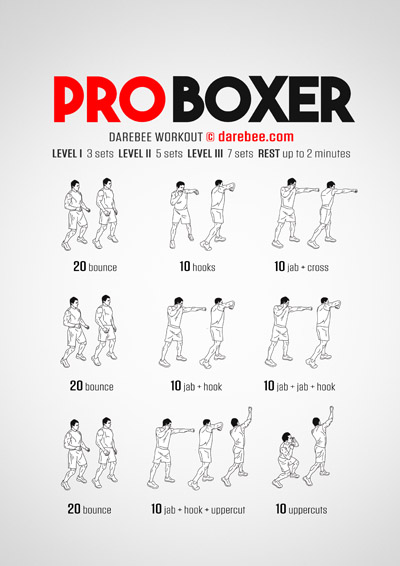
Credit: darebee.com
Basic Boxing Techniques
Boxing is a fantastic way to boost fitness and confidence. Basic boxing techniques are essential for beginners. They form the foundation of any boxing workout. By understanding these basics, you can improve skills and avoid injuries. Let’s explore the key techniques that every home boxer should know.
Stance And Footwork
Your stance is your foundation in boxing. Stand with feet shoulder-width apart. Keep knees slightly bent. Your dominant foot should be slightly behind. This ensures better balance and mobility. Always keep weight on the balls of your feet. This helps you move swiftly. Good footwork allows quick direction changes. Practice moving forward, backward, and side-to-side. It’s crucial for dodging punches.
Punch Types
Boxing involves several punch types. The jab is quick and straight. It keeps opponents at bay. The cross is a powerful punch. Delivered with your dominant hand. The hook is a circular punch. It targets the side of the head. The uppercut is an upward punch. Effective in close combat. Practice each punch slowly. Focus on form and accuracy.
Defensive Moves
Defense is as important as attack. Keep your hands up to protect your face. Learn to block punches with your arms. Slipping involves moving your head to one side. This helps avoid a punch. Bobbing and weaving are effective too. They involve bending your knees. Move under punches to avoid them. Good defense minimizes damage and conserves energy.
Sample Workout Routine
Boxing at home is convenient and effective. With the right routine, you can improve your fitness and boxing skills. This sample workout routine balances intense exercises and proper recovery. It targets strength, agility, and endurance. Follow these steps to get the most out of your home boxing workout.
Warm-up Exercises
Start with a dynamic warm-up. It prepares your body for the workout ahead. Begin with jumping jacks for 2 minutes. Then, do high knees for another 2 minutes. Finish with arm circles and torso twists. Spend 5 minutes on these exercises. They increase blood flow and loosen muscles.
Core Boxing Circuit
The core boxing circuit is the main part of the workout. It focuses on strength and technique. Begin with shadow boxing for 3 minutes. Practice jabs, hooks, and uppercuts. Next, perform push-ups for 2 minutes. They build upper body strength. Follow with planks for 2 minutes. Planks strengthen your core. End with squats for 3 minutes. Squats enhance lower body power.
Cool Down
Cooling down is crucial. It helps your body recover. Start with deep breathing exercises. Spend 2 minutes on controlled breaths. Then, stretch your arms and legs. Hold each stretch for 30 seconds. Focus on your hamstrings and shoulders. Finish with a gentle walk for 5 minutes. It relaxes your muscles and helps reduce soreness.

Credit: www.pinterest.com
Incorporating Cardio And Strength
Mixing cardio and strength in a home boxing workout boosts fitness and builds muscle. Punching routines enhance stamina while bodyweight exercises strengthen muscles. Perfect for a balanced fitness regime at home.
Working out at home doesn’t mean you have to miss out on the benefits of a well-rounded boxing routine. By adding cardio and strength training to your home boxing workouts, you can improve your fitness level and performance. These elements not only boost your cardiovascular health and muscle power but also help you punch harder and faster. Let’s dive into how you can effectively combine cardio and strength into your routine.High-intensity Interval Training
High-Intensity Interval Training, or HIIT, is a fantastic way to boost your heart rate and burn calories. It involves short bursts of intense exercise followed by rest periods. Imagine doing a round of fast-paced shadow boxing for 30 seconds, then resting for 15 seconds. Repeat this cycle for about 10 minutes to feel your heart pumping and your body sweating. This method not only enhances your cardio endurance but also keeps your boxing workout dynamic and exciting.Strength Building Exercises
Strength is crucial in boxing, and you don’t need a gym full of equipment to build it. Simple bodyweight exercises like push-ups, squats, and lunges are highly effective. You can also use resistance bands or dumbbells if you have them. Try doing three sets of 10-15 reps each. Strength training strengthens your muscles, making your punches more powerful and your stance more stable. Have you ever noticed how a strong core improves your balance and punch force?Endurance Drills
Endurance drills are your ticket to lasting longer in your boxing sessions without tiring. Jump rope is a classic choice that boxers swear by. Start with a few minutes daily, gradually increasing your time. Another excellent drill is continuous punching for a set duration, like two or three minutes, mimicking a real boxing round. These drills improve your stamina, ensuring you remain energetic and focused throughout your workout. Are you ready to feel the difference in your next boxing session? By creatively blending these elements into your home boxing workout, you can achieve a balanced mix of cardio and strength. Challenge yourself to push harder and punch stronger. Your body will thank you for the effort.Tracking Progress
Tracking progress in your home boxing workout motivates you and shows your improvement. Use a journal to record daily exercises, reps, and feelings. Regular check-ins help adjust routines and celebrate small victories.
Tracking progress in your home boxing workout is crucial. It helps you stay motivated. It shows how far you’ve come. Understanding your progress keeps you on track. It guides you to achieve better results.Setting Goals
Clear goals are essential for progress. Decide what you want to achieve. It could be weight loss or muscle gain. Maybe it’s improving stamina. Write down your goals. Make them specific and measurable. For example, aim to lose 5 pounds in a month. Or increase your punching speed. Having clear goals gives direction.Monitoring Improvements
Track your improvements regularly. Keep a workout journal. Note down your daily exercises. Record how you feel after each session. This helps you see patterns. You might notice increased endurance. Or quicker recovery times. Use apps or wearable devices. They can track your heart rate and calories burned. Seeing improvements keeps you motivated. It confirms your hard work is paying off.Adjusting Intensity
Adjust workout intensity based on your progress. As you get fitter, increase your workout difficulty. Add more rounds or increase punch speed. Try new combinations. Listen to your body. If something feels too easy, challenge yourself more. If it’s too hard, scale back. This ensures you’re training effectively. It reduces the risk of injury. Staying flexible in your routine helps achieve continuous improvement.Staying Motivated
Staying motivated during your home boxing workout can be challenging. It requires dedication and a positive mindset. Success is achievable with the right strategies. Keep your energy high and your goals clear. Motivation is the key to maintaining progress. Let’s dive into effective ways to stay motivated.
Creating A Schedule
Consistency is vital for progress. Create a workout schedule that suits your lifestyle. Stick to it. Choose specific days and times for your workouts. This builds discipline. It helps you form a routine. A regular schedule keeps you accountable. It transforms exercise into a habit. You know what to expect each day. This reduces procrastination.
Finding A Boxing Community
Connecting with others can boost your motivation. Join online boxing groups. Engage with fellow enthusiasts. Share your experiences and challenges. A community offers support. It provides encouragement. You feel less alone in your journey. Discussions can inspire new techniques. They can spark fresh ideas. A community creates a sense of belonging.
Celebrating Achievements
Recognizing your progress is crucial. Celebrate small victories. Did you complete a tough workout? That’s worth celebrating. Did you improve your speed? Give yourself credit. Achievements fuel motivation. They remind you of your capabilities. Mark milestones with rewards. This reinforces positive behavior. Celebrations keep your spirits high.
Frequently Asked Questions
Is Boxing At Home A Good Workout?
Boxing at home is an excellent workout for improving strength, endurance, and coordination. It burns calories and reduces stress. With minimal equipment, you can enhance cardiovascular fitness and tone muscles effectively. Make sure to maintain proper form and safety precautions for the best results.
Can I Train Myself Boxing At Home?
Yes, you can train boxing at home. Use online tutorials, practice shadow boxing, and invest in basic equipment. Ensure proper technique to avoid injuries. Consistency and discipline are key for effective home training.
Is 30 Minutes Of Boxing A Good Workout?
Yes, 30 minutes of boxing is an excellent workout. It boosts cardiovascular health, burns calories, and enhances strength. Boxing also improves coordination, endurance, and mental focus. It offers a full-body workout, engaging various muscle groups. Perfect for those seeking an intense, efficient exercise routine.
What Does 1, 2, 3, 4, 5, 6 Mean In Boxing?
In boxing, 1, 2, 3, 4, 5, 6 refer to punch numbers. 1 is jab, 2 is cross, 3 is lead hook, 4 is rear hook, 5 is lead uppercut, and 6 is rear uppercut. These numbers help boxers communicate and execute combinations efficiently.
Conclusion
Home boxing workouts offer great benefits. They build strength and improve fitness. Perfect for busy schedules. You don’t need fancy equipment. Just space and determination. Start with basic punches and footwork. Gradually increase intensity. Feel your heart race and muscles tone.
Great stress relief. Boosts mental focus and confidence. Remember, consistency is key. Stick with it for best results. Engage your core for stability. Box your way to better health. Enjoy the journey. Share your progress with friends. Inspire others to join.
Boxing at home is fun and rewarding. Get moving, stay healthy, and keep punching!








