Looking to build impressive biceps without stepping foot in a gym or investing in expensive equipment? You’re not alone.
Many fitness enthusiasts are discovering the power of home workouts that use nothing but your own body weight. Picture yourself sculpting strong, toned arms right in the comfort of your living room, with no weights required. Intrigued? You should be, because this method is not only effective but also incredibly convenient.
Say goodbye to excuses and hello to a new, stronger you. Dive into this guide and find out how you can transform your biceps with simple, yet powerful exercises. Ready to get started? Your new workout routine is just a scroll away.
Benefits Of No-equipment Bicep Workouts
Home bicep workouts without weights offer unique benefits. These exercises focus on using body weight. They are ideal for building strength and muscle definition. No-equipment workouts are accessible to everyone. They can be done anytime and anywhere. This flexibility helps maintain a consistent fitness routine. Let’s explore the specific advantages of no-equipment bicep workouts.
1. Improved Muscle Activation
No-equipment exercises use functional movements. These engage multiple muscle groups. Bicep curls with resistance bands or towel pulls activate more than just the biceps. They engage the forearms and shoulders too. This leads to better overall muscle development.
2. Enhanced Flexibility And Mobility
Bodyweight exercises often require full range of motion. This enhances flexibility and mobility. Movements like push-ups or plank variations improve joint health. They also increase muscle elasticity. This makes everyday activities easier.
3. Cost-effective Fitness Solution
No need for expensive gym memberships. Home workouts without weights save money. You can use simple household items. A towel or a sturdy chair can suffice. This makes fitness accessible to everyone.
4. Increased Core Stability
No-equipment exercises often engage the core. This improves balance and stability. Movements like planks require core strength. A strong core supports overall body strength. It also reduces the risk of injury.
5. Convenient And Time-saving
No-equipment workouts are easy to fit into busy schedules. They can be done at home or while traveling. No commute to the gym saves time. Short workouts can still be effective. Consistency is key to seeing results.
Essential Warm-up Exercises
Before diving into your home bicep workouts, it’s crucial to start with essential warm-up exercises. A proper warm-up not only prepares your muscles but also helps prevent injuries, ensuring you get the most out of your workout. You might think skipping this step saves time, but what if that quick warm-up is the key to achieving better results?
Dynamic Arm Circles
Begin with dynamic arm circles to activate your shoulder muscles. Stand with your feet shoulder-width apart and extend your arms out to the sides. Rotate them in small circles, gradually increasing the size. Feel the tension ease as you move, preparing your biceps for action. It’s surprising how this simple movement can boost your workout efficiency.
Shoulder Shrugs
Next, try shoulder shrugs. Raise your shoulders towards your ears and then lower them back down. Repeat this motion several times. This exercise loosens up your neck and upper back, setting a foundation for intense bicep engagement. Ever felt strain in your neck during a workout? Shoulder shrugs might be your answer.
Arm Swings
Arm swings are another great addition to your warm-up routine. Stand tall and swing your arms forward and backward in a controlled manner. This movement enhances blood flow and gets your arms ready for the workout. Imagine the energy coursing through your arms, priming them for peak performance.
Wrist Rotations
Don’t forget your wrists! Rotate them clockwise and then counterclockwise. Often overlooked, strong wrists are vital for effective bicep exercises. A flexible wrist can significantly improve your grip strength. Have you ever felt your wrists giving out during a workout? These rotations might prevent that.
Elbow Bends
Finally, perform elbow bends. Extend your arms forward and bend your elbows, bringing your hands to your shoulders. This warms up the elbow joints and simulates the motion of bicep curls. It’s a simple yet crucial step to prepare your arms for more rigorous exercises. Could neglecting your elbows be holding back your bicep growth?
Incorporate these warm-up exercises into your routine and witness the difference in your bicep workouts. What changes will you notice when you give your body the proper preparation it needs?
Bodyweight Bicep Exercises
Bodyweight bicep exercises are perfect for a home workout routine. They require no equipment and can be done anywhere. These exercises use your own body weight to target the bicep muscles effectively. You’ll find they are simple yet challenging. Let’s explore some effective moves to build strong arms.
Push-up Variations For Biceps
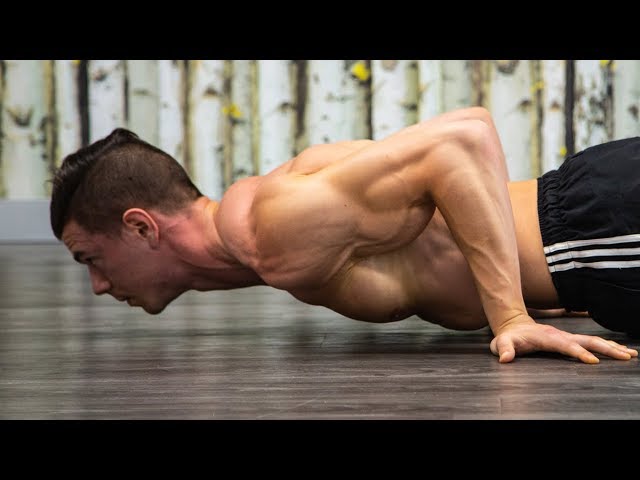
Push-ups don’t just work the chest; they can target the biceps too. Try the close-grip push-up. Place your hands close together under your chest. This position shifts the focus to your biceps. Another variation is the diamond push-up. Form a diamond shape with your hands under your chest. This also targets the biceps more than regular push-ups.
Pull-up Alternatives
Pull-ups are great for biceps, but not everyone can do them. Try the inverted row as a substitute. Find a sturdy table or bar. Lie under it and pull yourself up. Another option is the doorway row. Stand in a doorway, grip the frame, and lean back. Use your biceps to pull your body toward the frame.
Reverse Plank Exercises
Reverse plank exercises engage the biceps along with the core. Sit on the floor with legs extended and hands behind you. Lift your body up, forming a straight line. Hold this position to feel the biceps working. You can add dips to increase intensity. Lower your body and push back up, using your arms.

Credit: www.youtube.com
Isometric Holds For Bicep Growth
When you think of building biceps, weights might be the first thing that comes to mind. But what if you could enhance bicep growth right at home, without any equipment? Isometric holds offer a unique way to challenge your muscles using just your body. These exercises can help you build strength and endurance. Plus, they’re perfect for those days when you want a workout without the noise of clanking weights. Ready to try something new?
Wall Sits With Arm Focus
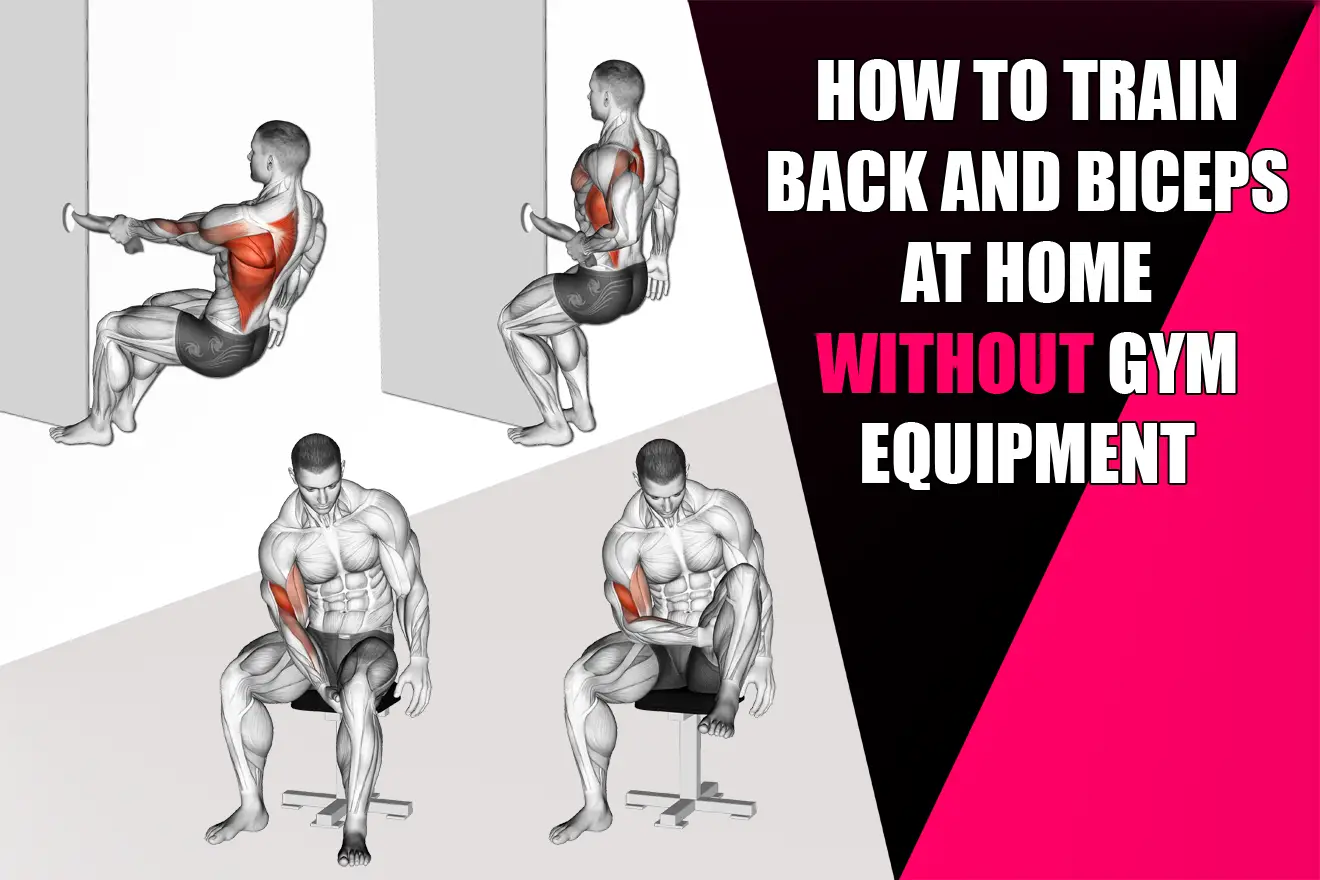
Wall sits are a fantastic way to build leg strength. But did you know you can use them to target your biceps too? While holding the wall sit position, extend your arms straight out in front of you. Focus on engaging your bicep muscles by keeping them tense.
Imagine you’re trying to hold a heavy box at arm’s length. Challenge yourself to keep your arms straight and your biceps activated. How long can you maintain this position? Try to increase your hold time with each session. This will not only build your biceps but also improve your mental endurance.
Static Arm Curls
Static arm curls can be done anytime, anywhere. Stand or sit comfortably. Bend your elbows at a 90-degree angle, as if you’re holding an invisible weight. Keep your biceps flexed and maintain this position.
Think of this as freezing time in the middle of a regular bicep curl. The longer you hold, the more you’ll feel the burn. Try holding for 30 seconds, then release. Repeat this hold multiple times to really challenge your muscles. It’s a simple yet effective way to enhance your bicep growth without moving a muscle!
Have you tried these isometric holds? How do they compare to your usual workouts? You might find these exercises surprisingly challenging yet rewarding. They offer a change of pace and keep your fitness routine fresh. Give them a shot and see the difference in your bicep strength!
Using Household Items For Resistance
Working out at home doesn’t mean you need expensive equipment. With a little creativity, you can use household items for resistance and still achieve effective bicep workouts. These everyday objects can offer surprisingly good resistance, helping you build strength without weights. Have you ever considered how a towel or backpack can transform your exercise routine?
Towel Curls
Grab a sturdy towel, and you’ll find it’s a versatile tool for your bicep workout. Roll it up and hold each end firmly. Stand with your feet shoulder-width apart and mimic the motion of a dumbbell curl by pulling the towel upward. The tension and resistance depend on how hard you pull, giving you control over the intensity of your workout.
Think of how often you use towels in daily life. Why not use them to stay fit? Incorporating towel curls into your routine can challenge your muscles in new ways. It’s a simple yet effective exercise, and you already have all the gear you need right in your bathroom.
Backpack Bicep Exercises
Ever wondered about the workout potential of your backpack? Fill it with books or canned goods to create a makeshift weight. Place it on your forearm and perform bicep curls. Adjust the weight as needed, making it heavier or lighter depending on your fitness level.
Remember those school days when carrying a heavy backpack was the norm? Now, it’s a tool to enhance your strength. Backpack bicep exercises are flexible and can be tailored to your needs. This unique approach can help maintain your fitness without spending a dime.
Consider these exercises as part of your home routine. They are not only practical but also offer an opportunity to stay active using items you already own. Are you ready to innovate your workout routine with everyday objects? Dive in and discover the potential of household resistance training.
Stretching And Recovery Techniques
Stretching and recovery are key to any workout routine. They boost flexibility and reduce injury risk. After intense home bicep workouts, these practices help your muscles heal. They also prepare you for the next session. Here’s how you can include effective stretching and recovery techniques in your routine.
Post-workout Arm Stretches
Post-workout arm stretches are essential. They maintain muscle health and improve flexibility. Start with a simple bicep stretch. Extend your arm forward and gently pull it across your chest. Hold for 15-30 seconds. Repeat with the other arm. Another effective stretch is the overhead tricep stretch. Raise one arm, bending it behind your head. Use your other hand to press down gently. Feel the stretch along your triceps. Hold, then switch arms. These stretches help relax your muscles.
Foam Rolling For Arm Muscles
Foam rolling helps soothe sore muscles. It’s a self-massage technique using a foam roller. Place the roller under your upper arm. Use your body weight to apply pressure. Roll slowly along the bicep and tricep areas. Focus on any tight spots. Spend about 30 seconds on each arm. This technique boosts blood flow and reduces muscle tension. Consistent foam rolling aids in quicker recovery. It also prepares your arms for future workouts. Ensure you roll gently to avoid discomfort.
Creating A Balanced Routine
Build strong biceps at home with simple routines. Focus on effective exercises like push-ups, planks, and curls. Use household items like towels or bags for resistance.
Creating a balanced routine is essential for effective home bicep workouts without weights. It’s not just about doing endless reps of curls; it’s about mixing different exercises to target various parts of your biceps and maintaining overall fitness. By carefully planning your workouts, you can maximize results and stay motivated.Weekly Workout Schedule
Building a weekly workout schedule can keep you on track and ensure that your bicep training is consistent. Imagine setting aside just 20 minutes a day for your biceps. Start with three sessions per week, allowing your muscles time to recover. On Monday, focus on push-ups and plank variations. These exercises engage your biceps while also strengthening your core. Wednesday could be for pull-up alternatives using a sturdy table or doorframe. This will target the biceps and back. End the week on Friday with resistance band curls or towel curls, where you grip a towel under your foot and pull upwards. This adds intensity without needing weights.Combining Bicep Workouts With Cardio
Why stop at bicep workouts? Combining them with cardio can boost your endurance and burn calories. Have you ever tried jumping jacks or high knees? These simple moves can be added at the beginning or end of your bicep routine. Consider a session where you alternate between bicep exercises and short bursts of cardio. Do a set of towel curls, then immediately do a minute of mountain climbers. This keeps your heart rate up and engages different muscle groups. By integrating cardio, you enhance your overall fitness and make your workouts more dynamic. Plus, the variety keeps your routine fresh and exciting. Are you ready to transform your home workouts? With a balanced routine, you can achieve more than just bigger biceps. You can build a stronger, healthier you.Tracking Progress And Setting Goals
Bicep workouts at home without weights are gaining popularity. People want to build strength without expensive equipment. Tracking progress and setting goals are crucial for success. This approach keeps motivation high and ensures you’re on the right path. Here’s how you can effectively track your journey and set realistic goals.
Tracking Your Progress
Keeping a journal is an effective way to track workouts. Write down exercises and repetitions daily. This helps you see improvements over time. You’ll notice which exercises become easier. Record how your body feels after each session. Note any changes in endurance or strength. Photos can also be helpful. Take weekly progress pictures. Compare them to see physical changes.
Setting Achievable Goals
Goals should be specific and realistic. Start with simple objectives. Aim to increase repetitions weekly. Set a target for the number of sessions per week. Focus on improving form and technique. This prevents injury and ensures effective workouts. Adjust goals as you progress. Keep them challenging but attainable.
Celebrating Milestones
Celebrate small victories to stay motivated. Reward yourself after reaching a goal. This could be as simple as enjoying a favorite snack. Share achievements with friends or family. Their encouragement can boost your morale. Use milestones as stepping stones for bigger goals.
Common Mistakes To Avoid
Starting too fast can lead to injury in bicep workouts without weights. Incorrect posture might reduce effectiveness. Consistency is key; skipping days hinders progress.
Working out at home can be incredibly rewarding. But without guidance, it’s easy to make mistakes that hinder your progress. Let’s dive into some common errors people make during home bicep workouts without weights. Avoiding these can improve your technique and results.Ignoring Proper Form
Good form is crucial when doing bicep exercises. It’s easy to get sloppy when you’re tired or distracted. Always keep your elbows close to your body during curls. Ensure your movements are controlled and deliberate. This prevents injury and maximizes the effectiveness of each rep.Rushing Through Reps
Going too fast can reduce the workout’s impact. Slow down and focus on each part of the movement. Feel your biceps contracting and relaxing. Quality beats quantity in building strength.Overtraining Your Biceps
It’s tempting to work your biceps daily for faster results. But muscles need rest to grow. Schedule rest days to allow recovery. Overworking can lead to fatigue and diminished returns.Neglecting Other Muscle Groups
Only focusing on biceps can lead to imbalances. A balanced workout regimen is key. Engage your triceps, shoulders, and back. This holistic approach supports overall strength.Not Increasing Intensity
Your body adapts quickly. If you don’t challenge your muscles, growth stalls. Increase intensity gradually. Add more reps or use resistance bands for variation.Skipping Warm-up And Cool Down
It’s easy to skip warm-ups and cool-downs. But they prevent injuries and aid recovery. Spend a few minutes stretching before and after workouts. Your body will thank you.Ignoring Nutrition
Diet plays a huge role in muscle building. Lack of protein and nutrients can stall progress. Fuel your body with the right foods. Consider your meals as part of your fitness plan. — What mistakes do you think you might be making? Reflect on your routine and make adjustments. Avoiding these common pitfalls can transform your workout experience.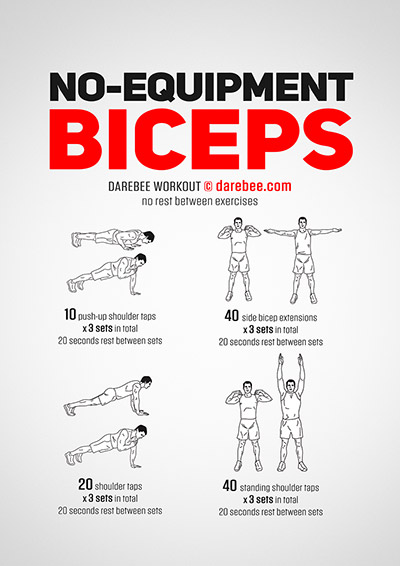
Credit: greensafaris.com
Credit: greensafaris.com
Frequently Asked Questions
Can You Build Biceps Without Weights?
Yes, you can build biceps without weights. Use bodyweight exercises like push-ups, pull-ups, and tricep dips. Consistent practice and proper form are key to muscle growth. Include variations and increase repetitions to enhance effectiveness. A balanced diet and adequate rest support muscle development.
How Do I Train My Biceps At Home?
Train your biceps at home using dumbbell curls, resistance bands, and bodyweight exercises like push-ups. Maintain proper form and consistency.
What Is 7 7 7 Bicep Exercise?
The 7 7 7 bicep exercise involves performing 7 reps in three different ranges of motion: lower, upper, and full. This technique enhances muscle growth by targeting different areas of the bicep, boosting strength and endurance. It’s a popular choice for maximizing workout efficiency and achieving noticeable arm definition.
Can You Get 20 Inch Biceps Naturally?
Yes, achieving 20-inch biceps naturally is possible with consistent training, proper nutrition, and dedication. Focus on progressive overload, compound exercises, and balanced diet to stimulate muscle growth. Genetics play a significant role, so results may vary among individuals. Stay patient and committed for the best outcomes.
Conclusion
Building strong biceps at home is simple without weights. Bodyweight exercises like push-ups and planks work wonders. Consistency is key for progress. Adjust reps and sets as you get stronger. These exercises fit into any routine easily. No fancy equipment needed.
Enjoy the flexibility of home workouts. Your biceps will thank you for the effort. Remember, good form is crucial. Avoid injury and maximize gains. Stay motivated and track your improvement. Keep challenging yourself with new variations. Fitness is a journey, not a race.
Enjoy every step along the way.








