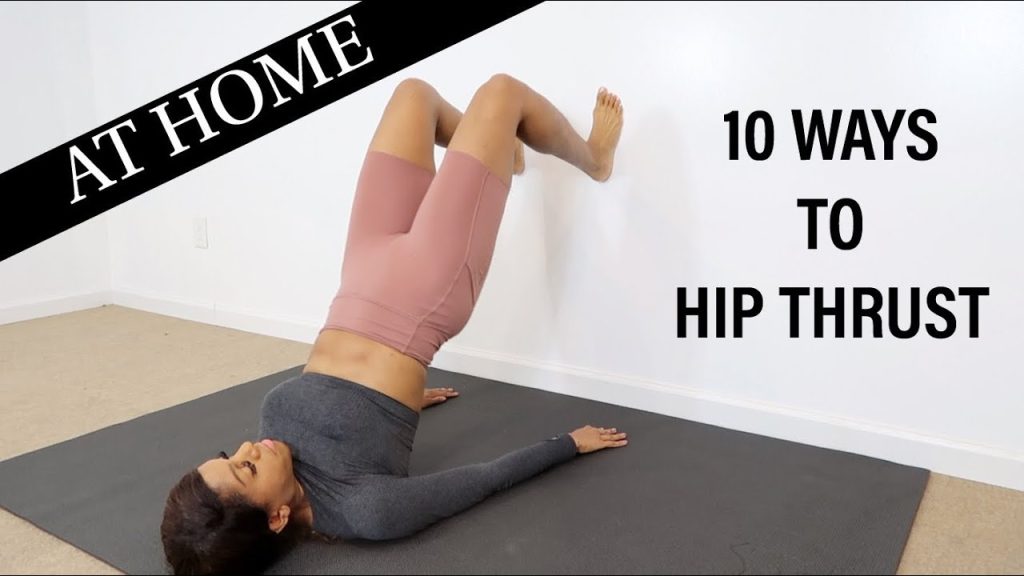
Are you looking to strengthen your glutes and improve your lower body strength without leaving the comfort of your home? The hip thrust workout is your go-to solution.
Imagine boosting your fitness routine with an exercise that not only enhances your performance but also sculpts your physique right in your living room. This workout isn’t just about aesthetics; it’s about empowering you to feel stronger and more confident.
You might be wondering how to get started, what equipment you need, or how to ensure you’re doing it correctly. Don’t worry, you’re in the right place. Stick around, and you’ll discover how you can effectively incorporate hip thrusts into your home workout routine. Get ready to transform your fitness journey and experience the benefits firsthand.
Benefits Of Hip Thrusts
Hip thrusts are a powerful exercise. They target the glutes and lower body. Performing hip thrusts at home offers various advantages. This makes them an excellent addition to any workout routine.
Improved Glute Strength
Hip thrusts effectively strengthen the glute muscles. Strong glutes support overall body strength. They help in daily activities like walking and climbing stairs.
Enhanced Athletic Performance
Strong glutes contribute to better athletic performance. Hip thrusts improve sprinting and jumping abilities. They also boost overall agility and speed.
Better Posture
Hip thrusts promote better posture by strengthening core muscles. A strong core supports the spine. This reduces the risk of back pain and injuries.
Increased Hip Mobility
Performing hip thrusts regularly increases hip mobility. It enhances flexibility and range of motion. This is beneficial for various physical activities.
Convenient Home Workout
Hip thrusts require minimal equipment. They can be performed at home easily. This makes them an accessible exercise option for everyone.
Weight Management
Hip thrusts help burn calories and build muscle mass. This aids in weight management. Consistent exercise supports a healthy lifestyle.
Credit: steelfitusa.com
Essential Equipment
A sturdy bench or step, resistance bands, and a yoga mat are essential for hip thrust workouts at home. These tools help maintain form, add resistance, and ensure comfort during exercises. Simple equipment can effectively enhance your glute strength and overall fitness.
Hip thrust workouts have become a favorite for those looking to strengthen and sculpt their glutes. But doing them at home requires the right equipment to ensure effectiveness and safety. Having the essential gear can transform your living room into a mini gym. With the right setup, you can confidently execute hip thrusts that rival those done in professional settings.Home Setup
Creating a home setup for hip thrust workouts doesn’t have to be complicated. Start with a sturdy bench or ottoman to support your back during thrusts. Ensure it’s not too high or too low; your knees should be at a 90-degree angle when seated. A yoga mat or exercise mat is crucial. It provides cushioning for your knees and prevents slipping. This simple addition can make your workout more comfortable and less injury-prone. Consider a barbell or dumbbells. These will add resistance to your hip thrusts. If space is limited, adjustable dumbbells are a great alternative. They offer versatility without taking up much room.Alternative Tools
You might not have traditional gym equipment at home, but that doesn’t mean you can’t get a great workout. Resistance bands are excellent for adding tension to hip thrusts. They’re portable and easy to store. A heavy backpack filled with books or canned goods can substitute for weights. It’s a creative way to add resistance when equipment is scarce. Have you ever tried using a stability ball? It challenges your balance and engages your core, intensifying the workout. Placing your upper back on the ball can be a game-changer. What tools have you discovered that work well for home workouts? Sometimes unconventional items can surprise you with their effectiveness.Proper Form And Technique
Performing the hip thrust at home offers countless benefits. Mastering the proper form and technique is essential. It ensures you target the right muscles. It also reduces the risk of injury. Achieving the perfect hip thrust requires understanding body positioning and avoiding common mistakes. Let’s dive into these crucial elements to enhance your workout experience.
Body Positioning
The right body positioning is key to a successful hip thrust. Begin by sitting on the floor with your back against a sturdy surface. A sofa or bench works well. Keep your feet flat on the ground, hip-width apart. Your knees should be bent at a 90-degree angle. Place a weight, like a dumbbell, over your hips for resistance. Engage your core and glutes. Lift your hips towards the ceiling. Your shoulders and upper back should remain on the surface. Ensure your shins stay vertical during the lift. This positioning maximizes muscle engagement.
Common Mistakes
Many people make errors that can hinder progress. One mistake is arching the lower back. This can lead to strain and discomfort. Instead, keep your core tight. This supports your spine. Another common error is not lifting the hips high enough. Fully extend your hips. This ensures maximum glute activation. Avoid letting your knees fall inward. Maintain proper knee alignment. This helps prevent injuries. Focus on controlled movements. Rushing through reps reduces effectiveness. Proper form is more important than speed.
Variations Of Hip Thrusts
Hip thrusts are a fantastic exercise for building strong glutes, and with a few variations, you can maximize your workout even at home. These variations not only keep your routine exciting but also challenge your muscles in different ways. Are you ready to take your hip thrust game to the next level?
Single-leg Hip Thrust
The single-leg hip thrust is perfect for targeting each side of your body individually. By focusing on one leg at a time, you can identify and correct any strength imbalances. Lie on your back, bend one knee, and raise the other leg straight up. As you press through your heel, lift your hips until your body forms a straight line from shoulders to knee. Do you feel the burn in your glutes yet?
Elevated Hip Thrust
If you’re looking to add intensity, try the elevated hip thrust. Elevating your upper back on a bench or a sturdy chair increases the range of motion. This added challenge means more muscle activation. Position your upper back on the elevated surface with feet flat on the ground. Drive your hips upward, squeezing your glutes at the top. How does the extra height feel?
Banded Hip Thrust
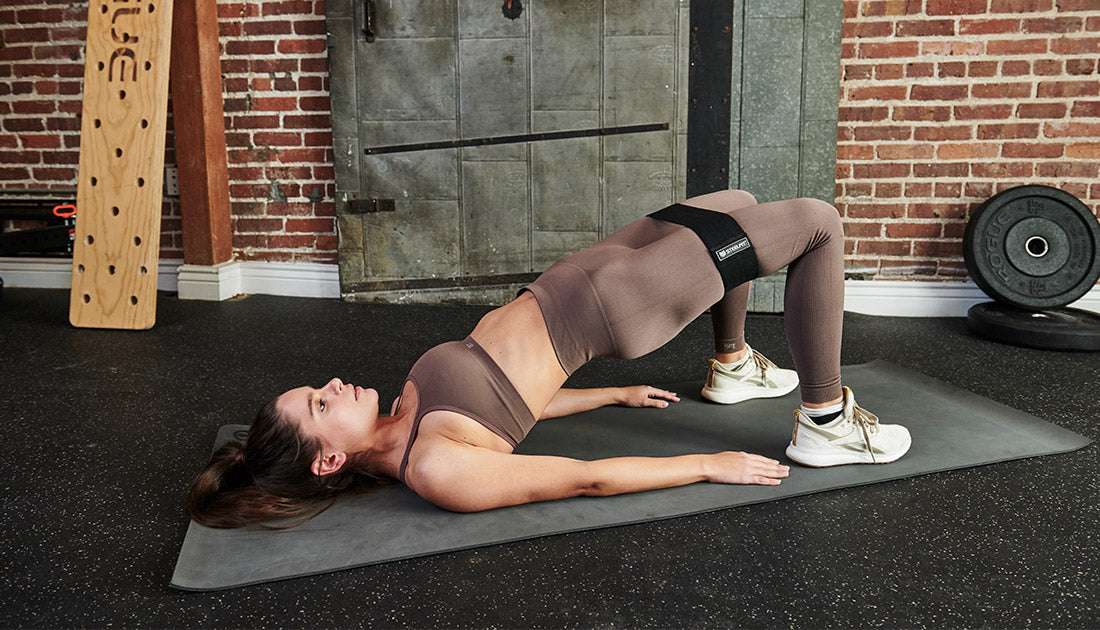
Adding a resistance band to your hip thrust can take your workout to a new level. The band increases tension, forcing your muscles to work harder throughout the movement. Place a resistance band just above your knees. As you lift your hips, push your knees outward against the band. Are you ready to feel those glutes ignite?
By incorporating these variations into your routine, you can keep your workouts fresh and challenging. Which variation will you try first? Challenge yourself and watch your strength and confidence grow.
Creating A Routine
Building a regular hip thrust workout at home boosts your glute strength and enhances overall fitness. Start with simple movements and gradually increase resistance as you get comfortable. Consistency in your routine is key to achieving noticeable results and improving muscle tone.
Creating a routine for hip thrust workouts at home is essential. It helps in achieving fitness goals effectively. Hip thrusts are great for building glute strength and stability. A structured approach ensures consistent progress. Setting a routine enhances motivation and tracks improvement. Start by understanding the basics of reps and sets. Gradually progress with tips to enhance your workout.Reps And Sets
Begin with a manageable number of reps and sets. Start with 2 sets of 10 reps if you’re a beginner. This allows your muscles to adapt to the exercise. Increase to 3 sets as your strength improves. Aim for 12 to 15 reps per set once comfortable. Adjust reps based on your fitness level. Always listen to your body. Rest for 60 seconds between sets to recover.Progression Tips
Gradual progression is key in hip thrust workouts. Add weights to increase difficulty. Begin with small increments like 5 lbs. Monitor your form and avoid rushing. Focus on quality over quantity. Increase reps or sets every few weeks. Vary your routine to prevent plateaus. Incorporate different variations like single-leg hip thrusts. Keep your workouts challenging yet achievable.
Credit: www.youtube.com
Incorporating Hip Thrusts Into Your Workout
Hip thrusts are excellent for building strong glutes and core muscles. They fit well into various workout routines, offering significant benefits. Doing hip thrusts at home is convenient and effective. By incorporating them into your workout, you can enhance your strength and stability. This section will guide you through integrating hip thrusts into your routine.
Warm-up Exercises
Before starting hip thrusts, warming up is crucial. Begin with light cardio, like jogging in place. This raises your heart rate and prepares your muscles. Follow with dynamic stretches. Leg swings and hip circles are great choices. These exercises loosen your joints and improve flexibility. A good warm-up reduces the risk of injury.
Complementary Workouts
Pair hip thrusts with other exercises for a full workout. Squats and lunges target similar muscle groups. They enhance your lower body strength. Add planks and bridges for core stability. These exercises support your hip thrust technique. Mixing these workouts maximizes your training benefits.
Safety Tips And Precautions
Perform hip thrusts safely at home by using a stable surface like a bench or sofa. Ensure proper form to protect your lower back. Always start with a warm-up and use a mat for comfort.
Working out at home is convenient and empowering, especially when it comes to building strength and toning muscles with exercises like the hip thrust. However, ensuring your safety is crucial to avoid injuries and maintain a sustainable workout routine. Let’s dive into some essential safety tips and precautions to keep you safe while you enhance your glute muscles with hip thrusts at home.Check Your Form
Maintaining proper form during hip thrusts is vital for preventing injuries. Keep your back straight and your core engaged. Ensure your knees are aligned with your feet to avoid putting unnecessary strain on your joints.Choose The Right Surface
A stable and non-slippery surface is essential for performing hip thrusts safely. Use a yoga mat or carpeted area to prevent slipping. This not only helps with your balance but also protects your joints from hard surfaces.Start With Bodyweight
If you’re new to hip thrusts, begin with just your body weight. It helps you master the movement without overloading your muscles. Once you feel confident, gradually add resistance with weights or resistance bands.Set Up Properly
Ensure your shoulders are firmly supported on a bench or sturdy chair. Your setup should be stable to prevent tipping over. A secure setup allows you to focus on your thrusts without worrying about balance.Listen To Your Body
Pay attention to any discomfort or pain during your workout. It’s normal to feel a burn, but sharp pain is a red flag. If something feels off, take a break or consult a fitness professional.Warm Up And Cool Down
Don’t skip your warm-up and cool-down routines. A proper warm-up prepares your muscles and reduces the risk of injury. Cooling down helps in recovery and keeps your muscles flexible.Stay Hydrated
Hydration plays a key role in muscle function and recovery. Keep a water bottle nearby and take regular sips. Staying hydrated keeps you energized and reduces the risk of cramps. Have you ever tried a new workout and pushed yourself too hard, only to find yourself sore for days? Remember, safety isn’t just about preventing injuries—it’s about making your fitness journey enjoyable and sustainable. By following these tips, you can maximize the benefits of your hip thrust workouts while staying safe at home.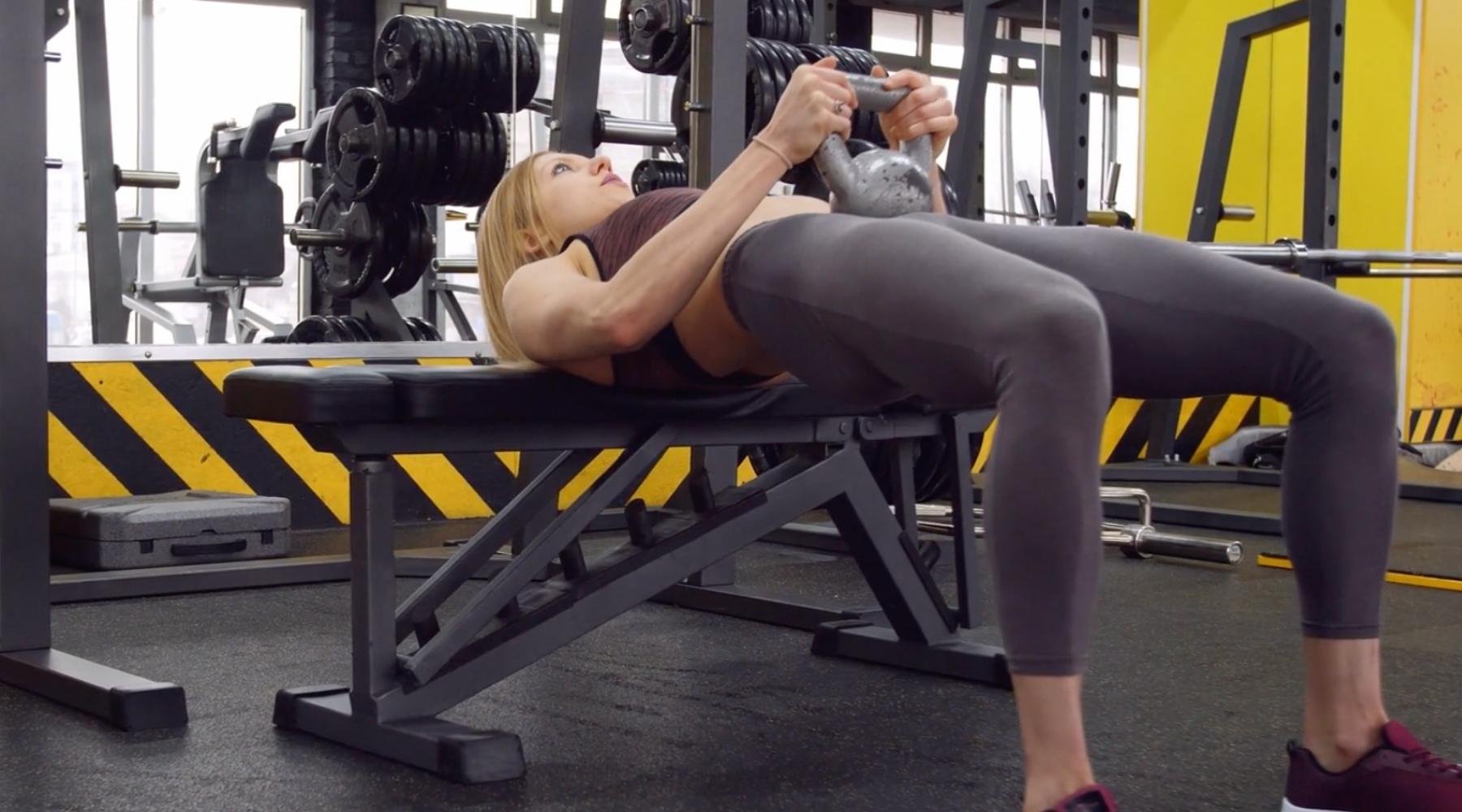
Credit: www.ladies-who-lift.com
Tracking Progress
Tracking progress in your hip thrust workout at home ensures effective results. Keep a journal to note repetitions and weights. This simple practice helps identify improvements and areas needing focus, making your exercise routine more efficient and rewarding.
Tracking progress is essential in any workout routine, including your hip thrust workout at home. Knowing how far you’ve come can boost your motivation and guide your future goals. But how can you effectively track your progress when working out at home? Here’s how to measure your success.Measuring Strength
Assessing your strength gains is straightforward. Keep a log of the weights you use during your hip thrusts. Start with a weight that challenges you but allows for proper form. Gradually increase the weight as you grow stronger. Note the reps and sets completed. Every few weeks, compare your logs to see your progress. Are you lifting more than before? Celebrate those victories! Seeing tangible progress is a fantastic motivator.Visual Changes
Visual changes might be subtle, but they tell an important story. Take photos of yourself at regular intervals. This visual record can show changes that the scale might miss. Look for increased muscle definition and improved posture. These changes can boost your confidence and confirm your hard work is paying off. Have you noticed your clothes fitting differently? It’s another sign your hip thrusts are making a difference! Tracking progress doesn’t need to be complex. Simple, consistent monitoring can provide a clear picture of your journey. What changes have you noticed in your hip thrust workout?Frequently Asked Questions
How Can I Do Hip Thrust At Home?
To do hip thrusts at home, sit on the floor with your upper back against a couch. Bend your knees, place your feet flat, and thrust your hips upward. Use a dumbbell or resistance band for added weight. Ensure your body forms a straight line at the top of the movement.
What Will 100 Hip Thrusts A Day Do?
Performing 100 hip thrusts daily strengthens glutes, improves posture, and enhances athletic performance. It boosts core stability and hip mobility. Consistency may lead to increased muscle tone and endurance. Always maintain proper form to prevent injury and maximize benefits. Consider adding variety to prevent plateauing in progress.
What Workout Is Equivalent To A Hip Thrust?
A glute bridge is similar to a hip thrust. Both target glutes, hips, and core muscles effectively. Squats and deadlifts also engage similar muscle groups, offering comparable benefits. Keep form precise for maximum results.
Can I Do Hip Thrust On A Couch?
Yes, you can perform hip thrusts on a couch. Ensure stability by pressing your upper back into the couch. Keep your feet flat and shoulder-width apart for balance and effectiveness. Adjust your position as needed for comfort and safety.
Conclusion
Hip thrusts at home offer many fitness benefits. Stronger glutes. Better posture. Increased strength. All without gym equipment. Just use your body weight or household items. Consistency is key. Regular practice enhances results over time. Listen to your body. Avoid overdoing it.
Focus on form and control. This ensures safety and effectiveness. Remember, every step counts. Progress may be slow, but it’s progress. Small improvements add up. Stay committed to your fitness journey. Enjoy the process. Celebrate your efforts and achievements. Your body will thank you.
Keep thrusting forward!








