Are you tired of trying diet plans that just don’t work? If you’re looking for a strategy that can truly transform your weight loss journey, a high protein diet might be the answer you’ve been searching for.
Imagine feeling fuller longer, having more energy, and watching the pounds melt away—all while enjoying delicious meals. Sounds too good to be true? It’s not! You’ll discover how a high protein diet can help you achieve your weight loss goals effectively.
Get ready to unlock a healthier, more vibrant you. Keep reading to learn how you can make this powerful diet plan work for you.
Benefits Of A High Protein Diet
A high protein diet plan aids weight loss by boosting metabolism and reducing hunger. This approach helps maintain muscle while shedding fat. Enjoy improved energy levels and better body composition with a balanced intake of protein-rich foods.
Thinking about switching to a high protein diet for weight loss? You’re on the right track! High protein diets come with a range of benefits that can make your weight loss journey not just effective, but also enjoyable. Let’s dive into some of the key benefits you can expect.Supports Muscle Growth
Protein is the building block for muscle. When you consume more protein, you provide your body with the necessary tools to repair and grow muscle tissue. This is particularly important if you’re incorporating workouts into your weight loss plan. Imagine hitting the gym and seeing faster results. With a high protein diet, your muscles can recover quicker from workouts, allowing for more frequent exercise sessions. You might notice your strength improving and your body toning up faster than you thought possible.Enhances Metabolism
Did you know that your body burns more calories digesting protein than it does with carbs or fats? This is known as the thermic effect of food. By increasing your protein intake, you can give your metabolism a boost. Consider your metabolism like a car engine. More protein is like high-octane fuel, helping your engine run more efficiently. This can lead to more calories burned throughout the day, even when you’re not working out. Isn’t it exciting to know that you can boost your calorie burn just by changing your diet?Increases Satiety
Feeling hungry all the time can be a big hurdle in any weight loss plan. High protein diets can help with that by increasing your feeling of fullness, or satiety. This means you’re less likely to reach for unhealthy snacks between meals. Think about the last time you had a protein-rich meal. Chances are, you felt satisfied for hours afterward. By focusing on protein, you can reduce those pesky cravings and keep your hunger in check. This makes sticking to your diet plan easier and more sustainable in the long run. — By understanding these benefits, you can make informed choices about your diet. Have you tried increasing your protein intake? What changes did you notice in your body or energy levels? Share your experience and join the conversation!Choosing The Right Protein Sources
Choosing the right protein sources is vital for a high protein diet plan. Protein helps with muscle building, keeps you full, and aids weight loss. Not all proteins offer the same benefits. Understanding the best sources will guide you toward better choices. Let’s explore some excellent protein sources that can support your weight loss journey.
Lean Meats And Poultry
Lean meats, like chicken and turkey, are rich in protein. They contain fewer calories compared to fatty meats. Skinless chicken breast is a top choice. It’s low in fat and high in protein. Turkey is also a fantastic option. It offers similar benefits and is versatile in dishes.
Fish And Seafood
Fish is packed with protein and healthy fats. Salmon and tuna are great examples. They provide omega-3 fatty acids. These fats are good for heart health. Seafood like shrimp is low in calories yet high in protein. Include a variety of fish in your meals.
Plant-based Proteins
Plant-based proteins are excellent for weight loss. Beans, lentils, and chickpeas are protein-rich options. They are also high in fiber, which aids digestion. Tofu and tempeh are good choices for vegetarians. They offer a complete protein profile.
Dairy And Eggs
Dairy products like yogurt and cheese provide quality protein. Choose low-fat options to reduce calorie intake. Greek yogurt is especially high in protein. Eggs are another versatile source. They are nutrient-dense and easy to prepare. Include them in your breakfast for a protein boost.
Daily Protein Intake Recommendations
Understanding daily protein intake is crucial for effective weight loss. Protein helps in muscle building and fat burning. Knowing the right amount can optimize your diet plan.
Calculating Your Protein Needs
Start by determining your weight in kilograms. Multiply your weight by 0.8 to find your baseline protein needs. This calculation gives a rough idea of your daily protein intake.
Adjusting For Activity Level
Active individuals need more protein. Increase your intake by 1.2 grams per kilogram of body weight. This adjustment supports muscle repair and growth.
Balancing With Other Nutrients
Ensure your diet includes carbs and fats. They provide energy and support overall health. Aim for a balanced meal plan for effective weight loss.

Credit: www.skinnytaste.com
Sample High Protein Meal Plans
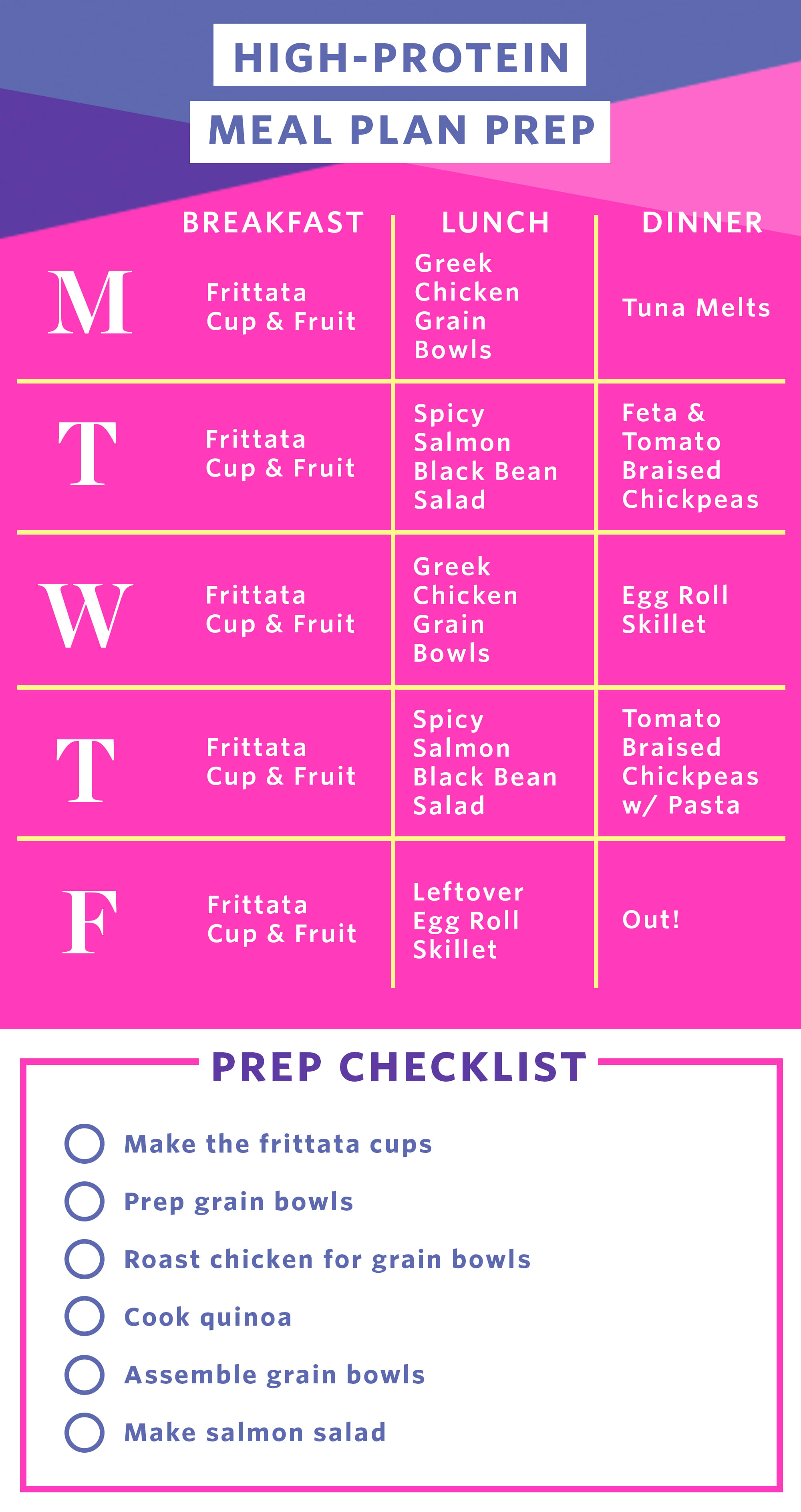
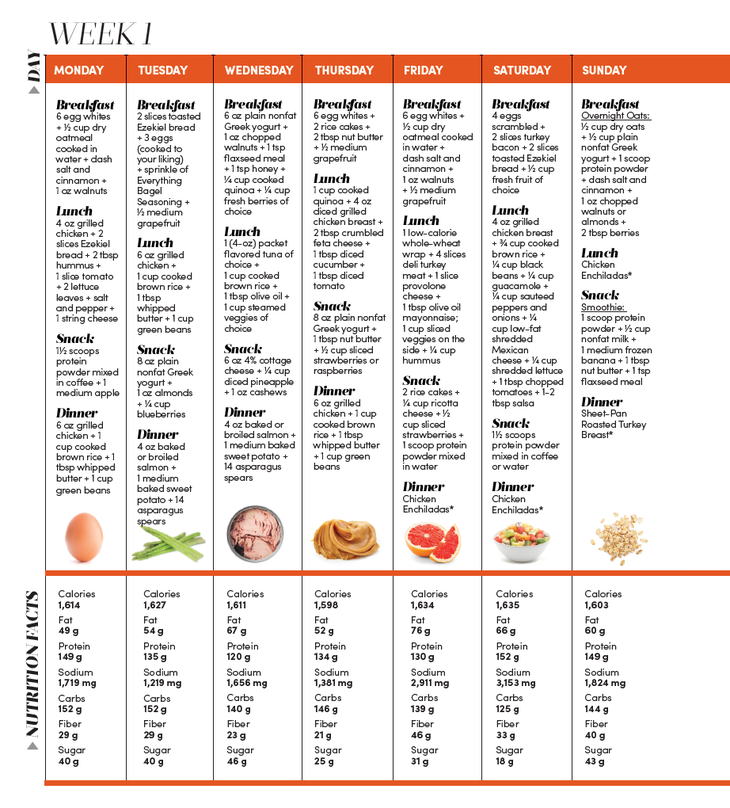
Explore sample meal plans designed for weight loss with high protein content. These plans feature lean meats, legumes, and dairy to support muscle growth and fat loss. Balanced meals ensure sustained energy and satisfaction throughout the day.
If you’re aiming to shed some pounds while keeping your energy levels high, a high protein diet plan might just be your secret weapon. High protein meals can help you feel full longer, curb those pesky cravings, and maintain muscle mass even as you lose weight. Let’s dive into some sample high protein meal plans that can add variety and flavor to your weight loss journey.Breakfast Ideas
Starting your day with a protein-rich breakfast can set the tone for the rest of your day. How about a fluffy omelet packed with spinach and feta cheese? Pair it with a slice of whole-grain toast for extra fiber. If you’re in a hurry, a Greek yogurt parfait with berries and a sprinkle of chia seeds can do wonders. It’s quick, satisfying, and packed with nutrients. Ever tried a protein smoothie? Blend together some almond milk, a scoop of protein powder, a banana, and a handful of spinach for a nutritious start.Lunch Options
Lunchtime doesn’t have to be boring. A grilled chicken salad with mixed greens, cherry tomatoes, and avocado can be both filling and refreshing. Dress it up with a light vinaigrette for added zest. Consider making a turkey and quinoa bowl. Add colorful veggies like bell peppers and broccoli for a nutrient boost. Quinoa is a complete protein, making it a great base for your meal. If you love sandwiches, opt for a whole-grain wrap filled with lean turkey, lettuce, and hummus. It’s both satisfying and portable for those on-the-go days.Dinner Suggestions
Dinner is an opportunity to enjoy a hearty, high-protein meal. A baked salmon fillet with a side of steamed asparagus and brown rice is a classic choice. It’s rich in omega-3s and packed with flavor. Think about making a beef stir-fry with lean beef strips, broccoli, and carrots. Serve it over cauliflower rice for a low-carb twist. Or try a chickpea curry with tofu. It’s a vegetarian delight that’s both high in protein and incredibly flavorful.Snack Alternatives
Snacks can make or break your diet. Why not reach for a handful of almonds? They’re crunchy, satisfying, and full of healthy fats. Hard-boiled eggs are another great snack choice. They’re convenient and packed with protein. If you have a sweet tooth, try cottage cheese with a drizzle of honey and some fresh berries. It’s a sweet treat that doesn’t derail your diet. How do these meal ideas fit into your lifestyle? Are you ready to give them a try? A high protein diet doesn’t have to be bland or repetitive. With a bit of creativity, your meals can be both nutritious and enjoyable.Potential Challenges And Solutions
Embarking on a high protein diet for weight loss can be rewarding. Yet, it poses several challenges that need careful attention. Addressing these challenges can help in achieving long-term success.
Managing Dietary Restrictions
Many people have dietary restrictions. Allergies or intolerances can make it tough to follow a high protein diet. Common restrictions include gluten, dairy, or nuts. Choosing protein sources that fit your needs is crucial. For gluten intolerance, select gluten-free grains like quinoa. If allergic to nuts, focus on seeds like chia or sunflower.
Avoiding High-fat Protein Sources
Protein-rich foods can sometimes be high in fat. This can counteract weight loss goals. Opt for lean meats like chicken or turkey breast. Fish like cod or haddock offer low-fat options. Plant-based proteins like lentils or beans are also great choices. Read labels to spot hidden fats in packaged foods.
Staying Hydrated
Protein diets can increase water needs. High protein can cause dehydration if fluids are not balanced. Drink plenty of water daily. Include hydrating foods like cucumbers or watermelons. Herbal teas can also help. Proper hydration supports digestion and energy levels.
Credit: www.thekitchn.com
Tracking Progress And Adjustments
Embarking on a high protein diet for weight loss requires careful monitoring. Regular tracking helps ensure you stay on course. Adjustments may be needed to meet your goals. This section will guide you through monitoring progress, adapting your diet, and incorporating exercise.
Monitoring Weight Loss
Start by recording your weight weekly. Use a reliable scale. Weigh yourself at the same time each day. This ensures consistency. Note any changes in your weight. Track your measurements too. Use a tape measure for areas like waist, hips, and arms. Keep a journal for daily food intake. This helps identify eating patterns. Identify foods that support your weight loss. Consider using apps to track calories and protein intake. They can simplify your monitoring process.
Adapting The Diet Over Time
Your body changes as you lose weight. This might require diet adjustments. If weight loss slows, reassess your protein intake. Ensure it’s in line with your current needs. Experiment with different protein sources. Try lean meats, fish, and plant-based options. Adjust portion sizes if necessary. Smaller portions might boost progress. Consult a nutritionist for personalized advice. They can offer tailored adjustments to your diet plan.
Incorporating Exercise
Exercise complements a high protein diet. It boosts weight loss and builds muscle. Start with simple activities. Try walking, cycling, or swimming. Gradually increase intensity as you progress. Combine cardio with strength training. This combination maximizes fat loss. Schedule regular workouts in your routine. Consistency is key for success. Monitor energy levels during exercise. Adjust your protein intake if needed. More protein may be required for recovery.
Common Myths About High Protein Diets
A high protein diet is popular for weight loss. Yet, myths surround it. Many fear negative health effects. Others worry about weight gain. This section debunks these common myths. Learn the truth about high protein diets.
Protein And Kidney Health
People often link high protein diets with kidney damage. This myth is widespread. Yet, studies show no harm to healthy kidneys. Protein metabolism produces waste. Healthy kidneys manage this waste efficiently. Only individuals with existing kidney issues need caution. For others, a high protein diet is generally safe.
Impact On Bone Health
Another myth suggests protein harms bones. Some believe it causes calcium loss. In reality, protein supports bone health. It increases calcium absorption. Adequate protein is essential for bone strength. Studies confirm that higher protein intake may benefit bone density. So, a high protein diet supports your bones.
Misconceptions About Weight Gain
Many assume high protein leads to weight gain. This is not true. Protein helps reduce hunger. It boosts metabolism and preserves muscle during weight loss. A balanced high protein diet can help you lose weight. It promotes healthy weight management. Thus, don’t fear weight gain with protein.
Credit: www.oxygenmag.com
Frequently Asked Questions
Can I Lose Weight Just By Eating A High-protein Diet?
Eating a high-protein diet can aid weight loss by boosting metabolism and reducing hunger. Combine it with regular exercise and a balanced diet for effective results. It’s important to include other nutrients and monitor calorie intake for sustained weight loss.
Consult a nutritionist for personalized advice.
How Much Protein A Day To Lose 20 Pounds?
Consume 0. 8-1 gram of protein per pound of body weight daily for weight loss. Balance protein with healthy carbs and fats. Individual needs may vary; consult a nutritionist for personalized advice. Protein helps maintain muscle and boosts metabolism, aiding weight loss.
Which High-protein Diet Is Best For Weight Loss?
A high-protein diet like the Atkins or Dukan is effective for weight loss. Both emphasize low-carb intake and high protein. They help reduce hunger and boost metabolism. Always consult a healthcare professional before starting any diet plan.
What Is The 30 30 30 Rule For Weight Loss?
The 30 30 30 rule involves eating 30 grams of protein, 30 minutes after waking, for 30 consecutive days. This aids in boosting metabolism, reducing hunger, and supporting muscle growth. It’s a simple strategy to kickstart weight loss and improve dietary habits.
Conclusion
A high protein diet plan helps with weight loss effectively. It boosts metabolism and reduces hunger. This leads to healthier eating habits. Choose lean meats, beans, and dairy. These provide essential nutrients too. Balance is crucial for long-term success. Include vegetables and whole grains.
Stay hydrated and active. Always listen to your body’s needs. Consult a doctor before major diet changes. A healthier, happier lifestyle awaits with commitment and planning.








