Are you tired of aching calves after a long day or seeking to enhance your leg strength without hitting the gym? The gastrocnemius, the large muscle at the back of your lower leg, is crucial for both aesthetics and functionality.
Discover simple yet effective workouts you can perform right at home to strengthen and tone this important muscle. Imagine the confidence boost from stronger legs, the convenience of exercising on your schedule, and the satisfaction of visible results. Dive into these easy-to-follow exercises, and unlock a new level of leg power and endurance.
Your journey to better calf strength begins now!
Benefits Of Strong Calves
Gastrocnemius workouts at home strengthen calves, enhancing balance and leg power. Improved calf muscles reduce injury risks and boost overall performance. Simple exercises like calf raises make calves strong without needing special equipment.
Strong calves are more than just a fitness goal; they play a crucial role in your daily life and athletic performance. The gastrocnemius muscle, a key component of your calf, helps with everything from walking to running. As you strengthen your calves, you’ll notice improvements in your balance and mobility. Plus, toned calves look great and give you confidence. But what are the real benefits of having strong calves? Let’s dive into it.Improved Balance And Stability
Building strong calves enhances your balance. When your calf muscles are well-developed, they help stabilize your ankles. This stability is essential for activities like hiking or simply walking on uneven surfaces. Imagine walking on a rocky path without the fear of twisting your ankle. Strong calves provide the support needed for such adventures.Enhanced Athletic Performance
If you enjoy sports, strong calves are your secret weapon. They contribute to better jumps and quicker sprints. Picture yourself playing basketball and making that perfect jump shot. Your calves are working hard to lift you off the ground. With stronger calves, you’ll find yourself moving faster and performing better in your favorite sports.Injury Prevention
Weak calves can lead to injuries. Strengthening them reduces the risk of strains and sprains. Think about your last workout injury. Was it due to weak muscles? By focusing on your calves, you’re investing in a safer workout routine. This preventive measure keeps you active and pain-free.Increased Power And Endurance
Strong calves contribute to powerful movements. Whether you’re running a marathon or cycling up a steep hill, your calves support your endurance. Have you ever felt exhausted halfway through a run? Building calf strength helps you push through and reach the finish line with energy to spare.Aesthetic Appeal
Let’s face it, toned calves look great. They add definition to your legs and boost your confidence. Have you ever worn shorts and felt self-conscious about your legs? With regular calf workouts, you’ll proudly show off your legs. This aesthetic appeal is a bonus to the functional benefits you gain. So, what’s stopping you from working on those calves? Embrace the challenge and enjoy the myriad benefits that come with stronger calves.Anatomy Of The Gastrocnemius
The gastrocnemius muscle is a vital part of the calf. It plays a key role in movement and stability. Understanding its structure aids in effective workouts. Let’s explore its anatomy in simple terms.
Origin And Insertion
The gastrocnemius starts at the femur’s lower end. It inserts at the heel through the Achilles tendon. This gives it a unique shape and function.
Muscle Composition
This muscle has two heads, medial and lateral. These heads create the calf’s prominent appearance. They work together during activities like walking and running.
Function And Movement
The gastrocnemius aids in plantar flexion. This is the action of pointing your toes. It also helps in flexing the knee. These movements are essential in daily tasks.
Common Misconceptions
Many believe the gastrocnemius is the only calf muscle. In fact, the soleus muscle lies beneath it. Both muscles are important for balance and strength.
Importance In Workouts
Targeting the gastrocnemius enhances leg strength. It improves athletic performance. Home workouts can effectively engage this muscle.
Essential Equipment For Home Workouts
Working out your gastrocnemius muscles at home can be effective and convenient. To get the best results, certain equipment is essential. This equipment helps maximize your workout, ensuring you target your calf muscles properly. Investing in the right tools can enhance your routine and provide variety. Let’s explore the essential equipment for home workouts.
Resistance Bands
Resistance bands are versatile and affordable. They offer varying levels of tension. Use them for calf raises and stretching exercises. They are portable and easy to store. Perfect for small spaces.
Dumbbells
Dumbbells add weight to your exercises. They help in building muscle strength. Use them for weighted calf raises. Choose adjustable ones for different weights. Compact and effective.
Step Platform
A step platform increases intensity. It helps with step-ups and calf raises. Ensure it’s sturdy and non-slip. This tool enhances cardio and strength. Adds variety to your workout.
Yoga Mat
A yoga mat provides comfort. It cushions your joints during exercises. Essential for floor stretches and cooldowns. Choose one with good grip. Keeps you stable and secure.
Foam Roller
Foam rollers aid in recovery. They relieve muscle tension and improve flexibility. Use them after workouts. Helps in reducing soreness. Simple yet effective.
Bodyweight Exercises
Working out the gastrocnemius at home doesn’t require fancy equipment. Bodyweight exercises can effectively strengthen these muscles. They are simple, yet powerful moves that anyone can perform.
Calf Raises
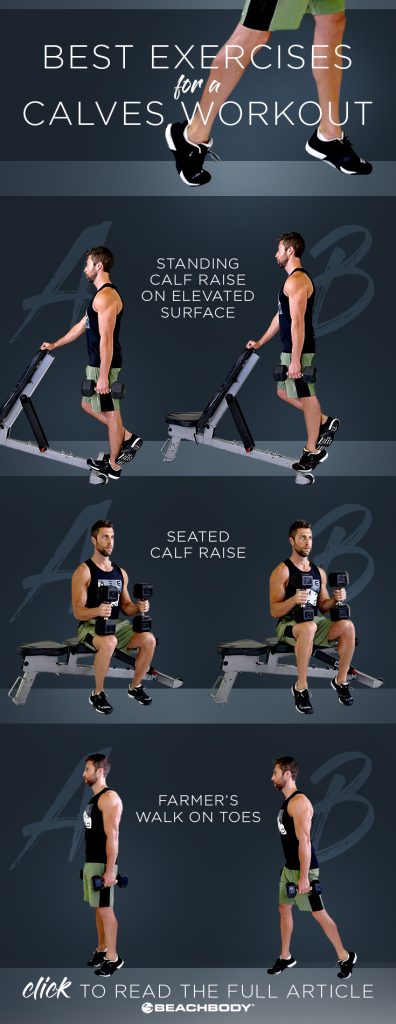
Calf raises are straightforward and effective. Stand tall with feet hip-width apart. Slowly lift your heels off the ground. Hold the position for a second. Lower your heels back down. Repeat this move 15-20 times. Feel the burn in your calves.
Single-leg Calf Raises
Single-leg calf raises add a challenge. Balance on one foot. Lift the heel of that foot. Keep the other foot off the ground. This focuses the workout on one leg. Switch legs after completing the set. Aim for 10-15 repetitions per leg.
Seated Calf Raises
Seated calf raises target the muscle differently. Sit on a chair with feet flat on the ground. Place your hands on your knees. Lift your heels as high as possible. Hold briefly, then lower them. Perform 15-20 repetitions. Feel the stretch in your calves.
Resistance Band Workouts
Boost your calf muscles with resistance band workouts focused on the gastrocnemius. These exercises can be done at home easily. Strengthen and tone your legs using simple routines. Perfect for building muscle without heavy equipment.
If you’re looking to strengthen your calves without stepping into a gym, resistance bands are your secret weapon. They are affordable, portable, and versatile—perfect for home workouts. By focusing on the gastrocnemius muscle, you can enhance your calf strength and definition effectively.Standing Calf Extensions
Stand tall with your feet hip-width apart. Place the resistance band under the balls of your feet, holding the ends firmly in your hands. Slowly raise your heels off the ground, balancing on your toes. Hold the position for a moment and then lower your heels back down. Repeat this movement 15-20 times for an effective calf burn. You may be surprised how such a simple move can challenge your balance and strength.Resisted Ankle Flexion
Sit comfortably on the floor with your legs extended. Loop the resistance band around one foot and hold the other end. Flex your foot against the band’s resistance, then point your toes away. This motion targets the gastrocnemius and builds ankle stability. Aim for 12-15 repetitions on each side. This exercise is a great way to improve mobility, especially if you spend a lot of time sitting.Have you ever tried these exercises with resistance bands? They might seem easy at first glance, but the added resistance truly intensifies the workout. Give them a try and see how your calves respond. You might find a new favorite workout that fits seamlessly into your daily routine!

Credit: toneopfit.com
Dumbbell Exercises
Strengthen your calf muscles with dumbbell exercises at home. Target the gastrocnemius by performing standing calf raises. Hold dumbbells for added resistance.
If you’re looking to pump up your calves without leaving the comfort of your home, dumbbell exercises are a fantastic option. These workouts are effective, versatile, and require minimal equipment. All you need is a pair of dumbbells, some motivation, and a little space in your living room. Whether you’re a fitness newbie or a seasoned athlete, integrating these exercises into your routine can help you sculpt the gastrocnemius muscles with precision. So, grab those weights and let’s get started!Weighted Calf Raises
Weighted calf raises are a simple yet powerful way to target your calf muscles. Stand tall with a dumbbell in each hand, arms by your sides. Position your feet hip-width apart and slowly lift your heels off the ground, balancing on your toes. Hold for a moment at the top, then lower your heels back down. To maximize results, perform 3 sets of 15 repetitions. You can also increase the challenge by standing on a step or a raised platform, allowing for a greater range of motion. Do you feel the burn yet? This exercise is great for building endurance and strength in your calves.Dumbbell Jump Squats
Dumbbell jump squats add a dynamic twist to your workout. Begin by holding a dumbbell in each hand at shoulder height. Lower your body into a squat position, keeping your back straight and core engaged. From this position, explode upwards into a jump, extending your arms overhead as you rise. Aim for 3 sets of 10 jumps, maintaining control as you land softly back into a squat. This exercise not only strengthens your calves but also boosts your cardiovascular fitness. It’s a high-energy move that can get your heart racing and muscles working in tandem. How high can you jump with precision and control? Find out with this exhilarating exercise. Adding these dumbbell exercises to your routine can make a significant difference in your calf muscle development. They are practical, effective, and a wonderful way to diversify your home workout regimen. Why not challenge yourself today and see the results for yourself?Stretching And Flexibility
Stretching and flexibility are essential parts of any workout routine. They help prevent injuries and improve overall performance. For the gastrocnemius muscle, proper stretching enhances range of motion. It also contributes to better muscle recovery. Incorporating stretching exercises into your routine can make a significant difference. Let’s explore some effective stretching techniques for your calves.
Wall Calf Stretch
The wall calf stretch targets the gastrocnemius muscle directly. Stand facing a wall and place your hands on it. Position one foot behind the other. Keep the back leg straight and bend the front knee. Press your heel into the ground. Feel the stretch in your back calf. Hold this position for 20 seconds. Switch legs and repeat.
Downward Dog Stretch
The downward dog stretch is a yoga pose that stretches calves. Start on all fours. Raise your hips towards the ceiling. Your body should form an inverted V-shape. Press your heels toward the floor. Keep your head between your arms. Feel the stretch in your calves. Hold this position for 30 seconds. Return to the starting position. Repeat for a few cycles.

Credit: www.bodi.com
Creating A Balanced Workout Routine
Strengthen your legs with gastrocnemius workouts at home. Simple exercises like calf raises boost muscle tone effectively. Keep your routine balanced for optimal results.
Creating a balanced workout routine at home for your gastrocnemius muscles can be both effective and rewarding. By focusing on a mix of exercises that target strength, flexibility, and endurance, you can achieve well-rounded calf development. The key is to incorporate a variety of movements that challenge your muscles in different ways, ensuring a comprehensive workout experience.Understanding Muscle Groups
Before diving into exercises, it’s crucial to understand the muscle groups involved. The gastrocnemius is the larger calf muscle, working alongside the soleus. Both play a vital role in movements like walking, running, and jumping. By targeting these muscles, you enhance your overall mobility and athletic performance. Are you aware of how much these muscles influence your daily activities?Strengthening Exercises
To build muscle strength, consider exercises like calf raises. Stand on a step with your heels hanging off the edge and lift your body using your toes. Repeat this for three sets of 15 reps. You can increase difficulty by holding weights or performing single-leg raises. Another effective move is the seated calf raise, which can be mimicked at home using a chair and weights. Flexibility is just as important as strength. Include stretches like the downward dog or standing calf stretch. Hold each stretch for 20-30 seconds to lengthen the muscles and improve elasticity. This not only prevents injury but also enhances muscle recovery. How often do you prioritize stretching in your routine?Endurance And Cardio
Incorporating endurance exercises like skipping or jogging in place boosts your cardiovascular health while engaging your calves. Aim for 10-15 minutes of continuous activity, gradually increasing duration as your stamina improves. These activities keep your heart rate up and burn calories, contributing to overall fitness.Rest And Recovery
Don’t overlook the importance of rest. Allow your muscles time to recover and grow stronger. Ensure you have rest days and focus on activities like yoga or foam rolling to aid recovery. Balancing workout intensity with rest is crucial for sustainable muscle growth. How do you incorporate rest days into your regimen? Creating a balanced workout routine for your gastrocnemius at home doesn’t require fancy equipment. With a mix of strength, flexibility, and endurance exercises, you can effectively target your calf muscles. Keep challenging yourself and adjust your routine as needed to see continuous improvement.Common Mistakes To Avoid
Working out at home offers flexibility and comfort. Yet, mistakes can hinder progress. Understanding common errors is crucial for effective gastrocnemius workouts. Proper technique ensures muscle growth and prevents injury.
Using Incorrect Form
Form matters. Incorrect posture affects muscle engagement. Stand straight and ensure alignment during exercises. Avoid bending your knees excessively. Focus on maintaining a firm stance. This prevents strain and enhances workout effectiveness.
Neglecting Warm-up
Warm-up is essential. It prepares muscles for intense activity. Skipping this step can lead to injuries. Spend five minutes on simple leg stretches. This boosts circulation and readiness.
Overtraining
Muscle growth requires balance. Overtraining can cause fatigue or injury. Alternate between intense and light workouts. Allow time for recovery. This aids in muscle repair and growth.
Ignoring Proper Nutrition
Nutrition fuels workouts. Ignoring it limits progress. Consume protein-rich foods. They support muscle development. Hydration also plays a key role. Drink water regularly to maintain energy levels.
Using Inadequate Resistance
Resistance challenges muscles. Inadequate weight limits growth. Use resistance bands or weights for exercises. Adjust resistance to match your strength level. This ensures effective muscle engagement.
Skipping Rest Days
Rest days are vital. Muscles need time to recover. Skipping rest leads to exhaustion. Plan at least one rest day weekly. This allows muscles to rebuild and strengthen.
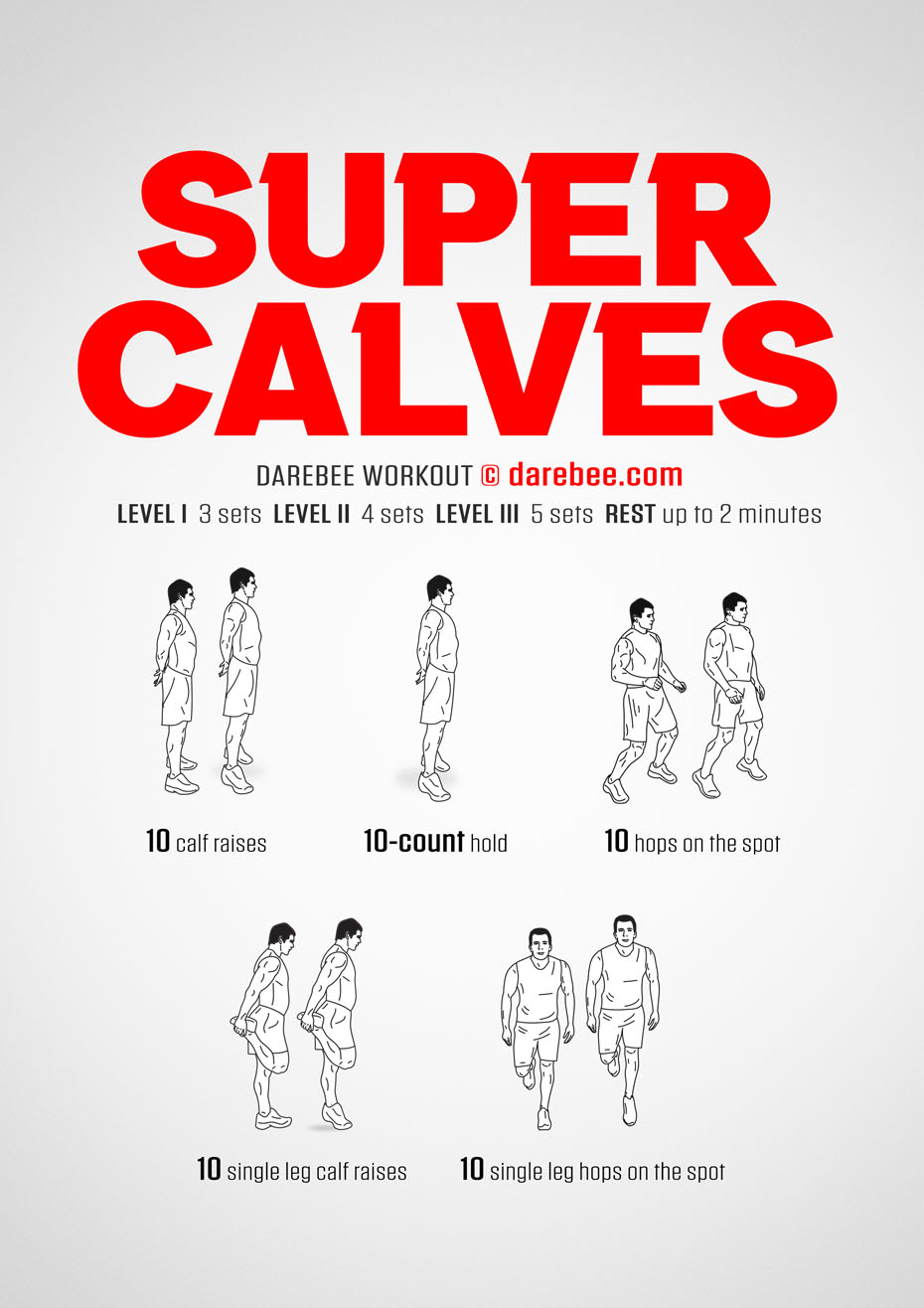
Credit: darebee.com
Tracking Progress And Setting Goals
Setting goals helps keep gastrocnemius workouts on track. Regular progress checks ensure effective results and motivation. Home routines make consistent training easy and accessible.
Tracking progress and setting goals play a vital role in any fitness journey. Monitoring your advancements in gastrocnemius workouts helps maintain motivation. It ensures you achieve desired results. Setting clear goals guides your workout routine. It keeps you focused on improvement. Here’s how you can track progress and set effective goals for your home workouts.Understanding Your Current Fitness Level
Begin by assessing your current fitness level. Take note of how many repetitions you can perform. Observe the ease or difficulty of your movements. This helps in setting realistic goals. It prevents overexertion. Knowing your starting point is essential for tracking improvement.Setting Achievable Goals
Define what you want to achieve with your gastrocnemius workouts. Aim for gradual increases in strength and endurance. Set short-term and long-term goals. Make sure they are specific and measurable. Clear goals provide direction and motivation.Utilizing Progress Tracking Tools
Use simple tools like journals to document your workouts. Record details like sets, reps, and duration. Apps can also help track progress. They visualize your improvements over time. Regularly reviewing your logs keeps you informed.Adjusting Goals Based On Progress
Review your progress regularly. If you meet your goals easily, adjust them to be more challenging. If goals seem unattainable, modify them for realism. Flexibility in goal setting is important. It ensures continuous improvement without discouragement.Celebrating Milestones
Celebrate when you reach a goal. Recognizing achievements boosts morale. It encourages further progress. Each milestone, no matter how small, is a step forward. Celebrations keep the journey enjoyable.Frequently Asked Questions
How To Train Gastrocnemius At Home?
Train gastrocnemius at home with calf raises. Stand on toes, lift heels, and lower slowly. Use stairs or a sturdy surface for added difficulty. Perform 3 sets of 15 repetitions. Increase intensity by holding weights. Ensure proper form to prevent injuries and optimize muscle growth.
What Strengthens The Gastrocnemius?
Strengthen the gastrocnemius by doing calf raises, lunges, and sprinting. Incorporate jumping exercises and cycling. Stretch regularly to enhance flexibility. Maintain consistency for best results.
Can You Build Calf Muscle Without Weights?
Yes, you can build calf muscles without weights. Perform exercises like calf raises, jump rope, and stair climbing. Focus on proper form, increased repetitions, and consistency. Bodyweight exercises effectively target calf muscles, promoting growth and strength. Remember to stretch and warm up to prevent injuries.
Will 100 Calf Raises A Day Increase Vertical?
Performing 100 calf raises daily can strengthen calf muscles but may not significantly boost vertical jump alone. Combine calf raises with exercises targeting overall leg strength and explosive power for better results. Ensure proper form and include rest days to prevent injury and maximize gains.
Conclusion
Gastrocnemius workouts at home boost leg strength and flexibility. Simple exercises target these muscles effectively. No gym needed. Consistent practice leads to visible results. Remember, patience is key. Gradually increase intensity for better gains. Listen to your body. Rest if you feel discomfort.
Enjoy the journey to stronger legs. Adapt routines as you progress. Share tips with friends for motivation. Celebrate small achievements. Stay committed to your fitness goals. Building muscle takes time. Keep pushing forward. Your legs will thank you. Keep up the great work at home!








