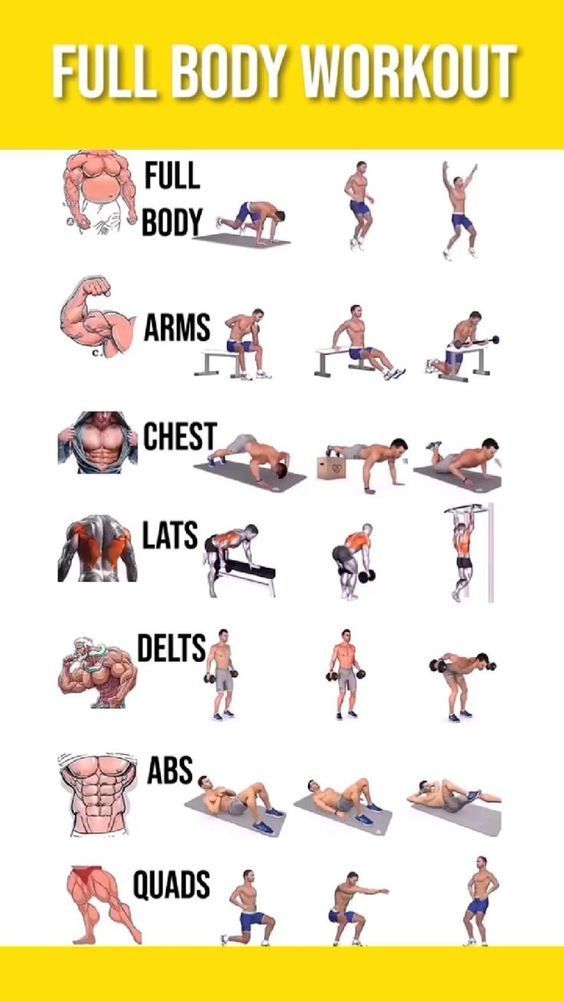
Are you tired of crowded gyms and expensive memberships? Imagine transforming your living room into a powerhouse for fitness with a full body workout at home.
No more waiting for equipment or feeling self-conscious. This is your space, your pace, and your chance to sculpt the body you’ve always dreamed of without stepping outside. You’ll be amazed at how simple exercises can target every muscle, offering the same benefits as a gym session.
Ready to discover how you can achieve incredible results with just a few square feet and a sprinkle of determination? Let’s dive into your new favorite workout routine.
Benefits Of Home Workouts
Home workouts offer a range of benefits that make them appealing. They provide convenience, cost savings, and flexibility. No need to travel to a gym, saving you time and money. With home workouts, you can exercise whenever it suits you. This helps you maintain a consistent fitness routine.
Convenience And Flexibility
Home workouts eliminate travel time. This makes it easier to fit exercise into busy schedules. You can work out early morning or late night. Your home is always open for fitness.
Cost-effectiveness
Gym memberships can be expensive. Home workouts require minimal equipment. Many exercises need only your body weight. This reduces costs significantly.
Privacy And Comfort
Exercise in your own space offers privacy. No more waiting for equipment. You can wear what you want and avoid crowded gyms. Feel comfortable and focus on your progress.
Adaptable Workouts
You can tailor exercises to your needs. Adjust workouts based on your fitness level. Progress at your own pace. Home workouts allow you to try different routines easily.
Improved Mental Health
Exercise releases endorphins. This boosts your mood and reduces stress. Working out at home can enhance mental well-being. A comfortable environment aids relaxation and focus.

Credit: spotebi.com
Essential Equipment
Working out at home can be both convenient and effective, especially when you have the right equipment. While gym memberships can be costly, investing in essential tools for a full body workout at home can save you money and time. Whether you’re starting fresh or enhancing your routine, understanding what equipment is necessary can dramatically improve your fitness journey.
Bodyweight Tools
Bodyweight exercises are incredibly powerful. You can achieve a strong, toned body using nothing but your weight. However, a few tools can enhance your workouts.
- Yoga Mat:It provides comfort and grip, making exercises like push-ups and planks more manageable.
- Pull-Up Bar:This tool is great for building upper body strength. It’s easy to install and doesn’t take up much space.
- Resistance Bands:Versatile and portable, they add extra resistance to squats, lunges, and other exercises.
Have you ever tried a workout without any equipment? Sometimes, it can feel limiting, but the right bodyweight tools offer more variety and challenge.
Optional Equipment
If you’re looking to diversify your workouts further, consider some optional equipment. These items can add variety and intensity to your routine.
- Dumbbells:Perfect for adding weight to your exercises. They come in various sizes, allowing for gradual progress.
- Kettlebells:Excellent for dynamic movements. They help in developing strength, endurance, and flexibility.
- Stability Ball:Great for core exercises. It challenges your balance and strengthens your abdominal muscles.
Have you ever thought about how these tools could transform your fitness routine? Imagine the possibilities when you mix and match different equipment.
Remember, the best workout is the one you enjoy and can stick to. So, choose the equipment that makes you excited to exercise.
Warm-up Routine
Starting your workout without warming up is like trying to start your car on a cold winter morning. You need to get your body ready for action. A good warm-up routine is crucial to boost blood flow and prepare your muscles for exercise. Plus, it reduces the risk of injury. Here’s how you can effectively warm up at home with no fancy equipment.
Dynamic Stretches
Dynamic stretches are a great way to kickstart your warm-up. They involve movement, unlike static stretches where you hold a position. Think leg swings or arm circles. These movements get your joints lubricated and muscles activated.
Imagine standing in your living room, swinging your arms in circles. Feel your shoulders loosening up? That’s dynamic stretching at work. Aim for stretches that mimic the movements you’ll do in your workout. This way, your muscles remember the pattern when it’s time to get serious.
Cardio Warm-up
A cardio warm-up is essential to elevate your heart rate. You can do this right in your living room. Start with jumping jacks or high knees. Feel your pulse quicken as your body gears up for exercise.
Think of this as waking your body up from a nap. Your heart pumps faster, sending blood to your muscles. Are you feeling the energy rise? That’s your body getting ready to perform. Aim for five minutes of cardio to ensure your body is truly warmed up.
Have you ever skipped a warm-up and felt sluggish during your workout? Consider how different it feels when you’re prepared. Your muscles respond faster, and you can avoid those annoying injuries. What’s your go-to warm-up move?
Make your warm-up routine a staple of your workout. It’s not just about starting your workout; it’s about starting it right. Feel the difference it makes, and you’ll never skip it again.
Upper Body Exercises
Working out at home can be just as effective as hitting the gym, especially when it comes to building your upper body strength. With a variety of exercises, you can target different muscle groups and achieve a toned and strong physique. Let’s dive into some effective upper body exercises that you can easily perform in your living room.
Push-ups Variations
Push-ups are a classic exercise that engage multiple muscles, including your chest, shoulders, and triceps. But did you know you can switch them up for added benefits? A regular push-up is great, but adding a twist can challenge your muscles further.
Try the incline push-upby placing your hands on an elevated surface like a chair. This targets your lower chest more effectively. Feeling adventurous? The decline push-up, where your feet are elevated, focuses on your upper chest and shoulders.
Don’t stop there. The diamond push-upis another variation that emphasizes your triceps. Position your hands close together, forming a diamond shape with your thumbs and index fingers. Each variation offers unique benefits. Which one will you try today?
Dumbbell Exercises
Dumbbells are versatile and perfect for at-home workouts. If you have a pair lying around, you can perform a plethora of exercises targeting your upper body. Dumbbell exercises allow you to isolate muscles and focus on form.
Consider starting with the dumbbell bench pressusing a bench or the floor. This exercise is excellent for building your chest muscles. Follow it up with bicep curlsto tone your arms. Keep your elbows close to your body and control the weight for maximum effectiveness.
The shoulder pressis another essential exercise that targets your shoulders and triceps. Press the dumbbells overhead while keeping your back straight. Need an extra challenge? Add some lateral raises to work on your shoulders’ side muscles.
What makes dumbbell exercises special is their adaptability. You can increase or decrease the weight based on your strength levels. Which dumbbell exercise will become your new favorite?
Engage your mind and body with these exercises, and watch your upper body transform. Keep pushing your limits, and remember, your home is your personal fitness sanctuary.
Core Strengthening
A strong core is essential for overall fitness. It supports your body in daily activities. Core strength improves balance and posture. Working on your core can reduce back pain. You don’t need a gym to strengthen your core. Simple exercises at home can be very effective.
Plank Variations
Planks are excellent for core strength. They engage multiple muscle groups. Start with the basic plank position. Keep your body straight from head to heels. Hold the position for 30 seconds to start. Increase the time as you get stronger.
Try side planks for added challenge. They target your oblique muscles. Lift your hips off the ground. Balance on one forearm and the side of your foot. Hold the position for as long as you can. Switch sides to balance the workout.
Abdominal Crunches
Crunches are classic core exercises. They focus on the abdominal muscles. Lie on your back with knees bent. Place your hands behind your head. Lift your shoulders off the ground. Keep your lower back on the floor.
Exhale as you lift your shoulders. Inhale as you return to the start. Perform the movement slowly for best results. Aim for 15 to 20 repetitions per set. Increase reps as you build endurance.
Lower Body Workouts
Strengthen your entire body with at-home lower body workouts. These exercises target thighs, glutes, and calves effectively. Perfect for a full-body routine without equipment.
Lower body workouts are a crucial part of any full body workout routine. They not only enhance strength and endurance but also improve balance and coordination. Working on your lower body can lead to better posture and stability, making everyday activities easier.Squats And Lunges
Squats and lunges are fundamental exercises for strengthening your lower body. They target the quadriceps, hamstrings, and glutes, providing a full lower body workout. To perform a squat, stand with your feet shoulder-width apart. Lower your hips down as if you’re sitting in a chair, keeping your chest up and back straight. Press through your heels to return to standing. Lunges are another great option. Step forward with one leg, lowering your hips until both knees are bent at about a 90-degree angle. Your back knee should hover just above the ground. Push back to the starting position and switch legs. Mixing these exercises into your routine can boost your leg strength and endurance. Why not try adding squats and lunges to your next home workout?Calf Raises
Calf raises target the muscles at the back of your lower legs. These exercises can improve your balance and enhance your ability to move quickly. Stand with your feet hip-width apart. Slowly raise your heels until you’re standing on your toes. Hold for a moment and then lower your heels back to the floor. You can increase the difficulty by using a step or the edge of a stair for a greater range of motion. Try doing calf raises while brushing your teeth or waiting for your coffee to brew. Small changes can make a big difference in your fitness journey. Adding calf raises to your workout routine can help you achieve a well-rounded lower body workout. Are you ready to feel the burn and see the results?Full-body Circuits
Full-body circuits can elevate your home workout routine. They provide a comprehensive fitness solution. You target multiple muscle groups in one session. This efficient approach maximizes calorie burn. It also builds strength and boosts endurance.
High-intensity Interval Training
High-Intensity Interval Training (HIIT) is a popular choice for full-body workouts. It alternates between intense bursts of exercise and short rest periods. This method keeps your heart rate up. It burns more fat in less time. You can perform HIIT with minimal equipment. Exercises like burpees, squats, and jumping jacks work well. Each session can be tailored to your fitness level. HIIT is flexible and effective.
Circuit Training Benefits
Circuit training combines strength and cardio. It involves moving from one exercise to the next with little rest. This keeps the heart rate elevated. It improves cardiovascular health and muscle tone. Circuit training is adaptable. You can adjust exercises and repetitions. This makes it suitable for all fitness levels. It also saves time. You get a full workout in a short period.
Cool Down And Stretching
Cooling down and stretching enhance your home workout routine. These steps help prevent injuries and relax muscles. Incorporate simple stretches to improve flexibility and recovery.
After an intense workout, the cool down phase is crucial for your body. It aids in recovery, reduces muscle soreness, and prevents injury. Think of it as a transition from high-energy activity to rest. Stretching post-workout not only relaxes your muscles but also enhances flexibility. Now, let’s dive into some effective techniques to wrap up your workout with care.Static Stretches
Static stretches are essential for easing muscle tension. Hold each stretch for about 20-30 seconds to truly benefit. Try the seated hamstring stretch. Sit on the floor with one leg extended and the other bent. Reach for your toes slowly. Feel the stretch in your hamstring. Or, consider the standing quad stretch. Stand tall, pull your ankle towards your glute, keeping knees together. Balance might be tricky; use a wall for support if needed. Regular static stretching can improve your overall flexibility. What stretches do you find most effective?Breathing Techniques
Deep breathing plays a pivotal role in cooling down. It helps calm your mind and body after a high-energy session. Inhale deeply through your nose, hold for a few seconds, then exhale slowly through your mouth. This technique reduces heart rate and promotes relaxation. Try to synchronize your breathing with your stretching. It enhances the stretch and eases tension. I once struggled with post-workout jitters until I learned to breathe deeply. It made a world of difference in my recovery. Have you ever noticed how calming proper breathing can be? Incorporating these cool down techniques into your routine can make your workouts more effective and enjoyable.Tracking Progress
Tracking your progress is crucial in a full body workout at home. It helps you stay motivated and see how far you’ve come. Recording your achievements lets you adjust your routines effectively. Here are some ways to track your progress and keep on improving.
Fitness Journals
Fitness journals are perfect for documenting workouts. Write down exercises, reps, and sets. Note how you feel after each session. This way, you can identify patterns and make necessary changes. Use a simple notebook or a dedicated workout journal. The key is consistency. Writing daily helps you track your progress over time.
Apps And Tools
Apps and tools simplify tracking your workouts. Many apps offer detailed tracking options. You can log exercises, set goals, and monitor achievements. Some apps provide visual graphs to show your progress. These tools make it easy to track your fitness journey. Choose apps that fit your workout style. Make sure they’re user-friendly and easy to navigate.

Credit: uk.pinterest.com
Nutrition For Optimal Performance
Getting the most out of your full body workout at home isn’t just about the exercises. Nutrition plays a critical role in optimizing your performance. By fueling your body with the right nutrients, you can improve endurance, build muscle, and recover faster. Let’s dive into how you can tailor your diet to complement your workout routine.
Pre-workout Meals
What you eat before a workout can set the tone for your entire session. Think of it as filling your car with fuel before a long drive. Aim for a mix of carbs and protein. Carbs give you the energy to push through intense workouts, while protein helps your muscles prepare for the upcoming strain.
An hour before your workout, grab a small snack. A banana with a tablespoon of peanut butter or a bowl of oatmeal with a splash of almond milk can be perfect. These choices are easy on the stomach and provide the energy you need. Have you ever felt sluggish halfway through a workout? A good pre-workout meal can prevent that.
Post-workout Recovery
Recovery is just as important as the workout itself. Post-exercise, your muscles are like sponges, ready to soak up nutrients. This is the time to replenish your body and repair muscle fibers. A combination of protein and carbs is essential.
Consider a protein shake with a banana or a turkey sandwich with whole-grain bread. These options help rebuild muscle and restore your energy levels. Don’t wait too long after your workout to eat. The sooner you refuel, the better your recovery will be. Have you ever skipped post-workout nutrition and felt sore for days? Proper recovery can make all the difference.
Nutrition isn’t just about eating; it’s about understanding what your body needs. What changes will you make to your diet to enhance your workout performance?
Staying Motivated
Staying motivated is key to maintaining a full-body workout routine at home. It’s easy to lose focus without a trainer pushing you. Here are ways to keep your drive strong.
Setting Goals
Clear goals give direction and purpose. Start by deciding what you want to achieve. It could be losing weight or gaining muscle. Write down your goals for better tracking. Visual reminders can inspire you daily. Consider using sticky notes around your home.
Finding Support
Support keeps you accountable and on track. Find a friend who shares your fitness passion. You can motivate each other through messages or calls. Online communities also offer great support. Join forums or social media groups focused on fitness. Sharing progress with others boosts your morale. Celebrate achievements together for extra motivation.

Credit: www.fitfocus23.com
Frequently Asked Questions
Which Exercise Is Best For Full Body At Home?
Burpees are excellent for a full-body workout at home. They target multiple muscle groups, enhance strength, and boost cardiovascular fitness.
What Is The 5 4 3 2 1 Workout Method?
The 5 4 3 2 1 workout method involves five exercises performed in descending order. Start with five reps of one exercise, then four reps of another, followed by three, two, and finally one rep of different exercises. This method enhances strength, endurance, and overall fitness in a quick session.
Are Full Body Workouts At Home Effective?
Yes, full body workouts at home are effective. They improve strength, flexibility, and overall fitness. Use bodyweight exercises like push-ups, squats, and lunges. Incorporate resistance bands or dumbbells for added intensity. Consistency and proper form are key to achieving results.
Tailor workouts to fit your fitness level and goals.
What Is The Best Overall Full-body Workout?
The best overall full-body workout includes exercises like squats, deadlifts, push-ups, pull-ups, and planks. These compound exercises effectively target multiple muscle groups, enhance strength, and improve endurance. Remember to maintain proper form and gradually increase intensity for optimal results. Regularly incorporating these into your routine ensures a balanced and efficient workout.
Conclusion
Working out at home can be simple and effective. You need no fancy equipment. Just dedication and a little space. Consistency is key to seeing results. Mix cardio with strength exercises. This keeps the routine exciting and balanced. Remember to listen to your body.
Rest when needed. Gradually increase intensity as you get stronger. Stay motivated by setting small goals. Celebrate every achievement, big or small. A full body workout at home is possible. It’s convenient and adaptable to your schedule. Enjoy the journey to a healthier you.
You can do it!








