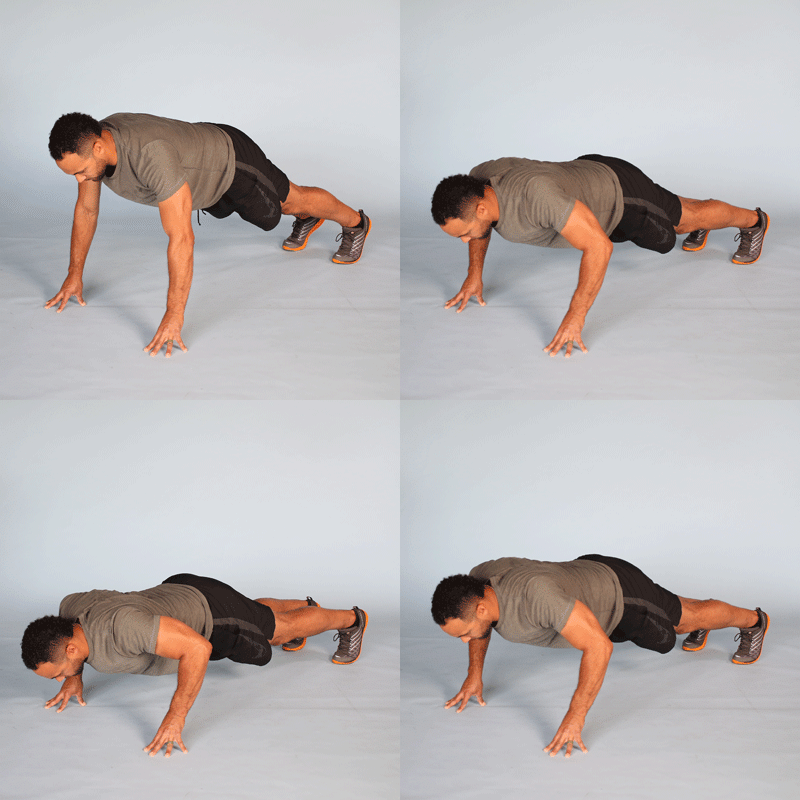
Are you tired of weak handshakes and struggling to open jars? Want to enhance your grip strength without stepping out of your home?
Welcome to the world of forearm workouts that you can easily do at home! Imagine having the power to lift, pull, and hold with confidence. Your forearms are the unsung heroes of many daily tasks, and giving them some focused attention can transform your strength.
Discover simple yet effective exercises that don’t require fancy equipment. Just a few minutes a day can lead to noticeable improvements. Curious to find out how? Keep reading to unlock the secrets of building robust forearms right in the comfort of your living room.

Credit: gripzilla.co
Benefits Of Forearm Workouts
Enhancing grip strength and wrist stability, forearm workouts at home boost daily activities and sports performance. Simple exercises improve muscle endurance, contributing to better hand coordination and injury prevention.
Working out your forearms at home can be more beneficial than you might think. These often-overlooked muscles play a crucial role in your daily activities, from lifting groceries to gripping the handlebars of a bike. By strengthening your forearms, you not only enhance your grip strength but also improve overall arm functionality, which can lead to better performance in other workouts.Improved Grip Strength
Your grip strength is vital for many exercises and everyday tasks. Imagine trying to carry a heavy suitcase or perform a deadlift without a strong grip. Focusing on forearm workouts can significantly boost your grip strength, making these tasks easier. Plus, a stronger grip can enhance your performance in exercises like pull-ups and rows.Enhanced Wrist Stability
Wrist injuries can sideline your fitness goals. Strengthening your forearms contributes to better wrist stability, reducing the risk of injury. With more stable wrists, you can confidently execute a wider range of exercises. Whether it’s yoga poses or weightlifting, your wrists will thank you for the extra support.Increased Arm Aesthetics
Who doesn’t want toned arms? Forearm workouts can enhance the overall appearance of your arms. By targeting these muscles, you create a balanced look that complements your biceps and triceps. Next time you roll up your sleeves, you’ll notice the difference.Functional Strength
Think about how often you use your hands and arms daily. From typing on a keyboard to opening jars, strong forearms can make these tasks easier and more efficient. Improving your forearm strength translates directly to better functionality in real-life scenarios. It’s a small investment in time with big returns.Convenient And Accessible
One of the best parts about forearm workouts is their convenience. You don’t need a gym membership or fancy equipment. Simple exercises like wrist curls and reverse curls can be done at home. This means you can fit them into your schedule whenever it suits you. Are you ready to give your forearms the attention they deserve? Integrating these exercises into your routine can elevate your fitness journey. So, what are you waiting for? Start today and feel the difference!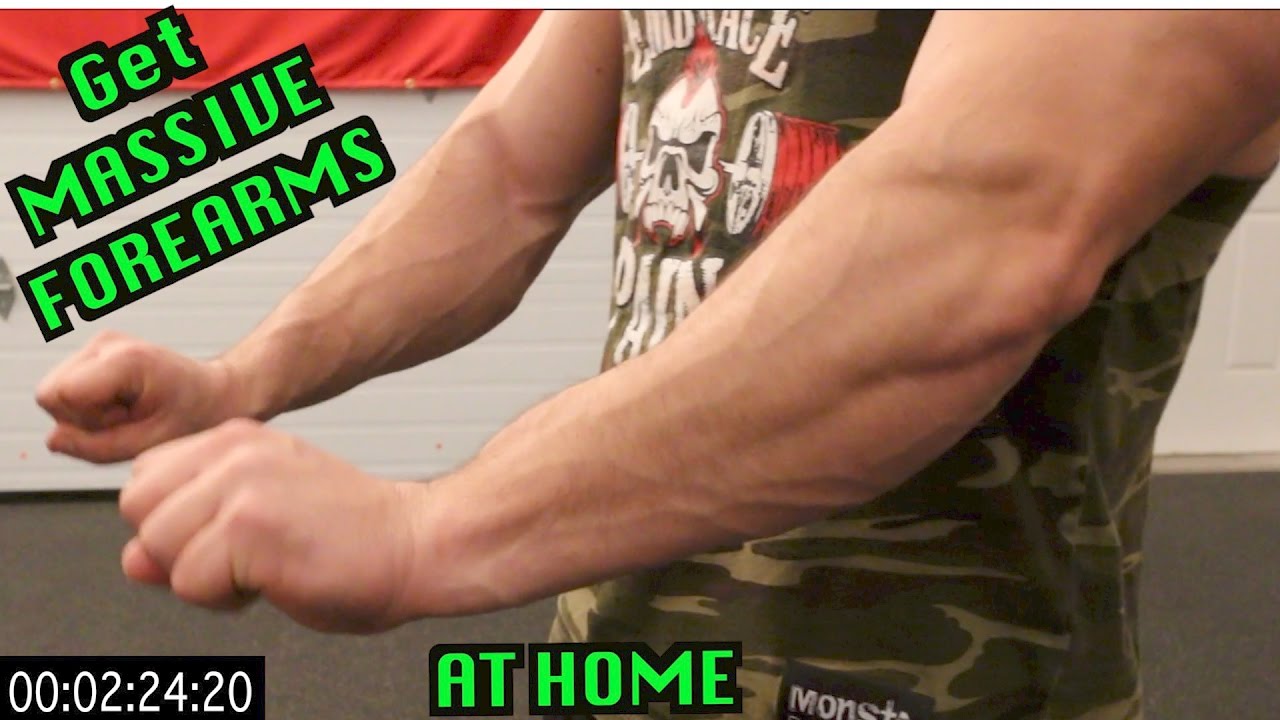
Credit: www.youtube.com
Essentials For Home Workouts
Forearm workouts at home offer flexibility and convenience. Achieving toned forearms doesn’t require an expensive gym membership. With some basic essentials, anyone can start training at home. This section covers the key items and considerations for effective forearm workouts.
Basic Equipment
The right equipment makes a difference in your workout routine. Dumbbells are versatile and perfect for forearm exercises. They come in various weights, catering to different strength levels. Resistance bands are another great option. They are affordable and space-saving, offering varied resistance levels. A pull-up bar can enhance grip strength. It allows for various forearm exercises like hangs and pull-ups.
Space Considerations
A dedicated workout space boosts motivation. Find a corner in your room or a section of your living area. Ensure it has enough room for stretching and movement. Keep the space organized to focus on your workouts. Safety matters, so clear the area of obstacles. A clutter-free space allows full range of motion during exercises.
Bodyweight Exercises
Bodyweight exercises offer a convenient way to strengthen forearms at home. No special equipment is needed. These exercises use your own body weight to challenge muscles. Focus on movements that engage the forearms effectively. Let’s explore two popular options: plank variations and push-up modifications.
Plank Variations
Planks target the forearms and core. Start with a basic plank. Place forearms on the ground, parallel to each other. Keep your body straight from head to heels. Hold for 30 seconds. Increase time as strength improves.
Try side planks for added challenge. Lie on one side, placing one forearm on the ground. Stack feet and lift hips, forming a straight line. Hold for 30 seconds. Switch sides for balanced strength.
Push-up Modifications
Push-ups can strengthen forearms. Start with standard push-ups. Hands shoulder-width apart. Lower body until elbows are at 90 degrees. Push back up, engaging forearms.
Incline push-ups enhance focus on forearms. Place hands on a raised surface like a bench. Keep body straight and lower chest to the surface. Push back up, keeping forearms active. This variation offers a unique forearm workout.
Experiment with different hand positions. Try diamond push-ups, placing hands close together beneath the chest. This targets forearm muscles more intensely. Adjust number of repetitions based on fitness level.
Resistance Band Exercises
Strengthen forearms at home using resistance bands. These versatile tools enhance grip and flexibility. Perform curls and extensions to target muscles effectively, building strength and endurance.
Resistance bands are versatile tools for forearm workouts at home. They’re affordable and easy to store. These bands help build strength with consistent use. They allow controlled movements, reducing injury risk. Bands can target specific forearm muscles effectively.Wrist Curls
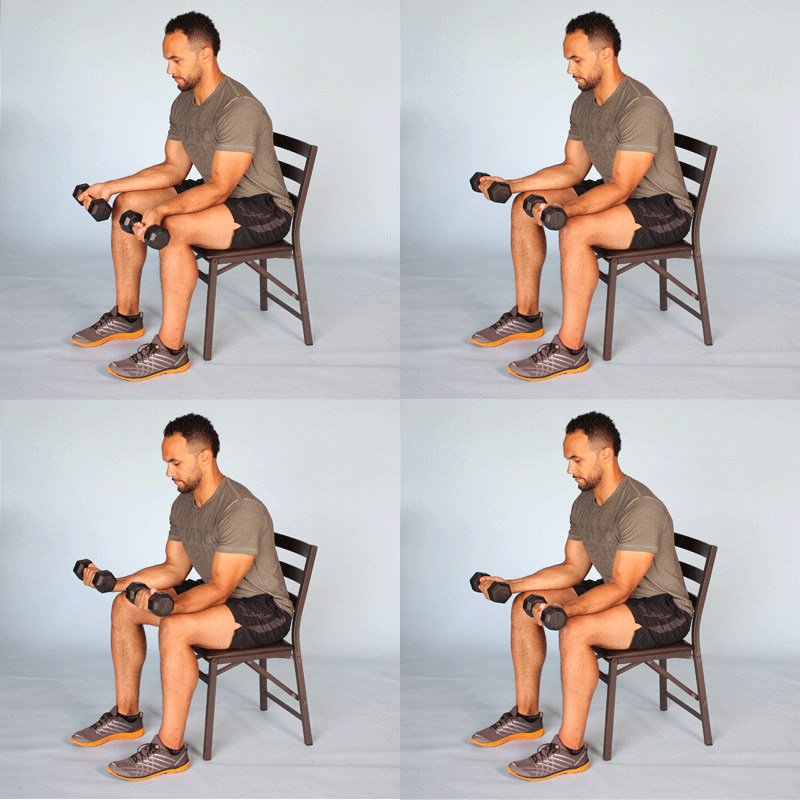
Wrist curls focus on the forearm flexors. Sit comfortably with your forearm resting on your thigh. Hold the resistance band with palms facing up. Secure the other end under your foot. Slowly curl your wrist upward. Hold for a second, then lower it. Repeat for several reps.Reverse Curls
Reverse curls work the forearm extensors. Stand or sit with your feet shoulder-width apart. Hold the band with palms facing down. Secure the band under your foot. Slowly lift your wrist, bending your elbow. Keep your upper arm steady. Pause, then lower your wrist. Perform multiple reps for best results. Resistance bands offer a convenient way to strengthen forearms. Regular practice leads to improved grip and muscle definition.Dumbbell Exercises
Building strong forearms doesn’t require a gym membership. You can achieve impressive results at home with just a pair of dumbbells. Why focus on dumbbell exercises? Because they offer versatility and can be adjusted to your strength level. Plus, they’re compact and easy to store, making them perfect for home workouts.
Hammer Curls
Hammer curls are an excellent way to target both your forearms and biceps. Stand with your feet shoulder-width apart, holding a dumbbell in each hand. Keep your palms facing each other and elbows close to your body. Curl the weights upwards, focusing on your forearms engaging with each lift. This exercise mimics the motion of using a hammer, hence the name. It’s simple, yet effective.
Do you ever feel like your grip strength is lacking? Hammer curls can help. Improving grip strength can enhance your performance in other exercises and everyday tasks. Try three sets of ten reps and feel the burn. Consistency is key.
Wrist Rotations
Wrist rotations are another simple yet impactful exercise. Sit on a chair or bench, resting your forearms on your thighs. Hold a dumbbell in each hand, allowing your wrists to hang over your knees. Rotate your wrists slowly, making circular motions. This movement strengthens the wrist flexors and extensors, crucial muscles for forearm development.
Feeling fatigued during workouts? Wrist rotations can build endurance. Imagine holding a plank longer or doing push-ups without wrist pain. Aim for three sets of fifteen rotations in each direction. Remember, slow and controlled movements make a difference.
Are you ready to transform your forearm workouts with dumbbells? These exercises are straightforward yet challenging, offering a path to strong, sculpted forearms. Give them a try and see the difference in your grip and overall arm strength.
Credit: www.healthline.com
Stretching And Flexibility
Strengthen your forearms with easy home workouts. Improve flexibility through effective stretching exercises. Achieve better grip and arm endurance with these simple routines.
Stretching and flexibility are crucial aspects of any workout routine, especially when focusing on smaller muscle groups like the forearms. Often overlooked, these muscles are integral to daily activities, from typing to lifting groceries. By enhancing the flexibility of your forearms, you can improve your overall grip strength and reduce the risk of injuries. But how do you effectively stretch these muscles at home? Let’s dive into some practical techniques.Forearm Stretches
Stretching your forearms can be simple and effective, requiring no special equipment. Start with the prayer stretch: place your palms together in front of your chest, fingers pointing upwards, and gently push your palms together. Hold this position for 15-30 seconds. Try the reverse stretch by extending one arm in front of you, palm facing down. Use the opposite hand to pull the fingers back gently towards your body. This stretch targets the extensors and can be a game-changer for those experiencing tightness. How often do you incorporate these stretches into your routine? A few minutes daily can make a significant difference in flexibility and comfort.Wrist Mobility
Wrist mobility is essential not just for workouts but for everyday tasks. Begin with wrist circles: extend your arm in front of you and gently rotate your wrist in circular motions, first clockwise, then counterclockwise. This increases blood flow and flexibility. Another effective exercise is the wrist flexor stretch. Extend your right arm straight out with your palm facing up. Use your left hand to gently pull back on the fingers of your right hand. This stretch relieves tension and enhances mobility. Have you ever noticed stiffness when performing tasks like writing or cooking? Regular wrist mobility exercises can alleviate this discomfort and improve your overall hand function. By focusing on these stretches and mobility exercises, you can enhance your forearm workout and daily life. Are you ready to feel the difference?Tips For Fast Results
Achieving fast results in forearm workouts at home requires dedication. Simple but effective strategies can boost your progress. Focus on core elements like consistency and progressive overload. These tips will help you get stronger forearms efficiently.
Consistency
Consistency is crucial for any workout routine. Train your forearms regularly. Aim for at least three times a week. This helps build muscle memory. Make it a habit. Track your workouts to see progress. Consistent effort leads to faster results.
Progressive Overload
Progressive overload is key to muscle growth. Gradually increase the weight or resistance. Start with lighter weights. As you get stronger, add more weight. You can use household items like water bottles. Increase repetitions as another strategy. This keeps your muscles challenged.
Common Mistakes To Avoid
Forearm workouts at home can be a great way to build strength and improve grip. However, it’s easy to make mistakes that can hinder your progress or even cause injury. Understanding these common pitfalls can help you make the most of your workout routine. Let’s dive into some of these mistakes and see how you can avoid them.
Not Using Proper Form
Maintaining proper form is crucial. If you slouch or use incorrect posture, you risk straining your muscles. Always keep your wrists in a neutral position during exercises like wrist curls or forearm planks. This ensures that you’re targeting the right muscles without causing unnecessary strain.
Ignoring The Need For Warm-up
Skipping a warm-up can be tempting, especially when you’re pressed for time. However, warming up prepares your muscles for the workout ahead. Simple wrist rotations or light stretches can make a huge difference. Your forearms will thank you for the extra few minutes.
Overtraining Your Forearms
Are you exercising your forearms every day? While enthusiasm is great, overtraining can lead to fatigue and injury. Aim for a balanced routine, giving your forearms time to recover. Remember, rest days are as important as workout days.
Using Too Much Weight
Sometimes you want to push your limits. But using too much weight can cause more harm than good. Start with lighter weights and gradually increase as you build strength. Your progress will be steady and safe.
Neglecting Other Muscle Groups
Focusing solely on forearms can lead to muscle imbalance. Incorporate exercises for your upper arms and shoulders too. A balanced workout routine ensures overall arm strength and stability. Have you included push-ups or shoulder presses in your routine?
By recognizing and avoiding these common mistakes, you can optimize your forearm workouts at home. Make every session count and stay injury-free. What’s your favorite forearm exercise that you can’t miss in your routine?
Frequently Asked Questions
How Can I Get Big Forearms At Home?
Use bodyweight exercises like wrist curls, reverse curls, and farmer’s walks. Incorporate resistance bands for added intensity. Maintain consistency and gradually increase repetitions. Ensure a balanced diet rich in protein to support muscle growth. Stay hydrated and get adequate rest for optimal recovery.
Can You Train Forearms At Home?
Yes, you can train forearms at home using simple exercises like wrist curls, farmer’s walks, and grip strengtheners. No equipment is required for some exercises, while dumbbells or resistance bands can enhance workouts. Consistent training helps improve forearm strength and endurance effectively.
Do Pushups Work Forearms?
Pushups primarily target chest, shoulders, and triceps. They also engage forearms for stabilization, offering some benefit. For stronger forearms, include specific exercises like wrist curls or farmer’s walks. Consistent training enhances overall arm strength.
Can I Build Forearms Without Weights?
Yes, you can build forearms without weights. Use bodyweight exercises like push-ups, planks, and wrist curls. Incorporate resistance bands and grip exercises for added strength. Consistency and proper form are key to seeing results.
Conclusion
Forearm workouts at home offer great benefits. No fancy equipment is needed. Just dedication and consistency. Strong forearms improve grip strength. This helps in daily tasks. Plus, they enhance overall fitness. You can easily fit these exercises into your routine.
Flexibility is key. Adjust workouts to match your level. Stay motivated and track progress. Celebrate small victories. Over time, results will show. Remember, patience is important. Enjoy the journey to stronger forearms. Keep pushing forward. Your effort pays off. Now, roll up your sleeves.
Start your forearm workout today. Feel the difference tomorrow.








