Are you ready to take your football skills to the next level without leaving the comfort of your home? Imagine sharpening your agility, strength, and endurance with simple, effective workouts you can do anytime, anywhere.
Whether you’re a seasoned player looking to maintain your edge or a newbie eager to improve, home workouts can be a game-changer. Picture yourself dominating the field with newfound confidence and energy. It’s possible, and it’s easier than you think.
Stick around to discover how you can transform your living room into a personal training ground and elevate your game to heights you never dreamed possible. Your journey to becoming a stronger, faster, and more agile football player starts here.

Credit: www.pinterest.com
Benefits Of Home Workouts
Football workouts at home offer many benefits. They provide convenience and flexibility. You can train whenever it fits your schedule. No need to travel to a gym or field. This saves time and money. Home workouts also allow you to focus on specific skills. Tailor exercises to your personal needs and goals.
Convenience Of Training At Home
Training at home removes the hassle of commuting. You only need a small space and minimal equipment. This makes it easy to start your workout anytime. Morning, afternoon, or night. It fits into your lifestyle effortlessly.
Cost-effective Fitness Solution
Gym memberships can be expensive. Home workouts eliminate this cost. Invest in a few essentials like a mat and resistance bands. These are affordable and versatile. They offer a budget-friendly way to stay fit.
Personalized Workout Environment
At home, you control the environment. Adjust the temperature and music to your liking. Create a space that motivates you. This makes workouts more enjoyable and effective.
Focus On Individual Skills
Home workouts let you concentrate on personal goals. Work on speed, strength, or stamina. Customize exercises to improve specific football skills. This targeted approach enhances your performance.
Privacy And Comfort
Working out at home offers privacy. No one watches or judges you. This boosts confidence. You feel more comfortable trying new exercises. It encourages experimentation and growth.
Essential Equipment
Training at home can boost your football skills. Essential equipment makes workouts more effective and enjoyable. These tools help build strength, agility, and endurance. You don’t need fancy gear. Simple, affordable items do the trick.
Resistance Bands
Resistance bands are versatile and portable. They enhance strength and flexibility. Use them for squats, lunges, and arm workouts. Adjust resistance levels easily. Perfect for all fitness levels.
Dumbbells
Dumbbells add weight to your exercises. They build muscle and improve balance. Use them for curls, presses, and rows. Choose weights that challenge you. Increase weight as you grow stronger.
Skipping Rope
Skipping ropes improve cardiovascular health. They boost footwork and coordination. Jump for a few minutes each day. It’s a fun way to burn calories. Adjust the length for your height.
Exercise Mat
An exercise mat provides comfort. It protects your joints during workouts. Use it for yoga, stretching, or floor exercises. Choose a mat with good grip. Keep it clean for hygiene.
Warm-up Routine
Getting ready for a football workout at home starts with a good warm-up routine. It prepares your muscles and joints for the exercises ahead. This routine boosts blood flow and helps prevent injuries. Before diving into intense drills, spend time warming up. It’s essential for an effective workout. Below, explore some key components of a warm-up routine: dynamic stretches and joint mobility exercises.
Dynamic Stretches
Dynamic stretches help increase flexibility and improve range of motion. They are different from static stretches. Instead of holding a position, dynamic stretches involve movement. Think of leg swings, arm circles, and walking lunges. These movements warm up your body efficiently. They mimic the motions used in football games. This makes them perfect for your workout. Start with simple moves and gradually increase intensity.
Joint Mobility Exercises
Joint mobility exercises are crucial for football players. These exercises focus on freeing up your joints. They ensure you have a full range of motion. Healthy joints are key to performing football moves. Wrist circles, ankle rolls, and neck rotations are excellent choices. These exercises keep your joints flexible. They also reduce stiffness and improve movement quality. Spend a few minutes on each joint before starting your workout. This preparation helps maximize your performance.
Cardio Drills
Football workouts at home can be both challenging and effective. Cardio drills are vital for boosting stamina and agility. These exercises improve heart health and enhance game performance. Let’s dive into some key cardio drills that you can easily do at home.
High Knees
High knees are simple but powerful. Stand tall and lift your knees as high as possible. Aim to reach hip level with each lift. This exercise improves leg strength and endurance. Keep a brisk pace to maximize the cardio benefits. Focus on form to prevent injuries.
Burpees
Burpees combine strength and cardio. Start by standing with feet shoulder-width apart. Drop into a squat and place your hands on the floor. Kick your feet back to a plank position. Quickly return to the squat and jump high. Burpees increase heart rate and build muscle. Repeat several times for best results.
Mountain Climbers
Mountain climbers are intense and effective. Begin in a plank position. Bring your knees toward your chest, alternating quickly. This drill boosts core strength and heart health. Keep your body aligned to avoid strain. Increase speed for more challenge.
Strength Training
Strength training is essential for football players, whether you’re a budding amateur or a seasoned pro. It builds the power and endurance needed to excel on the field. But did you know you can effectively boost your strength right at home? With simple techniques and exercises, you can enhance your game without expensive gym memberships or equipment. Let’s dive into some practical workouts you can perform using bodyweight exercises and core strengthening.
Bodyweight Exercises
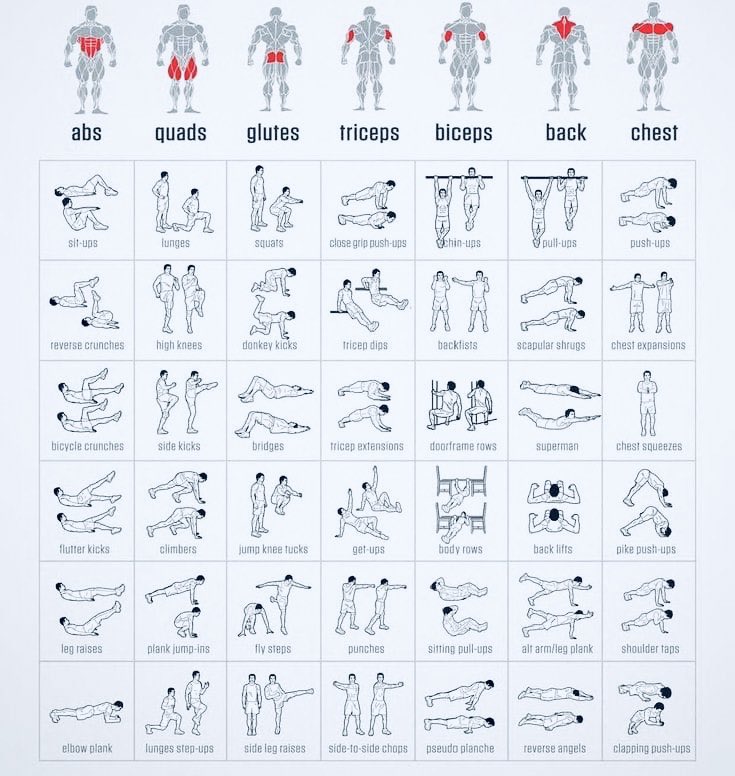
Bodyweight exercises are a fantastic way to build strength without any equipment. You can perform these anywhere, anytime. Think of push-ups, squats, and lunges. These exercises target multiple muscle groups, mimicking the movements you perform in football.
Push-ups strengthen your chest and shoulders, crucial for tackling and blocking. Squats and lunges develop your legs, which are vital for sprinting and jumping. Try incorporating three sets of 10-15 reps for each exercise into your daily routine.
Have you ever found yourself short on time but still wanting to work out? Bodyweight exercises are perfect for quick sessions. They require no setup, making them ideal for squeezing into a busy day.
Core Strengthening
Core strength is the foundation of athletic performance. A strong core supports balance, agility, and even helps prevent injuries. You can work on your core strength through exercises like planks, Russian twists, and bicycle crunches.
Planks target your entire core, providing stability during rapid changes in direction. Russian twists enhance rotational strength, beneficial for twisting movements while dribbling or passing. Bicycle crunches work both the upper and lower abs, supporting powerful kicks.
Imagine the edge you’ll have in a match with a rock-solid core. Your movements will be sharper, and your stamina will surge. How often do you focus on your core during workouts? Consider adding these exercises to your regimen three times a week.
Strength training at home is not just about convenience; it’s about commitment to your development. As you embark on this journey, think about how these exercises can transform your performance on the field. Are you ready to see the difference?

Credit: www.youtube.com
Agility And Footwork
Agility and footwork are crucial for every football player. Fast, precise movement can make a big difference on the field. Practicing these skills at home can enhance your performance. You don’t need a lot of space or equipment. Just dedication and a few simple tools can get you started.
Ladder Drills
Ladder drills improve your foot speed and coordination. A flat ladder or chalk lines can work. Start with basic steps like the “one foot in each” drill. Move quickly, placing one foot in each square. Gradually increase speed as you feel more comfortable. Try the “two feet in each” drill next. Step into each square with both feet, maintaining your rhythm. These exercises boost your agility and help you change direction faster.
Cone Drills
Cone drills are perfect for enhancing quick direction changes. Set up cones in a line or zigzag pattern. Begin with the “weave” drill, weaving through the cones. Focus on keeping your body low and controlled. Next, try the “T-drill.” Form a T-shape with cones and sprint to each one. Touch the ground at each cone to engage your core. Cone drills are excellent for building agility and balance.
Flexibility And Recovery
Football workouts at home enhance flexibility and support recovery. Stretching exercises improve movement and reduce injury risk. Foam rolling aids muscle recovery, promoting overall fitness and well-being.
Flexibility and recovery are crucial parts of any football workout, especially when you’re training at home. They help you prevent injuries and improve your overall performance on the field. By focusing on these areas, you ensure that your body is ready for the next challenge. So, how do you enhance your flexibility and speed up recovery? Let’s dive into some practical methods.Yoga Poses
Yoga is not just for relaxation. It’s a powerful tool for improving flexibility and aiding recovery after intense workouts. Simple poses like the Downward Dog can stretch your hamstrings and calves effectively. The Pigeon Pose is excellent for opening your hips, which is crucial for footballers. When you practice yoga, focus on your breath. This not only helps you stretch deeper but also reduces stress and promotes healing. Try dedicating 10 to 15 minutes of your day to a short yoga routine. Have you ever noticed how much lighter you feel after a good stretch?Foam Rolling
Foam rolling is a game-changer for muscle recovery. It targets tight areas and releases muscle tension, enhancing blood flow. Start with your quads and slowly roll over your calves and hamstrings. This can be done before or after your workout. The pressure from the foam roller helps break down knots and improves muscle elasticity. It’s like giving yourself a deep tissue massage without leaving home. Do you have a foam roller collecting dust? Put it to work and feel the difference in your recovery time. Both yoga and foam rolling are practical, actionable, and can be easily added to your home workout routine. They don’t require much space or expensive equipment. Why not give them a try and see how your flexibility and recovery improve?Tracking Progress
Tracking progress is essential for anyone doing football workouts at home. It keeps motivation high and helps you see improvements over time. Consistent tracking can help identify strengths and areas needing more focus. Knowing how well you’re doing allows for adjustments to your workout routine. Start with simple methods to track your progress effectively.
Workout Logs
Keep a notebook or use a digital app for workout logs. Write down each exercise and the number of repetitions. Note the time spent on each activity. Logging workouts helps identify patterns and track consistency. Review logs weekly to see progress and make necessary changes.
Performance Metrics
Use metrics to measure performance like speed, agility, and endurance. Timed drills can showcase improvements in speed. Measure agility by tracking how quickly you can change direction. Record endurance by noting how long you can maintain activity without fatigue. Regular assessment of these metrics can boost performance and highlight areas to improve.
Incorporating Skills Practice
Practicing football skills at home can be both fun and effective. It allows players to refine their abilities without needing a full field. Incorporating skills practice into your routine improves technique and confidence. These drills focus on essential skills needed in real games. They are designed to be done in small spaces, making them perfect for home workouts.
Ball Control Drills
Good ball control is key in football. Start with simple toe touches. Stand in place, and gently tap the ball with alternating feet. Keep the ball moving, using light touches. This improves your touch and control. Another drill is the inside-outside touches. Tap the ball with the inside of your foot, then the outside. Move side to side, keeping the ball close. This drill enhances footwork and ball mastery.
Passing Drills
Passing is crucial for team play. Use a wall to practice passing. Stand a few feet away, and pass the ball against the wall. Focus on accuracy and control. As you improve, increase your distance. Try one-touch passes for quick reflexes. Another drill is the target passing. Set up a small target on the wall. Aim to hit it with your pass. This helps in improving precision and consistency.

Credit: www.pinterest.com
Staying Motivated
Stay energized with football workouts at home. Short sessions boost fitness and keep your skills sharp. Create a routine that keeps you moving and focused.
Staying motivated while doing football workouts at home can be a challenge. It’s easy to feel enthusiastic at first, but keeping that energy alive day after day requires a bit more effort. When you find ways to stay motivated, you’re more likely to stick to your workout plan and see improvements in your skills. So, how do you keep that spark alive?Setting Goals
A clear goal gives you a reason to get off the couch and start working out. Ask yourself, what do you want to achieve with your football workouts? Is it mastering dribbling, improving your stamina, or just staying fit? Write down your goals and put them somewhere you can see them every day. A simple post-it note on your fridge can work wonders. Break your goals into smaller, manageable tasks. Celebrate small victories to keep the momentum going.Creating A Routine
Creating a routine is like setting a meeting with yourself. It’s a promise to invest in your progress. Decide on the best time for your workouts. Is it early morning or late afternoon? Consistency is key. Try to stick to the same time every day. It helps turn your workouts into a habit. Mix things up to keep your routine exciting. Add different exercises or challenge yourself with a new drill. Staying motivated is not about waiting for inspiration. It’s about creating a path that guides you towards your goals, even when motivation dips. So, what’s stopping you from starting today?Frequently Asked Questions
What Are The Best Exercises To Do At Home For Football?
The best home exercises for football include squats, lunges, push-ups, planks, and burpees. These improve strength, endurance, and agility. Include high knees and jumping jacks for cardio. Regular practice enhances overall performance on the field.
How Can I Train My Football Skills At Home?
Practice dribbling using cones or household items. Improve passing accuracy against a wall. Juggle the ball daily to enhance control. Work on shooting techniques with a goal target. Develop agility through ladder drills or sprint exercises.
What Is The 5 4 3 2 1 Workout Method?
The 5 4 3 2 1 workout method involves five exercises, each with decreasing repetitions. Start with five reps of the first exercise, then four of the next, continuing until one rep. This method boosts endurance, strength, and variety in workouts.
Ideal for quick, efficient, full-body sessions.
What Is The 6 12 25 Rule?
The 6 12 25 rule is a budgeting guideline. Allocate 6% of income to savings, 12% to investments, and 25% to essentials. This framework helps manage personal finances effectively, ensuring a balanced financial approach.
Conclusion
Working out at home builds skills and strength for football. It helps you stay fit and ready for the game. No fancy equipment needed. Just some dedication and space to move. Tailor workouts to suit your needs. Focus on agility, strength, and endurance.
Consistency is the key to improvement. Progress may be slow but steady. Keep pushing your limits. Celebrate small victories and improvements. Enjoy the process and stay motivated. Practice regularly to see results. Home workouts offer flexibility. Train anytime, anywhere. Embrace the convenience and benefits.
Keep your goals in mind. Stay committed and keep striving. Your football skills will flourish with time.








