Are you feeling overwhelmed by stress or dealing with a mental health issue that makes it hard to focus at work? You’re not alone, and there might be a solution that can help you take the time you need to heal.
Understanding your options for taking a break from work can be a game-changer. That’s where FMLA Mental Health Leave comes into play. Imagine having the peace of mind knowing you can step away from work responsibilities without the fear of losing your job.
This article will guide you through what FMLA Mental Health Leave is all about, how it can benefit you, and the steps to take if you decide it’s the right choice for your well-being. Stay with us, and discover how you can reclaim your mental health and return to work feeling rejuvenated and ready to tackle new challenges.
Understanding Fmla And Mental Health
The Family and Medical Leave Act (FMLA) is a vital law. It helps employees balance work with personal health needs. Mental health conditions are as important as physical ones. Understanding FMLA for mental health is crucial for both employees and employers.
What Is Fmla?
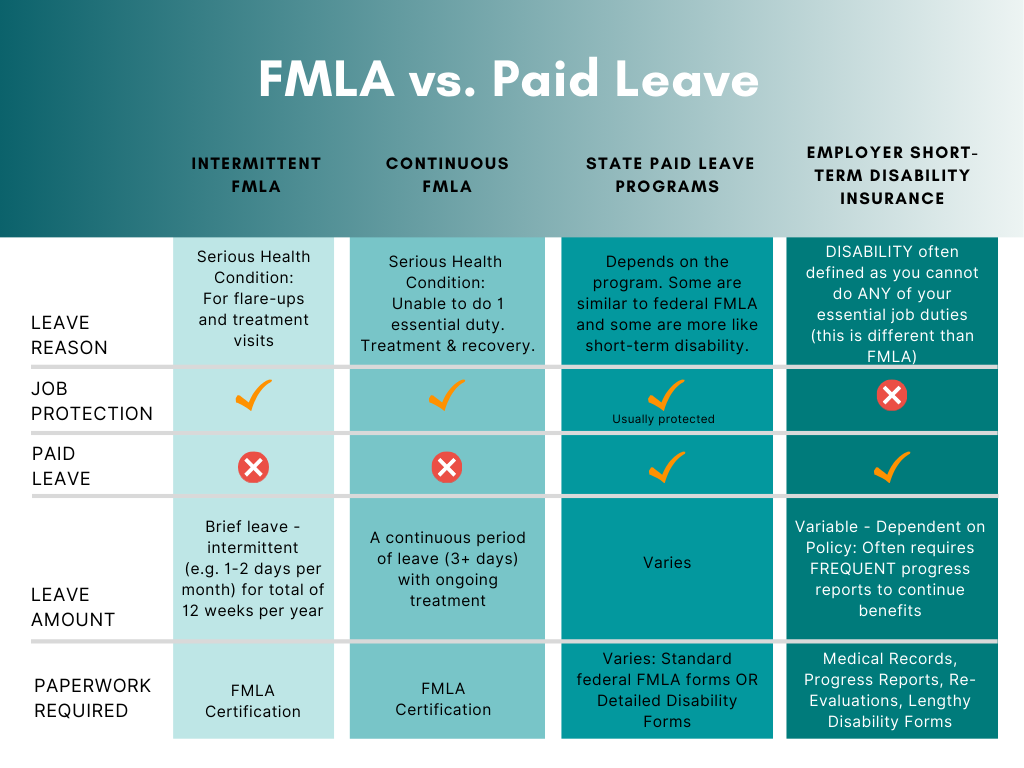
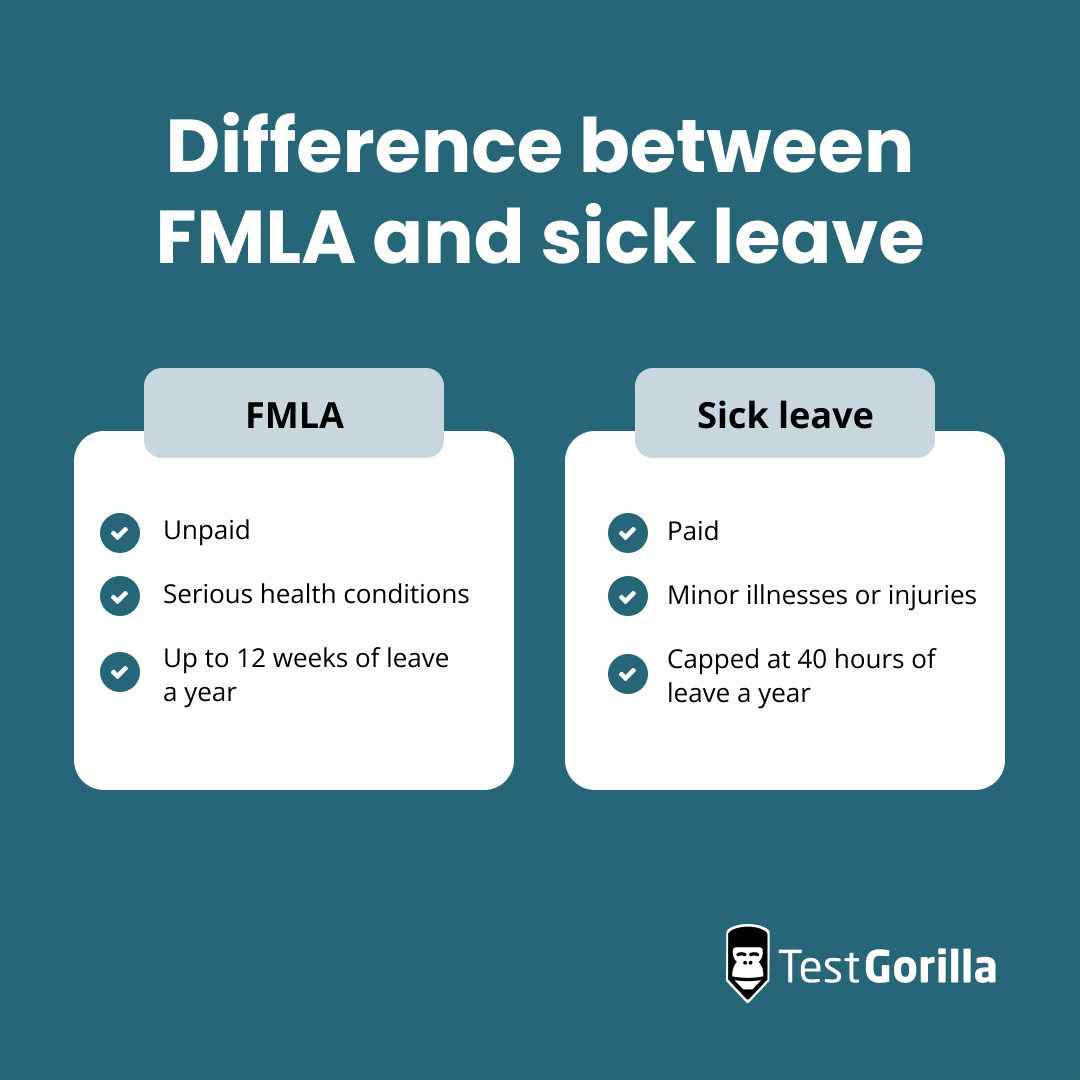
FMLA stands for the Family and Medical Leave Act. It grants eligible employees unpaid, job-protected leave. The law covers up to 12 weeks in a 12-month period. It applies to personal or family medical conditions.
Eligibility For Fmla
Not everyone qualifies for FMLA leave. Employees must have worked for their employer for at least 12 months. They must also have clocked at least 1,250 hours in the past year. Their workplace must have 50 or more employees within 75 miles.
Fmla Coverage For Mental Health
Mental health conditions often require time off for treatment. FMLA covers mental health issues like anxiety, depression, and PTSD. The condition must be serious and require treatment by a healthcare provider.
How To Apply For Fmla Leave
Requesting FMLA leave involves several steps. Notify your employer about your need for leave. Provide medical certification from a healthcare provider. Ensure all paperwork is submitted on time.
Benefits Of Fmla For Mental Health
FMLA offers vital benefits for mental health. It ensures job security during leave. Employees can focus on recovery without fear of losing their job. This support can lead to better health outcomes.
Eligibility Criteria
Understanding the eligibility criteria for FMLA mental health leave is crucial. This ensures that employees and employers comply with the law. The Family and Medical Leave Act (FMLA) allows eligible employees to take unpaid leave for serious health conditions. Mental health conditions are included in this category. This section will discuss the eligibility requirements for both employees and employers.
Employee Requirements
Employees must meet specific criteria to qualify for FMLA mental health leave. They must work for a covered employer. The employee must have worked at least 1,250 hours in the past 12 months. They must have been employed for at least 12 months. The leave is for a serious health condition. Mental health issues like anxiety or depression qualify. Employees must provide medical certification if requested.
Employer Obligations
Employers have responsibilities under FMLA mental health leave. They must be covered under FMLA, typically with 50 or more employees. Employers must continue health benefits during the leave. They must reinstate employees to the same or equivalent position upon return. Employers must inform employees of their rights and obligations. They must maintain confidentiality of medical information.
Qualifying Conditions
When considering FMLA for mental health leave, understanding qualifying conditions is crucial. FMLA allows employees to take leave for serious health conditions. Mental health issues can be considered serious health conditions under FMLA. This means employees can use FMLA for mental health leave if their condition qualifies.
Mental Health Disorders Covered
FMLA covers several mental health disorders. Depression and anxiety are commonly covered. Bipolar disorder is also a qualifying condition. Schizophrenia and PTSD may qualify. Each case must meet the serious health condition criteria. The condition must affect the ability to work.
Documentation Needed
Proper documentation is essential for FMLA approval. A healthcare provider must verify the condition. Medical certification should detail the mental health issue. The document must explain why leave is needed. It should include expected duration of absence. Employers require this to process the FMLA request.
Application Process
Applying for FMLA mental health leave involves completing specific forms and providing medical documentation. Employers must be notified, and eligibility requirements met. This ensures job protection during necessary time off for mental health recovery.
Navigating the application process for FMLA mental health leave can seem daunting. However, understanding each step can make it manageable and less stressful. This process involves gathering the right information, completing necessary forms, and communicating effectively with your employer. By being prepared, you can ensure a smoother experience and focus on what’s most important—your mental health.Filing A Request
To begin, inform your employer that you wish to apply for FMLA leave. It’s essential to do this promptly and in writing. This ensures there’s a record of your request. Your communication should include basic information about your need for leave. You don’t have to disclose specific details of your mental health condition. A simple statement that you require leave for a serious health condition is usually sufficient. Communicate with your HR department to understand their specific process. Some employers may require you to fill out a leave request form. Understanding these steps ensures you don’t miss any requirements.Necessary Paperwork
Once your request is filed, your employer may provide you with FMLA paperwork. This usually includes forms for you and your healthcare provider. These documents are crucial for certifying your need for leave. Your healthcare provider plays a key role in this process. They need to complete a section of the paperwork, detailing your condition and its impact on your ability to work. Make sure you provide them with the forms as soon as possible. Delays in returning these forms can impact your leave approval. Ensure that both you and your healthcare provider meet the deadlines set by your employer. A proactive approach can prevent unnecessary stress. Have you ever felt overwhelmed by paperwork? Remember, you’re not alone. Many have navigated this process successfully, and so can you. Taking the time to understand each step can make all the difference.Duration Of Leave
Understanding the duration of FMLA mental health leave is crucial. It determines how long an employee can take time off work. This period helps individuals manage their mental health needs effectively. Employers and employees must know how much time is available. This ensures proper planning and support during the leave period.
Time Allotment
FMLA typically allows up to 12 weeks of unpaid leave. This is available within a 12-month period. Employees can use this leave for serious mental health conditions. The leave can be taken all at once or intermittently. Intermittent leave helps manage treatment schedules or episodic flare-ups. It provides flexibility for employees dealing with mental health issues.
Extensions And Renewals
Extensions beyond the 12 weeks are not generally available under FMLA. Employees may explore other options for extended leave. Sometimes, company policies offer additional leave benefits. Renewing FMLA leave requires proper documentation and approval. Employees should communicate their needs with their employer. This ensures they receive necessary support while complying with regulations.
Employee Rights And Protections
Understanding your rights and protections is crucial under the FMLA. Especially for mental health leave. Employees often face challenges when addressing mental health at work. The Family and Medical Leave Act (FMLA) offers significant protection. It ensures employees can take necessary leave without fear. Let’s explore these rights and protections in detail.
Job Security
Job security is a primary concern for many. The FMLA provides reassurance. Employees can take up to 12 weeks off. This leave is unpaid but job-protected. Upon return, the employee must be reinstated. The position should be the same or equivalent. This protection reduces stress for employees. They can focus on recovery without job loss fears.
Privacy Concerns
Privacy is another critical aspect under FMLA. Employees’ medical information is sensitive. Employers must keep this data confidential. They cannot disclose health details without permission. This rule safeguards personal health information. It ensures privacy for employees seeking mental health leave.
Employer Responsibilities
Employers play a key role in FMLA mental health leave. Understanding their responsibilities ensures smooth operations and compliance. This involves managing employee benefits, handling requests, and maintaining open communication. Let’s explore these responsibilities in detail.
Maintaining Benefits
Employers must continue health coverage during FMLA leave. Employees receive benefits as if they were working. This includes medical, dental, and vision coverage. Maintaining these benefits builds trust and loyalty among employees. It also ensures employees return to work healthy and stress-free.
Handling Requests
Processing FMLA requests requires attention and care. Employers need a clear procedure for handling these requests. Prompt response to requests is crucial. It shows respect for employee needs. Employers should provide necessary forms and guidance. This helps employees understand their rights and responsibilities.
Credit: www.testgorilla.com
Challenges And Considerations
Navigating FMLA mental health leave presents unique challenges. Employees must understand eligibility and documentation requirements. Employers face balancing productivity with supporting employee well-being.
Taking a leave from work for mental health reasons under the Family and Medical Leave Act (FMLA) can be a delicate process. While it provides a safety net for employees to prioritize their mental well-being, navigating the leave can come with its own set of challenges and considerations. Understanding these challenges is crucial to ensure a smooth and effective leave.Potential Obstacles
One common obstacle is the stigma surrounding mental health. You might worry about how your colleagues or employer perceive your leave. This can lead to hesitation in requesting the time off you need. It’s vital to remember that FMLA is there to support your health, whether physical or mental. Another challenge is the paperwork involved. FMLA requires specific documentation and timely submissions. Missing a deadline or providing incomplete information can complicate your leave process. Keeping track of the necessary forms and deadlines can help you manage this hurdle. Communication with your employer is also key. You might feel uneasy discussing your mental health needs. Yet, clear and honest communication can pave the way for mutual understanding and support during your leave.Tips For A Successful Leave
Preparation is essential for a successful leave. Start by gathering all the required documents well in advance. A checklist can help you ensure everything is in order. This reduces stress and ensures you can focus on your health without administrative worries. Consider how you will communicate with your workplace. Decide whether you prefer email updates or phone calls. Setting expectations early can prevent misunderstandings and help maintain your professional relationships. Plan for your return. Think about how you will reintegrate into your work routine. This can include discussing a gradual return or flexible hours. Planning ahead makes the transition smoother and less daunting. Have you ever considered how taking time for your mental health can transform your work life? Prioritizing your well-being not only benefits you but also enhances your productivity and satisfaction at work.Case Studies
Case studies highlight the importance of FMLA mental health leave for employees needing time off for mental wellness. These real-life examples show how time away from work can help employees heal and return with renewed focus. Understanding these cases aids in creating supportive work environments.
Navigating the world of FMLA mental health leave can be complex and overwhelming. Understanding real-life scenarios can provide valuable insights into how these leaves function in practice. This section delves into various case studies, offering a closer look at how individuals have utilized FMLA leave to manage their mental health effectively. These stories not only highlight the benefits of such leave but also uncover common challenges faced by employees and employers alike.Real-life Examples
Consider Sarah, a marketing executive who found herself overwhelmed by anxiety. Despite her success at work, the pressure was taking a toll on her mental health. With the support of her HR department, she applied for FMLA leave. During her time off, Sarah focused on therapy and rest, returning to work more balanced and productive. John, a customer service representative, faced a different scenario. His depression made daily tasks feel insurmountable. However, his employer was initially skeptical about granting FMLA leave for mental health reasons. After consulting with his doctor and HR, John provided the necessary documentation and was eventually granted leave. This time away allowed him to address his mental health more comprehensively.Lessons Learned
These examples show that clear communication is vital. Both Sarah and John benefitted from open discussions with their employers and healthcare providers. It’s important to know your rights and the necessary steps to take when applying for FMLA leave for mental health reasons. Employers can learn from these cases too. Understanding the importance of mental health and being supportive can lead to a more productive workplace. Have you considered how your company’s policies could better support employees facing similar challenges? It’s crucial to prepare the necessary documentation in advance. This not only speeds up the process but also reduces stress. What steps can you take today to ensure you’re ready if you ever need to apply for FMLA mental health leave? By reflecting on these stories, both employees and employers can gain a deeper understanding of the practical realities of FMLA mental health leave.
Credit: hrdailyadvisor.com
Resources And Support
Access to resources and support is crucial for those needing FMLA mental health leave. Navigating mental health challenges can be overwhelming. Help is available. This section highlights where to find help and useful contacts. Support can ease the journey to recovery.
Where To Seek Help
Finding the right help is important. Many organizations offer mental health services. Local clinics often provide therapy and counseling. Hospitals have mental health departments. Community centers sometimes host support groups. Online platforms offer virtual therapy sessions. Websites like BetterHelp connect you with licensed therapists.
Colleges and universities may have resources for students. Employee assistance programs offer support at work. Human resources can guide you to the right contacts. Remember, seeking help is a sign of strength.
Useful Contacts
Having the right contacts can make a difference. The National Suicide Prevention Lifeline is available 24/7. Call them at 1-800-273-TALK (8255). The Substance Abuse and Mental Health Services Administration (SAMHSA) offers support. Reach them at 1-800-662-HELP (4357).
Mental Health America provides resources and information. Visit their website for more details. The Anxiety and Depression Association of America offers guidance. They can help connect you with local resources. Remember, you are not alone. Help is just a phone call away.
Credit: www.choosingtherapy.com
Frequently Asked Questions
Is Anxiety And Depression Covered Under Fmla?
Yes, FMLA covers anxiety and depression if they meet the criteria of a serious health condition. Employees must provide medical certification to qualify.
Can A Mental Health Therapist Fill Out Fmla Paperwork?
Yes, a mental health therapist can fill out FMLA paperwork. They must provide necessary medical certification. Ensure the therapist is licensed and authorized to evaluate the condition. Consult your HR department for specific guidelines and requirements.
What Is Fmla Mental Health Leave?
FMLA mental health leave allows employees to take unpaid leave for mental health issues. It provides job protection and health benefits. This leave covers serious mental health conditions that require treatment. Employees can take up to 12 weeks of leave per year.
Documentation from a healthcare provider is usually required.
How Do I Qualify For Fmla Mental Health Leave?
To qualify, you must work for a covered employer. You need to have worked 1,250 hours in the past year. Your mental health condition must be serious and require treatment. You must provide medical certification from a healthcare provider. Check with your HR department for specific requirements.
Conclusion
Taking FMLA leave for mental health is essential. It supports recovery. It’s your right to prioritize well-being. Understanding FMLA helps you use it effectively. Mental health matters. Using FMLA can make a difference. It’s about balance and health. Never hesitate to seek help.
Your mental health deserves attention. Take steps to protect it. Use FMLA leave wisely and confidently. Empower yourself with this resource. It’s vital for your journey to wellness. Prioritize your mental health today. Your well-being should come first. Always.








