
Imagine you’re the first person rushing to an emergency scene, the weight of the world on your shoulders. As a first responder, your role is crucial, your actions decisive.
But, what about the toll it takes on your mental health? The sirens, the chaos, the life-or-death decisions—all these can leave scars unseen, yet deeply felt. If you’ve ever found yourself overwhelmed by the pressures of your role, you’re not alone.
You’ll discover how mental health challenges affect first responders like you, why addressing them is vital, and how you can find support and strategies to cope. It’s time to prioritize your well-being just as much as you do the lives of others. Read on to explore how you can safeguard your mental health while continuing to serve with courage and dedication.
The Role Of First Responders
The role of first responders is crucial in society. They are the initial line of defense. Their swift actions save lives and protect communities. But their job involves more than just showing up at emergencies. Understanding their role helps appreciate their dedication and challenges.
Defining First Responders
First responders include police officers, firefighters, and paramedics. They are trained to handle emergency situations. Their presence is vital during fires, accidents, and natural disasters. They bring calm and order when chaos strikes. Their quick decisions make a significant impact on outcomes.
Daily Responsibilities
Every day, first responders face a range of duties. They respond to emergencies, assess situations, and provide immediate care. Firefighters extinguish fires and rescue trapped individuals. Police officers maintain safety and enforce laws. Paramedics offer medical care on the spot.
They often work long, irregular hours. Stressful situations are part of their routine. They must remain alert and prepared at all times. This constant vigilance is demanding but necessary. Their commitment keeps our communities safe.
Mental Health Challenges Faced
First responders face unique mental health challenges. These brave individuals confront stressful situations daily. The nature of their work exposes them to trauma and high-pressure environments. Over time, this can affect their mental well-being. Addressing these challenges is crucial for their health and effectiveness.
Stress And Trauma
First responders often witness distressing events. They deal with accidents, injuries, and emergencies. This exposure leads to significant stress. Trauma can accumulate over time, impacting mental health. Many struggle with anxiety and depression. Coping mechanisms are essential to manage these feelings.
Burnout And Fatigue
The demanding nature of their roles causes burnout. Long hours and intense situations contribute to fatigue. Physical and emotional exhaustion are common. Burnout affects job performance and personal life. Recognizing symptoms early can help prevent severe consequences. Support systems play a vital role in recovery.
Impact On Personal Lives
First responders are often seen as heroes, rushing into dangerous situations to save lives. But their work can deeply affect their personal lives. The stress and trauma they experience can lead to challenges at home and in their social lives. This impact is something many of them might not openly discuss, yet it’s crucial for understanding their mental health.
Family And Relationships
Your family is your support system, but first responders often find it challenging to maintain strong relationships. The unpredictable hours and high-stress situations can lead to missed family events and strain communication. Imagine missing your child’s birthday or a family dinner because duty calls. It’s a reality that many first responders face.
These missed moments can lead to feelings of guilt and resentment. Over time, this can build up and affect marital relationships and connections with children. Have you ever considered the impact of constantly being on edge or emotionally distant? For first responders, these issues can become all too familiar.
Social Isolation
Social isolation is another significant issue. After witnessing traumatic events, it can be difficult for first responders to relate to their friends or even want to engage in social activities. You might find yourself pulling away, feeling like no one can understand your experiences.
This isolation is not just about physical absence from social gatherings. It’s about feeling emotionally disconnected. You might start avoiding conversations or activities you once enjoyed. This can lead to loneliness and even depression if not addressed. Have you ever wondered why some first responders prefer solitude over company?
Addressing these impacts on personal lives requires open communication and support. Encouraging first responders to share their experiences can lead to better understanding and healing. As you think about your own relationships, consider how you can offer support to those who might be silently struggling.

Credit: speakingofsafety.ca
Support Systems
First responders face incredible challenges daily. They see trauma that many never encounter. Mental health support is crucial for them. Strong support systems can make a difference. These systems provide a lifeline during tough times. They offer guidance, empathy, and understanding.
Peer Support Programs
Peer support programs connect first responders with colleagues. They share experiences and offer advice. These programs create a safe space to talk. They reduce feelings of isolation. First responders feel understood by peers. This understanding fosters trust and camaraderie.
Counseling And Therapy
Counseling and therapy provide professional help. They offer tools to manage stress and trauma. Therapists help first responders process emotions. This support improves mental health over time. Regular sessions build resilience. They enable first responders to cope better.
Innovative Approaches
First responders face stressful situations daily. Their mental health needs special attention. Innovative approaches are helping them cope better. These methods focus on improving mental resilience. They provide new ways to handle stress effectively.
Mindfulness And Meditation
Mindfulness teaches focus on the present moment. It reduces stress and anxiety. Meditation calms the mind and improves emotional health. Many first responders use these techniques daily. They find peace in chaotic environments. Regular practice helps them stay calm under pressure.
Technology And Mental Health
Technology plays a vital role in supporting mental health. Apps offer guided meditation sessions. Virtual reality helps simulate stress-free environments. First responders use these tools for relaxation. Technology also provides access to mental health resources. Online platforms offer counseling and support groups.
The Importance Of Awareness
First responders, including firefighters, police officers, and emergency medical personnel, face challenging situations daily. Their mental health is crucial for effective performance and personal well-being. Understanding the importance of mental health awareness is not just beneficial—it’s essential. Recognizing signs of mental stress early can prevent severe consequences, offering a lifeline to those who dedicate their lives to saving others.
Educational Initiatives
Educational initiatives play a pivotal role in building mental health awareness. Training programs tailored for first responders can highlight stress management techniques and coping strategies. Imagine a workshop where officers share experiences on managing anxiety during high-pressure situations. Wouldn’t it be insightful to learn from peers who’ve been there?
These initiatives should also extend to family members. Families equipped with knowledge can provide better support at home. Simple educational sessions can empower them to recognize stress indicators and offer timely help.
Community Involvement
Community involvement in mental health awareness can create a supportive environment for first responders. Communities can organize events that celebrate their contributions while also spotlighting mental health resources. Picture a local fair where booths provide information on counseling services and stress-relief techniques.
Engaging with the community can also help dismantle the stigma surrounding mental health issues. Open dialogues and panel discussions can be platforms for first responders to share stories. Could hearing firsthand accounts from those you respect help change perceptions?
Volunteering opportunities can also foster connections. When community members actively participate in initiatives supporting first responders, it strengthens bonds. It’s a reminder that they are not alone in their mental health journey.
By focusing on awareness through education and community engagement, we pave the way for a healthier, more resilient group of first responders. How will you contribute to this vital cause?
Future Directions
First responders face unique mental health challenges. Addressing these requires forward-thinking strategies. The future looks promising, with numerous initiatives on the horizon. These efforts aim to support the well-being of first responders. Let’s explore some key areas driving these changes.
Policy Changes
Policymakers are recognizing the mental health needs of first responders. New policies aim to provide better support and resources. Many regions are introducing mandatory mental health training. This helps responders manage stress effectively. Support programs are also being expanded. These changes are vital for long-term well-being.
Research And Development
Research plays a crucial role in understanding mental health. New studies focus on first responders’ unique challenges. Researchers are developing tools to identify early signs of stress. These tools can lead to quicker interventions. Innovative programs are being tested to boost resilience. This research is essential for creating effective support systems.

Credit: www.bcpffa.net
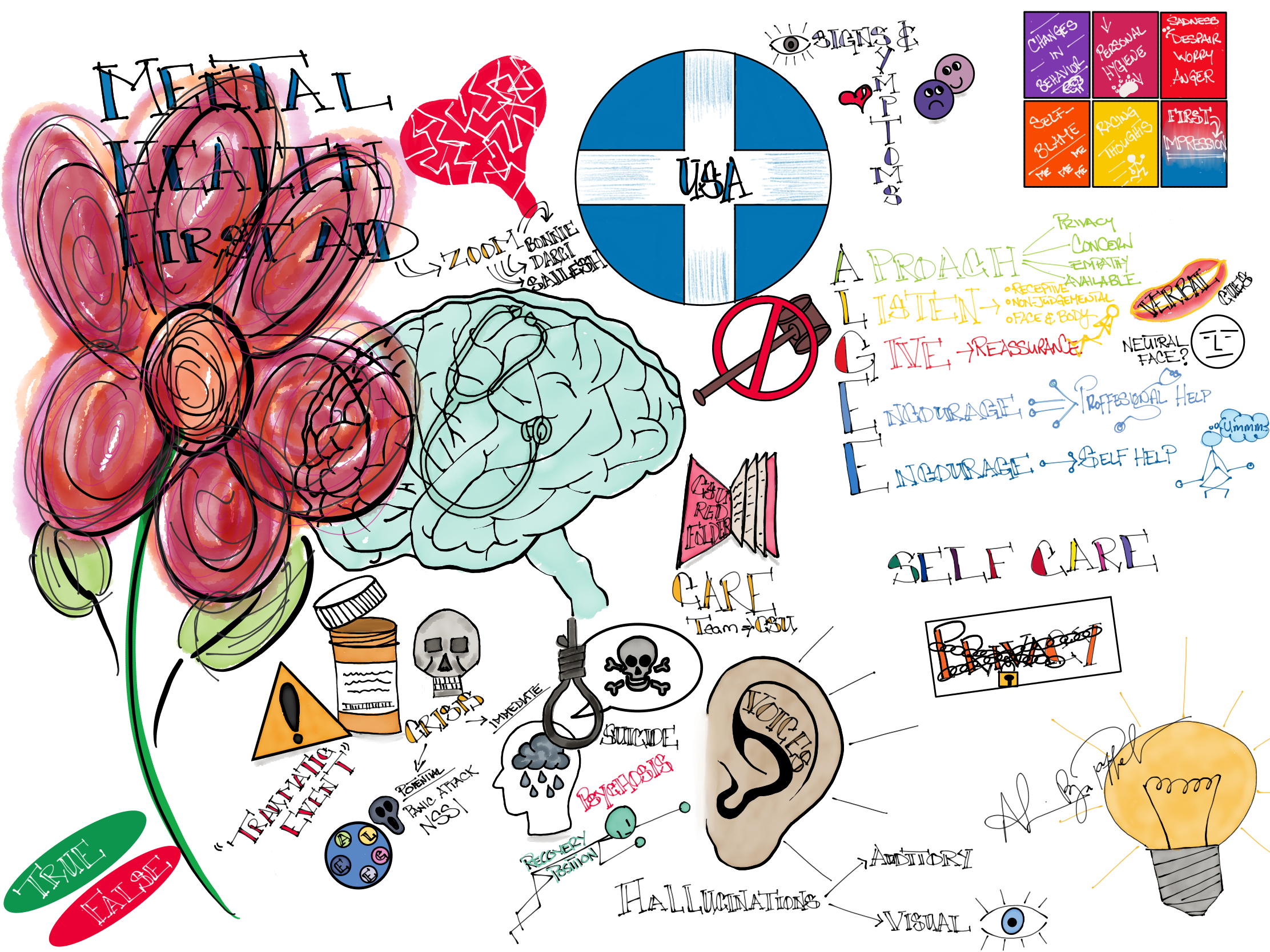
Credit: www.calstate.edu
Frequently Asked Questions
Why Do First Responders Struggle With Mental Health?
First responders face intense stress and trauma. They experience high-pressure situations that can lead to mental health issues. Continuous exposure to emergencies affects their emotional well-being. Lack of adequate support and coping mechanisms worsens their struggles. Building awareness and providing resources are crucial for their mental health.
What Mental Health Issues Do First Responders Have?
First responders often face PTSD, anxiety, depression, and substance abuse. High stress and trauma exposure contribute to these issues. Support systems and mental health resources are crucial for their well-being. Early intervention can help manage symptoms effectively, improving their resilience and overall mental health.
What Is The Role Of A Mental Health First Responder?
A mental health first responder provides immediate support during psychological crises. They assess situations, offer reassurance, and connect individuals to professional help. Their role is crucial in reducing distress and promoting safety. They act as the first point of contact, ensuring appropriate care and intervention.
What Is The First Responders Mental Health Act?
The First Responders Mental Health Act offers support and resources for mental health challenges faced by emergency personnel. It aims to improve mental health care access, reduce stigma, and enhance resilience among first responders through training and support programs. This act prioritizes their well-being and mental health needs.
Conclusion
Supporting first responders’ mental health is crucial. They face stress daily. Acknowledging their struggles can lead to better care. Simple steps make a difference. Talk, listen, and offer support. Communities play a big role. Mental health resources should be accessible.
Encouragement helps break stigma. Encourage open conversations about feelings. This builds understanding and resilience. Let’s work together to prioritize their well-being. Their mental health impacts us all. Stronger first responders mean safer communities. Recognize their challenges and offer compassion. Everyone can contribute.
Small actions create positive change. Remember, mental health matters for those who protect us.








