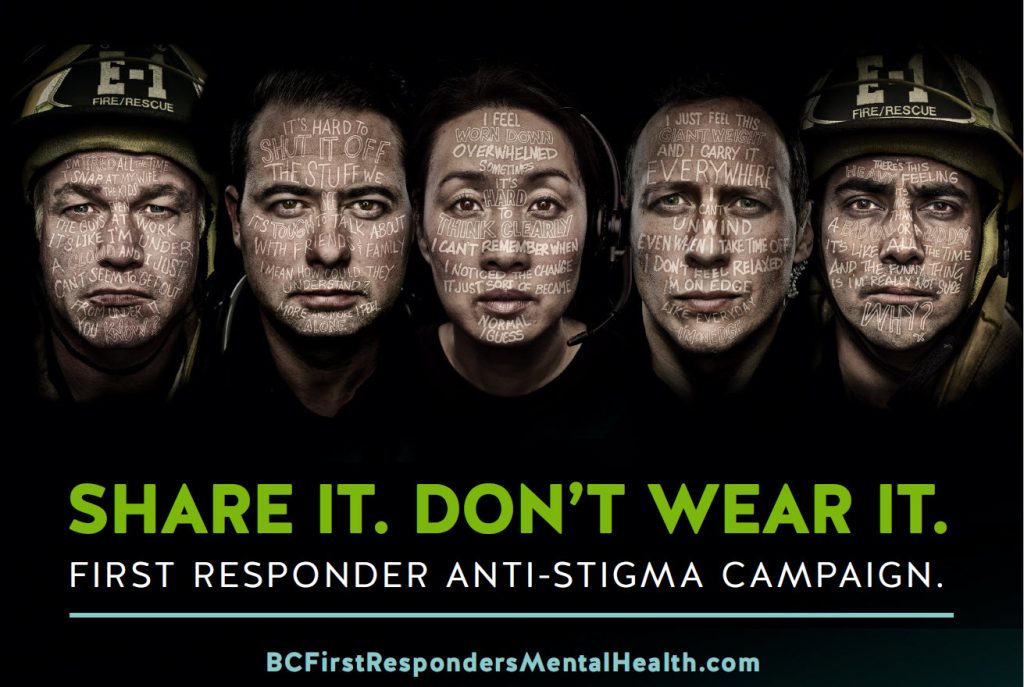
Imagine rushing into a burning building or being the first on the scene of a critical accident. As a first responder, you face situations most people cannot even begin to comprehend.
It’s a job that demands bravery and resilience, but it can also take a toll on your mental health. You might find yourself feeling stressed, overwhelmed, or even haunted by what you’ve witnessed. You’re not alone in this struggle, and it’s crucial to address it.
Ignoring the mental health of first responders can have serious consequences, not only for you but also for those you serve. We’ll explore why your mental health matters just as much as your physical health and what you can do to protect it. Discover the resources and strategies that can help you maintain your well-being while continuing to serve your community with strength and dedication. Keep reading to find out how you can take control of your mental health and continue to be the hero your community needs.
Credit: sbmi.uth.edu
Challenges Faced By First Responders
First responders are the unsung heroes of our communities, rushing to the scene of emergencies, often putting their own lives at risk. However, the mental health challenges they face can be overwhelming. Understanding these challenges can help you appreciate their resilience and find ways to support them.
Stressful Work Environment
The work environment for first responders is often high-pressure and unpredictable. Imagine being called to a scene where the stakes are life or death, with decisions needing to be made in seconds. This constant stress can lead to anxiety and burnout. Do you ever wonder how many sleepless nights they endure, replaying those critical moments?
Exposure To Trauma
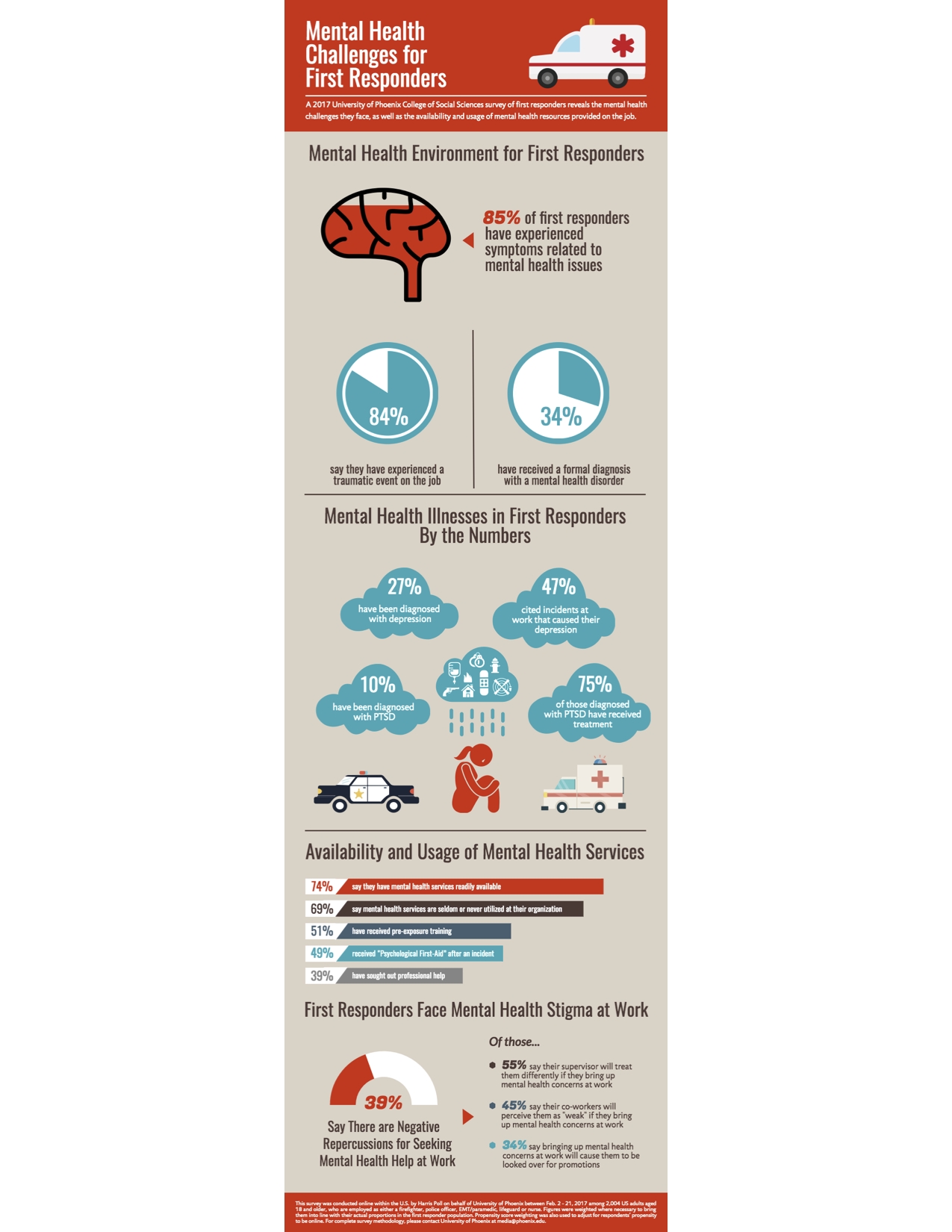
First responders frequently encounter traumatic events that most people never see in a lifetime. They witness accidents, natural disasters, and human suffering regularly. This exposure can lead to post-traumatic stress disorder (PTSD) and other mental health issues. Have you ever thought about the emotional toll of carrying those memories day after day?
Long Working Hours
Working long shifts is a norm for first responders, often without adequate rest. These hours can lead to physical exhaustion and mental fatigue. Over time, this lifestyle can strain personal relationships and diminish overall well-being. How do you balance the demands of the job with the need for personal time and recovery?
Your awareness and empathy can make a difference. Supporting first responders in their mental health journey is crucial, not just for them but for the communities they serve. Consider ways you can contribute to creating a supportive environment for these everyday heroes.
Impact On Mental Health
First responders face high-stress situations daily, impacting their mental health significantly. Constant exposure to trauma can lead to anxiety, depression, and PTSD. Supporting their mental well-being is essential for their safety and effectiveness.
First responders are often seen as heroes, bravely rushing into situations that most people would flee from. While their physical safety is a significant concern, their mental health is equally important yet frequently overlooked. The intense pressure, trauma exposure, and long hours can have a lasting impact on their mental well-being. Understanding the challenges they face is crucial to providing the necessary support and resources.Common Mental Health Issues
First responders often encounter mental health issues such as PTSD, depression, and anxiety. These conditions stem from repeated exposure to traumatic events. Consider a firefighter who witnesses the aftermath of a devastating fire or a police officer dealing with violent crimes. Such experiences can lead to emotional distress. These issues are not just limited to the immediate aftermath but can persist, affecting daily life.Signs And Symptoms
Recognizing the signs of mental health struggles is essential for timely intervention. You might notice changes in behavior such as irritability or withdrawal from social activities. Sleep disturbances are common, with nightmares or insomnia impacting their rest. Physical symptoms like headaches or stomach problems may also arise. Pay attention to these indicators, as they often signal deeper issues that need addressing.Consequences Of Neglect
Ignoring mental health can have severe consequences. It can deteriorate relationships with family and friends, leading to isolation. Professional performance may suffer, putting both the first responder and those they serve at risk. Furthermore, untreated mental health conditions can escalate, resulting in substance abuse or even suicidal thoughts. Ask yourself, is the price of neglect worth the risk? Supporting first responders involves more than acknowledging their bravery; it’s about ensuring they have the tools to maintain their mental health. Your awareness and action can make a difference in their lives. How can you contribute to their well-being?Strategies For Mental Well-being
First responders face unique challenges. Their mental well-being is crucial. Strategies for mental well-being can help them stay resilient. These strategies improve focus, reduce stress, and foster emotional stability. Let’s explore effective methods that support their mental health.
Mental Health Training
Mental health training equips first responders with essential skills. They learn to recognize signs of stress and burnout. Training includes coping mechanisms and emotional regulation techniques. It empowers them to manage difficult situations. Knowledge gained from training boosts confidence and resilience.
Peer Support Programs
Peer support programs offer invaluable resources. First responders connect with colleagues who understand their experiences. Sharing stories and feelings fosters a sense of belonging. These programs create a safe space for open discussions. Peer support reduces isolation and promotes healing.
Mindfulness And Relaxation Techniques
Mindfulness and relaxation techniques are vital for mental well-being. Practicing mindfulness enhances focus and clarity. Simple relaxation exercises reduce stress and tension. Techniques like deep breathing calm the mind and body. Regular practice leads to improved emotional balance and peace.
Credit: www.columbiasouthern.edu
Role Of Organizations
Organizations play a crucial role in supporting first responder mental health. They provide resources and training to help manage stress. This support ensures that responders can effectively handle their challenging duties.
First responders face immense pressure in their roles, often confronting life-threatening situations. These experiences can take a toll on mental health. Organizations play a crucial role in fostering environments where these heroes can thrive mentally and emotionally. By prioritizing mental health, organizations ensure that first responders have the support they need to continue their vital work.Implementing Support Systems
Organizations can create effective support systems tailored for first responders. Consider setting up peer support groups where colleagues share experiences and advice. Regular mental health check-ins can catch issues before they escalate. Offering confidential counseling services ensures first responders have a safe space to discuss their concerns.Promoting A Healthy Work Culture
Organizations need to cultivate a work culture where mental health is openly discussed. Encourage open conversations about stress and mental health challenges. Recognize and reward efforts to seek help, normalizing the practice. How does your organization view mental health? A supportive environment starts with leadership that prioritizes well-being.Providing Access To Resources
Access to resources is vital for maintaining mental health. Organizations should offer educational workshops on stress management and coping strategies. Providing easy access to apps and tools for meditation or relaxation can be beneficial. Have you considered implementing an employee assistance program? Such programs can guide first responders to helpful resources, ensuring they feel supported both on and off duty. In your role, how can you contribute to these initiatives? Organizations can make a profound difference by actively addressing mental health challenges faced by first responders.Community Involvement
Community involvement plays a crucial role in supporting first responder mental health. Engaging with the community helps create a supportive environment for these vital workers. It enhances understanding and encourages collective action to address mental health challenges. Through awareness and collaboration, communities can make a difference.
Raising Awareness
Raising awareness is the first step in community involvement. Hosting events and seminars can highlight the mental health challenges faced by first responders. Sharing stories and experiences can create empathy and understanding. Social media campaigns can reach a wider audience. This helps in spreading the message about the importance of mental health support.
Encouraging Open Conversations
Open conversations are key to breaking the stigma around mental health. Community forums provide a platform for discussion. First responders can share their experiences in a safe space. This encourages others to speak up too. It fosters a culture of openness and support.
Collaborating With Mental Health Professionals
Collaboration with mental health professionals is essential. Communities can partner with local therapists and counselors. Workshops and training sessions can offer practical support. These collaborations ensure first responders get the help they need. Professional guidance helps address specific mental health concerns effectively.
Future Directions
The mental health of first responders is crucial. They face unique challenges daily. Ensuring their well-being requires fresh approaches. Future directions in this field are promising. Let’s explore potential advancements in support, research, and policies.
Innovative Support Solutions
New support solutions are emerging for first responders. Technology plays a big role. Mobile apps offer immediate mental health resources. These tools provide privacy and convenience. Virtual reality is another promising tool. It helps in stress reduction and therapy. Peer support networks are strengthening. They offer relatable experiences and understanding. These networks foster a sense of community. Such innovations enhance accessibility and effectiveness.
Research And Development
Research is key to understanding mental health needs. Current studies focus on stress and trauma impacts. Researchers are exploring tailored interventions. Data collection is more detailed and precise. This helps in crafting specific solutions. Development of new therapies is underway. They’re tested for efficacy and safety. Collaboration among institutions is crucial. It drives forward meaningful discoveries. A focus on evidence-based practices is essential.
Policy Changes
Policy changes can improve mental health services. Government and organizations play vital roles. There’s a push for better funding. Increased resources lead to comprehensive care. Policies now emphasize mental health training. First responders receive better preparation. Work-life balance initiatives are gaining ground. These policies aim to reduce burnout. Legislative support is crucial for sustained change. It ensures ongoing attention to mental health needs.
Credit: www.blueline.ca
Frequently Asked Questions
What Is The Role Of A Mental Health First Responder?
A mental health first responder provides immediate support during mental health crises. They offer reassurance, assess situations, and guide individuals to appropriate resources. Their role is crucial in preventing escalation and promoting safety. They are trained to recognize symptoms and facilitate professional help, ensuring effective crisis management and emotional support.
What Is The First Responder Mental Health Act?
The First Responder Mental Health Act provides mental health resources and support for emergency personnel. It aims to improve access to care, reduce stigma, and enhance training to address mental health challenges faced by first responders, ensuring their well-being and resilience.
What Is The First Responder Mentality?
The first responder mentality involves quick thinking, decisive action, and prioritizing safety during emergencies. It emphasizes teamwork, adaptability, and effective communication. This mindset is crucial for responding efficiently to crises and ensuring public safety. First responders must remain calm, focused, and prepared to handle various challenges under pressure.
What Is Burnout In First Responders?
Burnout in first responders is chronic stress resulting from demanding work environments. It leads to physical, emotional, and mental exhaustion. Symptoms include fatigue, reduced performance, and detachment. Addressing burnout is crucial to maintaining their health and effectiveness. Regular mental health support and stress management can help prevent burnout in these professionals.
Conclusion
First responder mental health is crucial. Supporting them ensures safer communities. They face intense challenges daily. Stress and trauma impact their lives. Prioritizing mental health helps them cope better. Access to resources and support is essential. Encourage open conversations about mental health.
This reduces stigma and promotes healing. Communities can offer support through awareness programs. Recognizing their sacrifices shows appreciation. A healthy mind leads to better service. Everyone benefits when first responders are well. Let’s value and support their mental health today.
It’s a shared responsibility. Together, we can make a difference.








