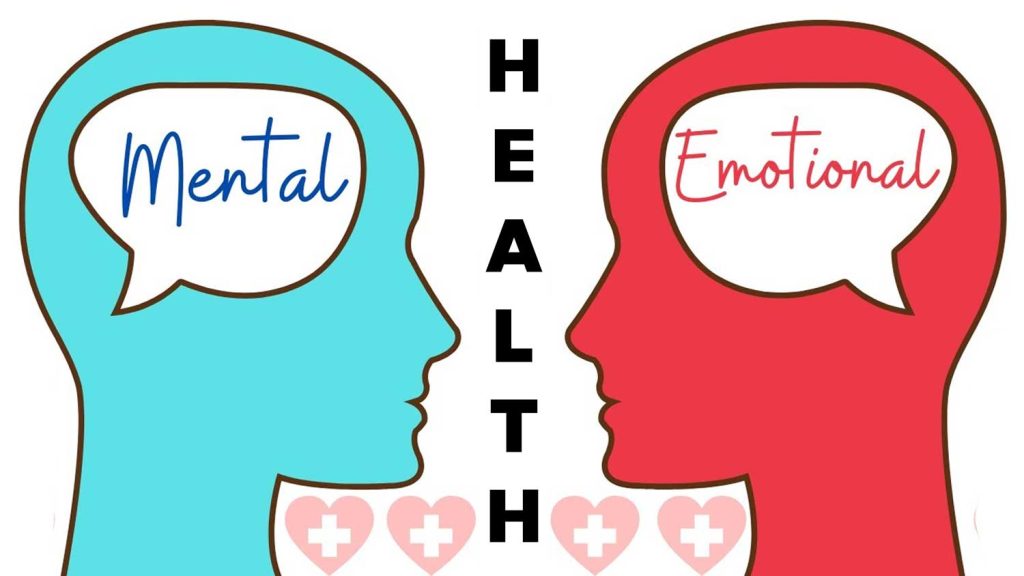
Feeling overwhelmed by your emotions? You’re not alone.
Emotional mental health is a crucial aspect of your overall well-being, and understanding it can transform your life. Imagine navigating through your days with a sense of calm and clarity, instead of being tossed around by stress and anxiety. This isn’t just a dream—it’s within your reach.
By gaining insight into your emotional mental health, you can unlock the power to improve your relationships, boost your resilience, and enhance your happiness. So, why let your emotions control you when you can learn to master them? Dive into this article to discover how you can take charge of your emotional mental health and start living a more balanced life today.
Understanding Emotional Health
Emotional mental health involves understanding feelings and managing stress effectively. It affects thoughts, actions, and relationships. Building resilience supports emotional well-being and enhances life quality.
Understanding emotional health is crucial for navigating life’s ups and downs. It encompasses our ability to manage emotions, build resilience, and maintain a positive outlook. By grasping the nuances of emotional health, you can enhance your well-being and lead a more fulfilling life.Importance Of Emotional Well-being
Emotional well-being is the foundation of a balanced life. It empowers you to handle stress and face challenges with courage. When your emotional health is in check, you can form healthier relationships and communicate better. How often do you take time to reflect on your feelings? Prioritizing emotional well-being can improve your mental clarity and decision-making skills. You might notice you’re more patient and empathetic, creating a ripple effect in your interactions.Impact On Daily Life
Your emotional health significantly impacts your daily routines. It influences how you react to situations, whether at work, home, or social settings. Imagine waking up feeling calm and centered; your day starts on a positive note. Poor emotional health can lead to irritability and fatigue. It might affect your focus and productivity, making even simple tasks seem daunting. Think about how different your days could be if you felt more emotionally balanced. Have you ever noticed how a bad mood can taint your entire day? Being aware of your emotional state and actively working to improve it can transform your daily experiences. Small changes, like practicing gratitude or mindfulness, can boost your emotional health remarkably. Understanding emotional health is not just about feeling good; it’s about thriving in every aspect of life. So, what steps will you take today to nurture your emotional well-being?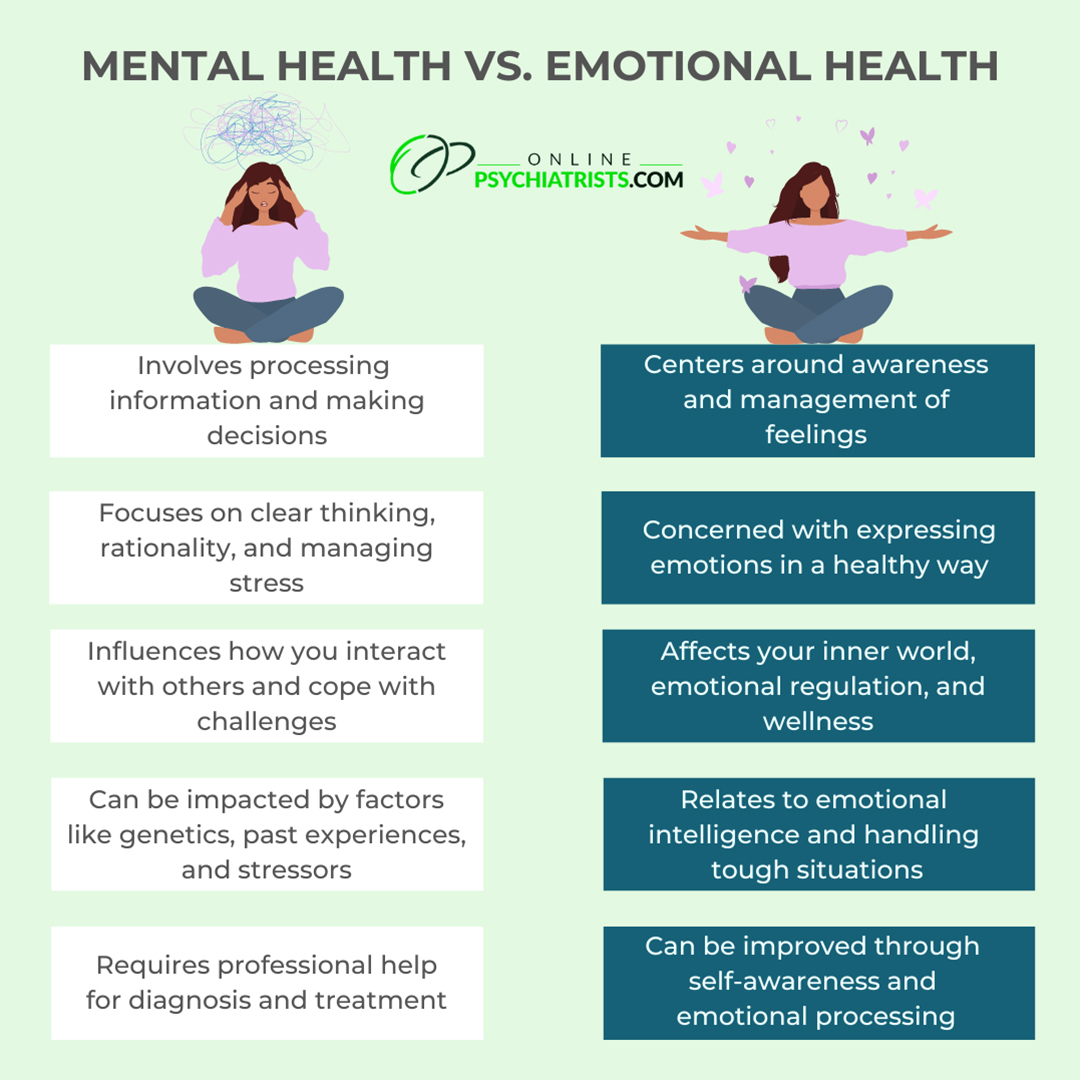
Credit: www.onlinepsychiatrists.com
Key Components Of Emotional Resilience
Emotional resilience is a vital part of mental health. It helps us cope with stress, adversity, and life’s challenges. Understanding its key components can improve our well-being. These elements build a strong foundation for emotional health.
Self-awareness
Self-awareness is knowing your emotions and reactions. It involves recognizing how feelings affect your thoughts and actions. This insight helps you respond effectively. Being aware of emotional triggers is crucial. It allows you to manage responses better. Journaling can enhance self-awareness. Reflecting on experiences reveals patterns in emotions.
Emotional Regulation
Emotional regulation is controlling how you express emotions. It involves managing intense feelings without suppressing them. Practice breathing exercises to calm yourself. Techniques like mindfulness can aid in regulation. They help you stay grounded. Responding to emotions thoughtfully improves relationships. It reduces stress and promotes peace.
Adaptability
Adaptability is adjusting to changing situations. It involves embracing new circumstances with openness. Flexibility in thinking is key. It helps you find solutions in tough times. Being adaptable means accepting change. Practice problem-solving to enhance adaptability. This skill supports resilience and growth.
Building Emotional Strength
Emotional strength is key to mental well-being. It helps us face challenges with courage and resilience. Building emotional strength involves nurturing mental habits. These habits help us cope better with stress and emotions.
Mindfulness Practices
Mindfulness helps focus on the present moment. It reduces stress and improves emotional clarity. Try deep breathing exercises daily. Spend a few minutes observing your thoughts without judgment. Meditation is another powerful tool. It calms the mind and builds emotional strength.
Developing Empathy
Empathy allows us to understand others’ feelings. It fosters emotional connections and compassion. Listen actively to people around you. Try to see situations from their perspective. Reading fiction can also boost empathy. It helps us imagine the lives and emotions of characters.
Positive Mindset Cultivation
A positive mindset enhances emotional strength. It helps us see challenges as opportunities. Practice gratitude every day. List three things you are thankful for. Surround yourself with positive influences. Choose friends who uplift and inspire you. Set achievable goals to maintain motivation.
Overcoming Emotional Challenges
Navigating emotional challenges strengthens mental health, fostering resilience and self-awareness. Embrace personal growth through understanding feelings and seeking support. These steps can lead to a healthier emotional state.
Overcoming emotional challenges can often feel like navigating a storm. But, just like any weather pattern, it’s something you can learn to handle better with time and practice. If you’re struggling with emotional ups and downs, know that you’re not alone. Many face similar hurdles, and there are effective strategies to help you regain control and find peace.Identifying Emotional Triggers
Recognizing what sets off your emotions is crucial. Emotional triggers might be specific situations, people, or memories that evoke strong feelings. Identifying them allows you to anticipate reactions and manage them better. Start by keeping a journal. Note down moments of intense emotion and what preceded them. This can help you spot patterns. Once you’re aware of your triggers, you can work on reducing their impact. This awareness is your first step toward emotional resilience.Managing Stress Effectively
Stress can amplify emotional challenges. Learning to manage stress is essential for emotional well-being. Consider practicing deep breathing exercises or meditation. These techniques can calm your mind and reduce stress levels. Exercise is another powerful tool. A brisk walk or a short workout can release endorphins, which naturally elevate mood. Keep an eye on your workload and commitments. Prioritize tasks and learn to say no when necessary. Your time and energy are valuable.Seeking Professional Help
Sometimes, self-help strategies might not be enough. It’s okay to seek professional help. Therapists and counselors offer support and tools tailored to your needs. They can help you understand deeper issues and provide guidance. If you’re hesitant, think about the benefits. Professional help can accelerate your journey to emotional stability. Remember, seeking help is a sign of strength, not weakness. It’s a proactive step toward a healthier, happier you. Reflect on your current approach to emotional challenges. Are there areas you can improve? What steps will you take today to move forward?Role Of Relationships In Resilience
Have you ever noticed how some people bounce back from setbacks more swiftly than others? Often, the secret lies in the strength of their relationships. Emotional mental health isn’t just about what’s happening inside your head; it’s also about the connections you forge with others. Building resilience is much easier when you have a robust support system. But what does that look like? Let’s dive into how relationships can be a powerful tool in your resilience toolkit.
Building Supportive Networks
Imagine having a group of friends who always have your back. These relationships act as a safety net, cushioning you when life throws you off balance. You can start by reaching out to people who share similar interests or values. Join clubs, attend community events, or even participate in online forums. The key is consistency; regular interactions help deepen these connections.
Think about it: Who in your life can you rely on during tough times? Strengthening these bonds can make all the difference. If you feel alone, take the initiative to reach out. Sometimes, it’s as simple as asking, “Can we chat for a bit?”
Communicating Effectively
Effective communication is essential for maintaining healthy relationships. It’s not just about talking; it’s about listening. When you truly listen, you understand better, and that understanding builds trust. Use open-ended questions to encourage dialogue. This approach fosters deeper connections.
Consider how you communicate with your loved ones. Are there areas where you could improve? Active listening and expressing your thoughts clearly can prevent misunderstandings. A simple “I hear you” can validate someone’s feelings and strengthen your bond.
Nurturing Healthy Boundaries
Healthy boundaries are crucial for emotional well-being. They protect your mental space, allowing you to recharge and maintain resilience. Establishing boundaries means knowing when to say no and understanding your limits. It’s about respecting yourself and others.
Reflect on your current relationships. Are there boundaries that need reinforcing? Take the time to define what you’re comfortable with. Remember, setting limits isn’t selfish; it’s necessary for maintaining a healthy relationship dynamic.
Ultimately, relationships play a pivotal role in building resilience. By focusing on supportive networks, effective communication, and healthy boundaries, you can cultivate a stronger foundation for emotional mental health. How will you enhance your relationships today?
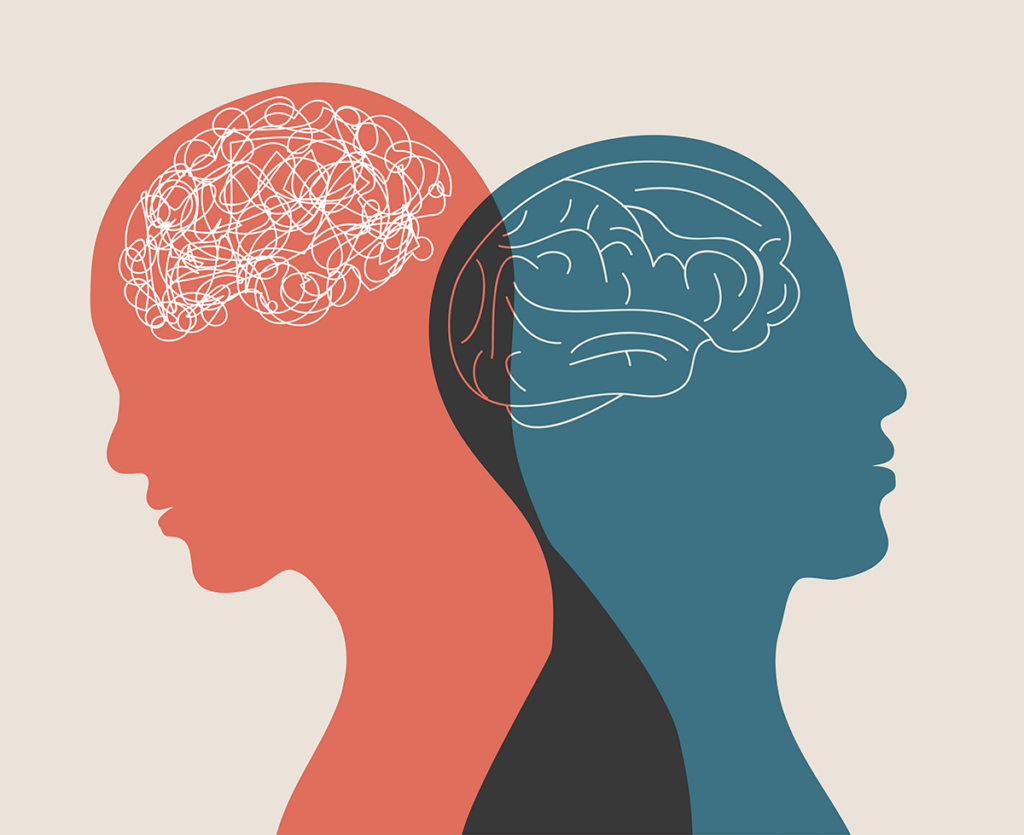
Credit: www.recoveryranch.com
Incorporating Resilience Into Daily Life
Building resilience in daily life strengthens emotional and mental health. Simple routines like journaling and mindfulness boost emotional wellbeing. Prioritizing self-care and connecting with others nurtures a resilient mindset.
Building resilience is an essential part of maintaining emotional mental health. It’s about finding strength in everyday challenges and bouncing back from setbacks. By making resilience a part of your daily life, you can navigate life’s ups and downs with confidence and grace. Let’s dive into some practical ways to do just that.Establishing Routine Practices
Creating a routine can be a powerful way to build resilience. Think about your daily habits. Are they helping you stay grounded? Simple practices like a morning walk, journaling, or a few minutes of meditation can anchor your day. These routines become your stabilizers, offering a sense of normalcy even when life feels chaotic. Consider what makes you feel most centered. Incorporate these activities consistently into your daily schedule.Setting Achievable Goals
Setting goals can boost your sense of purpose and direction. But it’s crucial to keep them realistic. Think about your current commitments and energy levels. What small step can you take today that will inch you closer to your larger aspirations? Break down your goals into manageable pieces. Each small success builds your confidence and resilience, preparing you for bigger challenges ahead.Celebrating Small Wins
Acknowledging your achievements, no matter how minor, is vital. It’s easy to overlook the progress you make daily. Did you finish a task you’ve been dreading? Or perhaps you managed to stay calm during a stressful situation? Celebrate these moments. Recognizing your successes helps reinforce a positive mindset. It reminds you of your capabilities and strengthens your emotional resilience. Incorporating these practices can enrich your emotional mental health journey. What small changes will you make today to build resilience in your life?Cultural Perspectives On Emotional Health
Understanding emotional health varies across cultures. Each culture brings unique views and practices. These differences shape how individuals perceive and handle emotions. Exploring these perspectives can enhance our emotional understanding. It allows us to appreciate diverse approaches to mental well-being.
Global Views On Resilience
Resilience is valued worldwide. Yet, its interpretation changes across regions. In Japan, resilience often means persistence in adversity. The Japanese concept of “Gaman” emphasizes enduring hardships with patience. This attitude reflects a collective strength in facing challenges.
In contrast, some Western cultures focus on personal growth. Overcoming obstacles becomes a journey of self-improvement. This view highlights individual strength and personal development. Resilience, in this context, is about bouncing back stronger than before.
Influence Of Cultural Norms
Cultural norms deeply affect emotional expression. In some cultures, showing emotions openly is normal. For example, Latin American societies often embrace emotional expression. This openness fosters strong emotional connections and support networks.
Conversely, in many Asian cultures, restraint is encouraged. Emotions are managed privately to maintain harmony. This approach values community and social balance over individual expression. Understanding these norms helps in appreciating emotional health diversity.

Credit: www.biola.edu
Future Of Emotional Resilience
Emotional resilience is more important than ever in today’s fast-paced world. As you adapt to change and uncertainty, the ability to bounce back from emotional challenges can shape your future. But what does the future hold for emotional resilience? With advancements in technology and evolving therapies, the landscape is set to transform significantly, offering you new ways to strengthen your emotional core.
Technological Advancements
Technology is reshaping how you can build emotional resilience. Imagine using apps that provide real-time emotional support. These tools can track your mood patterns and offer personalized advice. You might find a virtual therapist available at your fingertips, guiding you through stressful moments.
Virtual reality is also making its mark. Picture immersing yourself in calming environments whenever you’re overwhelmed. This tech-driven approach offers practical solutions to manage stress effectively. Could this be the next frontier for emotional resilience?
Evolving Therapies
Therapies are evolving, providing more tailored approaches to emotional health. You might explore cognitive-behavioral techniques that adapt to your unique needs. These therapies focus on helping you understand and change your thought patterns.
Group sessions are taking on new forms, too. You could join online communities where shared experiences foster collective healing. Engaging with others who share your journey can offer valuable insights and support. How might these evolving therapies impact your emotional resilience?
As you navigate the complexities of life, consider the tools and techniques available to you. Are you ready to embrace the future of emotional resilience? The choice is yours, and the possibilities are endless.
Frequently Asked Questions
What Is The Meaning Of Emotional Mental Health?
Emotional mental health involves understanding and managing your emotions, maintaining positive relationships, and coping with life’s challenges. It includes recognizing feelings, expressing emotions appropriately, and building resilience. Good emotional health enhances well-being and life satisfaction.
What Is An Example Of Emotional Health?
Emotional health involves managing emotions effectively. An example is expressing feelings openly while maintaining control. Practicing empathy, resilience, and stress management are signs of good emotional health. Building strong relationships and recognizing emotions also contribute to emotional well-being. Prioritizing self-care and seeking support when needed are essential aspects.
What Are The 4 Types Of Emotional Health?
The four types of emotional health include self-awareness, self-regulation, motivation, and empathy. Self-awareness involves understanding your emotions. Self-regulation helps control emotions. Motivation drives personal growth. Empathy allows understanding others’ emotions.
How Can You Improve Your Emotional Health?
Practice mindfulness and meditation to enhance emotional health. Engage in regular physical activity and maintain a balanced diet. Cultivate strong relationships by connecting with loved ones. Seek professional help when needed. Prioritize self-care and ensure adequate sleep for overall emotional well-being.
Conclusion
Emotional mental health is crucial for overall well-being. Small steps make big differences. Practice self-care regularly. Talk to someone you trust. Seek professional help if needed. Remember, you are not alone. Support is always available. Balance your emotions and thoughts daily.
This strengthens mental resilience. Keep learning about emotional health. It empowers you. Your journey to better mental health is valuable. Celebrate small victories along the way. Stay patient with yourself. Every day is a new opportunity. Embrace it.








