Are you feeling a bit overwhelmed by the terms “emotional health” and “mental health”? You’re not alone.
These terms are often used interchangeably, leaving many of us confused. But understanding the difference between the two can significantly impact your well-being. Imagine feeling more balanced, less stressed, and more in control of your life. Wouldn’t that be amazing?
We’ll explore what sets emotional health apart from mental health and why knowing this difference matters to you. Stick around, and you’ll discover simple ways to improve both, leading to a happier, healthier you.
Defining Emotional Health
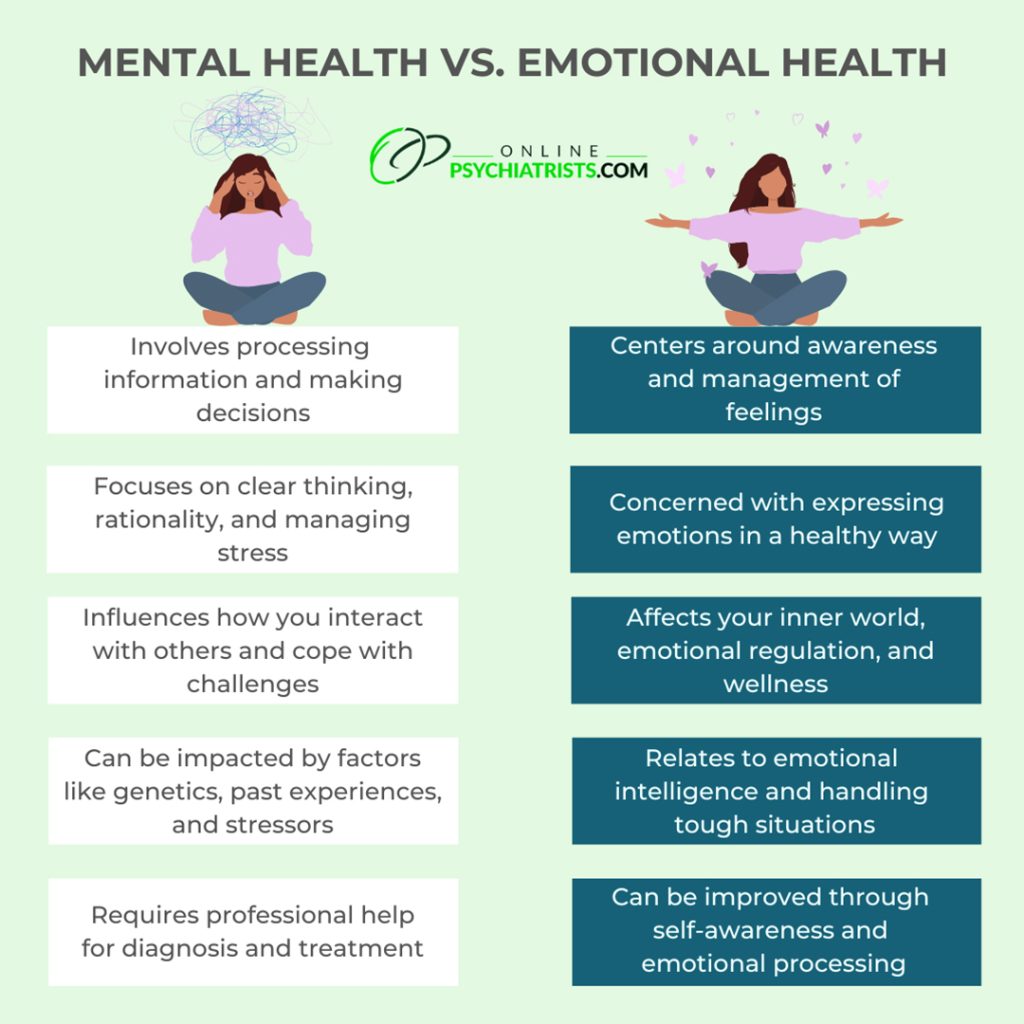
Understanding emotional health involves recognizing feelings and managing them effectively. It differs from mental health, which focuses on the brain’s overall functioning. Emotional health is about handling emotions, while mental health encompasses broader psychological well-being. Both are essential for a balanced life.
Understanding emotional health is crucial for your overall well-being. It’s not just about feeling happy all the time but involves being in tune with your emotions and managing them effectively. Emotional health can impact your relationships, productivity, and even your physical health.What Is Emotional Health?
Emotional health refers to your ability to process feelings and manage stress. It means being aware of your emotions and having the skills to handle them. Being emotionally healthy doesn’t mean you’re always happy. It means you’re aware of your emotions and can deal with them, whether they’re positive or negative.Why Is Emotional Health Important?
Your emotional health affects every aspect of your life. If you’re emotionally healthy, you can better cope with life’s challenges. You’re more resilient in the face of stress, making you less likely to experience anxiety or depression. Think about a time when you handled stress well. How did you feel afterward? Probably empowered and ready to take on the world.How To Improve Emotional Health
Improving emotional health requires practice and patience. Start by acknowledging your emotions without judgment. If you feel angry, ask yourself why. What’s triggering that emotion? Practice mindfulness or meditation to stay grounded. Surround yourself with supportive people who uplift you.Emotional Health In Everyday Life
Incorporate emotional health practices into your daily routine. Begin your day with a gratitude list. What are you thankful for today? Share your feelings with a friend or write them down. Notice how these small changes can make a big difference in your mood and energy levels. How do you prioritize your emotional health? Are there practices you can add to your routine today? Your emotional health is a journey, and taking even small steps can lead to a happier, healthier life.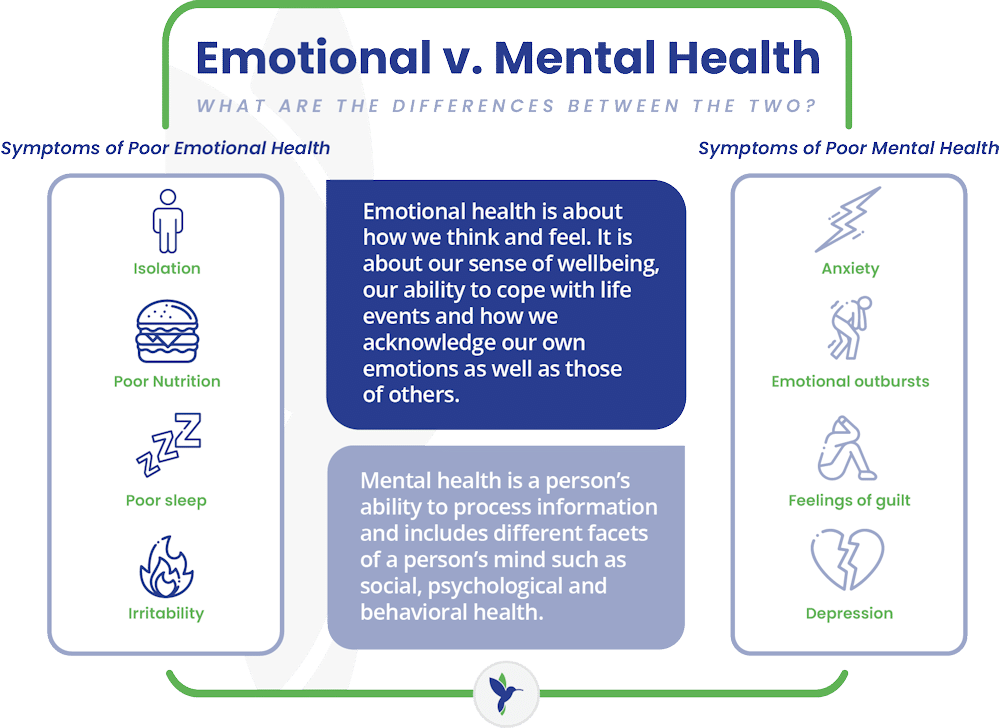
Credit: www.ambrosiatc.com
Defining Mental Health
Emotional health focuses on managing feelings and expressing them well. Mental health includes overall psychological well-being and coping with stress. Both are crucial for a balanced life. Understanding their differences helps in maintaining a healthy mind and emotions.
Understanding the difference between emotional health and mental health can be quite enlightening. While they are closely linked, they are not the same thing. Let’s start by defining mental health. It’s not just about the absence of mental disorders. It’s about how you think, feel, and behave in daily life. Your mental health influences how you handle stress, relate to others, and make decisions.What Constitutes Mental Health?
Mental health is a broad term that encompasses your psychological well-being. It includes your emotional, psychological, and social health. It’s how you think, feel, and interact with the world around you. Good mental health allows you to cope with life’s challenges and stresses effectively.Factors Affecting Your Mental Health
Several elements can impact your mental health. Biological factors like genes and brain chemistry play a role. Life experiences, such as trauma or abuse, can also influence it. Your family history of mental health problems may contribute too.Common Signs Of Mental Health Issues
Recognizing mental health issues can be tricky. You might notice changes in mood, energy, or sleep patterns. Difficulty concentrating or feeling overwhelmed are also common signs. It’s crucial to pay attention to these changes. They can indicate underlying mental health concerns.Practical Tips To Improve Mental Health
Improving mental health involves small, daily actions. Consider maintaining a balanced diet, getting regular exercise, and ensuring sufficient sleep. Engage in activities that bring you joy. Connecting with supportive friends and family can make a big difference.Why Mental Health Matters
Mental health is vital for leading a fulfilling life. It affects your thoughts, behaviors, and interactions. When you nurture your mental health, you build resilience and improve overall well-being. Reflect on how you prioritize your mental health. Are you giving it the attention it deserves? Understanding mental health can empower you. It allows you to take proactive steps toward a healthier, happier you.Core Differences
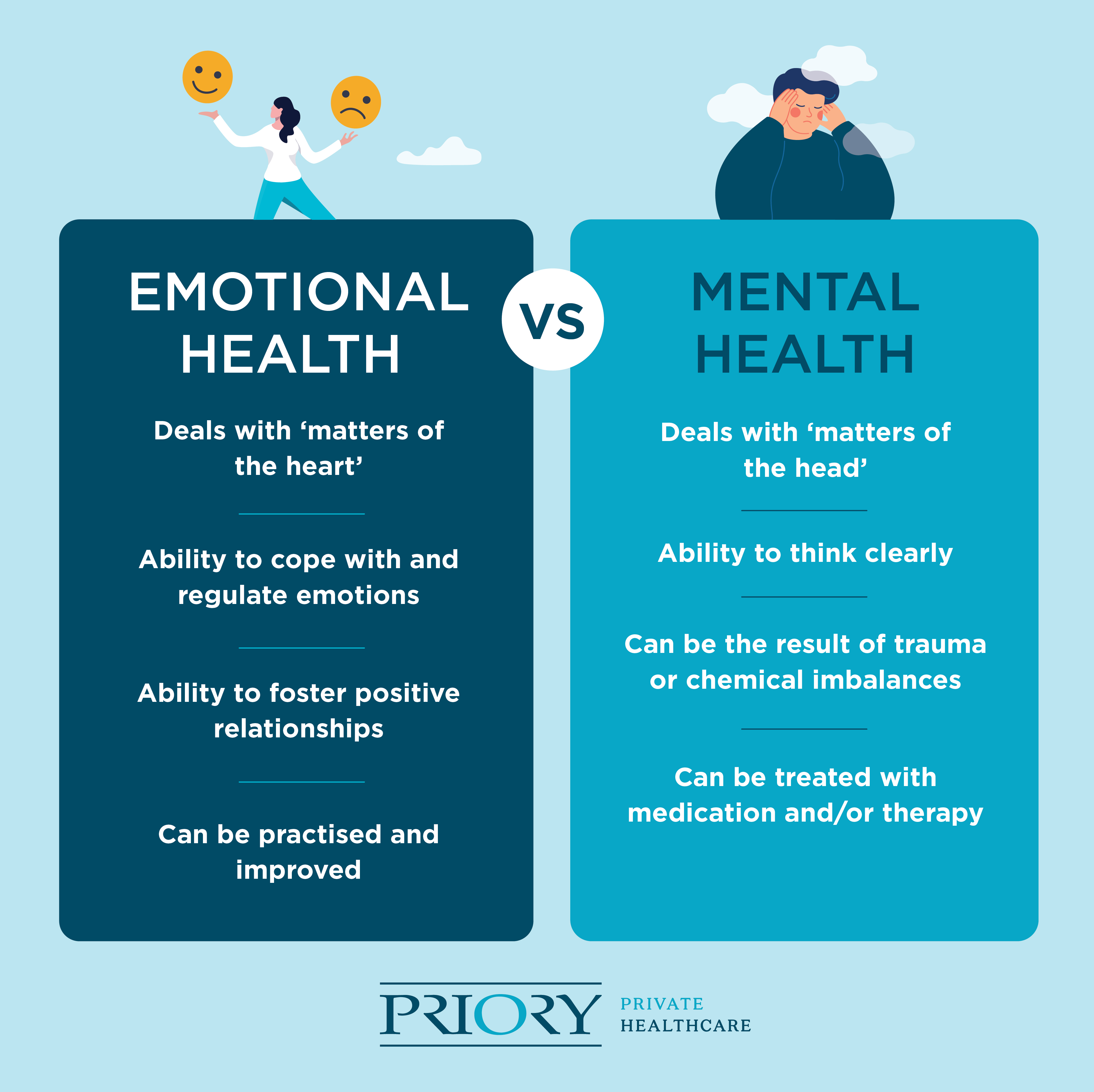
Understanding the core differences between emotional health and mental health is crucial for your overall well-being. While they may seem interchangeable, they refer to distinct aspects of your psychological state. Emotional health relates to how you feel, react, and express your emotions, whereas mental health encompasses your cognitive functions and processes. By grasping these differences, you can better manage your health and improve your quality of life.
Emotional Responses Vs. Mental Processes
Emotional responses are instant reactions to situations. They are the gut feelings you experience when faced with a challenge or joy. Your emotional health dictates how well you handle these feelings and express them.
On the other hand, mental processes are more about how you think and solve problems. They involve reasoning, memory, and perception. These processes are influenced by your mental health. So, while emotions are more about feeling, mental processes focus on thinking.
Impact On Daily Functioning
Your emotional health affects your mood and relationships. If you’re emotionally healthy, you’ll likely find it easier to connect with others and maintain positive interactions.
Mental health impacts your ability to concentrate, make decisions, and perform tasks. Good mental health means you can think clearly and manage stress effectively. Consider how your reactions and thoughts influence your daily life.
Signs And Symptoms
Signs of emotional health include resilience, optimism, and empathy. If you often feel overwhelmed or unable to control your emotions, it might be time to focus on your emotional well-being.
Mental health symptoms can be more varied, including anxiety, depression, and cognitive difficulties. Are you struggling with focus or feeling persistently sad? Identifying these signs early can help you seek necessary support.
Think about your own experiences. How do your emotions and thoughts shape your day? Reflect on these questions to gain a clearer understanding of your personal health journey. Embracing the differences between emotional and mental health can empower you to take control of your well-being.
Interconnection Of Emotional And Mental Health
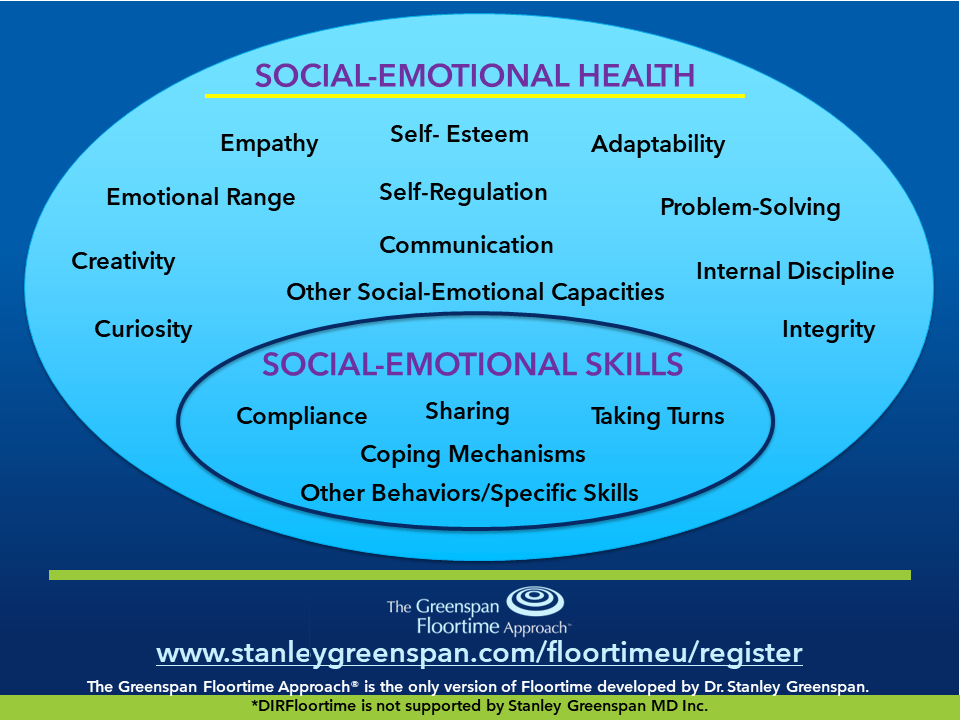
The relationship between emotional and mental health is deeply intertwined. Emotional health involves understanding and managing your feelings. Mental health includes your overall psychological well-being. Both aspects influence how you think and behave. They are not separate entities. Instead, they work together. A change in one can affect the other. Understanding their connection can lead to better health management. Let’s explore how they influence each other and where they often overlap.
Influence On Each Other
Emotions can impact mental health significantly. Feeling stressed or anxious can alter thought patterns. Negative emotions may lead to mental health issues. Positive emotions can boost mental well-being. Mental health also shapes emotional responses. A strong mental state can help manage emotions better. Poor mental health can amplify negative feelings. This interplay is crucial for overall health. Balancing both can lead to a more fulfilling life.
Common Overlaps
Emotional and mental health share common symptoms. Stress affects both areas. Anxiety and depression impact emotions and thoughts. Sleep disturbances can arise from emotional or mental health issues. Fatigue is another common symptom. Both can cause irritability or mood swings. Emotional and mental health challenges can affect relationships. Recognizing overlaps can aid in identifying issues early. Early intervention is key to maintaining health.
Importance Of Maintaining Both
Balancing emotional and mental health is crucial for overall well-being. Emotional health involves expressing feelings, while mental health focuses on thinking processes. Together, they help us cope with stress and build healthy relationships.
Maintaining both emotional and mental health is vital for overall well-being. Emotional health involves understanding and managing your feelings. Mental health includes your thoughts and how you process them. Balancing both enhances your quality of life. It helps you handle stress, relate to others, and make decisions. Prioritizing both leads to a happier, more productive life.Benefits Of Balanced Health
Balanced health promotes a positive outlook on life. It boosts confidence and self-esteem. You become more resilient to challenges. Healthy relationships thrive with balanced health. It improves communication and empathy. You develop better problem-solving skills. Decision-making becomes clearer and more effective. Balanced health supports physical well-being, too. It lowers the risk of chronic diseases. Sleep quality improves, boosting energy levels.Risks Of Neglecting Either
Neglecting emotional health can lead to mood swings. You might feel overwhelmed by stress. It could affect your relationships negatively. Poor mental health impacts concentration and focus. It increases the risk of depression and anxiety. You might experience physical symptoms like headaches. Neglect can lead to substance abuse as a coping mechanism. Chronic neglect harms your overall quality of life. It could lead to burnout and fatigue. You might struggle with daily tasks and responsibilities.Strategies For Improvement
Balancing emotional and mental health involves nurturing feelings and thoughts. Both require attention to personal care routines. Strategies include mindfulness practices and fostering supportive relationships.
Taking care of your emotional and mental health can make a big difference in your overall well-being. Both are essential, yet they require different strategies for improvement. Understanding these can empower you to lead a more balanced life. You might wonder, how can you nurture your emotional health and strengthen your mental health simultaneously? Let’s break down some practical strategies that can help.Emotional Health Practices
Boosting your emotional health involves understanding and managing your feelings effectively. Start by practicing mindfulness. This means staying present and aware of your emotions without judgment. It could be as simple as taking a few minutes each day to breathe deeply and notice your feelings. Journaling is another powerful tool. Writing down your thoughts can help clarify emotions and reduce stress. Consider setting aside time each day to jot down what you’re grateful for. This practice can shift your focus from negative emotions to positive ones. Engage in activities that bring you joy. Whether it’s painting, gardening, or dancing, doing what you love boosts your mood and emotional resilience. Remember, it’s okay to set boundaries and say no to things that drain your energy.Mental Health Techniques
Caring for your mental health involves strategies that enhance your cognitive function and resilience. Physical activity plays a crucial role here. Regular exercise releases endorphins, improving your mood and mental clarity. Aim for at least 30 minutes most days, whether it’s walking, cycling, or yoga. Cognitive Behavioral Therapy (CBT) techniques can be beneficial. Challenge negative thoughts and replace them with positive ones. For instance, if you catch yourself thinking, “I can’t do this,” reframe it to, “I will try my best.” Social connections matter too. Reach out to friends or family regularly. Talking about your feelings can be therapeutic, and having a support system improves mental resilience. Consider practicing relaxation techniques like meditation or progressive muscle relaxation. These can help reduce anxiety and promote a sense of calm. You might find apps or online resources helpful to guide your practice. What small step can you take today to improve your emotional or mental health? Remember, even small changes can have a big impact over time.Seeking Professional Help
Understanding the difference between emotional health and mental health is crucial. Both play vital roles in our overall well-being. Emotional health deals with our feelings and reactions. Mental health involves our cognitive processes and psychological state. Sometimes, we need help to manage them effectively. Seeking professional help can provide guidance and support.
When To Consult A Professional
Recognizing the right time to seek help is important. Frequent mood swings could be a sign. Persistent sadness may also indicate a need for support. Difficulty concentrating on daily tasks is another red flag. When these issues interfere with daily life, consider professional help. Early intervention can prevent more serious issues from developing.
Types Of Professionals Available
There are various professionals who can assist with emotional and mental health. Psychologists specialize in understanding human behavior and emotions. They provide therapy and behavioral strategies. Psychiatrists focus on diagnosing mental disorders. They can prescribe medication if necessary. Counselors offer support for specific emotional issues. They focus on problem-solving and coping strategies.
Social workers provide emotional support and practical solutions. They can connect individuals with community resources. Therapists help with personal development and emotional healing. Each professional plays a unique role in enhancing emotional and mental well-being.
Credit: www.priorygroup.com
Credit: stanleygreenspan.com
Frequently Asked Questions
What Is The Difference Between Mental Health And Emotional Health?
Mental health focuses on cognitive processes like thinking and decision-making. Emotional health deals with expressing and managing feelings. Both are crucial for overall well-being, but they address different aspects of how we process and react to experiences. Maintaining balance in both is essential for a fulfilling life.
What Is The Difference Between Emotional And Mental Connection?
Emotional connection involves sharing feelings and empathy, while mental connection focuses on intellectual compatibility and shared interests. Emotional ties are about understanding emotions; mental ties engage thoughts and ideas. Both connections contribute to strong, fulfilling relationships but emphasize different aspects of human interaction.
What Is An Example Of Emotional Health?
An example of emotional health is effectively managing stress. It involves recognizing emotions, expressing them appropriately, and maintaining positive relationships. This includes adaptability to change, resilience in adversity, and maintaining a positive outlook on life. Emotional health also means seeking help when needed and practicing self-care.
What Is Emotional Health?
Emotional health refers to the ability to manage and express emotions effectively. It involves recognizing feelings, coping with challenges, and maintaining positive relationships. Emotional health is crucial for overall well-being and affects daily life. It empowers individuals to handle stress and build resilience.
Conclusion
Understanding emotional and mental health is crucial for overall well-being. Both play vital roles in our daily lives. Emotional health focuses on feelings and expressing them. Mental health involves thinking and processing information. Each requires attention and care. Balancing both leads to a healthier, happier life.
Simple practices like talking, exercising, and resting help. Recognize signs of stress or imbalance early. Seek support when needed. Remember, nurturing your mind and emotions is a lifelong journey. It enhances your quality of life. Prioritize both for a fulfilling and balanced existence.
Stay aware, stay healthy.








