
Are you or a loved one grappling with mental health challenges and wondering if Medicare can help cover the costs? You’re not alone.
Navigating the intricacies of healthcare can be daunting, especially when it comes to understanding what Medicare covers. With mental health becoming increasingly vital to our overall well-being, knowing your coverage options is crucial. Imagine the peace of mind that comes with knowing you have the support you need without breaking the bank.
We’ll unravel the specifics of Medicare’s mental health coverage, helping you make informed decisions about your care. Let’s dive in and explore how Medicare can support your mental health journey, ensuring you get the help you deserve.
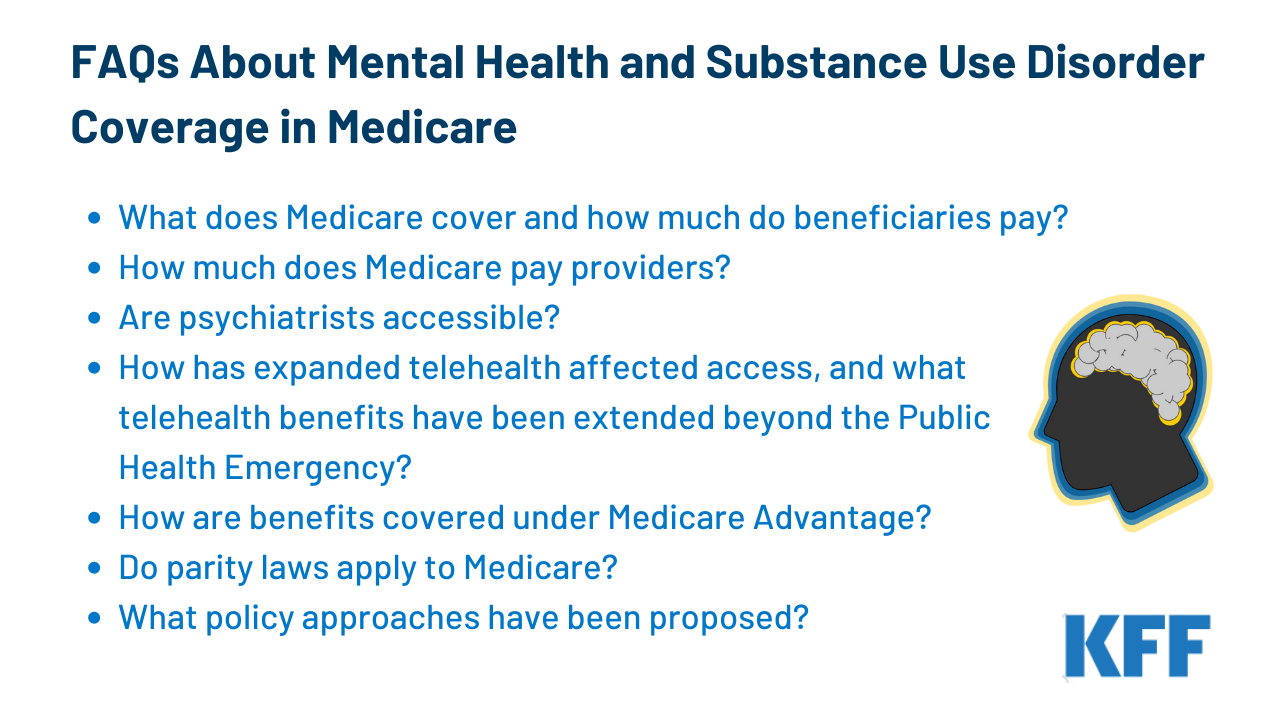
Credit: www.kff.org
Medicare Basics
Medicare offers coverage for mental health services, including therapy and counseling. Both inpatient and outpatient treatments are covered. Beneficiaries can access support for conditions such as depression and anxiety.
Understanding Medicare is key to making informed decisions about your health care, especially when it involves mental health services. Navigating through Medicare might seem daunting, but breaking down its basics can simplify the process for you. Let’s explore how Medicare works and what you need to know about its coverage for mental health.Eligibility Criteria
To qualify for Medicare, you generally need to be 65 or older. However, younger people with disabilities or certain health conditions, like End-Stage Renal Disease, can also be eligible. Are you wondering if you qualify? Check if you’ve been receiving Social Security or Railroad Retirement Board benefits. Understanding your eligibility is the first step to accessing mental health care through Medicare.Coverage Parts
Medicare is divided into different parts, each covering specific services. Medicare Part A typically covers inpatient care in hospitals, including mental health care. If you need to stay in a psychiatric hospital, Part A might help with that cost. Medicare Part B focuses on outpatient services. This includes visits to mental health professionals, such as psychologists or psychiatrists. It also covers screenings for depression and other mental health conditions. Have you heard about Medicare Part D? It offers prescription drug coverage. If your mental health treatment includes medication, Part D could help lower those costs. Understanding these parts is crucial. Ask yourself, do you need inpatient care, outpatient therapy, or medication? Knowing which part of Medicare covers your needs can make a big difference in your mental health treatment journey. Think about your current and future mental health needs. Are you prepared with the right coverage? Taking the time to explore your options within Medicare can lead to better mental health care outcomes.Mental Health Services Overview
Medicare provides vital support for mental health services. Understanding what is covered helps ensure access to necessary care. These services play a crucial role in maintaining mental well-being. They include various types of treatments and support.
Types Of Services
Medicare covers outpatient therapy sessions. This includes individual therapy and group therapy. It also includes family counseling sessions. Psychiatric evaluations are part of the coverage. Inpatient care at a hospital is covered for severe conditions. Partial hospitalization programs are available under Medicare.
Common Conditions Covered
Depression treatment is included in Medicare coverage. Anxiety disorders are commonly covered as well. Bipolar disorder treatments fall under Medicare provisions. Schizophrenia care is available through Medicare services. Substance use disorders receive support under Medicare.
Medicare Part A And Mental Health
Medicare Part A helps cover inpatient mental health care in hospitals. It includes care in psychiatric hospitals, up to a certain limit. Beneficiaries may pay coinsurance and deductibles.
Navigating Medicare can be overwhelming, especially when you’re seeking mental health support. Medicare Part A is your ally for inpatient services, but understanding its coverage is key to unlocking the care you need. Let’s dive into how Medicare Part A supports mental health through hospital stays and inpatient coverage.Inpatient Coverage
Medicare Part A covers inpatient mental health services, which can be a crucial lifeline during challenging times. If you’ve ever found yourself in a situation where you needed intensive care, you know how vital inpatient services are. Whether it’s a psychiatric hospital or a general hospital psychiatric unit, Part A helps cover the costs, easing your financial burden. Keep in mind, there’s a limit to inpatient coverage. Medicare Part A supports up to 190 days in a lifetime for psychiatric hospital stays. It’s important to be aware of this cap, as it might affect your long-term planning. Knowing these details can empower you to make informed decisions about your mental health journey.Hospital Stays
Hospital stays are often necessary for stabilizing severe mental health conditions. Medicare Part A covers the room, board, and necessary treatments during these stays. Imagine the relief of knowing that, during a crisis, you can access professional care without worrying about mounting bills. It’s crucial to note the cost-sharing aspect. You’re responsible for paying the deductible, and after that, Medicare covers a significant portion, but not all, of your hospital expenses. Understanding this cost-sharing structure allows you to prepare financially and avoid surprises. Have you ever wondered how hospital stays can be a turning point in your mental health journey? They offer a structured environment where you can receive round-the-clock care and attention. Knowing that Medicare Part A supports these essential services can give you peace of mind, knowing help is available when you need it most. Understanding Medicare Part A’s coverage for mental health can be transformative. What are your thoughts on how it impacts your mental health care planning? Let’s continue exploring how Medicare can be a supportive partner in your wellness journey.Medicare Part B And Outpatient Services
Medicare Part B covers outpatient mental health services. This includes therapy, counseling, and certain mental health screenings. Beneficiaries can access these services to improve their mental well-being.
Medicare Part B provides coverage for a variety of outpatient services, making mental health care more accessible for those who need it. If you or someone you know is seeking mental health support, understanding what Medicare Part B covers can guide you towards the right resources. It’s essential to know how this coverage can assist in managing mental well-being effectively.Therapy Sessions
Therapy can be a cornerstone of mental health treatment. With Medicare Part B, you can receive coverage for therapy sessions, including individual and group therapy. This means you can work through personal challenges with a licensed professional without worrying too much about the cost. Medicare covers therapy sessions with clinical psychologists and licensed social workers. You typically pay 20% of the Medicare-approved amount, and the Part B deductible applies. This can significantly reduce the financial burden, allowing you to focus on your mental health journey. Have you ever wondered how much therapy could improve your quality of life? With Medicare Part B, the opportunity to find out is more accessible than ever.Psychiatric Evaluations
Understanding your mental health needs often begins with a thorough psychiatric evaluation. Medicare Part B covers these evaluations, which are crucial for diagnosing mental health conditions. This coverage ensures you can access professional assessments to better understand your mental health needs. During a psychiatric evaluation, a psychiatrist or clinical psychologist assesses your mental state. Medicare Part B helps cover these consultations, making it easier to receive a comprehensive diagnosis. This can be the first step in creating a personalized treatment plan that addresses your specific needs. If you’ve been putting off seeking help due to cost concerns, consider how Medicare Part B might alleviate this barrier. Could this be the right time to prioritize your mental health? By knowing what Medicare Part B offers in terms of outpatient services, you can make informed decisions about your mental health care. Investing time in understanding these benefits can lead to a healthier, more balanced life.Medicare Part D And Prescription Drugs
Medicare Part D plays a crucial role in mental health care coverage. It covers prescription drugs, which are vital for treating mental health conditions. Understanding this part of Medicare helps in managing mental health needs effectively. Many people rely on medication as part of their treatment plan. Knowing what is covered helps in planning for costs and treatments.
Medication Coverage
Medicare Part D includes a wide range of medications. These medications are essential for mental health treatment. Coverage helps in accessing antidepressants, antipsychotics, and other necessary drugs. Checking the plan’s specifics ensures you get the right medications. This reduces stress and financial burden associated with mental health treatments.
Formulary Considerations
Each Medicare Part D plan has a formulary. A formulary is a list of covered drugs. It’s important to review this list before choosing a plan. Not all medications are included in every plan. Ensure your prescribed drugs are part of your plan’s formulary. This prevents unexpected costs and ensures continuity in mental health care.
Formulary lists can change annually. Regularly check for updates to avoid surprises. Staying informed helps in maintaining your mental health treatment. Consider consulting your healthcare provider for guidance. They can help you understand what medications are necessary. This ensures your plan aligns with your treatment needs.
Medicare Advantage And Mental Health
Medicare Advantage plans often include mental health services. These services cover therapy, counseling, and psychiatric care. Beneficiaries can access necessary treatments, ensuring support for their mental well-being.
Navigating mental health coverage can often feel overwhelming, but understanding Medicare Advantage plans can bring clarity. Medicare Advantage, also known as Medicare Part C, offers an alternative to Original Medicare and often includes additional benefits for mental health services. If you or a loved one is considering this option, it’s vital to know how these plans can support mental well-being.Additional Benefits
Medicare Advantage plans often provide added perks beyond Original Medicare. This can be particularly beneficial for mental health care. Many plans include coverage for therapy sessions, psychiatric services, and even some prescription drugs for mental health conditions. Consider Jane’s story: after enrolling in a Medicare Advantage plan, she gained access to a wider network of mental health professionals and could schedule therapy sessions more frequently. This support played a crucial role in her ongoing recovery. Could these additional benefits make a difference in your mental health journey?Plan Variations
Not all Medicare Advantage plans are created equal. Coverage can vary significantly between plans, so it’s essential to compare options carefully. Some plans may cover a broader range of mental health services, while others might limit access to certain providers or therapies. For example, one plan might offer telehealth services for mental health, allowing you to connect with a therapist from the comfort of your home. Another might require in-person visits, which could be inconvenient for you. To make an informed choice, review the specifics of each plan. Ask yourself: does this plan align with my mental health needs and lifestyle? By understanding these variations, you can choose a plan that truly supports your mental health journey.Cost Considerations
Medicare covers mental health care, but costs can vary. Original Medicare may require co-payments, deductibles, and coinsurance. Advantage plans might offer different coverage levels, affecting costs significantly.
When considering mental health services under Medicare, understanding the cost implications is crucial. Whether you’re managing anxiety, depression, or another mental health condition, knowing what you’ll be financially responsible for can help you plan better. Let’s explore the cost considerations related to Medicare’s mental health coverage.Copayments And Deductibles
Medicare Part B generally covers outpatient mental health services. However, you must pay a deductible before coverage kicks in. For many, this can be a barrier, especially at the start of the year when other expenses are piling up. After meeting your deductible, you usually pay a copayment or coinsurance for each therapy session. Imagine attending weekly sessions—it adds up quickly. Have you factored these into your budget?Out-of-pocket Limits
Medicare does not have an out-of-pocket limit for Part B services, which can be surprising. This means your costs can continue to rise, especially if you need extensive treatment. Consider if you have a Medigap plan, which might help cover some of these costs. If not, you might face high expenses, impacting your decision to seek necessary care. Are you prepared for these financial surprises? Many people aren’t until they receive the bill. Planning for mental health care costs can seem daunting, but being informed helps. Have you reviewed your Medicare plan details recently? Understanding your financial responsibilities can empower you to make better choices for your mental health care needs.Recent Changes In Policy
Recent changes in Medicare policy have a significant impact on mental health coverage. These updates aim to provide better access and support for those in need. Understanding these changes is crucial for beneficiaries.
Legislative Updates
Recent legislation has expanded mental health services under Medicare. This includes increased funding for therapy and counseling sessions. Legislators recognized the need for more comprehensive mental health care.
Changes also include coverage for telehealth services. This helps beneficiaries access care from home. Telehealth is especially beneficial for those with mobility issues.
Impact On Coverage
These policy updates improve mental health coverage for many beneficiaries. More services are now covered, reducing out-of-pocket costs. This encourages more people to seek help when needed.
Providers can offer a wider range of treatments. This includes both traditional and innovative therapies. Beneficiaries have more options to choose from.
Accessing Services
Accessing mental health services through Medicare can be daunting. Understanding the process is crucial. Knowing how to find providers and navigate the system ensures you get the help needed. This section will guide you through these steps.
Finding Providers
Medicare offers a range of mental health providers. Check the Medicare website to find approved specialists. Use the online directory for easy searches. Talk to your primary care doctor for recommendations. They can refer you to trusted professionals. Ensure your chosen provider accepts Medicare.
Navigating The System
Knowing how Medicare covers mental health is essential. Part B covers outpatient services. This includes therapy and counseling sessions. Part A covers inpatient services for hospital stays. Be aware of deductibles and copayments. Contact Medicare for detailed information on coverage limits.
Understand the eligibility requirements for services. Ensure you have a valid Medicare plan. Stay informed about changes to policies. Keeping up with updates helps avoid surprises. Regularly review your plan’s terms. This ensures you are fully covered for your needs.

Credit: www.commonwealthfund.org
Challenges And Barriers
Medicare plays a crucial role in providing healthcare to millions. Yet, mental health coverage presents unique challenges. Accessing mental health services under Medicare can be complex. Barriers exist that affect service delivery and utilization. Understanding these barriers is essential for effective mental health care.
Rural And Underserved Areas
Access to mental health services in rural areas is limited. Many communities lack mental health professionals. Travel distances for care are often long and difficult. Patients may face difficulties in getting treatment. Limited resources can lead to unmet mental health needs. Medicare coverage may not always address these geographic challenges.
Stigma And Awareness
Stigma surrounding mental health remains a major barrier. Many people hesitate to seek help due to fear. Awareness about mental health issues is still lacking. Education on mental health can help reduce stigma. Medicare beneficiaries might avoid services due to social perceptions. Increasing awareness is crucial for improving access to care.

Credit: www.healthline.com
Frequently Asked Questions
How Many Mental Health Therapy Sessions Does Medicare Pay For?
Medicare covers unlimited mental health therapy sessions as long as they are medically necessary. Sessions must be with a qualified provider. Coverage includes individual and group therapy. Ensure the provider accepts Medicare assignment for full benefits. Always confirm coverage specifics with Medicare or your healthcare provider.
What 6 Things Will Medicare Not Cover?
Medicare does not cover long-term care, dental care, vision exams, hearing aids, cosmetic surgery, and overseas healthcare.
Are Mental Health Issues Covered By Medicare?
Yes, Medicare covers certain mental health services. It includes inpatient care, outpatient visits, and therapy sessions. Coverage may vary based on the plan. Always verify specifics with your Medicare provider for details on mental health benefits.
Who Pays For Mental Health Services?
Insurance companies, government programs, or individuals often cover mental health services. Employers may offer benefits through workplace health plans. Eligibility and coverage vary, so check with your provider. Some services might require out-of-pocket payments or co-pays. Financial assistance programs can support those without adequate coverage.
Conclusion
Medicare offers help for mental health services. Coverage includes therapy and medication. It’s crucial to understand your plan details. Costs vary, so check specifics. Speak with your doctor or Medicare advisor. They can guide you on coverage options. Mental health support is important.
Don’t hesitate to seek help. Medicare aims to make it accessible. Finding the right care boosts well-being. Take steps towards better mental health today. Make informed choices. Prioritize your mental wellness. It’s worth the effort. Reach out and explore available resources.
You deserve quality care and support.








