
Are you tired of trying endless diets and exercise routines without seeing the results you desire? You might be wondering if weight loss surgery is the right option for you.
It’s a big decision, and you deserve to have all the information before taking the next step. Our “Do I Qualify for Weight Loss Surgery Quiz” is designed to help you understand if you meet the criteria for this life-changing procedure.
In just a few minutes, you’ll get clear insights into your eligibility and take a significant step towards achieving your health goals. Don’t let uncertainty hold you back; discover what’s possible for your future.
Eligibility Criteria
Understanding the eligibility criteria for weight loss surgery is crucial. Not everyone qualifies for these procedures. Several factors determine if you are eligible. These factors are essential for your safety and success.
Bmi Requirements
Your Body Mass Index (BMI) plays a vital role. A BMI of 40 or more is generally required. Some exceptions exist for those with a BMI over 35. These exceptions apply if you have obesity-related health issues. Accurate BMI calculation is important.
Age Limitations
Age is another essential criterion. Most candidates are between 18 and 65 years old. Younger or older candidates face different challenges. Adolescents need special medical evaluations. Older adults might face increased risks.
Health Conditions Considered
Certain health conditions are part of the eligibility process. Conditions like diabetes and sleep apnea are significant. Hypertension and heart disease also matter. Your medical history is crucial. These conditions can affect surgery outcomes.
Types Of Weight Loss Surgery
Understanding the types of weight loss surgery is essential. Each type offers unique benefits and addresses different needs. Discover which surgery suits you best.
Gastric Bypass
Gastric bypass surgery involves creating a small stomach pouch. This new pouch is connected directly to the small intestine. The surgery limits food intake and absorption. It helps in rapid weight loss. Many patients experience significant health improvements.
Sleeve Gastrectomy
Sleeve gastrectomy removes a large portion of the stomach. Only a thin sleeve remains. This surgery reduces hunger and food intake. It’s less complex than gastric bypass. Patients often lose weight steadily. It improves metabolic health significantly.
Adjustable Gastric Band
An adjustable gastric band is placed around the stomach. It creates a small pouch at the top. The band is adjustable to control food intake. It’s less invasive than other surgeries. The weight loss is usually gradual. Many find it easier to manage.
Assessing Health Status
Understanding your health is crucial before considering weight loss surgery. This process involves various evaluations to ensure you are a suitable candidate. Assessing your health status is a vital first step in this journey. It provides insights into your readiness for the procedure and helps tailor the approach to your needs.
Medical History Evaluation
Your medical history is thoroughly reviewed during the assessment. Doctors look for conditions that may affect surgery outcomes. This includes past surgeries, chronic illnesses, and medication use. Knowing your medical background helps in planning a safe surgery. It ensures you receive the right care and support.
Psychological Assessment
Mental health plays a key role in surgical success. Professionals assess your psychological readiness for this major change. They explore your motivation and expectations from the surgery. Understanding your mental state helps in providing the needed emotional support. It prepares you for the post-surgery lifestyle adjustments.
Nutritional Consultation
Nutrition is essential for successful weight loss surgery outcomes. A dietitian evaluates your eating habits and nutritional knowledge. They guide you on pre-and post-surgery dietary requirements. This consultation helps ensure you maintain healthy eating habits. It supports long-term weight management and overall well-being.

Credit: www.fallbrookmedicalcenter.com
Insurance And Financial Considerations
Understanding the insurance and financial considerations is crucial for weight loss surgery. Many potential patients worry about costs. It’s important to know what your insurance covers and what you’ll need to pay.
Coverage Policies
Insurance policies vary. Some cover weight loss surgery if you meet certain criteria. They might require a documented history of obesity-related health issues. Your body mass index (BMI) could also be a factor. Check with your provider for specific requirements. Ask about pre-authorization. This is often necessary before surgery approval.
Out-of-pocket Costs
Even with insurance, you may have out-of-pocket expenses. These could include co-pays, deductibles, or other fees. The costs depend on your insurance plan. It’s wise to budget for these additional expenses. Knowing the financial expectations can help you plan better.
Financing Options
Some people explore financing options for surgery costs. Payment plans can spread the cost over time. Medical loans are another option. They offer fixed monthly payments. Check with the hospital or clinic for available options. They might have partnerships with finance companies. This can make surgery more affordable.
Lifestyle Changes Required
Weight loss surgery is a significant decision. It’s not just about the procedure. It requires commitment to changing your lifestyle. These changes are crucial for long-term success. Let’s explore the lifestyle changes needed.
Dietary Modifications
Post-surgery, your diet will change. Smaller portions become essential. You must focus on nutrient-rich foods. Protein intake is prioritized. Avoiding sugary and fatty foods is crucial. Hydration plays a key role. Drinking water is important. It’s vital to follow your nutritionist’s advice.
Exercise Regimen
Exercise complements weight loss surgery. Regular physical activity is needed. Start with gentle exercises. Walking is a good start. Gradually increase intensity. Aim for consistency in your routine. Exercise strengthens muscles. It boosts metabolism. It’s not just about losing weight. It’s about overall health.
Behavioral Adjustments
Changing habits is necessary. Emotional eating needs attention. Stress management is important. Building a support network helps. Attend counseling sessions. Set realistic goals for yourself. Monitor your progress regularly. Celebrate small victories. Stay motivated. Remember, it’s a lifestyle commitment.
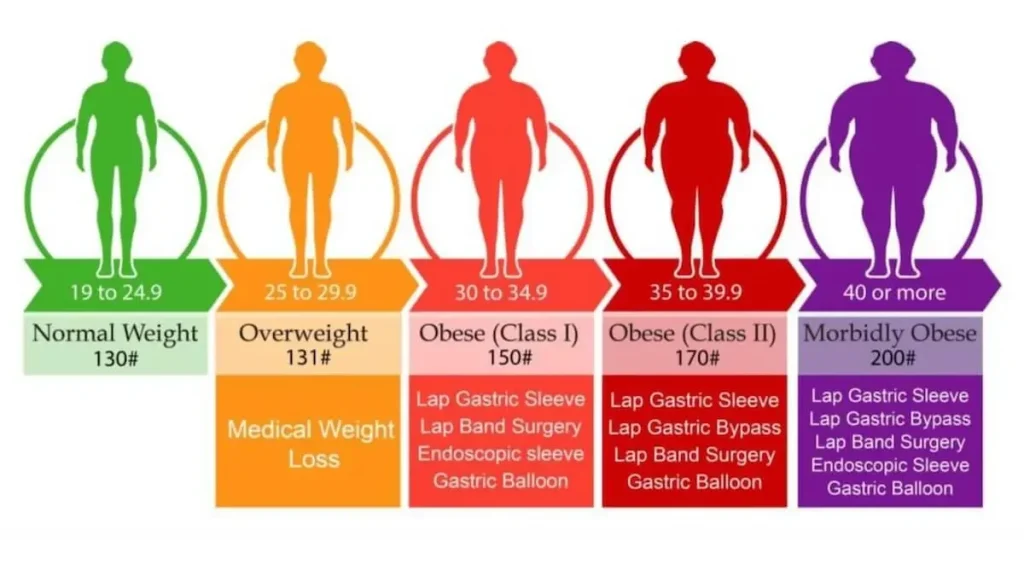
Credit: healthylifebariatrics.com
Potential Risks And Complications
Taking the “Do I Qualify for Weight Loss Surgery Quiz” highlights potential risks and complications. Surgery can lead to infections, bleeding, or nutritional deficiencies. Understanding these risks is vital for making informed decisions.
Considering weight loss surgery can be a significant decision, and it’s crucial to understand the potential risks and complications involved. While many people experience successful outcomes, it’s important to be aware of both short-term and long-term challenges. This knowledge can empower you to make informed choices about your health journey.Short-term Risks
Immediately following surgery, you might face some short-term risks. These can include infections, bleeding, or adverse reactions to anesthesia. A friend of mine experienced nausea and vomiting shortly after her procedure, which is not uncommon. Your doctor will guide you on how to minimize these risks. Follow their advice closely and attend all post-operative appointments. This proactive approach can significantly reduce short-term complications.Long-term Complications
Long-term complications can vary depending on the type of weight loss surgery. Some people experience nutritional deficiencies or gastrointestinal issues. Another acquaintance shared how she had to adjust her diet significantly to avoid digestive discomfort. It’s important to have regular check-ups with your healthcare provider. They can help monitor and manage any long-term effects. This ensures you stay on track with your health goals without unexpected setbacks.Managing Side Effects
Managing side effects is a critical part of your recovery process. You might need to change your lifestyle, including diet and exercise habits. One person I know found that joining a support group was invaluable in navigating these changes. Consider how you can build a support system to help manage side effects. It could be friends, family, or professional support. What steps can you take today to ensure a smoother recovery journey? Being informed about potential risks and complications allows you to prepare effectively. How ready are you to take on this journey with eyes wide open?Preparing For The Quiz
Assess your readiness for weight loss surgery through a simple quiz. Understand the criteria and evaluate your suitability. Prepare to answer questions about your health and lifestyle. This quiz helps you explore if surgery is a viable option.
Preparing for the weight loss surgery quiz can feel overwhelming. The quiz helps assess if you are a candidate for weight loss surgery. Knowing what to expect will make the process smoother and less stressful. Preparation is key to understanding your eligibility. This section will guide you through the essentials.Information You Need
Gather your medical history before starting the quiz. Know your current weight and height. You should also be aware of your BMI. Have details of any medical conditions ready, like diabetes or hypertension. Past surgical history can also be crucial. Family medical history might be relevant too.How To Answer Questions
Answer honestly for accurate results. Avoid guessing if unsure about a question. Some questions may seem personal. Remember, the aim is to assess your health needs. Take your time. Consider each question carefully. The more precise your answers, the better the outcome.Interpreting Results
Review the results to understand your eligibility. The quiz provides insights into your health profile. It may highlight areas of concern. Use this information to discuss options with a healthcare provider. The results are a starting point. They are not a final decision. Always consult a professional for a complete assessment.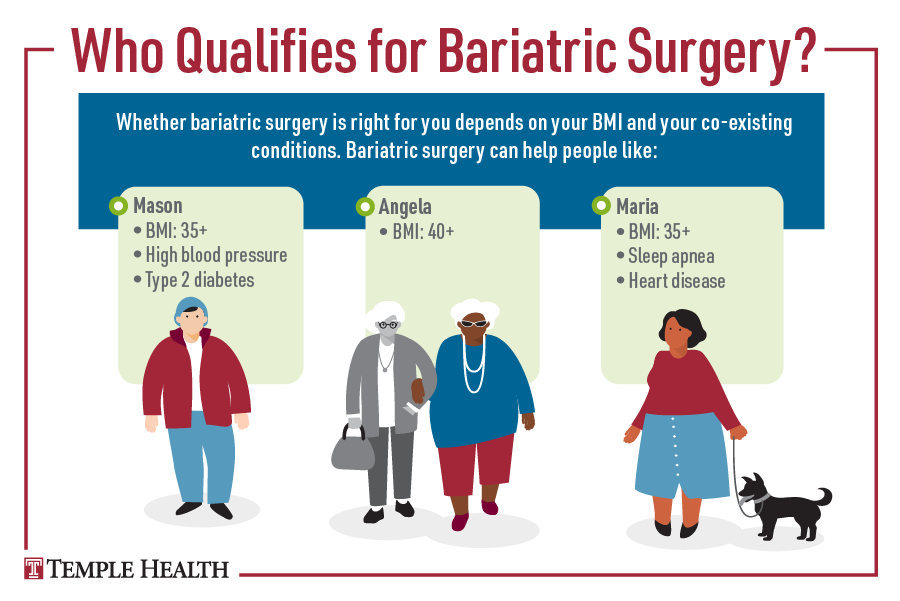
Credit: www.templehealth.org
Frequently Asked Questions
What Will Qualify Me For Weight Loss Surgery?
To qualify for weight loss surgery, your BMI should be over 40, or 35 with related health conditions. Medical history, previous weight loss attempts, and psychological readiness are also evaluated. A healthcare professional will assess if surgery is suitable for you.
How Do I Know If I’m Eligible For Weight Loss Surgery?
Eligibility for weight loss surgery depends on BMI, health conditions, and doctor’s evaluation. Typically, a BMI of 40+, or 35+ with serious health issues, qualifies. Consult a healthcare provider for personalized assessment. Your commitment to lifestyle changes is crucial for successful surgery outcomes.
Is It Hard To Get Approved For Weight Loss Surgery?
Getting approved for weight loss surgery can be challenging. Criteria include medical history, BMI, and psychological evaluation. Consult with a healthcare provider to determine eligibility.
What Disqualifies You From Weight Loss Surgery?
Certain conditions disqualify you from weight loss surgery. These include severe heart disease, uncontrolled mental health issues, or substance abuse. Lack of commitment to lifestyle changes also affects eligibility. Always consult with a healthcare professional for personalized advice.
Conclusion
Taking the weight loss surgery quiz can help you decide. It’s a simple tool that guides your next steps. Understanding your eligibility is key. Surgery can be life-changing, but it’s not for everyone. It’s important to consult a doctor. They provide insights tailored to your needs.
Every health journey is unique. This quiz offers clarity on your path. Remember, your health is a priority. It’s about finding what suits you best. Explore options and make informed choices. Your well-being matters most. With knowledge, you can take confident steps.








