
Have you ever felt like life’s challenges are piling up, making it hard to keep your balance? You’re not alone.
Decompensation in mental health is when the mental and emotional stress becomes overwhelming, and your usual coping mechanisms start to crumble. It’s a critical topic that affects many, yet often goes unnoticed until it’s too late. Understanding decompensation is key to regaining control and finding your way back to stability.
You’ll discover what decompensation looks like, why it happens, and most importantly, how to recognize the signs early. By the end, you’ll have practical tools to protect your mental health and help those around you. Ready to take a step towards a healthier mind? Let’s dive in.
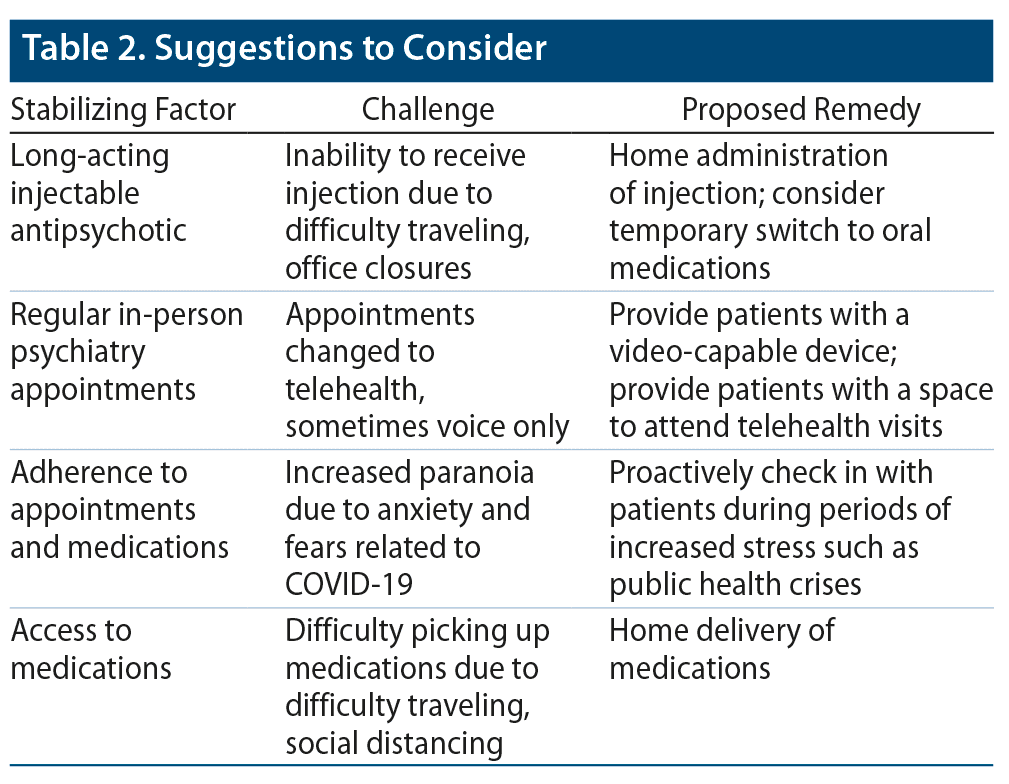
Credit: www.psychiatrist.com
Understanding Decompensation
Decompensation in mental health signals a person’s inability to cope with stress, leading to worsened symptoms. This state can manifest in various ways, including emotional instability or severe anxiety. Understanding these signs is crucial for timely intervention and support.
Understanding decompensation in mental health is crucial for recognizing when someone might be struggling. Decompensation refers to the deterioration of mental health when a person’s coping mechanisms fail under stress. This breakdown can have profound effects on one’s mental and emotional state, making it essential to understand its underlying causes and impacts.Definition And Causes
Decompensation occurs when stressors overwhelm a person’s ability to cope, leading to a decline in mental stability. It can manifest through heightened anxiety, depression, or even psychosis. Factors contributing to decompensation can include major life changes, chronic stress, or unresolved trauma. Think about a time when life felt too overwhelming. You might have felt out of control or unable to handle daily tasks. This is the tipping point that characterizes decompensation.Impact On Mental Health
The impact on mental health can be severe and multifaceted. It often leads to increased symptoms of existing mental health conditions, making everyday life challenging. Social withdrawal, decreased productivity, and difficulty in maintaining relationships are common effects. Imagine trying to run a marathon with a sprained ankle. That’s how handling life feels when you’re experiencing decompensation. Mental health professionals can help you regain your footing and find new coping strategies. How would you recognize if you or a loved one is starting to decompensate? Spotting early signs can make a difference. Pay attention to sudden changes in mood, behavior, or energy levels. Seeking help early can prevent further decline and promote recovery.
Credit: www.osmosis.org
Identifying Early Warning Signs
Decompensation in mental health can be a gradual process. Spotting early signs can help in managing the situation effectively. Understanding these signs can lead to timely interventions. Let’s explore how to identify these early indicators.
Behavioral Changes
Behavioral changes are often the first sign of decompensation. You might notice withdrawal from social activities. A person may lose interest in hobbies they once loved. Sudden changes in sleep patterns can also occur. Increased irritability or aggression might become evident.
Emotional Indicators
Emotional indicators are crucial in recognizing mental health issues. Feelings of overwhelming sadness or anxiety could emerge. Mood swings might become more frequent and intense. A person may struggle to find joy in everyday activities. Emotional responses could become exaggerated or unpredictable.
Cognitive Symptoms
Cognitive symptoms provide insight into mental health decompensation. Difficulty concentrating is a common sign. Memory issues might start affecting daily tasks. Decision-making could become challenging. A person may feel disconnected from reality.
Common Triggers
Stress, trauma, and chronic illness often trigger mental health decompensation. Major life changes and substance abuse can worsen symptoms. Recognizing these triggers early helps in managing mental health effectively.
Decompensation in mental health refers to the worsening of symptoms. It can be triggered by various factors. Understanding these triggers is key to managing mental health effectively. Recognizing them early can prevent severe episodes. Let’s explore some common triggers.Stress And Anxiety
Stress and anxiety can cause mental health to decline. Daily pressures build up over time. They can lead to feelings of being overwhelmed. Work deadlines, family issues, and financial problems are common stressors. Anxiety can amplify these stresses. It might cause emotional imbalance. Managing stress and anxiety is crucial for mental stability.Life Transitions
Life transitions can impact mental health significantly. Moving to a new city or starting a new job can be stressful. These changes might disturb regular routines. They can lead to feelings of uncertainty. Even positive changes like marriage can trigger stress. Adaptation takes time and energy. It can strain mental health resources.Substance Abuse
Substance abuse is a major trigger for mental health issues. Alcohol and drugs alter brain chemistry. They can worsen existing conditions or create new ones. Dependency can make emotional regulation difficult. Withdrawal symptoms can be severe. They might lead to panic or depression. Staying away from harmful substances is essential.Strategies For Early Intervention
Decompensation in mental health can be challenging. Early intervention is crucial. It helps prevent further deterioration. These strategies can guide you in addressing early signs. They focus on seeking help, building support, and developing skills.
Seeking Professional Help
Professional help is vital for early intervention. Therapists offer guidance and support. They help identify triggers and provide coping strategies. Regular sessions can make a difference. Don’t hesitate to reach out when needed.
Developing Coping Mechanisms
Coping mechanisms are essential for managing stress. Simple techniques like deep breathing help calm the mind. Journaling allows expression of thoughts and feelings. Mindfulness practices improve focus and reduce anxiety. These skills aid in maintaining mental balance.
Building A Support System
A strong support system is invaluable. Family and friends offer emotional support. Sharing experiences helps lighten the burden. Support groups connect you with others facing similar challenges. Together, you can navigate the journey to mental well-being.
Role Of Healthcare Providers
Decompensation in mental health can be challenging. Healthcare providers play a crucial role. They help identify and manage symptoms effectively. Their expertise ensures patients receive proper care and support. This section discusses their role in assessment and treatment planning.
Assessment And Diagnosis
Healthcare providers start with a thorough assessment. They look at the patient’s history and symptoms. This helps in understanding the patient’s mental state. Providers use standardized tools for accurate diagnosis. These tools ensure consistency and reliability. The right diagnosis is vital for effective treatment.
Treatment Planning
Once diagnosed, a treatment plan is essential. Healthcare providers create personalized plans. They consider the patient’s needs and preferences. These plans may include medication and therapy. Regular monitoring helps track progress. Adjustments are made as needed. This ensures the treatment remains effective over time.
Support For Caregivers
Caring for someone with mental health issues is challenging. Decompensation adds stress. Caregivers need support too. They play a crucial role in providing care. Stress and exhaustion often overwhelm them. This section highlights caregiver support. It offers practical advice and resources.
Recognizing Caregiver Stress
Caregiver stress is common. Watch for signs like irritability or fatigue. Feeling overwhelmed or anxious is another sign. Loss of interest in activities may occur. Physical symptoms like headaches or insomnia are red flags. Recognize these signs early. Taking steps to manage stress is vital. Self-care is not selfish. It’s necessary.
Resources And Support Networks
Various resources support caregivers. Local support groups offer a sense of community. Online forums connect caregivers worldwide. Sharing experiences reduces loneliness. Mental health organizations provide valuable information. They offer guidance and support. Counseling services are available too. Professional help can ease stress. Hotlines offer immediate support. They provide a listening ear. Explore these resources for relief.
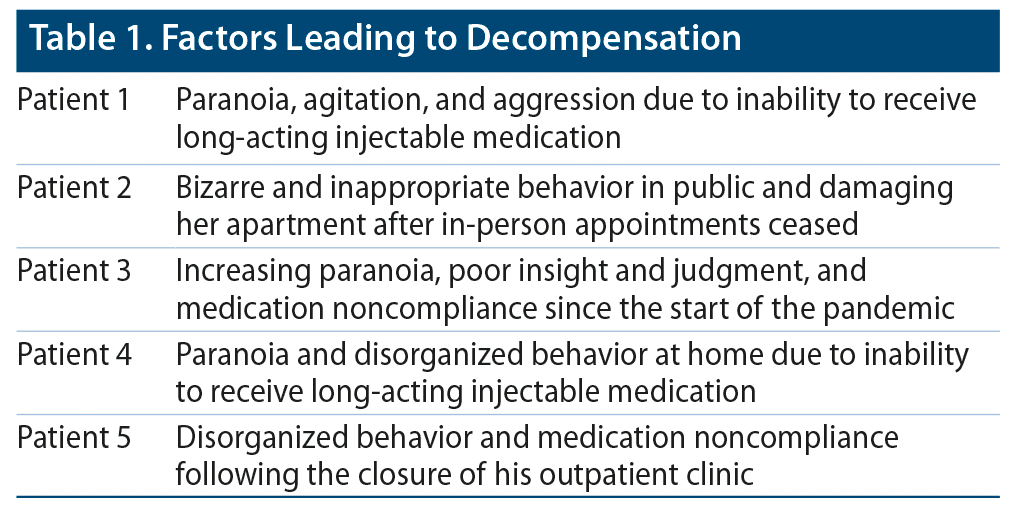
Credit: www.psychiatrist.com
Frequently Asked Questions
What Does Decompensation Mean In Mental Health?
Decompensation in mental health refers to a decline in psychological functioning, causing symptoms to worsen or reappear. This can result from stress or inadequate coping mechanisms. Early intervention and support are crucial to manage and stabilize mental health conditions effectively.
What Behavior Would Indicate Decompensating?
Decompensating behavior includes increased confusion, difficulty breathing, sudden mood changes, fatigue, or inability to perform daily tasks. These signs suggest worsening health. Prompt medical evaluation is crucial to address these symptoms effectively.
What Does Decomposing Mean In Mental Health?
Decomposing in mental health refers to the breakdown of psychological stability. It often results in increased stress, anxiety, or emotional distress. Symptoms may include confusion, disorganization, or inability to cope with daily life. Seeking support from mental health professionals can help individuals manage and recover from decomposing states.
What Happens When A Person Is Decompensated?
Decompensation occurs when the body can’t maintain normal function. It leads to symptoms worsening, organ failure, or distress. Immediate medical attention is often necessary to manage and treat the underlying causes effectively.
Conclusion
Understanding decompensation in mental health is crucial. It affects daily life and wellbeing. Recognizing early signs can prevent further issues. Support from friends and family plays a big role. Professional help can guide recovery. Small steps lead to progress. Awareness is key.
Stay informed about mental health. Simple strategies make a difference. Regular check-ins with oneself can help. Prioritize mental health always. Everyone deserves a healthy mind. Seeking help is a strength. Keep learning about mental health. Encourage open conversations. Together, we can make mental wellness a priority.








