Imagine waking up each day feeling supported, understood, and connected. This is the power of community in shaping your mental health.
You’re not alone in your struggles or triumphs, and being part of a community can make a world of difference. Think about those moments when a simple conversation with a friend lifted your spirits. Now, imagine amplifying that support through a network of individuals who genuinely care about your well-being.
Community isn’t just about the people around you; it’s about the collective strength that can help you face challenges, build resilience, and enhance your mental health. Are you curious about how your community can be a pivotal part of your mental wellness journey? Dive in to discover how the bonds you form and nurture can lead to a healthier, happier you.
The Role Of Community In Mental Health
Mental health affects every aspect of life. From emotions to relationships. A strong community can greatly influence mental well-being. Communities provide support, understanding, and shared experiences. This connection helps individuals feel less isolated. The strength of a community can improve mental health outcomes.
The Power Of Belonging
Belonging to a community boosts mental health. People feel valued and accepted. This sense of belonging reduces feelings of loneliness. It creates a safety net for emotional support. When people feel they belong, stress levels decrease. Happiness and life satisfaction increase.
Shared Experiences And Understanding
Communities offer shared experiences. People relate to each other’s struggles and triumphs. This shared understanding fosters empathy. It makes people feel heard and understood. Empathy strengthens mental resilience. It builds a strong foundation for personal growth.
Support Networks
Communities create support networks. These networks provide emotional and practical help. Whether through advice or a listening ear. Support networks can be formal or informal. Friends, family, or community groups play a role. Knowing help is available eases mental stress.
Access To Resources
A community often provides access to resources. These can be mental health services or educational workshops. Resources empower individuals to seek help. They provide tools to cope with challenges. Access to resources leads to better mental health outcomes.
Encouragement And Motivation
Communities motivate individuals to improve. Positive reinforcement from peers encourages healthy habits. This encouragement boosts self-esteem. It inspires people to maintain their mental health. Supportive environments foster motivation and growth.
Building Resilience
Resilience is vital for mental health. Communities help build resilience through collective strength. Facing challenges together makes individuals stronger. Resilient communities adapt to changes. They support each other in overcoming adversity.
Social Support Systems
Social support systems are the backbone of mental health. They provide a safety net during challenging times and a source of joy during good times. When you have people to rely on, you feel more resilient and capable of facing life’s ups and downs. Let’s dive into some key components of social support systems that can significantly impact your mental wellbeing.
Family And Friends
Your family and friends are often the first line of support. They know you best and can offer comfort and guidance. A simple phone call from a loved one can lift your spirits and remind you of your worth.
Imagine a day when everything seems to go wrong. A heartfelt conversation with a friend can be the turning point. Their words may not solve your problems, but they make them easier to bear.
How often do you reach out to your family and friends when you’re feeling low? It’s important to nurture these relationships regularly, not just when you need help.
Community Groups
Community groups offer a sense of belonging. Whether it’s a local book club, sports team, or volunteer organization, these groups provide opportunities to connect with others.
Participating in community activities can introduce you to new perspectives and skills. You might find unexpected allies who share your interests and challenges.
Have you considered joining a group in your area? It’s a great way to expand your support network and meet people who enrich your life.
Peer Support Networks
Peer support networks are unique because they connect you with individuals who truly understand your experiences. Whether it’s a mental health group or an online community, these networks offer empathy and shared understanding.
Hearing stories from others who have faced similar struggles can be empowering. It reminds you that you’re not alone and that overcoming adversity is possible.
Do you have access to peer support networks? If not, exploring online forums or local meet-ups can be a starting point for building connections with people who resonate with your journey.
Social support systems are essential to mental health, providing comfort, understanding, and a sense of belonging. By strengthening these connections, you can enhance your mental wellbeing and build resilience for life’s challenges.
Impact Of Community Engagement
Community engagement plays a vital role in mental health. Being part of a community offers support and connection. It fosters a sense of belonging. This involvement positively impacts emotional well-being. Engaging with others can reduce stress and anxiety. It builds resilience and enhances overall mental health.
Volunteering And Mental Well-being
Volunteering contributes significantly to mental well-being. Helping others provides a sense of purpose. It boosts self-esteem and confidence. Volunteering offers opportunities to connect with people. These interactions reduce feelings of loneliness. It encourages positive emotions and personal growth. It also provides a break from daily routines. This change helps refresh the mind.
Local Initiatives And Programs
Local initiatives promote mental health in communities. These programs offer resources and support. They provide spaces for social interaction. Workshops and activities engage community members. They focus on improving mental health awareness. Participating in local programs fosters a sense of unity. It helps build stronger community bonds. These initiatives often include counseling and support groups. They aim to address mental health challenges.
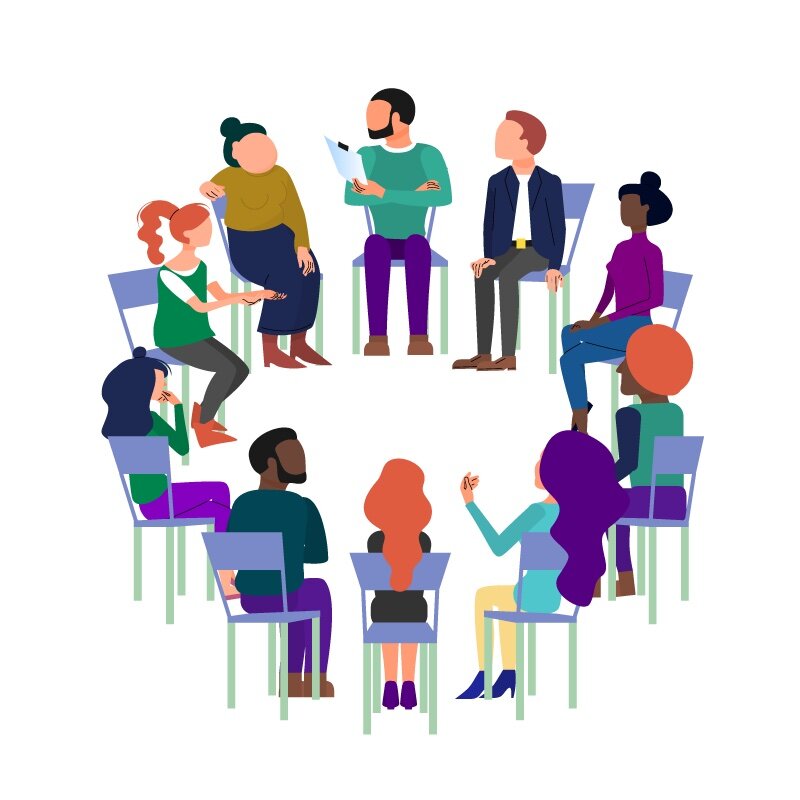
Credit: www.secondwavemedia.com
Building Resilience Through Connection
Strong community ties boost mental health. Supportive interactions help individuals overcome challenges, fostering resilience and emotional well-being. Connection leads to a sense of belonging and shared strength.
Building resilience through connection is more than just a buzzword. It’s a lifeline for many people navigating the complexities of mental health. By fostering meaningful relationships, you can create a support system that helps you bounce back from life’s challenges. These connections enhance emotional well-being and provide a sense of community that can be incredibly empowering.Strengthening Emotional Bonds
Emotional bonds aren’t just about having someone to talk to; they’re about creating a safe space for genuine expression. When you share your thoughts and feelings openly, you invite others to do the same. This exchange can strengthen your resilience by providing emotional support during tough times. Consider a friendship where you both feel comfortable sharing your struggles. That trust can be a fortress against mental health challenges. Being vulnerable with someone who listens can be a powerful tool for emotional stability. Have you ever felt that sense of relief after a heartfelt conversation? That’s the magic of emotional bonds, a simple yet profound way to strengthen your mental health.Fostering A Sense Of Belonging
Feeling like you belong is crucial for mental well-being. When you’re part of a community, you gain a network of people who understand and accept you. This acceptance can be a powerful antidote to loneliness and isolation. Engaging in community activities or support groups can enhance your sense of belonging. Whether it’s joining a local club or participating in a neighborhood event, these interactions offer opportunities to connect with others. Think about a time when you felt truly part of something bigger than yourself. That feeling is not just comforting; it’s an essential component of resilience. How can you create more of those moments in your life? By nurturing emotional bonds and a sense of belonging, you can build a resilient support system. It’s not just about having people around; it’s about having the right people who uplift and understand you. How will you strengthen your connections today?Challenges In Community Mental Health
Community mental health faces many challenges today. Access to services remains limited, affecting those in need. Stigma surrounding mental health issues often prevents individuals from seeking help. Support systems are crucial for improving mental well-being in community settings.
Challenges in Community Mental Health Community mental health plays a crucial role in supporting individuals facing mental health issues. However, it is fraught with challenges that can hinder its effectiveness. Understanding these challenges is vital if you want to contribute positively to mental health in your community. Let’s explore some of the key hurdles.Stigma And Awareness
Stigma remains a significant barrier in community mental health. Many people feel ashamed or embarrassed to seek help due to societal judgments. This fear prevents individuals from accessing necessary support, worsening their conditions. Awareness campaigns can help combat stigma, but they often lack reach and impact. You might have seen posters or social media posts about mental health awareness. How many of those truly changed your perspective or compelled you to act? Take a proactive role in your community. Share your personal experiences with mental health. Encourage open discussions to normalize seeking help.Access To Resources
Accessing mental health resources can be a daunting task. Many communities lack adequate facilities, trained professionals, or affordable services. Imagine needing support but finding that the nearest clinic is miles away or that the waiting list is endless. Consider the financial burden associated with therapy sessions or medications. For many, these costs are prohibitive. One way to address this is by advocating for better funding and policies. You can support local initiatives or volunteer to help expand available resources. Even small actions can lead to change. Access is not just about availability; it’s about making sure resources are within reach for everyone. Are you aware of local mental health services? If not, it’s time to start looking.These challenges are significant but not insurmountable. By recognizing them and taking action, you can help foster a supportive and inclusive community.
Innovative Community Strategies
Community mental health thrives through innovative strategies. Local programs offer support and foster connections among individuals. These initiatives improve well-being and create a nurturing environment.
Innovative community strategies are reshaping how we approach mental health. Communities worldwide are coming together, using creative and impactful methods to foster a supportive environment for mental well-being. Let’s dive into some of these strategies and see how they can make a difference in your community.Digital Platforms And Mental Health
Digital platforms are playing a crucial role in mental health support today. They offer anonymity, making it easier for individuals to share their experiences without fear of stigma. Apps and online forums can connect you with others facing similar challenges, providing a sense of belonging. Consider joining an online support group. These platforms can offer real-time advice and resources from mental health professionals. They are often accessible 24/7, fitting into your schedule whenever you need assistance. Do you find it easier to open up online than in person? Digital platforms might just be the right fit for you. They remove geographical barriers, giving access to support regardless of your location.Collaborative Community Projects
Communities are finding strength in collaboration to promote mental health. Local organizations, schools, and businesses are teaming up to create supportive networks. By working together, they can offer more comprehensive resources than any single entity could alone. Imagine a local library hosting mental health workshops in partnership with a nearby clinic. This not only educates the community but also makes resources more accessible. You might discover new local resources just by attending one of these workshops. Have you ever participated in a community project that made a positive impact on your mental well-being? These projects can spark change, encouraging open dialogue and reducing stigma. By getting involved, you can contribute to a supportive community environment. These innovative strategies show that mental health is not just an individual journey but a community endeavor. How will you contribute to this growing movement?The Future Of Community-based Mental Health
Community-based mental health focuses on local support, enhancing accessibility and personalized care. This approach fosters stronger connections, emphasizing collaboration and resilience in mental health management. Future developments aim to integrate technology with community initiatives, ensuring holistic support and improved outcomes.
The future of community-based mental health is promising and transformative. As awareness around mental health grows, communities are taking a pivotal role in ensuring that individuals have access to the support they need. You might wonder how these changes will shape the way mental health services are delivered. Let’s dive into the sustainable practices, policy, and advocacy that are driving this evolution.Sustainable Practices
Sustainable practices in mental health care focus on long-term solutions that benefit both individuals and the community. Imagine a world where mental health resources are not just abundant but are designed to last. Community gardens, for example, are not only a source of fresh produce but also serve as therapeutic spaces for stress relief and social interaction. Energy-efficient facilities can provide mental health services while reducing environmental impact. These spaces often incorporate natural light and green spaces, creating calming environments for therapy and counseling sessions. Such practices not only support mental well-being but also encourage a healthier planet. Have you considered how your community can support these sustainable approaches? By getting involved and advocating for green initiatives, you play a crucial role in shaping the future of mental health services.Policy And Advocacy
Policy and advocacy are the backbone of effective community-based mental health care. With the right policies, communities can ensure that mental health services are accessible and equitable for everyone. You might think that changing policies is a daunting task, but every voice matters. Local advocacy groups often work tirelessly to influence policy changes that prioritize mental health. They organize workshops, community meetings, and even social media campaigns to raise awareness and push for legislative action. Have you ever attended a town hall meeting or signed a petition? These small actions can have a significant impact on mental health policies. Engaging in advocacy can be as simple as sharing your story. Your experiences can highlight the need for better mental health services and inspire others to join the cause. What steps can you take today to support mental health advocacy in your community? As you reflect on these ideas, consider the role you can play in the future of community-based mental health. Sustainable practices and strong policies are essential, but they require active participation from individuals like you. Together, we can create a supportive and inclusive environment for all.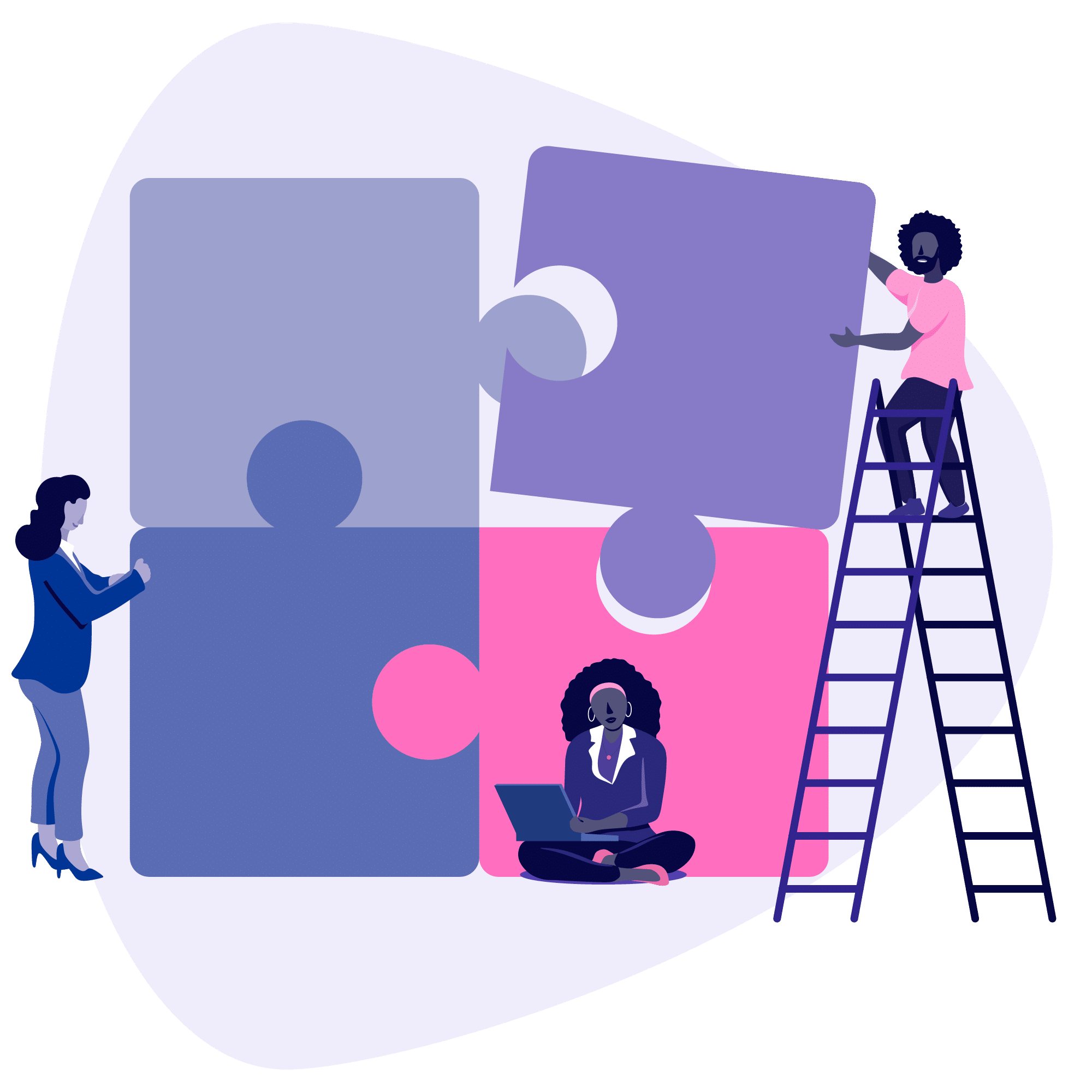
Credit: iristelehealth.com

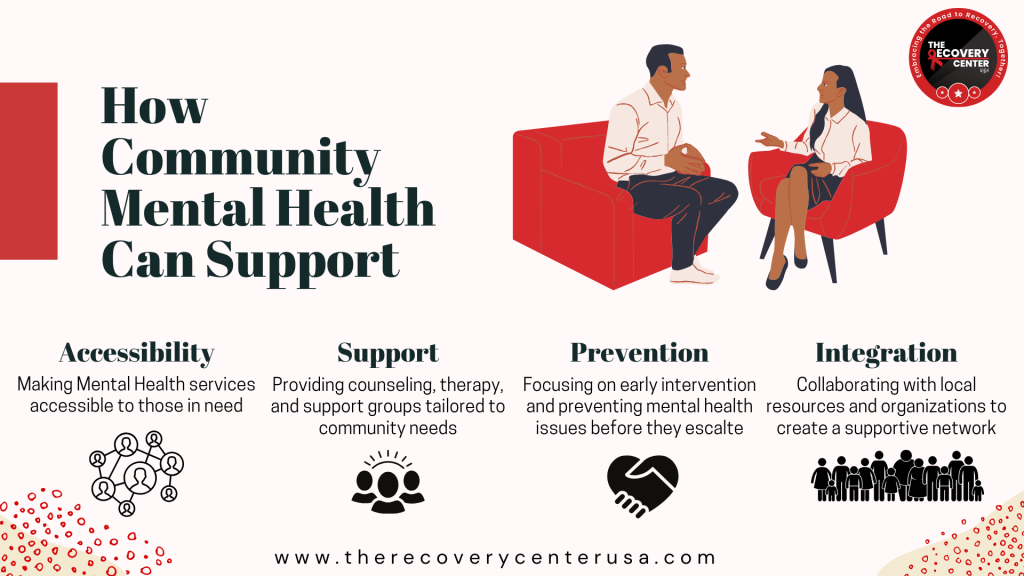
Credit: therecoverycenterusa.com
Frequently Asked Questions
How Does Community Impact Mental Health?
Community offers support, reducing stress and anxiety. Social connections enhance emotional well-being and promote positive mental health. Engaging in community activities fosters a sense of belonging and purpose. Strong social networks can help prevent loneliness and depression. Positive community interactions boost self-esteem and resilience, improving overall mental health.
What Is The Community Aspect Of Mental Health?
The community aspect of mental health involves support networks, social connections, and shared resources. It encourages open conversations, reduces stigma, and fosters a sense of belonging. Engaging in community activities can improve mental well-being and resilience. Access to community services and support groups plays a crucial role in mental health maintenance.
What Is The Role Of Community In Mental Health Recovery?
Community offers support, understanding, and connection, vital for mental health recovery. It reduces isolation and encourages positive coping strategies. Support groups, friends, and family play a crucial role in fostering resilience and hope. Engaging with community services enhances recovery by promoting social interaction and shared experiences.
How Does Community Service Help Your Mental Health?
Community service boosts mental health by reducing stress and increasing happiness. It fosters a sense of purpose and connection. Engaging in volunteer work enhances self-esteem and combats loneliness, leading to improved overall well-being. Helping others triggers positive emotions, promoting mental clarity and resilience.
Conclusion
Community support strengthens mental health. Strong connections make us feel less alone. They provide understanding and comfort. Sharing experiences builds trust and safety. It’s vital for mental wellness. Simple acts of kindness can uplift spirits. Encouragement fosters resilience and hope.
Everyone plays a role in this. We can all contribute positively. Start with small steps today. Listen, support, and be there. Positive change begins with us. Together, we create a healthier world. Prioritize community and mental health. It benefits everyone involved.
Seek out local support groups. Engage in community activities. Your involvement makes a difference. Let’s nurture this vital connection.








