Have you ever noticed how a splash of color can instantly change your mood? Imagine walking into a room painted in calming blues or vibrant yellows.
Instinctively, you feel a shift in your emotions. This isn’t just in your imagination—colors have a profound impact on your mental health. They can soothe, energize, or even stress you out. Understanding how different hues influence your mind can be a game-changer.
With the right colors, you can design spaces that nurture your well-being and boost your mental clarity. Curious to learn which colors can transform your mood? Dive in to discover how you can harness the power of colors to enhance your mental health and create a more balanced life.
The Power Of Color
The power of color is more than just visual appeal; it’s a tool for mental wellness. Colors can influence mood, emotions, and even decisions. Imagine walking into a room painted in soft blue and feeling instantly calm. This isn’t just coincidence—colors have a profound impact on our mental health.
The Science Behind Color
Colors impact your brain in fascinating ways. Research shows that different colors can trigger emotional responses. For instance, red can increase heart rate, while green often brings a sense of peace. Understanding this can help you make choices in your environment that enhance your mood.
Colors And Emotions
Have you ever felt happier in a bright yellow room? That’s not unusual. Yellow is associated with warmth and cheerfulness. Meanwhile, blue is linked to calmness and focus. You can use these insights to create spaces that align with your emotional needs.
Using Color In Daily Life
Consider the colors in your home or workspace. Are they helping your mental health? You might find that adding green plants or changing a wall to a calming shade improves your mood. Small changes can make a big difference.
Personal Experience With Color
I once painted my office a soft green after reading about its calming effects. The change was immediate. I felt more relaxed and focused in the space. Have you ever tried using color to change your mood? It’s worth experimenting with.
Practical Tips For Choosing Colors
- Choose blue for calm and focus in study areas.
- Use yellow in social spaces to boost happiness.
- Add green in relaxation zones to promote peace.
How do you feel about the colors around you? Consider experimenting with different shades to see how they affect your mood. You might be surprised by the results!
Color Psychology Basics
Color psychology explores how different hues impact human emotions and behavior. Understanding these effects helps improve mental health. Colors influence mood, productivity, and even physical health. This section delves into how colors affect mental states.
How Colors Affect Mood
Colors can evoke various emotions. Warm colors like red and yellow often energize and excite. They can increase heart rate and stimulate mental alertness. Cool colors such as blue and green tend to calm and relax. They are associated with tranquility and peace.
Neutral colors, including white and gray, offer a sense of balance. They can create feelings of stability and neutrality. Bright colors might uplift the mood, while dark shades could induce sadness. Each color carries its own psychological impact.
Cultural Differences In Color Perception
Color meanings vary across cultures. In Western cultures, white often symbolizes purity. In some Asian countries, it represents mourning. Red can mean love and passion in one region, but danger or caution in another.
Green may symbolize growth in many places. Yet, it can mean envy or jealousy elsewhere. Blue is generally seen as trustworthy, but in some areas, it may indicate sadness. Cultural context shapes how colors affect perception.
Colors For Relaxation
Colors have a profound impact on mental health. Some colors can help us relax. They soothe the mind and calm the soul. These calming hues create a peaceful environment. They are perfect for unwinding after a long day. Let’s explore the best colors for relaxation.
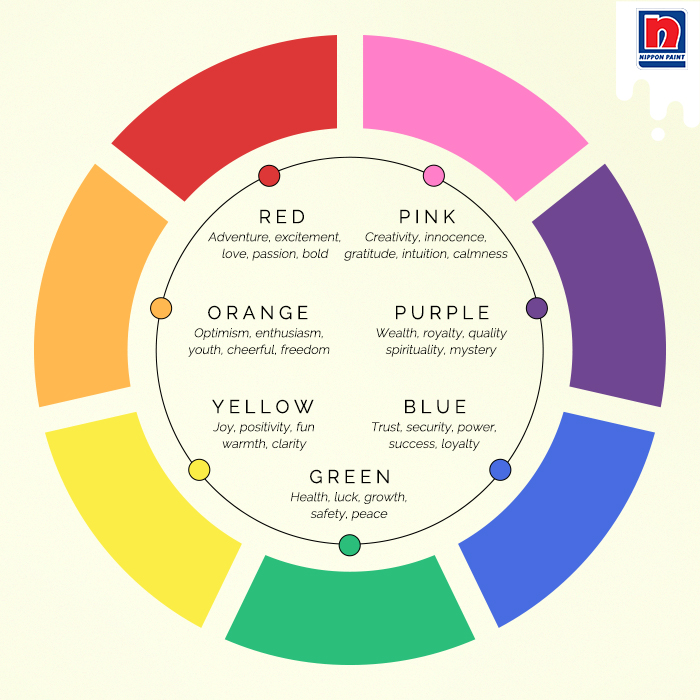
Soothing Blues
Blue is a cool color. It reminds us of the sky and sea. These natural elements bring peace to the mind. Light shades of blue are best for relaxation. They make us feel calm and serene. Blue can reduce stress and lower anxiety. It is a popular choice in bedrooms. Paint your walls blue for a restful night.
Calming Greens
Green is linked to nature. It represents growth and renewal. This color relaxes the eyes. It is gentle and refreshing. Green promotes balance and harmony. It reduces tension and brings comfort. It is an ideal color for meditation spaces. Surround yourself with green plants for a calm atmosphere.
Peaceful Purples
Purple is a regal color. It symbolizes luxury and wisdom. Light purple tones are calming. They promote a sense of tranquility. Purple can soothe the mind and reduce stress. It is often used in spas and relaxation areas. Add purple accents to your decor. Feel the peace it brings.
Credit: nipponpaint.com.sg
Energizing Colors
Colors have a profound impact on our mental well-being. Energizing colors can uplift your mood and boost motivation. They bring warmth and vibrancy to your environment. Explore these hues to find which resonates with you.
Vibrant Reds
Red is a powerful and dynamic color. It stimulates energy and excitement. This color can increase heart rate and blood flow. Use red for a quick mental boost. It’s best in moderation, as too much can overwhelm.
Stimulating Yellows
Yellow is the color of optimism and joy. It enhances concentration and creativity. Bright yellows can make you feel more alert. It’s perfect for spaces where you need focus. A splash of yellow can uplift your spirits.
Invigorating Oranges
Orange combines the energy of red and the cheerfulness of yellow. This hue increases enthusiasm and draws attention. Orange can inspire social interactions and communication. It’s great for spaces designed for teamwork and collaboration.
Using Colors In Your Environment
Colors play a vital role in our mental well-being. The hues surrounding us can influence our mood and emotions. Using colors thoughtfully in your environment can create a positive atmosphere. This blog explores how to incorporate colors in different spaces to enhance mental health.
Home Decor Tips
Choose soothing colors for your home. Soft blues and greens promote relaxation. They are perfect for bedrooms and living areas. Warm tones like yellows and oranges can add a sense of comfort. Consider these for kitchens or dining spaces. These colors can make home feel inviting.
Office Space Enhancements
Office environments benefit from color too. Cool tones like blue and green enhance focus. Use them in workspaces to boost productivity. Bright colors like yellow can inspire creativity. Add them in brainstorming areas. Neutral shades like gray can maintain balance. They create a professional look.
Personal Style And Fashion
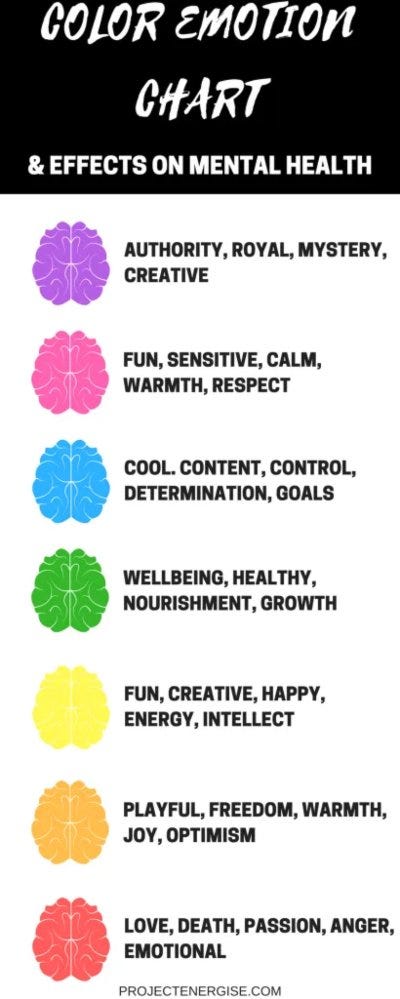
Fashion choices impact how we feel. Wear colors that uplift your mood. Bright colors like red and orange can energize. Pastels and soft hues bring calm. Choose colors that reflect your personality. They can boost your confidence. Make mindful choices to support mental health.
Credit: medium.com
Color Therapy Techniques
Color therapy techniques use hues to boost mental health. Bright colors like yellow can uplift mood and energy. Softer shades, like blue, help calm and reduce stress.
Color therapy, also known as chromotherapy, is a fascinating approach to improving mental well-being. It involves using colors to affect your mood and emotions positively. Whether you’re feeling down or stressed, colors can offer comfort and healing. But how does it work, and can you try it at home?Chromotherapy Explained
Chromotherapy is based on the idea that colors can influence your mental state. Each color has a different vibration and energy. Red is often associated with energy and passion, while blue can bring calm and peace. In a therapy session, practitioners might use colored lights or visualizations to balance your body’s energy. Have you ever noticed feeling more relaxed in a blue-painted room? That’s chromotherapy in action.Diy Color Therapy Practices
You don’t need to visit a specialist to enjoy the benefits of color therapy. Try these simple practices at home: – Color Breathing: Sit comfortably and close your eyes. Visualize a color that you feel drawn to. Imagine breathing it in, filling your body with its energy. Exhale any tension or stress. Repeat for a few minutes. – Color Journaling: Use colored pens to express your feelings. Let your mood guide your choice of color. Write about your day using colors that match your emotions. – Colorful Spaces: Add colored items to your living space. A green plant can bring freshness, while a yellow pillow can uplift your spirits. What colors make you feel good? By integrating these techniques into your daily routine, you can harness the power of colors for a happier, more balanced life. What colors will you invite into your world today?Case Studies And Success Stories
Exploring colors can improve mental health. They affect mood, thoughts, and feelings. Case studies show calming blues and greens reduce stress. Bright yellows and oranges boost happiness and energy. Success stories highlight how colors enhance therapy and healing environments.
Case Studies and Success Stories Colors have a profound impact on our mental well-being, influencing emotions and moods in ways we might not immediately recognize. Many people have shared stories of how embracing certain colors has transformed their mental health. Let’s delve into real-life examples and expert opinions to understand how colors can be a tool for mental wellness.Real-life Examples
Consider Sarah, a young professional battling anxiety. She decided to repaint her home office in soft shades of blue. This choice wasn’t random. Blue is often linked with calmness and serenity. Within weeks, Sarah noticed a significant decrease in her anxiety levels during work hours. The simple act of changing her environment’s color helped her create a more peaceful space. Another story comes from James, who struggled with seasonal depression. He incorporated bright yellow accents in his living room, inspired by the sun’s energizing effect. These changes lifted his spirits, making the winter months more bearable. These transformations show how color choices can be intentional acts of self-care.Expert Opinions
Psychologists and interior designers often emphasize the importance of color in mental health. Dr. Emily Carter, a psychologist, suggests that different colors can evoke specific emotional responses. “Choosing colors that resonate with your mental state can be therapeutic,” she says. For instance, green is associated with balance and harmony, making it a popular choice for meditation spaces. Interior designer Lily Chen recommends using color strategically. “Consider the purpose of each room,” she advises. “Warm colors like red and orange can stimulate and energize, while cooler tones like blue and green can promote relaxation.” These expert insights highlight the potential of color to enhance mental well-being through thoughtful design. Does the color of your surroundings affect your mood? Have you ever noticed a change in your emotions after spending time in a particular space? These questions can guide you in experimenting with colors to support your mental health journey.Choosing The Right Colors For You
Choosing the right colors for your mental health is more than just picking shades that are pleasing to the eye. It’s about understanding how certain hues can influence your mood and well-being. Colors have the power to evoke emotions, and selecting the right ones can make a significant difference in your daily life.
Personal Preferences
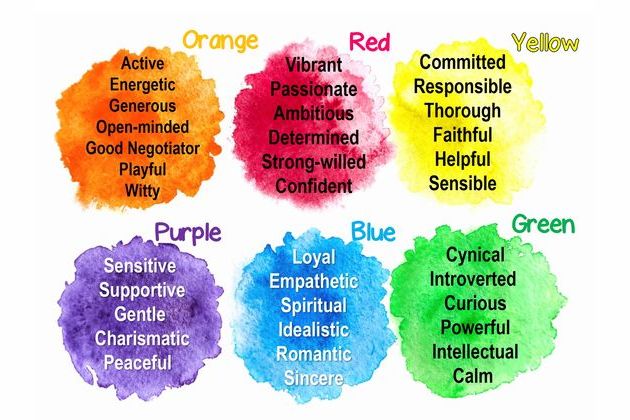
Consider what colors naturally draw you in. Which hues make you feel at ease? Some people find comfort in soft blues, while others might feel energized by bright yellows. Think about the colors in your favorite spaces. What do they say about your personality?
Reflect on past experiences. Did a particular color in your childhood home make you feel relaxed? It’s fascinating how personal memories can shape our preferences. You might discover that your favorite color now has roots in your past.
Tailoring Colors To Your Needs
Think about your current emotional needs. Are you seeking calm or energy? If you need tranquility, colors like soft greens and blues can help. If you’re craving motivation, vibrant reds or oranges might be beneficial.
Consider the space where you’ll use these colors. In your bedroom, calming shades can enhance rest. In your workspace, stimulating colors can boost productivity. Choose colors based on how you want to feel in each area.
Ask yourself what you want your environment to achieve. Are you looking to create a sanctuary or a lively atmosphere? Your color choices can be tailored to meet these goals. Which colors will help you create the ambiance you desire?
Credit: templescounsel.com
Frequently Asked Questions
What Color Represents Mental Health?
Green symbolizes mental health awareness. This color represents hope, renewal, and the importance of mental well-being. It encourages open conversations and reduces stigma surrounding mental health issues. Green ribbons are often worn to show support for mental health initiatives and promote awareness globally.
What Are The 4 Psychological Colors?
The four psychological colors are red, blue, yellow, and green. Red evokes passion and energy. Blue is calming and trustworthy. Yellow stimulates optimism and creativity. Green represents balance and growth. These colors influence emotions and perceptions, making them powerful tools in marketing and design.
What Color To Wear For Mental Health?
Wearing green can promote calmness and balance, supporting mental health. Blue is also soothing, reducing stress and anxiety. Yellow boosts mood and positivity. Choose colors that resonate with personal comfort and happiness.
What Are The 9 Emotion Colors?
The 9 emotion colors are red, blue, green, yellow, orange, purple, pink, black, and white. Red represents passion, blue symbolizes calmness, green signifies growth, yellow conveys happiness, orange indicates energy, purple stands for creativity, pink denotes love, black represents mystery, and white symbolizes purity.
Conclusion
Colors can greatly influence our mental health. Different hues affect our mood. Blue often calms the mind. Yellow can boost happiness. Green brings balance and peace. Choose colors that soothe your senses. Surround yourself with hues that promote positivity. Experiment with different shades.
Find what works best for you. Remember, colors are powerful. They can change how you feel. Use them wisely to support your mental well-being. Create a space that feels just right. Let colors be your silent helpers. Your mood might thank you.








