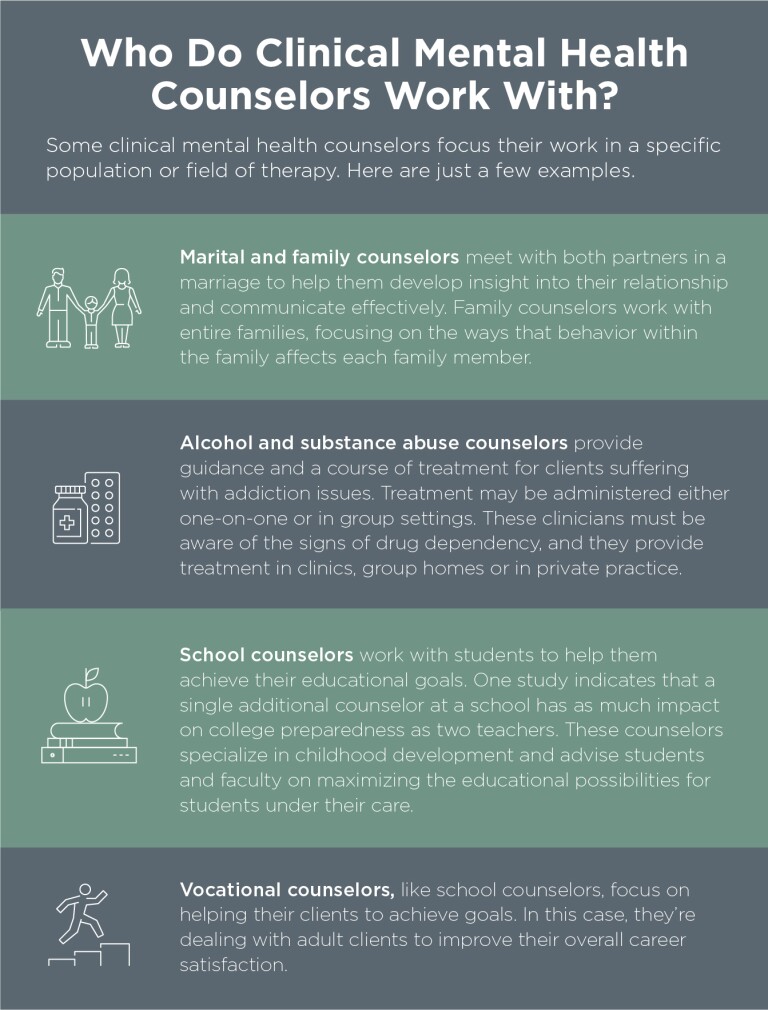
Are you feeling overwhelmed by life’s challenges and seeking a path to emotional well-being? A clinical mental health counselor could be the key to unlocking a healthier, more balanced life.
Imagine having a dedicated professional who listens, understands, and guides you through your mental health journey. This isn’t just about therapy; it’s about partnering with someone who truly cares about your mental health. You will discover what a clinical mental health counselor does and how they can make a profound difference in your life.
Whether you’re dealing with stress, anxiety, or seeking personal growth, understanding their role could be the first step toward a brighter future. Are you ready to explore the possibilities of transforming your mental health with the right support? Read on to uncover how a clinical mental health counselor can help you achieve a more fulfilling life.
Role Of A Mental Health Counselor
Understanding the role of a mental health counselor is crucial. They serve as guides for those grappling with emotional and psychological challenges. These professionals help individuals navigate life’s complexities, offering support and expertise. Their work is vital in fostering mental well-being and resilience.
Understanding Client Needs
Mental health counselors listen closely to understand their clients. They focus on individual needs and experiences. This understanding helps create tailored support strategies. Counselors work to build trust, encouraging open communication.
Providing Therapy And Support
Counselors offer therapy sessions to address mental health issues. These sessions are structured to promote healing and growth. Different approaches are used, such as cognitive-behavioral therapy. Support extends beyond sessions, offering tools for everyday life.
Developing Treatment Plans
Treatment plans are crafted based on client goals. Counselors collaborate with clients to set achievable objectives. These plans guide the therapeutic process, ensuring progress. Adjustments are made as needed, reflecting client development.
Educating And Advocating
Mental health counselors educate clients about mental health. They provide information to empower and inform. Advocacy is another key aspect, promoting mental health awareness. Counselors work to reduce stigma and encourage acceptance.
Collaborating With Other Professionals
Collaboration enhances the effectiveness of mental health treatment. Counselors often work with doctors, social workers, and educators. This teamwork ensures comprehensive care for clients. It enhances the support network available to individuals.
Maintaining Confidentiality And Ethics
Confidentiality is paramount in counseling. Counselors adhere to strict ethical guidelines. Client information is protected, fostering a safe environment. Ethics guide every interaction, ensuring respect and integrity.
Education And Training
Becoming a Clinical Mental Health Counselor is more than just a career choice; it’s a commitment to helping others navigate life’s challenges. Your journey begins with a robust educational foundation and specialized training. This section will guide you through the essential steps you need to take, from academic qualifications to practical experiences that shape your skills. Whether you’re starting out or considering a career shift, understanding the education and training required is crucial.
Understanding Academic Requirements
To embark on this path, a bachelor’s degree in psychology or a related field is your starting point. You’ll learn the basics of human behavior and mental processes. But that’s just the beginning; a master’s degree is where you dive deeper. Programs often cover counseling theories, ethics, and mental health assessment techniques.
Choosing The Right Master’s Program
Not all programs are created equal. Look for accreditation from bodies like CACREP. This ensures the curriculum meets industry standards. You’ll also want to consider specializations that align with your interests, whether it’s family therapy, substance abuse counseling, or trauma recovery.
Gaining Practical Experience
Education isn’t just about books. Internships or supervised clinical experiences are vital. They allow you to apply classroom knowledge in real-world settings. Here, you’ll hone your skills in communication, empathy, and problem-solving.
Licensure And Certification
After your degree, licensure is your next hurdle. This typically involves passing a national exam and fulfilling supervised hours. Each state has different requirements, so check the specifics for your location. Certification can further enhance your credibility and open more opportunities.
Continuous Learning And Professional Development
Even after licensure, the learning doesn’t stop. Workshops, seminars, and online courses are great ways to stay updated on the latest research and techniques. This ongoing education helps you provide the best care to your clients.
Personal Story: A Day In The Life
Imagine waking up each day knowing you’ll make a difference. I once worked with a teenager struggling with anxiety. Through consistent sessions and tailored strategies, they learned to manage their symptoms. Seeing their progress reinforced the importance of solid education and training in this field.
Are you ready to make a difference in someone’s life? Each step in your education and training shapes your ability to connect with and help those in need. Dive into the journey with dedication and curiosity, and you’ll find it rewarding beyond measure.
Core Skills And Competencies
Clinical Mental Health Counselors play a crucial role in emotional well-being. Their skills and competencies are vital for effective therapy. Understanding these core skills helps appreciate their impact.
Assessment And Diagnosis
Counselors assess mental health issues accurately. They identify symptoms through observation and interviews. This skill ensures proper diagnosis and treatment planning. It helps clients receive targeted care.
Interpersonal Communication
Effective communication builds trust with clients. Counselors use active listening to understand needs. They express empathy and provide support. This skill fosters a safe environment for sharing.
Problem-solving Abilities
Counselors guide clients in addressing challenges. They help develop strategies for coping. Problem-solving skills empower individuals to overcome obstacles. Solutions are tailored to fit unique situations.
Ethical Decision-making
Ethics guide every decision counselors make. They maintain confidentiality and respect client rights. Ethical practices ensure safe, respectful therapy. Counselors navigate complex situations with integrity.
Cultural Competency
Counselors understand diverse backgrounds and beliefs. They adapt approaches to meet cultural needs. This competency builds rapport with clients from various cultures. It ensures inclusive and respectful therapy.
Self-care Practices
Counselors prioritize their own mental health. They practice self-care to remain effective. This skill prevents burnout and enhances service quality. Balanced wellness supports better client care.
Therapeutic Techniques
Clinical mental health counselors employ therapeutic techniques to support emotional well-being. Methods like cognitive behavioral therapy help individuals manage stress and anxiety effectively. Counselors tailor approaches to suit unique needs, fostering personal growth and resilience.
Therapeutic techniques are at the heart of a Clinical Mental Health Counselor’s practice. These methods are tailored to meet your unique needs and help you navigate life’s challenges. Whether you’re dealing with anxiety, depression, or relationship issues, a counselor uses these techniques to guide you toward healing and growth. Let’s dive into some of the effective therapeutic techniques that can transform your mental health journey.Understanding Cognitive Behavioral Therapy (cbt)
Cognitive Behavioral Therapy is a widely used approach. It focuses on changing negative thought patterns. You learn to recognize and challenge these thoughts, replacing them with healthier ones. Have you ever caught yourself in a cycle of negative thinking? CBT gives you tools to break free from that cycle. It’s like rewiring your brain for positivity.Embracing Mindfulness Techniques
Mindfulness brings you to the present moment. It helps you become aware of your thoughts and feelings without judgment. Try practicing mindfulness during stressful times. You might find clarity and calmness in situations that once felt overwhelming. How often do you pause to notice your breath or surroundings?Exploring Person-centered Therapy
Person-Centered Therapy emphasizes the relationship between you and your counselor. It fosters an environment of empathy and understanding. Imagine sitting with a counselor who listens deeply. You feel heard and valued, which can be incredibly healing. This technique strengthens your self-esteem and trust.Applying Solution-focused Brief Therapy (sfbt)
Solution-Focused Brief Therapy concentrates on solutions rather than problems. It encourages you to envision a preferred future and identify steps to get there. Consider a time you felt stuck. With SFBT, you focus on what you can do today to move forward. What small change can lead to a big impact in your life?Using Dialectical Behavior Therapy (dbt)
Dialectical Behavior Therapy is especially helpful for emotional regulation. It combines CBT with concepts of mindfulness and acceptance. When emotions feel overwhelming, DBT offers practical skills. You learn to manage intense feelings and improve relationships. How do you cope with emotional storms? Therapeutic techniques empower you on your mental health journey. They offer practical skills and insights, tailored to your needs. Which technique resonates with you the most?Addressing Diverse Needs
Clinical mental health counselors address diverse needs by offering personalized care tailored to each individual. They foster healing through empathy, understanding, and effective communication, ensuring every client feels valued and supported.
Clinical mental health counselors play a vital role in addressing the diverse needs of individuals across different life stages and cultural backgrounds. Whether working with children, adults, or seniors, these professionals tailor their approaches to meet the unique challenges faced by each group. The goal is to provide personalized support that empowers clients to navigate their mental health journeys effectively. But how do counselors adapt their methods to cater to these varied needs?Children And Adolescents
Working with children and adolescents requires creativity and patience. Young minds are still developing, and their emotional understanding can be limited. Counselors often use play therapy to help young clients express themselves. Imagine a child who struggles with anxiety. Through games and storytelling, a counselor can help them articulate their feelings in a safe environment. Parents and guardians are also integral to the process. By involving them, counselors ensure that the support extends beyond the therapy sessions. Have you ever considered how a child’s environment impacts their mental health? Effective counselors do—and they work to foster positive changes at home and school.Adults And Seniors
Adult and senior clients face different challenges. Life transitions, such as career changes or retirement, can significantly impact mental well-being. Counselors guide adults through these shifts by offering strategies to build resilience and adapt. Seniors might deal with issues like loneliness or grief. In these cases, counselors provide support that respects their life experiences. How can you help someone find meaning in later years? Sometimes, it’s as simple as helping them reconnect with hobbies or social activities that bring joy.Multicultural Considerations
Cultural sensitivity is crucial in mental health counseling. Counselors must understand the diverse backgrounds of their clients. This includes acknowledging cultural beliefs, traditions, and values. Picture a counselor working with someone from a different cultural background. They need to be aware of how cultural norms might influence the client’s perception of mental health. Language barriers can also be a challenge. Multilingual counselors or interpreters can bridge communication gaps. Have you ever thought about the impact of culture on mental health? Recognizing these factors helps counselors provide more effective support. By addressing these diverse needs, clinical mental health counselors create a supportive environment that respects individuality. They offer tailored approaches that empower clients, encouraging them to take an active role in their mental health journeys. How can you apply this understanding in your own interactions?
Credit: www.liberty.edu
Collaboration With Other Professionals
Clinical mental health counselors work closely with doctors, social workers, and therapists. This teamwork ensures comprehensive care for clients. Each professional contributes unique insights, enhancing the quality of mental health services.
Collaboration with other professionals is a cornerstone of effective clinical mental health counseling. It ensures that clients receive comprehensive care that addresses all aspects of their well-being. Working in tandem with other experts allows counselors to tap into a wider range of knowledge and skills, enhancing the support they can provide.Building A Strong Network
Creating a robust professional network is essential for any clinical mental health counselor. You might connect with psychiatrists, social workers, and even educators. These relationships can offer fresh perspectives and insights that enrich your practice. Each professional brings unique expertise to the table. By collaborating, you gain access to a wealth of information that can be pivotal in understanding complex cases. Have you ever considered how much more effective your treatment plans could be with diverse input?Effective Communication
Communication is the backbone of successful collaboration. Keeping open lines of dialogue with other professionals ensures everyone is on the same page regarding a client’s care. Clear, concise communication prevents misunderstandings and promotes a cohesive treatment approach. Imagine discussing a challenging case with a psychiatrist and gaining a new outlook on medication management. Such exchanges not only benefit you but also enhance the client’s experience.Interdisciplinary Team Meetings
Participating in interdisciplinary team meetings can greatly enhance your practice. These gatherings allow you to brainstorm solutions and share updates on client progress. They serve as a platform for collaborative problem-solving, often leading to innovative treatment strategies. You might discover that a social worker has insights into community resources that could support your client’s recovery. Do you see how these meetings can open doors to resources you hadn’t considered?Shared Responsibility
Collaboration means sharing responsibility for a client’s well-being. This shared approach ensures that no aspect of a client’s needs is overlooked. It’s about working together to provide the best possible care. Picture a scenario where you and a nutritionist work together to address a client’s eating disorder. Your combined efforts can create a more holistic treatment plan. How can you ensure that every aspect of your client’s care is covered?Continuous Learning
Collaboration offers ongoing learning opportunities. By engaging with other professionals, you stay updated on the latest practices and trends. This continuous learning enriches your skills and enhances your effectiveness as a counselor. Think about the last time you learned a new technique from a colleague. How did it change the way you approach your work? Embracing collaboration means committing to growth and better client outcomes. Collaboration is not just an option; it’s a vital component of exceptional clinical mental health counseling. By working together with other professionals, you can provide the comprehensive, informed care that your clients deserve. How will you strengthen your collaborations moving forward?Challenges In The Field
Clinical Mental Health Counselors face unique challenges, including managing diverse emotional needs and navigating complex mental health issues. They often work with limited resources, requiring creativity and resilience to provide effective support and treatment.
Challenges in the Field Being a Clinical Mental Health Counselor is a rewarding yet challenging career. You are often the lifeline for individuals navigating their darkest moments. But with this responsibility comes a myriad of challenges that can test your resilience and adaptability.Emotional Burnout
A counselor’s work is emotionally taxing. Hearing clients’ struggles day in and day out can lead to emotional burnout. You might find yourself feeling drained or detached, impacting your ability to be effective. To combat burnout, it’s crucial to establish boundaries. Prioritize self-care and seek supervision or peer support when needed.Maintaining Objectivity
Maintaining objectivity can be tough, especially when you relate personally to a client’s situation. Your own biases and experiences can cloud judgment and affect the guidance you offer. It’s important to engage in ongoing self-reflection and training. This helps you keep a clear line between personal feelings and professional responsibilities.Handling Diverse Cases
You’ll encounter clients from various backgrounds and with different mental health issues. Some cases may be beyond your current expertise or comfort zone. Continuing education is essential in this field. Seek out workshops or courses to enhance your understanding of diverse issues. What new skills could you learn to better serve your clients?Ethical Dilemmas
Ethical dilemmas are common in counseling. You might face situations where client confidentiality conflicts with the need to report harm. Navigating these dilemmas requires a strong understanding of ethical guidelines. Regularly review ethical standards and consult with colleagues or supervisors when faced with tough decisions.Managing Administrative Tasks
Apart from counseling, there’s a significant amount of paperwork and administrative duties. These tasks can be overwhelming and take away from client time. Developing efficient systems for documentation can save you time. Consider using digital tools to streamline your workflow. How can you better manage your time to focus more on client care? Understanding and addressing these challenges can help you grow in your role as a Clinical Mental Health Counselor. By equipping yourself with the right tools and strategies, you can not only help others but also ensure your own well-being.
Credit: greatoaksrecovery.com
Impact On Society
Clinical mental health counselors play a vital role in society by offering support to individuals struggling with mental health issues. Their work helps improve emotional well-being, fostering healthier communities and reducing stigma. By providing guidance and therapy, they empower people to lead more balanced and fulfilling lives.
The role of a Clinical Mental Health Counselor stretches beyond individual therapy sessions. These professionals have a profound impact on society, reshaping how communities understand and approach mental health. Their work reduces stigma, enhances community well-being, and fosters environments where people feel supported and understood.Reducing Stigma
Mental health has long been shadowed by stigma, making individuals hesitant to seek help. Clinical Mental Health Counselors play a crucial role in changing this narrative. By openly discussing mental health issues and providing education, they help normalize conversations around mental well-being. Consider a community workshop where a counselor shares stories from clients (with permission) who have successfully managed anxiety or depression. Such real-life examples can dismantle myths and encourage others to seek help. Have you noticed how powerful a story can be in changing your perception? Counselors use personal experiences and evidence-based practices to challenge misconceptions, fostering a more inclusive society.Enhancing Community Well-being
Counselors don’t just focus on individuals; they work tirelessly to improve the mental health of entire communities. By collaborating with schools, workplaces, and local organizations, they create programs that promote mental wellness. Imagine a school where a counselor implements a stress management program for students. Suddenly, students are more equipped to handle academic pressures, leading to improved performance and well-being. In your community, what small changes could make a significant impact on mental health? Counselors often advocate for systemic changes, encouraging policies that support mental health resources and access for all. Clinical Mental Health Counselors are pivotal in fostering environments where mental health is prioritized and valued. Their efforts in reducing stigma and enhancing community well-being create a ripple effect, leading to healthier, more resilient societies.Future Of Mental Health Counseling
Clinical mental health counselors are shaping the future with personalized care approaches. They focus on understanding individual needs and promoting mental wellness. Their role continues to grow as mental health awareness increases globally.
The future of mental health counseling is evolving rapidly, fueled by technological advancements and a growing understanding of mental health issues. As the world becomes more aware of the importance of mental health, the role of clinical mental health counselors is expanding beyond traditional therapy sessions. What does this mean for the future of mental health counseling? Let’s dive into the exciting changes and opportunities that lie ahead.Use Of Technology In Counseling
Technology is reshaping how counselors connect with clients. Video conferencing platforms are allowing therapists to reach individuals who may not have access to traditional in-person sessions. Imagine attending a therapy session from the comfort of your home, breaking geographical barriers. Virtual reality is another tool gaining traction. It offers immersive experiences that can help clients confront fears in a controlled environment. Think about how impactful it would be to face your fears in a safe, virtual world before tackling them in real life.Personalized Treatment Plans
Future mental health counseling will focus on tailored treatment plans. No two people are the same, so why should their therapy be? Personalized plans consider your unique experiences, preferences, and mental health needs. These plans may incorporate a mix of traditional therapy, medication, and alternative methods like mindfulness or yoga. The idea is to create a comprehensive approach that fits you perfectly.Integration Of Artificial Intelligence
AI is making its way into mental health counseling. Chatbots and AI programs can offer support and resources between sessions, providing constant access to help. These tools can track your progress, suggest coping strategies, and even alert your counselor if you’re struggling. While AI can’t replace the human touch, it can enhance the overall counseling experience. How would you feel knowing you have a helpful resource available at any time?Focus On Prevention
Counselors are shifting focus from just treating mental health issues to preventing them. Schools and workplaces are starting to implement mental health programs aimed at early intervention. The goal is to equip you with skills to manage stress and emotions before they become overwhelming. Preventive counseling can empower you to handle challenges proactively. What if you could learn techniques to stay mentally resilient during tough times?Emphasis On Cultural Competence
As our world becomes more diverse, cultural competence in counseling is crucial. Future counselors will need to understand and respect different cultural backgrounds. This approach ensures that therapy is relevant and effective for everyone, regardless of their heritage. Cultural competence isn’t just about language; it’s about understanding cultural values and experiences. Have you ever felt misunderstood because of your cultural background? Imagine the difference it would make if your counselor truly understood you. The future of mental health counseling is promising, with many exciting developments on the horizon. By embracing these changes, counselors can offer more effective, personalized, and accessible support to those in need. How do you see these advancements impacting your mental health journey?
Credit: www.thechicagoschool.edu
Frequently Asked Questions
What Is A Clinical Mental Health Counselor?
A clinical mental health counselor offers therapy and support for emotional, psychological, and behavioral issues. They assess, diagnose, and treat mental health disorders. These professionals guide individuals to improve their mental well-being and cope with life’s challenges. Licensed counselors work in various settings, including hospitals, private practices, and community agencies.
What’s The Difference Between Mental Health Counseling And Clinical Mental Health Counseling?
Mental health counseling focuses on general emotional support. Clinical mental health counseling involves diagnosing and treating mental disorders.
Is A Clinical Counselor The Same As A Therapist?
A clinical counselor is a type of therapist. Therapists include counselors, psychologists, and psychiatrists. They all provide mental health support but may have different training and approaches.
What Type Of Mental Health Counselor Makes The Most Money?
Psychiatric mental health nurse practitioners typically earn the most among mental health counselors. They require advanced degrees and certifications. Their specialized skills and high demand contribute to higher salaries.
Conclusion
A clinical mental health counselor plays a vital role in society. They support individuals through emotional and mental challenges. Their work is essential for fostering well-being. As demand for mental health services grows, these professionals become more crucial. They provide guidance, empathy, and effective strategies.
Understanding their role helps in appreciating their impact. Seeking help from a counselor can be a positive step. It can improve mental health and quality of life. Remember, reaching out for support is a strength, not a weakness. Embrace the journey to better mental health with confidence and hope.








