Have you ever felt overwhelmed by the constant news about climate change? You’re not alone.
Many people are experiencing anxiety, stress, and even depression as they grapple with the realities of our changing planet. It’s not just about melting ice caps or rising sea levels—it’s also about how these changes affect your mental well-being. Imagine waking up each day with a sense of dread, worrying about the future of your environment and the impact on your life.
This connection between climate change and mental health is becoming increasingly important, and understanding it could be crucial for your peace of mind. Dive into this article to uncover how climate change might be affecting you more than you realize and discover ways to protect your mental health amidst these challenges.

Credit: volofoundation.org
Emotional Toll Of Climate Change
Climate change impacts our planet in profound ways. Rising temperatures, extreme weather, and environmental shifts are clear signs. Yet, the emotional toll is less visible but equally significant. Many people feel overwhelming emotions related to climate change. This invisible burden affects mental health deeply. It leads to anxiety, grief, and stress. Understanding this emotional impact is essential for coping strategies.
Anxiety And Eco-anxiety
Anxiety grows as climate threats become more apparent. People worry about the future of the planet. Eco-anxiety is a specific term for this fear. It describes anxiety related to environmental concerns. Imagining future disasters can be terrifying. This fear often makes people feel powerless. Awareness of this feeling is the first step. It opens doors to finding ways to manage these fears.
Grief And Loss
Climate change causes loss in many forms. Natural landscapes disappear or transform. Unique species face extinction. Communities lose homes to floods or fires. These losses bring deep grief. Many mourn the changes to familiar places. This grief can be heavy. It affects daily life and well-being. Accepting these feelings is crucial. It helps people process and heal from environmental loss.
Stress From Uncertainty
Uncertainty about climate change adds stress. Questions arise about future living conditions. Will resources be scarce? Will safe zones shrink? This uncertainty creates chronic stress. It impacts mental health negatively. Stress from uncertainty can be overwhelming. Recognizing this stress is important. Finding stability in small ways can help. It alleviates the burden of not knowing what lies ahead.
Impact On Vulnerable Communities
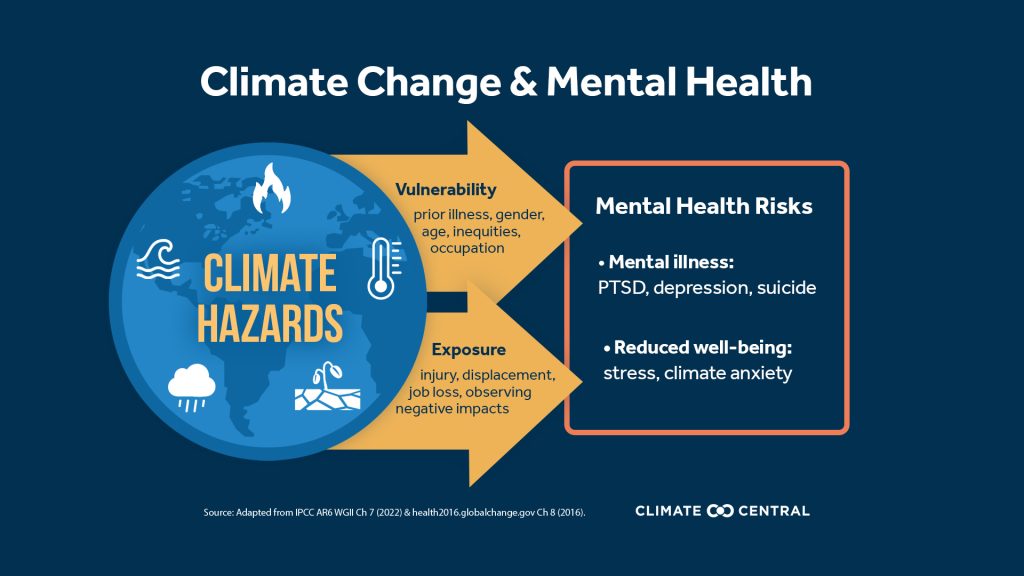
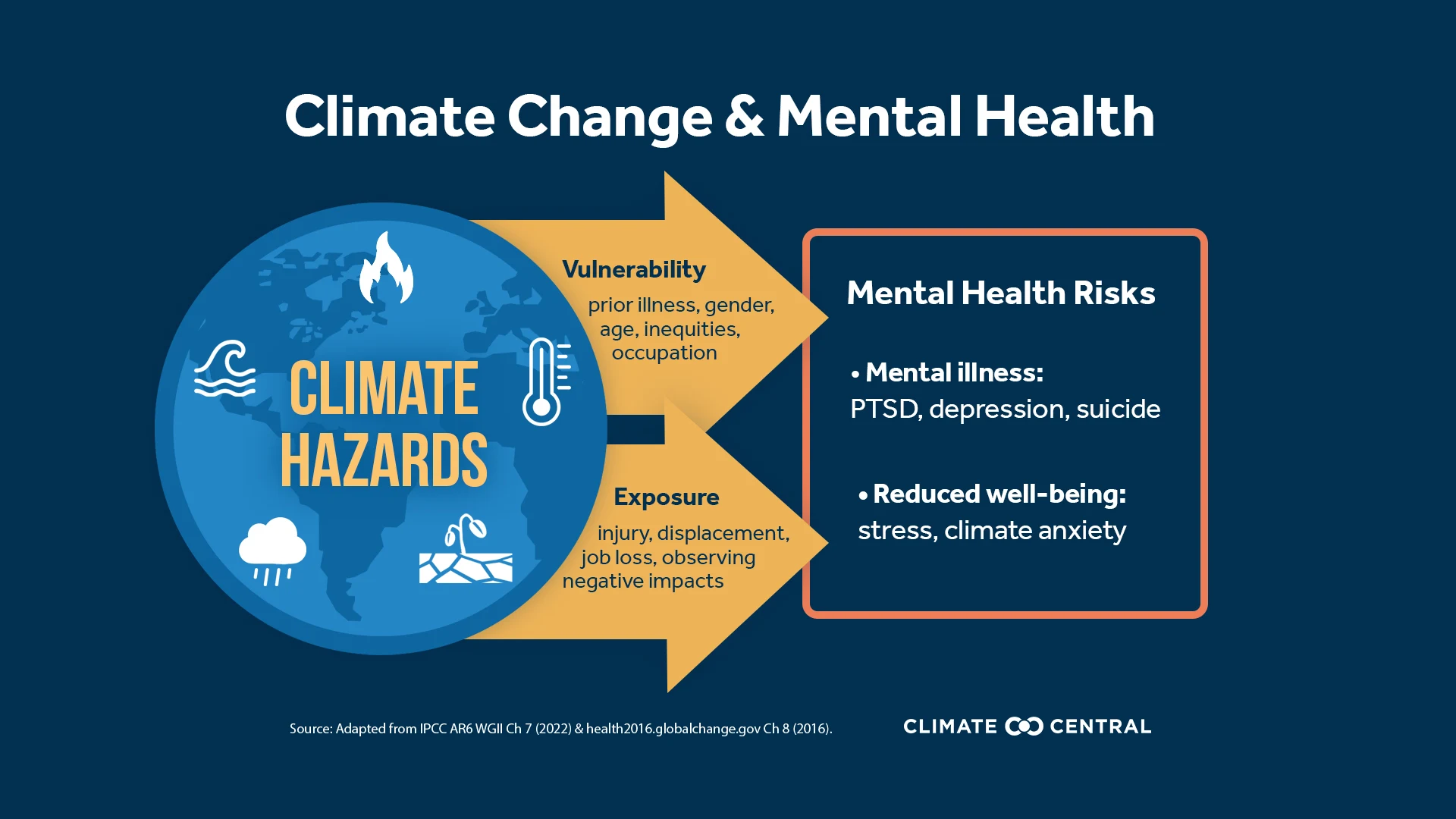
Climate change increases stress and anxiety in vulnerable communities. These groups face greater risks due to limited resources. Environmental changes can worsen mental health struggles, creating a cycle of distress.
Climate change is not just a scientific issue; it’s deeply entwined with human experiences, especially in vulnerable communities. These communities often bear the brunt of environmental changes, and the impact extends beyond physical challenges. It touches mental health deeply, creating layers of stress and anxiety that can be hard to manage. As you think about the world, consider how climate change might be affecting your mental well-being, especially if you are part of a vulnerable community. Let’s delve into some specific impacts.Displacement And Trauma
Imagine waking up one day to find that the place you call home is no longer safe. Rising sea levels and extreme weather conditions often force people to leave their homes. This displacement can lead to trauma, as individuals lose their sense of belonging and stability. A friend once shared how her family had to move due to flooding. The mental stress was overwhelming. Not knowing where to go next can lead to feelings of helplessness and anxiety. If you’ve ever faced such uncertainty, you know how it can shake your mental health.Economic And Social Challenges
Climate change can also impact your economic situation, leading to stress. Vulnerable communities often rely on agriculture or fishing, which are heavily affected by changing climates. Loss of income can lead to financial strain, impacting mental health. Social challenges can arise too. Communities might face increased conflict over resources, affecting social cohesion. This can lead to feelings of isolation and fear. Have you noticed changes in your community’s dynamics due to environmental shifts? When you consider these challenges, it’s clear that mental health support is crucial. How can communities come together to support each other? By recognizing these impacts, you can start conversations and promote resilience, turning challenges into opportunities for growth.Youth And Future Generations
Climate change affects everyone, but youth face unique challenges. They inherit a world grappling with environmental issues. Their mental health is at risk. Concerns about the future are growing. Young people feel the weight of climate change. This can lead to stress and anxiety. Understanding their struggles is essential.
Activism And Emotional Strain
Youth often engage in climate activism. They strive to make a difference. This responsibility can be overwhelming. Constantly fighting for change is exhausting. They feel pressure to succeed. Emotional strain builds as they face resistance. It’s tough to stay motivated. Their mental health suffers as a result.
Activists experience burnout. They feel isolated in their efforts. The burden of change is heavy. Support systems are crucial. Connecting with others helps. Youth need resources to cope. Self-care is vital for their wellbeing. Balance is key in their activism.
Fear For The Future
Young people fear the impact of climate change. They worry about their future. What kind of world will they inherit? This uncertainty breeds anxiety. They question the stability of the planet. Concerns about natural disasters increase. Rising sea levels and extreme weather are alarming.
These fears affect their mental health. It becomes hard to focus on daily life. They struggle with feelings of hopelessness. Planning for the future seems daunting. Youth need reassurance. Education and support can ease their fears. Building resilience is essential. Empowering youth helps them face challenges.
Credit: www.climatecentral.org
Coping Mechanisms
Climate change impacts mental health, leading to stress and anxiety. Building resilience through coping mechanisms is essential. Simple practices like mindfulness and community support can offer relief and stability.
Coping with the mental health challenges brought on by climate change is essential for maintaining well-being. As our environment undergoes rapid transformation, many people find themselves grappling with anxiety, stress, and feelings of helplessness. Developing effective coping mechanisms can empower you to face these challenges head-on and maintain a sense of control over your mental health.Building Resilience
Building resilience is a powerful way to manage the mental health impacts of climate change. Think of resilience as your mental armor, strengthening you to handle stress and uncertainty. Start by focusing on what you can control. Set small, achievable goals that contribute to environmental sustainability, like reducing waste or conserving energy at home. Mindfulness practices, such as meditation or yoga, can also enhance resilience by helping you stay grounded in the present moment. Have you tried taking a few deep breaths when feeling overwhelmed?Community Support
Community support is a vital coping mechanism in the face of climate-related stress. Connecting with others who share your concerns can provide emotional relief and practical solutions. Join local groups focused on climate action or mental health support. These groups offer a platform for sharing experiences and resources, making you feel less alone in your journey. Engage in community activities that promote environmental awareness and action, like tree planting or clean-up drives. These activities not only contribute positively to the environment but also foster a sense of belonging and purpose. Have you considered how your community can be a source of strength and encouragement? Coping with climate change and its mental health effects is challenging, but not impossible. By focusing on building resilience and seeking community support, you can navigate these turbulent times with greater ease and confidence. Remember, you are not alone, and every small step you take matters.Role Of Mental Health Professionals
The impact of climate change on mental health is gaining attention. Rising temperatures, natural disasters, and environmental changes affect mental well-being. Mental health professionals play a crucial role in addressing these challenges. They provide support, therapeutic care, and education to those affected. Their expertise helps individuals cope with anxiety, stress, and trauma related to climate events.
Therapeutic Approaches
Mental health professionals use various therapeutic methods. Cognitive-behavioral therapy helps manage climate-related anxiety. It focuses on changing negative thought patterns. Mindfulness practices are another approach. They encourage presence in the moment, reducing stress. Group therapy offers community support. Sharing experiences creates understanding and hope.
Awareness And Education
Education is key in managing climate change impacts. Mental health professionals raise awareness about emotional effects. They educate communities on coping strategies. Workshops and seminars are effective tools. They provide information on resilience and adaptation. This empowers individuals to face climate challenges.
Credit: www.psychiatry.org
Positive Action For Mental Well-being
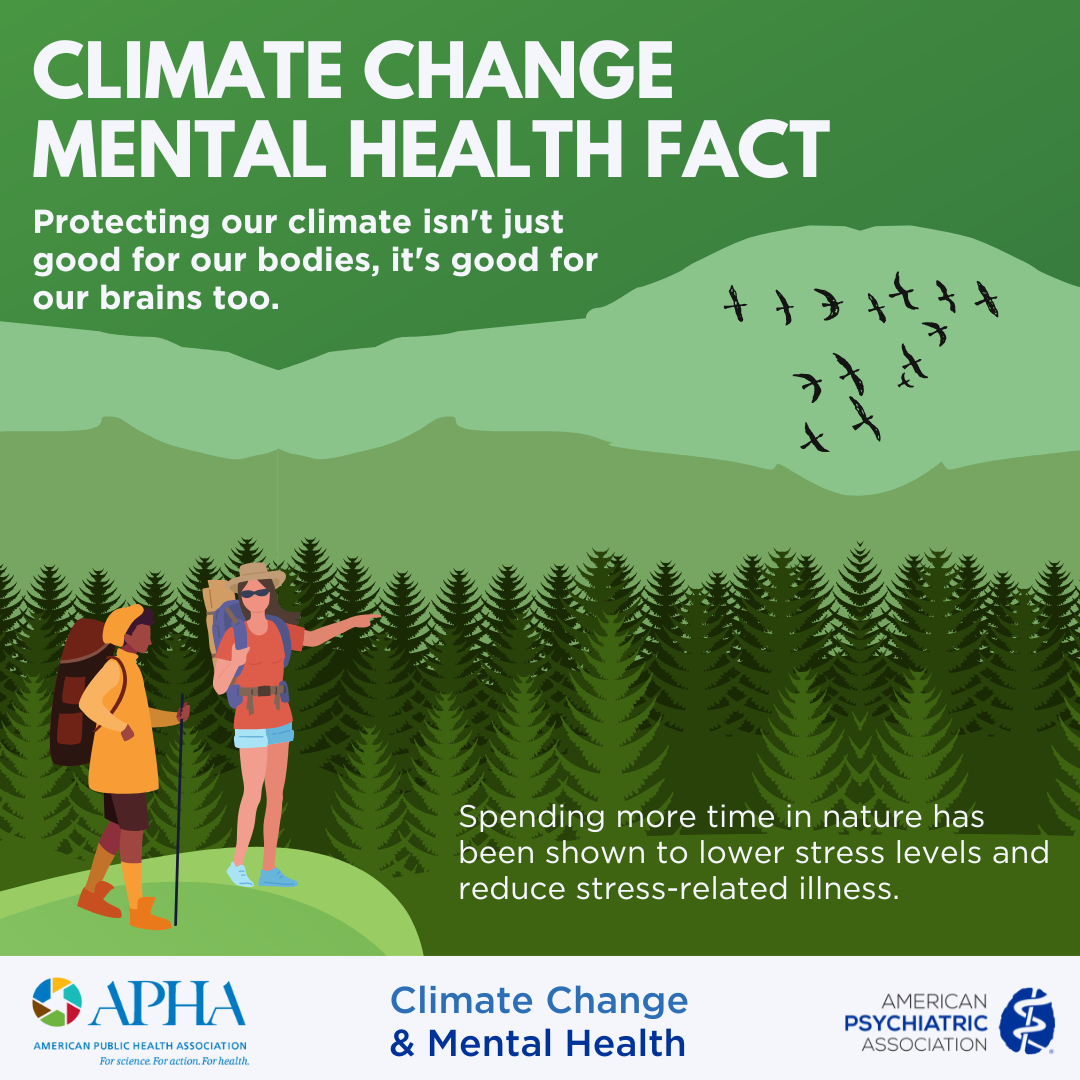
Climate change affects mental health, increasing stress and anxiety levels. Taking positive action can improve mental well-being. Engaging in eco-friendly activities not only helps the planet but also boosts emotional resilience.
Positive action plays a crucial role in enhancing mental well-being amid the challenges posed by climate change. Taking steps towards a healthier environment can also lead to improved mental health. When you engage in activities that support the planet, you not only contribute to the global fight against climate change but also boost your own sense of purpose and connection.Engagement In Solutions
Participating in climate solutions can be empowering. Whether it’s joining a local environmental group or advocating for policy changes, taking action helps combat feelings of helplessness. When you feel part of a solution, it can lead to a more positive outlook on life. Consider the simple act of planting a tree. This small gesture not only benefits the environment but also provides a sense of accomplishment. Each time you see that tree grow, you’re reminded of your contribution to a healthier planet. Think about how you can integrate eco-friendly practices into your daily routine. From reducing waste to conserving energy, these small changes can have a big impact. They not only support environmental health but also foster a sense of personal achievement and well-being.Empowerment Through Participation
Getting involved in community initiatives can enhance your mental well-being. When you participate in projects that aim to combat climate change, you feel empowered and connected. This sense of community and shared purpose can alleviate stress and anxiety. Imagine attending a local workshop on sustainable living. Engaging with others who share your passion can provide support and encouragement. It also offers an opportunity to learn new skills and apply them in your own life. Reflect on how volunteering for environmental causes can boost your self-esteem. By contributing time and energy, you not only help the planet but also enhance your own sense of worth. It’s a powerful way to combat feelings of isolation and promote positive mental health. What actions will you take to combine climate advocacy and personal well-being?Frequently Asked Questions
How Does Climate Change Affect Our Mental Health?
Climate change impacts mental health by increasing stress, anxiety, and depression due to extreme weather events and environmental changes. It disrupts communities, leading to emotional distress and exacerbating existing mental health conditions. Addressing climate change can help reduce these mental health challenges and promote overall well-being.
How Climate Change Is A Threat To Brain Health?
Climate change impacts brain health by increasing heat stress, air pollution, and extreme weather events. These factors can exacerbate neurological disorders and mental health issues. Rising temperatures and pollution levels can lead to cognitive decline and increased anxiety. Addressing climate change is essential for protecting brain health globally.
How To Overcome Climate Change Anxiety?
Practice mindfulness and breathing exercises to manage stress. Stay informed but limit news intake. Join local environmental groups to take action. Connect with supportive communities. Seek professional help if anxiety persists.
What Are The Psychological Responses To Climate Change?
People may feel anxiety, grief, and helplessness due to climate change. Some experience eco-anxiety or climate despair. Positive responses include increased activism and engagement. Adapting to these changes involves developing resilience and coping strategies. Understanding these psychological impacts is crucial for mental well-being and effective climate action.
Conclusion
Climate change affects both our planet and mental health. Rising temperatures and natural disasters increase stress and anxiety. People feel uncertain about the future. Communities must support each other. Mental health resources can help individuals cope. Awareness is key. Everyone can play a part in fostering resilience.
Small actions make a big difference. Talking about feelings is important. Climate change is a shared challenge. Together, we can face it. Building strong connections is crucial. Take care of the earth and your mind. Both are vital for a healthy life.
Stay informed, stay involved, and support one another.








