
Do you ever feel like the weight of the world is pressing down on you? You’re not alone.
Navigating the complexities of mental health can often feel overwhelming, and finding the right support is crucial. What if you could find solace and strength in your faith? Christianity offers a unique perspective on mental health, blending spiritual insights with emotional well-being.
We’ll explore how your faith can become a powerful tool in managing mental health challenges. Imagine discovering a sense of peace and purpose that not only uplifts your spirit but also transforms your everyday life. Are you curious to find out how? Let’s dive deeper into how Christianity and mental health intersect in ways that might just surprise you.
Historical Perspectives
Christianity has influenced views on mental health for centuries. Historical perspectives offer insights into beliefs and practices. Understanding these views helps in appreciating the evolution of Christian attitudes towards mental health.
Early Christian Views
In the early days, mental health was seen through a spiritual lens. Many believed mental issues were a result of sin or demonic influence. Prayer and faith were primary solutions. Healing was often sought through divine intervention. Early Christians relied on spiritual leaders for guidance. Mental health was intertwined with spiritual well-being.
Evolution Over Time
Over time, perspectives began to change. Scientific advancements reshaped understanding. The church started accepting medical explanations for mental health. The stigma slowly reduced as awareness grew. Christian communities began integrating therapy with spiritual support. Today, many churches advocate for mental health awareness. They support modern treatments alongside spiritual care.
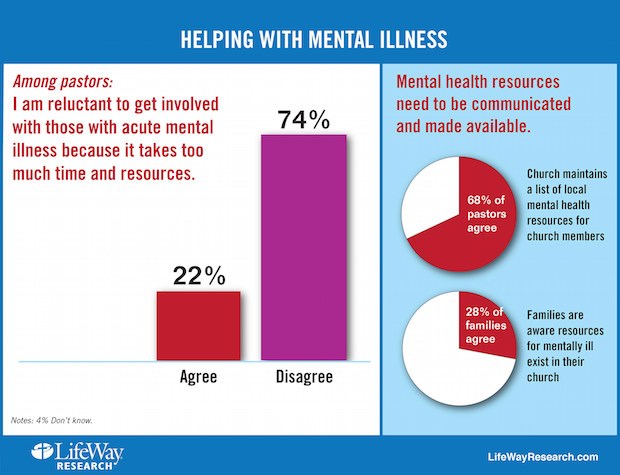
Credit: bciowa.org
Christian Teachings On Inner Peace
Christian teachings offer profound insights into achieving inner peace, a concept that resonates deeply for many believers. It’s not just about feeling calm; it’s about cultivating a sense of serenity grounded in faith. Inner peace can be a powerful tool in managing mental health challenges, offering solace and strength during turbulent times. How can you harness these teachings to foster a tranquil mind?
Biblical Foundations
The Bible provides numerous passages that highlight the importance of peace. Jesus himself emphasized peace as an integral part of spiritual life. “Peace I leave with you; my peace I give you,” He said, offering a timeless promise. You can find comfort in knowing that peace is a gift, not something you must earn.
Consider the teachings of Philippians 4:6-7, which encourage believers not to be anxious but to present their requests to God. This act of faith is a pathway to inner peace, guarding your heart and mind. How often do you turn to these passages when seeking comfort?
Role Of Prayer And Meditation
Prayer is a cornerstone of Christian life, serving as a direct line to God. It’s not just about asking for things; it’s a practice that can transform your mental state. Regular prayer can help you release stress and invite peace into your daily routine.
Meditation in Christianity is about focusing on God’s word and presence. It offers a chance to quiet the mind and listen deeply to your inner self. When was the last time you spent a few minutes meditating on a verse that brought you peace?
By integrating prayer and meditation into your daily schedule, you create a habit of seeking peace. This can be as simple as a morning prayer or a few moments of reflection at the end of the day. What small steps can you take today to bring more peace into your life?
Christian teachings on inner peace are not just theoretical concepts; they are practical tools for improving mental well-being. By embracing these practices, you can nurture a peaceful heart and mind, even in the face of life’s challenges. How will you begin to implement these teachings to find your inner peace?
Mental Health Challenges
Understanding mental health challenges within Christianity can be eye-opening. While faith offers comfort, it doesn’t always shield individuals from mental health struggles. Navigating these challenges requires empathy, awareness, and action.
Common Issues Faced
Many Christians face anxiety, depression, and stress. Balancing spiritual obligations with daily life can be overwhelming. You might feel pressure to appear spiritually strong, even when struggling internally.
A friend once shared that her constant worry about not living up to spiritual expectations led to anxiety. This highlights how faith-related stress can impact mental well-being.
Have you ever felt the pressure to seem perfect because of your faith? You’re not alone, and recognizing these feelings is the first step to addressing them.
Stigma In Religious Communities
Stigma around mental health can be pervasive in religious communities. Some individuals feel judged or misunderstood when they express mental health struggles. This stigma often stems from misconceptions about faith and mental health.
Consider the reluctance to discuss depression due to fear of being seen as lacking faith. This silence can prevent individuals from seeking necessary support.
How can you challenge this stigma within your community? Start conversations, share experiences, and encourage empathy and understanding. Small steps can create a ripple effect, fostering a more supportive environment.
Your voice matters in reshaping perceptions about mental health and faith. By speaking openly, you pave the way for others to seek help without fear of judgment.

Credit: www.projectarctos.com
Church Initiatives
Church initiatives play a vital role in supporting mental health within communities. Many churches recognize the importance of mental well-being. They offer programs that address mental health challenges. These initiatives often include support groups and counseling services. Both are designed to help individuals cope and heal.
Support Groups
Support groups provide a safe space for sharing experiences. People gather to discuss their struggles and triumphs. Group members offer understanding and encouragement. The church often facilitates these groups, focusing on community support. Participants find comfort and strength through shared stories and prayers. The group meetings can instill hope and foster healing.
Counseling Services
Many churches offer counseling services led by trained professionals. These services focus on individual needs. Counselors offer guidance and support for mental health issues. Sessions can be tailored to personal challenges. Church-based counselors integrate faith with therapeutic practices. This approach helps individuals find peace and balance. Access to counseling within the church can be a valuable resource.
Integrating Faith And Therapy
Integrating faith and therapy bridges spiritual beliefs with mental health care. This approach respects the individual’s faith while addressing psychological needs. Christians often seek guidance in both their religion and therapeutic practices. Faith and therapy together can enhance healing and personal growth.
Faith-based Therapies
Faith-based therapies incorporate religious principles into mental health treatment. These therapies use scripture, prayer, and spiritual practices. Therapists trained in Christian counseling understand the importance of spiritual guidance. They provide support aligned with Christian values. This holistic approach nurtures the soul while addressing mental health.
Benefits Of Holistic Approaches
Holistic approaches view mental health as interconnected with spiritual well-being. These methods treat the whole person, not just symptoms. Combining faith and therapy offers unique benefits. It can strengthen spiritual resilience and emotional health. Patients often find comfort in their faith during therapy sessions. This connection can lead to a deeper sense of peace and understanding.
Case Studies
Christianity has played a role in mental health journeys worldwide. Real-life case studies show the impact of faith in healing. These stories highlight the struggles and triumphs of individuals. They reveal how faith intertwines with mental health.
Success Stories
Many people find peace through Christianity. One example is Sarah, who battled anxiety for years. Her church community supported her through tough times. Regular prayer and faith-based counseling helped her find balance. She feels more grounded now.
John’s story is another example. He faced depression after losing his job. His pastor’s guidance and Bible study sessions offered hope. John’s faith grew stronger, and his mental health improved. He now volunteers at a local shelter, sharing his journey.
Lessons Learned
These stories teach us valuable lessons. Faith can be a powerful tool for mental well-being. Support from a community can make a huge difference. Sarah learned the importance of asking for help. John realized the value of purpose in healing.
Both stories show the need for open conversations about mental health. Faith communities can provide a safe space for sharing struggles. These case studies inspire others to seek help and embrace their faith. They remind us that no one is alone in their journey.
Promoting Mental Wellness
Christianity has long been a source of comfort and healing. It offers guidance and strength in times of mental struggle. Promoting mental wellness within Christian communities can lead to healthier lives. This involves fostering supportive environments and providing resources for mental health.
Community Engagement
Community engagement plays a vital role in mental health. Church groups can create safe spaces for sharing and support. Regular meetings and discussions help individuals feel connected. This sense of belonging can improve mental well-being significantly.
Volunteering within the church also aids mental health. Helping others brings a sense of purpose. It encourages positive feelings and reduces stress. Community service can be a powerful tool for mental wellness.
Educational Programs
Educational programs in churches can promote mental wellness. Workshops and seminars on mental health awareness are beneficial. They equip individuals with knowledge to handle mental challenges. Learning about mental health reduces stigma and empowers individuals.
Training church leaders in mental health is essential. They can offer guidance and support to those in need. With proper education, church leaders become valuable resources. This ensures a supportive environment for everyone.
Future Directions
The intersection of Christianity and mental health is evolving. Future directions in this field are promising. They focus on new practices and bridging existing gaps. Innovation and collaboration can offer better support for individuals.
Innovative Practices
Churches explore new ways to support mental health. Many introduce counseling services. Some create support groups focused on emotional well-being. These practices provide a safe space for sharing. They help reduce stigma attached to mental health challenges. Online platforms offer virtual support. This expands access to those in remote areas. Digital resources ensure wider reach and inclusivity.
Training for church leaders is becoming essential. Leaders learn about mental health issues. This education improves understanding and empathy. It enables them to guide their community better. Churches host workshops and seminars. These events focus on stress management and self-care. They help attendees develop coping strategies. Spiritual practices integrate mental health teachings. This holistic approach nurtures both mind and spirit.
Bridging Gaps
Collaboration between mental health professionals and clergy is vital. These partnerships enhance the support system. They ensure individuals receive comprehensive care. Churches work with local therapists and counselors. This builds a network of resources. It ensures those struggling find the help they need.
Education plays a key role in bridging gaps. Awareness campaigns address misconceptions. They promote understanding of mental health within Christian communities. Such efforts foster acceptance and compassion. They encourage open dialogue on mental health matters. Schools and universities integrate mental health education. This prepares future generations to tackle these issues. It also promotes empathy and inclusivity in society.
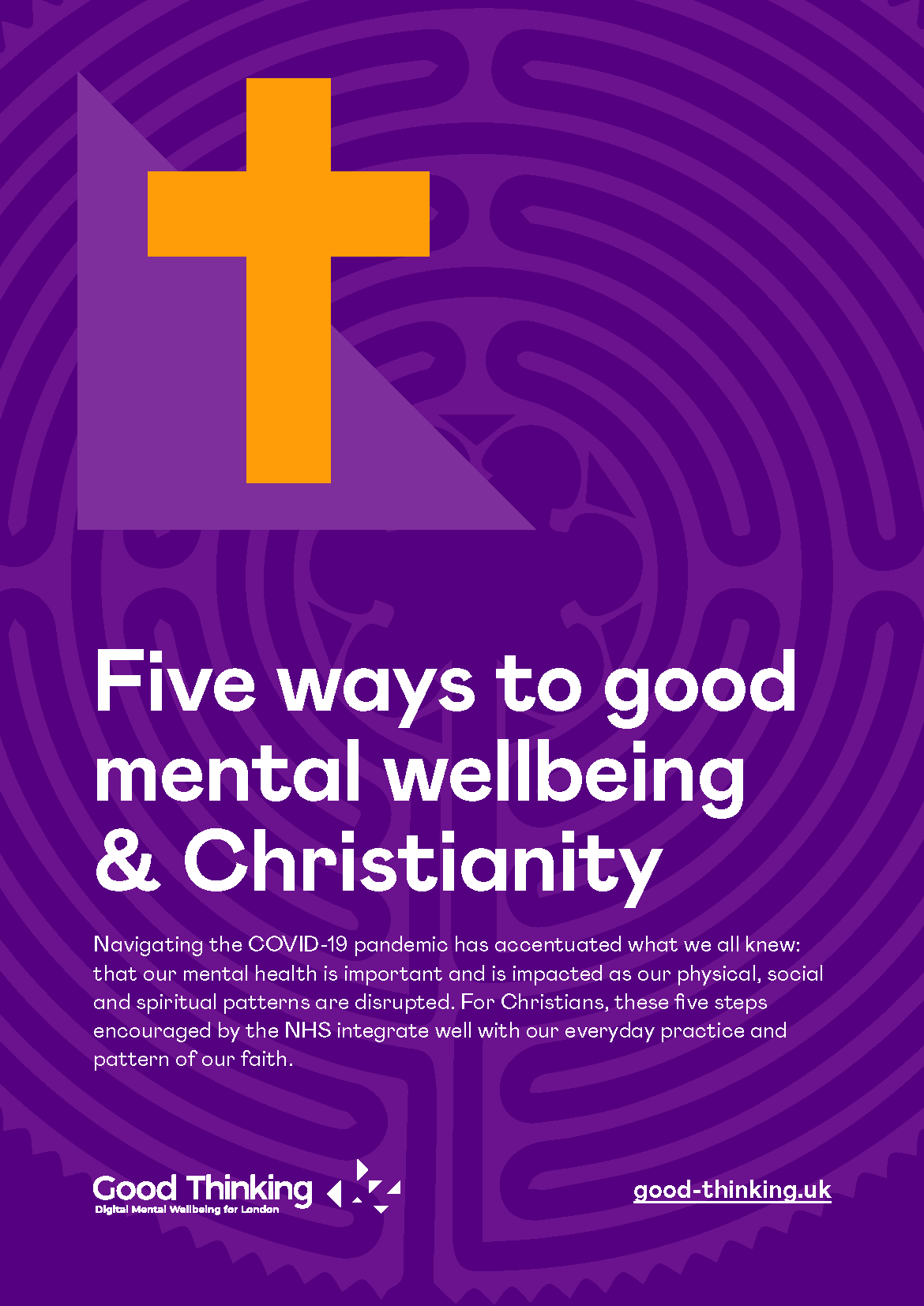
Credit: www.transformationpartners.nhs.uk
Frequently Asked Questions
How Does Christianity View Mental Health?
Christianity acknowledges mental health as significant, encouraging compassion, support, and prayer. Many churches offer counseling and community support. Faith promotes healing through spiritual practices and biblical teachings. Christians are urged to seek professional help alongside spiritual guidance for mental well-being.
What Does The Bible Say About Your Mental Health?
The Bible encourages caring for mental health through prayer, community support, and trust in God’s guidance. Philippians 4:6-7 advises seeking peace through prayer, while Proverbs 12:25 highlights the importance of kind words to alleviate anxiety. Encouragement and faith can foster mental well-being, emphasizing hope and strength.
Did Jesus Struggle With Mental Health?
The Bible doesn’t explicitly mention Jesus struggling with mental health. He experienced emotions like sadness and anguish. Jesus showed resilience and strength during challenging times, offering hope and compassion to others. His teachings inspire mental and spiritual well-being, encouraging followers to find peace and purpose through faith.
What Percentage Of Christians Struggle With Mental Health?
About 30% of Christians report experiencing mental health challenges. This is similar to the general population’s statistics. Churches increasingly address mental health issues through support groups and counseling. Believers are encouraged to seek professional help alongside spiritual guidance for comprehensive care.
Conclusion
Christianity offers valuable support for mental health. It provides comfort and hope. Faith can be a source of strength. Prayer and community foster healing. Scripture offers guidance and peace. Believers find solace in spiritual practices. Churches offer counseling and support groups.
These can be helpful resources. Remember, professional help is important too. Combining faith and therapy can be beneficial. Everyone’s journey is unique. Seek what helps you. Embrace your faith and mental wellness together. Find balance. Prioritize your mental health. It’s essential for a fulfilling life.








