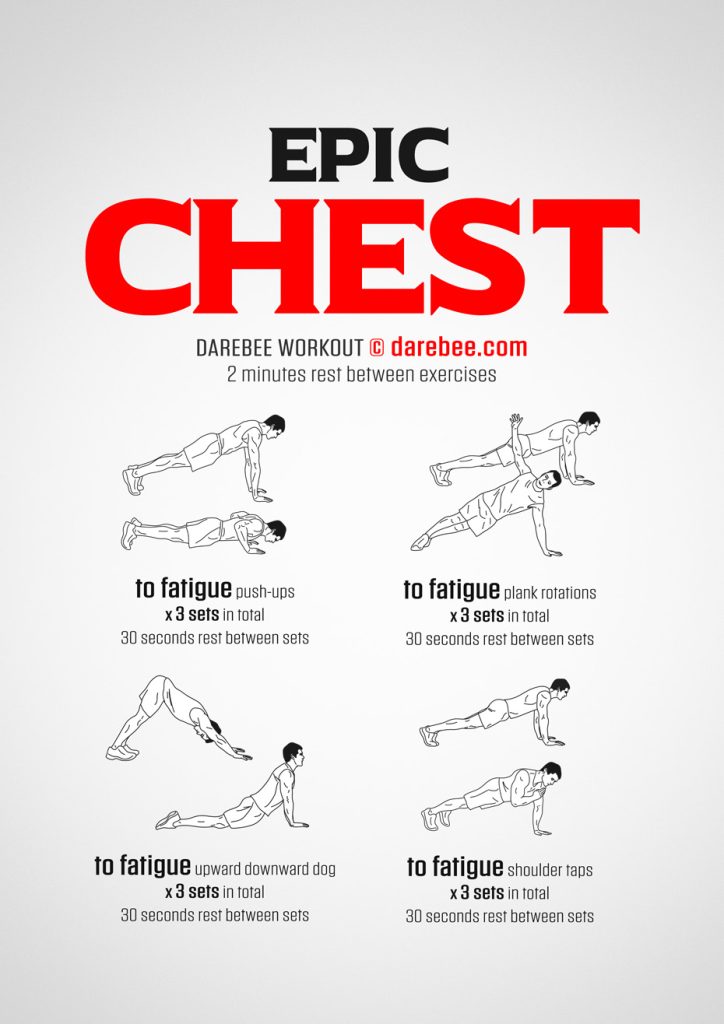
Are you tired of waiting for gym equipment to free up, or maybe you’re just looking to add some variety to your fitness routine without leaving the comfort of your home? Chest workouts at home can transform your fitness journey.
No need for fancy gym memberships or bulky equipment; with the right exercises, you can effectively build and sculpt your chest muscles right where you are. Imagine the satisfaction of achieving your fitness goals while saving time and money. In this guide, you’ll discover powerful chest workouts that fit seamlessly into your schedule and space.
Ready to unlock your potential and see real results? Let’s get started!

Credit: www.serasi.tech
Benefits Of Home Chest Workouts
Home chest workouts offer numerous advantages over gym sessions. They are convenient and cost-effective. You don’t need fancy equipment or a gym membership. They save time, allowing you to exercise at your own pace. You’ll improve your fitness from the comfort of your living room.
Convenience And Accessibility
Home workouts fit into any schedule. Exercise whenever you have free time. No travel required. Just roll out of bed and start your workout. This makes it easy to stay consistent. Your workout space is always accessible.
Cost-effectiveness
Gym memberships can be expensive. Home workouts cut costs. Use simple tools like resistance bands or dumbbells. No need for pricey machines. Your wallet will thank you.
Personalized Routine
Craft a workout plan that suits your needs. Focus on exercises you enjoy. Customize your routine to target specific areas. Adjust intensity and duration based on your progress. Personalization keeps workouts engaging.
Comfort And Privacy
Exercise without feeling self-conscious. Avoid crowded gyms. Work out in a familiar environment. Wear whatever makes you comfortable. Privacy enhances your focus and motivation.
Improved Focus
Limited distractions at home boost concentration. Focus solely on your workout. No background noise or interruptions. This leads to more effective sessions. Better focus means better results.
Flexibility In Routine
Change your workout based on your mood. Try different exercises without waiting for equipment. Explore new techniques and movements. Flexibility keeps your routine fresh.
Safe Environment
Minimize risks associated with gym equipment. Use safer options like bodyweight exercises. Stay injury-free with proper form and space. A safe environment encourages regular exercise.
Essential Equipment
Working out at home has become a popular choice for many fitness enthusiasts. Creating an effective chest workout routine requires some essential equipment. With the right tools, you can achieve great results without leaving your living room. Below are some key pieces of equipment to help you build and strengthen your chest muscles.
Dumbbells And Resistance Bands
Dumbbells are versatile and perfect for chest exercises. They allow for a wide range of movements. You can perform bench presses, flyes, and more. Resistance bands are another excellent choice. They are lightweight and easy to store. These bands provide resistance training that targets your chest effectively.
Adjustable Bench
An adjustable bench is important for chest workouts. It offers different incline levels. This helps you target various parts of your chest. An adjustable bench supports exercises like bench presses and flyes. It is compact and fits easily in your home space.
Bodyweight Alternatives
Bodyweight exercises are ideal for those with limited equipment. Push-ups are a classic chest workout. They require no equipment at all. Variations like incline and decline push-ups can challenge your muscles further. These exercises help build strength using your body weight.
Warm-up Techniques
Warm-up techniques prepare your body for effective chest workouts at home. Simple exercises like arm circles and push-up planks enhance blood flow and flexibility. These activities help prevent injury and boost performance during your workout session.
Warm-Up Techniques are essential for an effective chest workout at home. They prepare your muscles, boost blood flow, and reduce injury risk. Starting with a proper warm-up sets the tone for a successful training session. It also enhances flexibility and performance, ensuring you get the most out of your workout. Below, explore dynamic stretches and cardio warm-ups that you can easily do at home.Dynamic Stretches
Dynamic stretches involve active movements that stretch muscles. They are different from static stretches. They enhance flexibility and prepare your body for exercise. Arm circles are a great example. Stand straight, extend your arms, and move them in circular motions. This warms up your shoulders and chest. Another effective stretch is the chest opener. Interlock your fingers behind your back and gently lift your arms. This stretches your chest and improves posture.Cardio Warm-ups
Cardio warm-ups elevate your heart rate and get your blood pumping. Jumping jacks are simple and effective. Start with feet together and arms at your sides. Jump while spreading your legs and raising your arms. This boosts your energy and warms up your chest muscles. Running in place is another option. Stand in one spot and jog lightly. It increases circulation and prepares your body for the workout. These exercises are easy and require no equipment. They are perfect for home workouts.
Credit: www.pinterest.com
Effective Exercises
Working out at home has become the norm for many, and building a strong chest doesn’t require a gym membership. With a few effective exercises, you can achieve impressive results without stepping outside. Whether you have access to dumbbells, resistance bands, or just your body weight, these exercises will target your chest muscles and help you gain strength and definition. Let’s dive into some key exercises that you can easily do at home.
Push-ups Variations
Push-ups are a classic exercise that can be adapted to challenge your chest muscles in different ways. If standard push-ups start feeling too easy, try incorporating variations. Wide push-ups target the outer chest, while diamond push-ups focus on the triceps and inner chest.
Do you have a sturdy chair or low table? Elevate your feet on it for decline push-ups, intensifying the workout. Each variation adds a new dimension to your routine, helping you break through plateaus and keep things interesting.
Dumbbell Presses
If you have dumbbells, you’re in luck! Dumbbell presses are highly effective for building chest muscle. Start with a flat press, lying on the floor or a bench, to target the middle chest.
Adjust the angle by doing incline presses to emphasize the upper chest, or decline presses to hit the lower part. Don’t have a bench? Use a sturdy pillow or folded blanket to create an incline or decline surface.
Resistance Band Flyes
Resistance bands are versatile and perfect for flyes, which target the chest and shoulders. Anchor your band to a secure point at chest height and stand back until you feel tension in the band.
With arms slightly bent, pull the band towards each other in a hugging motion. This mimics the flyes done with weights and is a great way to add variety without needing heavy equipment.
Incline And Decline Push-ups
Incline and decline push-ups are simple yet effective for targeting different parts of your chest. Use a step or a sturdy surface to perform incline push-ups, focusing on the lower chest.
To switch things up, do decline push-ups with your feet raised, working the upper chest more intensively. These exercises not only enhance muscle growth but also improve your balance and core strength.
Are you ready to transform your chest workouts at home? Try these exercises and notice the difference in your strength and muscle definition. Remember, consistency is key, and mixing up your routine will keep you motivated and avoid boredom. What variation will you add to your next workout?
Creating A Workout Routine
Home chest workouts offer convenience and flexibility. Push-ups and chest presses strengthen muscles effectively without gym equipment. Consistent routines enhance strength and endurance, tailoring exercises to fit personal goals and fitness levels.
Creating a workout routine for your chest at home can be straightforward. With the right plan, you can achieve impressive results without fancy equipment. Focus on key elements such as balancing volume, intensity, frequency, and rest days. These aspects ensure you maximize your efforts while avoiding burnout.Balancing Volume And Intensity
Volume refers to the total number of sets and reps. Intensity involves the effort level for each exercise. It’s crucial to strike a balance between these factors. Too much volume can lead to fatigue and injury. Too little intensity might not stimulate growth. Aim for 3-4 sets of 8-12 reps for each exercise. This range helps build strength and muscle mass effectively.Frequency And Rest Days
Frequency determines how often you should work out your chest. Ideally, two to three times a week is optimal. This frequency allows for muscle growth and recovery. Rest days are equally important. They prevent overtraining and give muscles time to repair. Ensure you have at least one rest day between chest workouts. Listen to your body and adjust your routine as needed.Nutrition Tips For Muscle Growth
Building muscle at home involves smart nutrition and effective chest workouts. Focus on protein-rich foods like chicken, eggs, and beans. Pair these with push-ups and bench presses for optimal chest growth.
When working out at home, nutrition plays a key role in muscle growth. The right foods and hydration can enhance your chest workouts. Proper nutrition helps muscles repair and grow stronger. Let’s explore some essential nutrition tips.Protein-rich Foods
Protein is crucial for muscle repair and growth. Include lean meats like chicken and turkey in your meals. Eggs and dairy products like yogurt are also excellent protein sources. For plant-based options, try beans, lentils, and tofu. Nuts and seeds provide protein and healthy fats.Hydration Importance
Staying hydrated is vital for muscle function. Water helps transport nutrients to your muscles. It also aids in removing toxins from your body. Drink water before, during, and after workouts. Aim for at least eight cups of water daily. More if you sweat a lot during workouts.Pre- And Post-workout Meals
Eating before a workout gives you energy. A small meal with carbs and protein works best. Try a banana with peanut butter or oatmeal with nuts. After working out, focus on recovery with a balanced meal. Combine protein and carbs to repair muscles. Grilled chicken with brown rice is a great choice.Tracking Progress
Tracking progress is crucial for your chest workouts at home. It helps you understand your achievements. It also shows where you need improvement. By recording your progress, you stay motivated. You can see real results over time. Let’s explore how to track your chest workout progress effectively.
Measuring Strength Gains
Strength gains are a key indicator of your progress. Keep a workout journal. Record the number of reps and sets you complete. Note the weight you use if applicable. Increase your weights or reps gradually. This shows improvement in strength over time. Consistent tracking provides clear insights into your growth.
Visual Changes And Measurements
Visual changes often motivate the most. Take photos of your chest at regular intervals. Compare these photos to see progress. Measurements can complement visual changes. Use a measuring tape for your chest circumference. Track these measurements monthly. Smaller gains add up to significant change over time.

Credit: www.esporte.niteroi.rj.gov.br
Common Mistakes To Avoid
Chest workouts at home can be effective. But many make common mistakes. These can hinder progress and lead to injuries. Knowing these pitfalls helps improve your workout. It keeps you safe and boosts results.
Overtraining Risks
Overtraining the chest is a frequent mistake. Muscles need time to recover. Resting allows them to grow stronger. Without proper rest, you might face fatigue. This leads to poor performance and potential injuries. Balance is key in workouts. Include rest days in your routine. This helps your muscles heal and grow.
Improper Form
Improper form is another common mistake. It can cause strain and injury. Correct posture is crucial for effective chest exercises. Keep your back straight during workouts. Maintain a stable core. Avoid swinging weights or rushing reps. Focus on slow and controlled movements. This ensures muscles are engaged properly. It also enhances your workout’s effectiveness.
Frequently Asked Questions
How Do I Build My Chest At Home?
To build your chest at home, perform push-ups, chest dips, and resistance band exercises. Incorporate variations like incline and decline push-ups. Ensure consistency and gradually increase repetitions. Maintain proper form to maximize effectiveness and prevent injuries. Consider using dumbbells for added resistance and varied workouts.
Can I Build Chest Without Gym?
Yes, you can build chest muscles without a gym. Focus on push-ups, chest dips, and resistance band exercises. Use household items like chairs and walls to enhance workouts. Maintain consistency and gradually increase intensity for best results. Ensure a balanced diet to support muscle growth.
Are 5 Exercises For Chest Good?
Five exercises for the chest can be effective. They target different muscle areas for balanced development. Including variations like bench press, push-ups, and flyes ensures comprehensive workouts. Adjust intensity and rest for best results. Always prioritize proper form to avoid injury and maximize gains.
What Is The Most Effective Chest Workout?
The most effective chest workout includes bench press, push-ups, and chest fly. These exercises target the chest muscles effectively. Incorporate variations like incline and decline bench presses for balanced development. Consistency and proper form enhance results. Always warm up and use appropriate weights to prevent injury.
Conclusion
Chest workouts at home offer great benefits. No need for fancy equipment. Just dedication and consistency. Try push-ups, planks, and chair dips. These exercises strengthen your chest muscles. They fit easily into your daily routine. Remember to focus on form.
Avoid injury by warming up first. Progress may be slow, but stay patient. Results will come with time and effort. Enjoy the process. Celebrate small victories. Achieving fitness goals is a journey. Keep motivated and stay active. Your home can be your best gym.
Embrace the challenge and enjoy your fitness journey.








