
Are you curious about how you can make a meaningful impact in the world and enjoy a rewarding career at the same time? The mental health field offers you a unique opportunity to do just that.
As awareness about mental health continues to grow, so does the demand for professionals who are passionate about helping others. Imagine waking up every day knowing you’re making a difference in someone’s life. Picture yourself in a career where your skills and empathy are not only valued but essential.
You’ll discover the various career paths in mental health that could be your calling. Whether you’re considering becoming a therapist, counselor, psychologist, or exploring other roles, there’s a fulfilling opportunity waiting for you. Let’s delve into the possibilities and find out which path aligns with your passion and goals.
Growing Demand In Mental Health
Mental health careers are expanding rapidly due to increased awareness and demand. Opportunities abound in counseling, therapy, and psychiatry. Professionals in this field help improve lives, making it a rewarding path.
The mental health field is experiencing a surge in demand like never before. As society becomes more aware of the importance of mental wellness, opportunities in this sector are expanding rapidly. Whether you’re considering a new career path or a shift in your current profession, the mental health industry offers a wealth of opportunities to make a meaningful impact.Why The Demand Is Rising
More people are seeking help for mental health issues. This has led to increased demand for professionals who can provide support and guidance. The stigma surrounding mental health is diminishing, encouraging more individuals to prioritize their mental well-being.Diverse Career Paths
Not every role requires a medical degree. You can become a counselor, social worker, or even a mental health coach. Each path offers unique ways to contribute to the well-being of others.Opportunities For Growth And Learning
The mental health field is ever-evolving. New research and techniques emerge regularly. This means continuous learning and the opportunity to grow in your career.The Role Of Technology
Technology is playing a significant role in mental health. From apps to online therapy sessions, tech innovations are creating new job roles. Are you tech-savvy? Your skills could be invaluable in this growing field.Making A Real Impact
A career in mental health is not just about earning a paycheck. It’s about making a difference in people’s lives. Imagine the satisfaction of knowing you’ve helped someone overcome their challenges. Consider the impact you want to have in your career. Is helping others and contributing to a healthier society important to you? If so, exploring a career in mental health might be your next best step.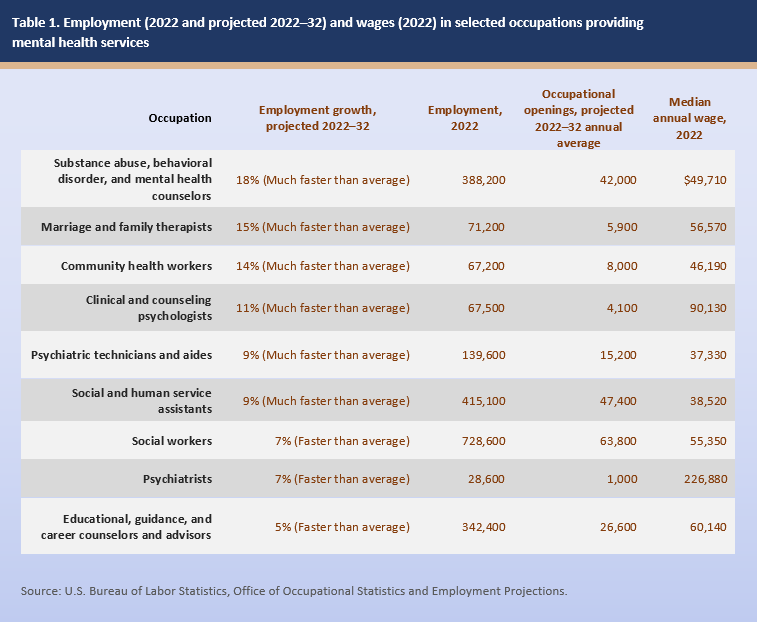
Credit: www.bls.gov
Educational Pathways
Embarking on a career in mental health is both rewarding and challenging. To effectively help others, you need a solid educational foundation. The pathways to a successful career in this field are diverse, and choosing the right one can shape your journey profoundly. Let’s examine how degrees, certifications, and specialized training programs can pave the way to a fulfilling mental health profession.
Degrees And Certifications
Choosing the right degree is crucial. It sets the stage for your career trajectory. Many start with a bachelor’s degree in psychology, social work, or counseling. This provides you with essential knowledge and skills.
Advanced degrees, like a master’s or doctorate, offer deeper insights. They prepare you for specialized roles such as clinical psychologist or licensed counselor. Certifications further enhance your credibility and expertise.
Consider certifications like Certified Clinical Mental Health Counselor (CCMHC) or Registered Art Therapist (ATR). They not only boost your resume but also your confidence in your abilities.
Specialized Training Programs
Specialized training programs offer hands-on experience. They allow you to focus on niche areas such as trauma therapy or substance abuse counseling.
You might participate in workshops that teach new techniques. These can include cognitive-behavioral therapy or mindfulness practices. Such programs hone your skills and enrich your knowledge.
Online courses are also valuable. Platforms like Coursera and Udemy provide flexibility to learn at your own pace. They help you stay updated with the latest trends and practices.
Have you thought about where you want your career to lead? Understanding your passions can guide you towards the right educational path. Which aspect of mental health fascinates you the most? Your answer might just be the key to your future success.
Diverse Roles In Mental Health
In the realm of mental health, diverse roles offer unique career paths for those passionate about helping others. The field is vast and varied, providing opportunities for specialists to make a difference. Whether you’re intrigued by clinical work, creative therapies, or social services, there’s a role suited for your skills and interests.
Clinical Psychologist
As a clinical psychologist, you assess and treat mental health disorders through various psychological techniques. Your work involves diagnosing patients, creating treatment plans, and conducting therapy sessions. Imagine the satisfaction of helping someone overcome their challenges and lead a healthier life.
Counselor And Therapist
Counselors and therapists provide a safe space for individuals to explore their emotions and thoughts. You guide them through personal issues, relationship problems, and stress management. Have you ever considered how rewarding it is to witness a client’s breakthrough moment?
Psychiatric Nurse
Psychiatric nurses play a critical role in patient care, offering support to individuals with mental health conditions. You administer medication, monitor progress, and collaborate with other healthcare professionals. Could your compassionate nature make you the perfect candidate for this role?
Social Worker
Social workers focus on improving the lives of individuals and communities by addressing social issues and mental health needs. You advocate for resources, provide counseling, and help clients navigate complex systems. How might your problem-solving skills contribute to societal change?
Art And Music Therapist
Art and music therapists use creative outlets to promote healing and emotional well-being. You employ artistic expression to help clients explore feelings and improve mental health. Can you imagine the power of creativity in transforming lives?
Each of these roles offers a unique perspective on mental health care. As you consider your career path, reflect on how your talents align with these opportunities. What role resonates most with your aspirations and skills? Your decision could lead to a fulfilling career that makes a lasting impact.
Non-clinical Careers
Exploring non-clinical careers in mental health offers diverse opportunities. These roles contribute significantly to the field without direct patient interaction. They support the mental health ecosystem through research, policy, and administration. Non-clinical careers cater to those passionate about mental health but prefer working behind the scenes. Many such paths exist, each with its unique focus and impact.
Research And Academia
Research in mental health seeks to understand complex issues. Academics focus on studying mental disorders, treatment methods, and preventive strategies. Scholars work in universities or dedicated research centers. They publish findings in journals, advancing the field’s knowledge base. Their work informs clinical practice and shapes future study directions.
Policy And Advocacy
Policy roles influence how mental health services are delivered. Professionals develop, analyze, and implement policies at local and national levels. Advocacy involves promoting mental health awareness and rights. Advocates work with governments, NGOs, and communities. They strive to improve mental health services and access for all.
Mental Health Administration
Mental health administrators manage facilities and programs. They ensure smooth operations in hospitals or community centers. Administrators handle budgets, staffing, and regulatory compliance. Their role is crucial for delivering effective and efficient mental health services. They create environments where both staff and patients thrive.
Skills And Qualities Needed
Successful careers in mental health require empathy, patience, and strong communication. Professionals should possess problem-solving skills and emotional resilience. Understanding diverse perspectives is crucial for effective support and treatment.
The mental health field offers a wide range of rewarding career opportunities, but not everyone is suited for the job. Certain skills and qualities are essential to succeed and make a meaningful impact. Do you have what it takes to thrive in this profession?Empathy And Communication
Empathy is at the heart of mental health work. It allows you to genuinely understand and connect with your clients. Imagine being able to see the world through someone else’s eyes—it’s a powerful tool. Effective communication is equally important. It’s not just about talking; it’s about listening and responding with care. Can you clearly express your thoughts and create a safe space for others to share theirs?Analytical And Problem-solving
In mental health, you’ll often face complex situations that require sharp analytical skills. Breaking down issues into manageable parts helps in finding solutions. Have you ever had to think on your feet to resolve an unexpected problem? Problem-solving is about more than just finding quick fixes. It’s about understanding root causes and crafting long-term strategies. Your ability to adapt and innovate will set you apart.Cultural Competency
Cultural competency is crucial in our diverse world. It involves recognizing and respecting different backgrounds and experiences. Are you open to learning about perspectives different from your own? Working effectively with clients from various cultures enhances the therapeutic relationship. It’s about being sensitive to their unique needs and adapting your approach accordingly. Your willingness to embrace diversity can profoundly impact someone’s healing journey. — These skills and qualities are not just checkboxes on a list. They define the essence of a successful mental health professional. As you consider a career in this field, reflect on your strengths. How can you further develop these essential traits to make a difference?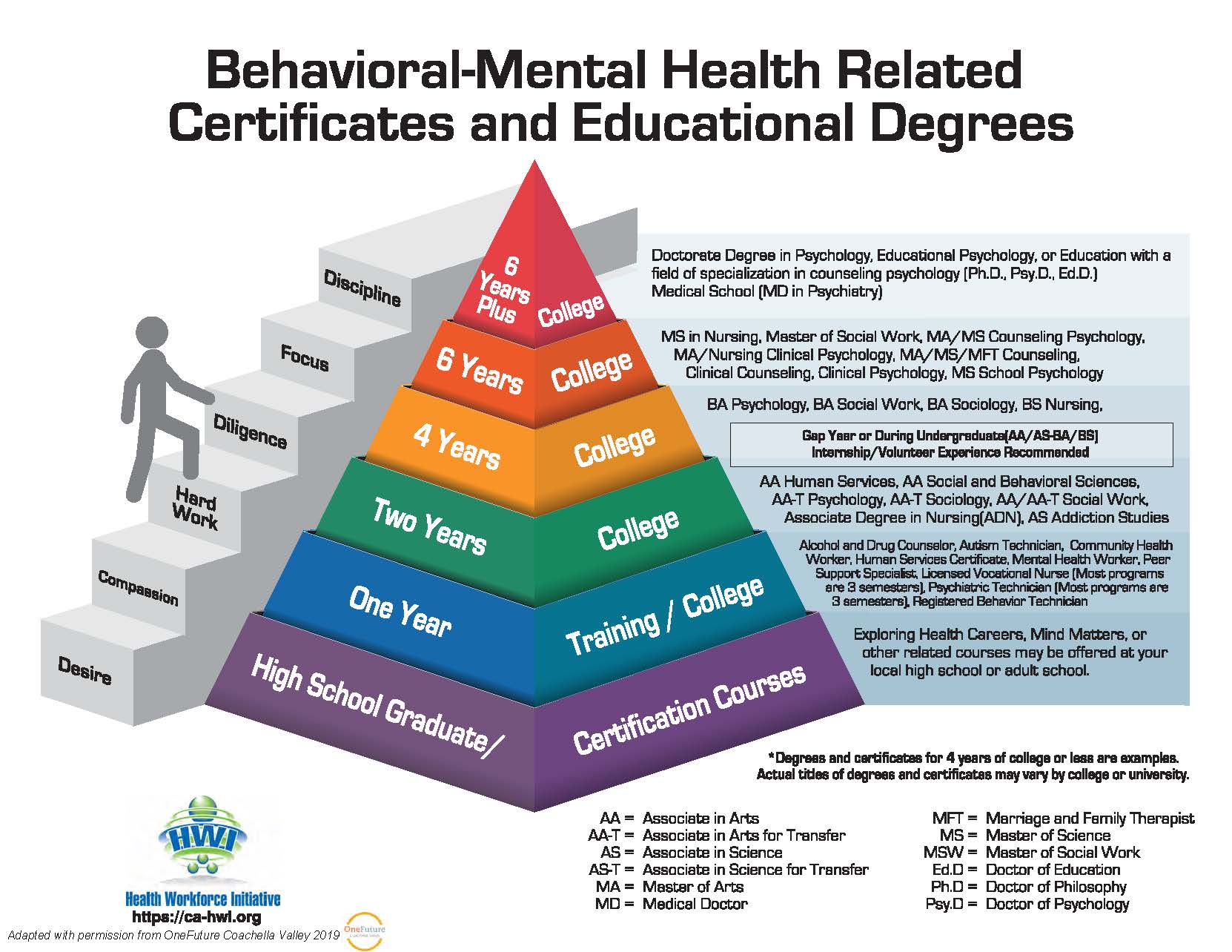
Credit: ca-hwi.org
Challenges In The Field
The mental health field offers many rewarding career paths. Yet, professionals face unique challenges. Understanding these challenges is crucial for success and growth. This section explores some key challenges in mental health careers.
Emotional Resilience
Mental health professionals often deal with emotional stress. They support individuals during difficult times. This work can be emotionally taxing. Building emotional resilience is essential. It helps professionals handle stress effectively. Regular self-care practices are vital. They ensure mental well-being and prevent burnout.
Addressing Stigma
Stigma around mental health is a significant barrier. It affects both clients and professionals. Many people hesitate to seek help due to judgment. Professionals must work to change perceptions. Educating the public is key. It fosters understanding and acceptance. This effort can lead to more people seeking support.
Continuing Education
The field of mental health is always evolving. New research and treatments emerge regularly. Professionals need ongoing education. It keeps them updated with the latest methods. Many pursue workshops and courses. This commitment enhances their skills. It also improves client outcomes. Staying informed is essential for career growth.
Future Trends In Mental Health Careers
Emerging technologies create new paths in mental health careers. Virtual therapy and AI tools expand job roles. Demand for mental health professionals grows as awareness and acceptance increase.
The field of mental health is evolving rapidly. New trends are creating exciting career opportunities. Professionals in this field are adapting to meet modern needs. This shift ensures better care for individuals worldwide. Let’s explore some future trends in mental health careers.Telehealth Expansion
Telehealth is growing in mental health care. More people want remote therapy sessions. This demand creates jobs for virtual therapists. Technology helps therapists reach clients in distant areas. Patients find telehealth convenient and accessible. It reduces wait times for appointments. This trend will likely continue to rise.Integration Of Technology
Technology plays a key role in mental health today. Apps help track mood and manage stress. AI tools assist therapists in treatment planning. Virtual reality offers new ways to treat anxiety. These advancements require skilled professionals. New roles may emerge to develop and manage tech solutions.Focus On Preventative Care
Preventative care is gaining attention in mental health. The goal is to stop issues before they start. Schools and workplaces emphasize mental wellness programs. Professionals are needed to design these initiatives. Early intervention can lead to better outcomes. This trend promises more job opportunities in education and counseling.Finding Your Path
Exploring a career in mental health can be rewarding and meaningful. The field offers diverse opportunities for those passionate about helping others. To succeed, you must find the right path that aligns with your skills and interests. This journey often starts with self-reflection and planning.
Self-assessment Tools
Begin by evaluating your strengths and passions. Use self-assessment tools to understand your skills. These tools help identify your interests and aptitudes. They guide you in choosing a suitable mental health career. Knowing your strengths can lead to better career satisfaction. Explore various online platforms offering free assessments. They provide insights into your personality and work style.
Networking And Mentorship
Building connections is crucial in the mental health field. Networking opens doors to new opportunities. Attend workshops, seminars, and conferences. These events are great for meeting professionals. Consider finding a mentor. A mentor provides guidance and shares valuable experiences. They help you navigate your career path effectively.
Internships And Volunteering
Gain practical experience through internships and volunteering. These opportunities offer hands-on learning. They enhance your understanding of mental health work. Volunteering also demonstrates commitment to the field. It builds your resume and makes you more competitive. Look for positions in hospitals, clinics, and community centers. Engage actively and learn from each experience.

Credit: www.umassglobal.edu
Frequently Asked Questions
What Are Careers That Deal With Mental Health?
Careers in mental health include psychologists, psychiatrists, social workers, and mental health counselors. Other roles are psychiatric nurses, marriage and family therapists, and substance abuse counselors. These professionals help diagnose, treat, and support individuals with mental health issues. Each role requires specific qualifications and skills to effectively assist clients.
What Is The Highest Paid Job In Mental Health?
The highest-paid job in mental health is a Psychiatrist. They earn an average salary of $220,000 annually. Psychiatrists diagnose and treat mental health disorders, often prescribing medication. Their extensive training and medical background contribute to their high earning potential.
What Are The 5 C’s Of Mental Health?
The 5 C’s of mental health are: Connection, Compassion, Courage, Creativity, and Curiosity. They help maintain emotional well-being. Connection fosters relationships, compassion nurtures empathy, courage builds resilience, creativity enhances problem-solving, and curiosity encourages learning. Embrace these principles to support mental wellness and growth.
How To Begin A Career In Mental Health?
Start by earning a relevant degree in psychology or social work. Gain experience through internships or volunteering. Obtain necessary certifications and licenses. Network with professionals in the field. Continuously update your knowledge with workshops and courses.
Conclusion
Exploring a career in mental health offers rewarding opportunities. You can make a difference. Support individuals in need. Various roles suit different skills and interests. From counseling to research. The demand for mental health professionals keeps growing. This field offers job stability.
It also provides personal satisfaction. Helping others can be fulfilling. Consider this path if you are compassionate. Willing to learn and grow? You can contribute positively to society. Start your journey in mental health today. It can be a meaningful and impactful career choice.








