
Are you looking to shed those extra pounds and wondering whether to do cardio before or after weight training? You’re not alone in this dilemma.
Many fitness enthusiasts grapple with this question, aiming to maximize their weight loss results. Choosing the right sequence can make a significant difference in how effectively you burn calories and build muscle. Imagine unlocking the secret to faster, more efficient weight loss.
We’ll delve into the pros and cons of each approach, helping you make an informed decision that aligns with your fitness goals. Keep reading to discover the best strategy for your workouts and how it can transform your weight loss journey.
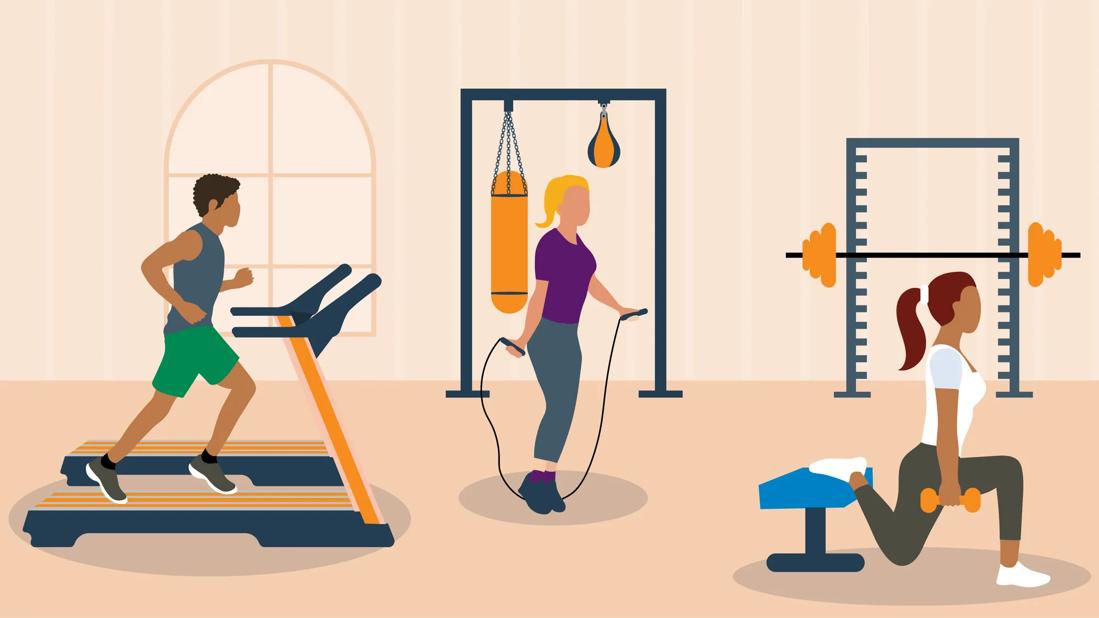
Credit: health.clevelandclinic.org
Benefits Of Cardio For Weight Loss
Cardio burns calories, helping with weight loss when done consistently. Doing cardio after weight training can enhance fat burning. Combining both workouts maximizes energy expenditure, aiding in effective weight management.
Cardio exercises hold significant benefits for weight loss. They increase your heart rate and boost calorie burn. This makes them an essential part of any weight loss plan. Understanding the advantages of cardio can help you achieve your fitness goals.Calorie Burning
Cardio activities like running or cycling burn many calories. They help you shed extra pounds efficiently. Consistent calorie burning is key to weight loss. Cardio exercises burn more calories than weight training in the same period. This means a more significant calorie deficit, which leads to weight loss.Improved Metabolism
Cardio exercises boost your metabolism. A faster metabolism helps you burn calories even at rest. This means more fat loss over time. Cardio helps your body use energy more efficiently. This results in better overall health and weight management.Cardiovascular Health
Cardio is great for your heart. It strengthens your cardiovascular system. This means better circulation and oxygen delivery throughout your body. Regular cardio reduces risks of heart disease. A healthy heart supports an active lifestyle, aiding weight loss efforts. Engaging in cardio also enhances endurance, making it easier to stay active.Advantages Of Weight Training For Fat Loss
Weight training offers significant benefits for fat loss. It is not just about bulking up muscles. This approach helps in shedding unwanted pounds effectively. With a combination of muscle building and boosting metabolism, weight training stands out. It transforms the way your body burns fat.
Muscle Building
Muscle building is crucial for fat loss. Lifting weights increases muscle mass. More muscle means a higher calorie burn. Even at rest, muscles use energy. This leads to fat reduction over time. A toned body emerges as muscles replace fat.
Increased Resting Metabolism
A higher resting metabolism aids in weight loss. Weight training boosts this metabolic rate. Muscles require energy, even when you are not active. The more muscle you have, the more calories your body burns at rest. This makes weight loss easier.
Enhanced Body Composition
Weight training improves body composition. It focuses on reducing fat and increasing muscle. The body becomes leaner and more defined. This creates a healthier appearance. Weight training helps balance muscle and fat levels. It reshapes the body naturally.
Cardio Before Weight Training
Choosing the right workout order is crucial for weight loss. Doing cardio before weight training can help burn more calories. It boosts endurance, making weightlifting more effective in the long run.
Cardio before weight training is a common practice among fitness enthusiasts aiming for weight loss. This approach can affect energy distribution and the effectiveness of strength workouts. Let’s explore the pros and cons of doing cardio before hitting the weights.Energy Utilization
Starting your workout with cardio can help you tap into your energy reserves early. This means you burn calories right off the bat. If you’re someone who tends to feel sluggish, cardio can kickstart your metabolism. But remember, it might leave you feeling drained when you move on to weight training. Think about your energy levels after a brisk walk or jog. Do you feel invigorated or a bit worn out? It’s crucial to assess how cardio affects your stamina before lifting weights.Impact On Strength Training
Doing cardio first can leave your muscles fatigued before strength exercises. Your lifts might not be as strong, affecting muscle growth. On the other hand, cardio can warm up your muscles, reducing injury risks. But if you’re pushing hard on the treadmill, be prepared for less power during squats or bench presses. Consider your strength goals. Are you willing to compromise a bit of strength for cardio benefits? Balancing both is key to maximizing your workout.Ideal Conditions
Choose cardio before weights if your primary goal is weight loss rather than muscle gain. It works well when you’re short on time and need an efficient workout. Early morning sessions might suit you better, as cardio can wake you up and get your heart pumping. If you prefer evening workouts, assess your energy levels after a day’s activities. Experiment with different routines. Try a week with cardio first and another with weights first. Which one aligns with your energy and goals? Your body’s response will guide you.Cardio After Weight Training
Cardio after weight training boosts weight loss by utilizing glycogen stores and increasing fat burning. Prioritizing weights first helps maintain strength and muscle growth while maximizing post-workout calorie burn with cardio.
Are you wondering whether you should do cardio before or after weight training for weight loss? Many fitness enthusiasts and experts suggest doing cardio after weight training. This sequence might just be your ticket to maximizing fat loss while preserving muscle strength. Here’s why cardio after weight training could be your perfect workout routine:Fat Oxidation
Doing cardio after lifting weights can enhance fat oxidation. When your body is already in a state of heightened metabolism from weight lifting, it becomes more efficient at burning fat. In simpler terms, your body is primed to use fat as fuel after you’ve exhausted its immediate energy stores during weight lifting. Imagine finishing a weight session and then hitting the treadmill; your body is now ready to burn fat more effectively.Preserving Muscle Strength
Prioritizing weight training helps preserve muscle strength. When you do cardio first, you might tire your muscles and reduce the effectiveness of your weight training session. By lifting weights first, you ensure that your muscles are engaged and performing at their peak strength. Who doesn’t want to maintain strength while losing weight? This sequence can be a game-changer for muscle preservation.Optimal Scenarios
Consider your goals and schedule for finding the optimal scenario. If you aim to build muscle while losing weight, cardio after weight training may suit you best. Think about your personal experience; did you ever feel too fatigued after cardio to give your all during weight lifting? Adjusting your workout routine based on when you feel strongest can lead to better results. What routine works best for you in terms of energy levels and time management? Ultimately, experimenting with different sequences may help you find the perfect balance for your weight loss journey.Combining Cardio And Weight Training
Combining cardio and weight training is a powerful approach to weight loss. This duo targets fat reduction while building lean muscle mass. Cardio burns calories quickly. Weight training increases muscle, boosting metabolism. Together, they offer a balanced fitness regimen that supports healthy weight management.
Balancing Intensity
Finding the right intensity is crucial. Cardio should be challenging but sustainable. High-intensity cardio burns more calories. Weight training should push your limits. Lifting heavier weights builds muscle faster. Balancing these intensities prevents burnout and maximizes results.
Sample Workout Schedules
Consider alternating cardio and weight days. Monday: 30-minute cardio session. Tuesday: Focus on weight training. Wednesday: Light cardio to recover. Thursday: Strength training with compound exercises. Friday: Intense cardio workout. Saturday: Rest or gentle stretching.
Adjusting Based On Goals
Personalize your routine based on goals. For more weight loss, increase cardio duration. Want muscle gain? Prioritize weight sessions. Monitor your progress regularly. Adjust workouts as needed. Keep your routine flexible. Ensure it aligns with your evolving objectives.

Credit: in.pinterest.com
Personalizing Your Fitness Routine
Choosing when to do cardio can impact weight loss results. Doing cardio before weight training increases energy and endurance. Alternatively, lifting weights first can enhance muscle growth, leading to higher calorie burn during cardio.
Embarking on a fitness journey is a deeply personal experience. Your choices should reflect your unique goals, preferences, and lifestyle. Personalizing your fitness routine, especially deciding whether to do cardio before or after weight training for weight loss, can significantly impact your results. Let’s explore how to tailor this aspect of your regimen to suit you best.Assessing Individual Goals
First, pinpoint your primary fitness objective. Are you more focused on burning fat, building muscle, or enhancing endurance? If weight loss is your main goal, cardio might take precedence. But if you want to build muscle, lifting weights first could be more beneficial. Consider your energy levels as well. If you find yourself too exhausted after cardio to lift weights effectively, it might be worth switching up the order. Reflect on past experiences: what routine made you feel most accomplished?Listening To Your Body
Your body communicates its needs clearly—if you know how to listen. After a workout, do you feel energized or drained? If lifting weights first leaves you too tired for cardio, it might be time to adjust your routine. Pay attention to any signs of overtraining, such as prolonged fatigue or soreness. These signals suggest a need to balance your exercise types or intensity. A friend once noticed she could run longer distances when she saved cardio for after weight training. Her experience taught her to listen closely to her body’s cues.Consulting Fitness Professionals
When in doubt, seek guidance from a fitness professional. A personal trainer can offer tailored advice based on your goals and physical condition. They can help you create a balanced routine that includes both cardio and weight training. A fitness coach helped me realize that a mix of high-intensity interval training and strength exercises aligned better with my weight loss goals. Professionals have insights that can help you maximize your efforts and avoid common pitfalls. By personalizing your routine, you’re not just working out—you’re making thoughtful decisions that align with your fitness journey. What adjustments will you make to ensure your routine works for you?Common Myths And Misconceptions
Debate surrounds whether cardio should be done before or after weight training for weight loss. Many believe cardio first helps burn fat faster. Others argue lifting weights first maximizes strength and energy. These myths often confuse fitness enthusiasts seeking effective routines.
Understanding personal goals aids in choosing the right approach.
When it comes to deciding whether to do cardio before or after weight training for weight loss, several myths and misconceptions often cloud our judgment. Many fitness enthusiasts struggle to find the right balance between the two. Let’s debunk some of these common myths and misconceptions.Cardio Burns More Fat
It’s a widespread belief that cardio is the ultimate fat burner. While cardio does help burn calories, weight training also plays a crucial role in fat loss. Lifting weights can increase your resting metabolic rate, meaning you burn more calories even when you’re not exercising. Think about your goals. If your primary aim is to lose weight, incorporating both cardio and weight training into your routine could be more effective. Balance is key. Have you tried alternating between the two to see what works best for your body?Weight Lifting Bulks You Up
Many people shy away from weight training, fearing it will make them bulky. The truth is, getting bulky requires a specific diet and training regimen. For most people, weight lifting helps tone and strengthen muscles rather than adding significant size. If you’ve ever lifted weights, you might have noticed a change in muscle tone rather than size. Building muscle can actually help with weight loss by boosting your metabolism. Are you avoiding weights due to this myth?Cardio And Weight Training Incompatibility
Some believe that cardio and weight training are incompatible, thinking you need to choose one over the other. However, combining both can yield significant benefits. Each type of exercise offers unique advantages that complement the other. Consider a routine that includes both cardio and weight training. You might find that your endurance improves, and your overall fitness level increases. Have you ever tried mixing both in your workout to see how your body responds? Breaking down these myths can help you create a more balanced and effective workout plan. Listen to your body and experiment with different approaches to find what suits you best.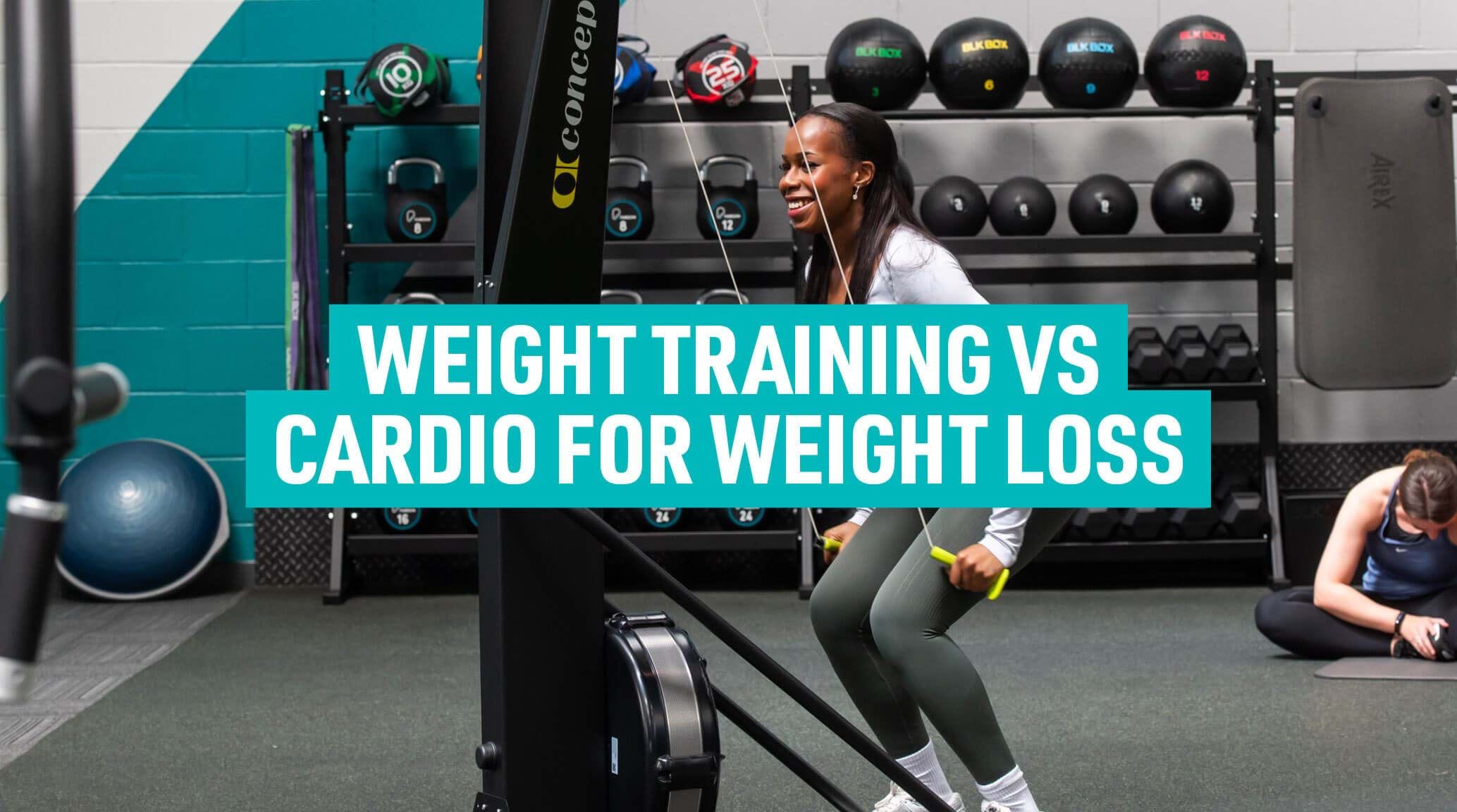
Credit: www.puregym.com
Tracking Progress And Adjustments
Maximize weight loss by tracking progress and adjusting your cardio and weight training routine. Cardio before lifting might boost fat burning, while post-weight training enhances endurance. Tailor your schedule for optimal results.
When you’re on a weight loss journey, the question of whether to do cardio before or after weight training often arises. Regardless of your choice, tracking your progress and making necessary adjustments is crucial. This process ensures you’re on the right path to your fitness goals, keeping you motivated and accountable. Let’s dive into how you can effectively track your progress and make adjustments to maximize your weight loss efforts.Monitoring Weight Loss
Keeping an eye on your weight loss involves more than just stepping on the scale. Consider tracking your body measurements, such as waist, hips, and chest circumference. Use a fitness app or a simple journal to record these details weekly. This will provide a clearer picture of your progress over time. Are you noticing changes in your energy levels or how your clothes fit? These non-scale victories are important indicators too.Evaluating Performance
Evaluate your performance in both cardio and weight training sessions. Are you lifting heavier weights or running longer distances than before? Track these improvements regularly. They are signs that your fitness level is increasing, even if the scale isn’t moving as fast as you’d like. Reflect on your workouts. Is there a specific day when you feel more energized or perform better? This might be the ideal time to schedule your cardio or weight sessions.Tweaking The Routine
Adjust your routine based on the data you’ve collected. If you notice a plateau in weight loss, it might be time to switch things up. Consider altering the order of your workouts. If you usually do cardio first, try starting with weight training for a few weeks. Are there any exercises that you dread or skip regularly? Replace them with something you enjoy more. The best workout is the one you stick with consistently. Tracking progress and making adjustments are key to a successful weight loss journey. How will you change your approach to maximize results?Frequently Asked Questions
Should You Do Cardio Before Or After Weights For Fat Loss?
For fat loss, it’s often recommended to do weights before cardio. This approach helps preserve energy for strength training, maximizing muscle gain and boosting metabolism. Doing cardio after weights can enhance fat burning. Always tailor your routine to personal preferences and fitness goals for best results.
Is Cardio Before Weights Good For Fat Loss?
Doing cardio before weights can help increase calorie burn during your workout. It can also improve your cardiovascular endurance. However, it may lead to fatigue, potentially affecting your performance in weight training. Consider your personal fitness goals and energy levels when deciding.
Does Weightlifting Before Cardio Boost Metabolism?
Yes, weightlifting before cardio can enhance metabolism by preserving muscle mass. This leads to increased calorie burn even after your workout. Combining both exercises can optimize fat loss and improve overall fitness. Adjust your routine according to your personal fitness goals for the best results.
Can Cardio After Weights Improve Performance?
Yes, performing cardio after weights can improve your performance in strength training. This approach allows you to focus on lifting with maximal energy. It may also help with muscle recovery by increasing blood flow. Tailor your workout sequence to match your specific fitness objectives.
Conclusion
Choosing when to do cardio affects your weight loss journey. Cardio before weights boosts endurance. Cardio after weights maximizes muscle strength. Both methods offer unique benefits. Your personal goals and energy levels matter. Experiment to find what suits you best.
Remember, consistency is key. Stay committed to your routine. Combine exercise with a balanced diet. Results will follow with time and effort. Listen to your body. Adapt as needed for progress. Enjoy the process and celebrate small victories. Fitness is a journey, not a destination.
Stay motivated and keep moving forward.








