
Are you feeling overwhelmed, stressed, or burnt out at work? You’re not alone.
Many people experience mental health challenges that can impact their ability to perform their job effectively. You might be wondering if you can take time off work to care for your mental health without risking your job security. The good news is that the Family and Medical Leave Act (FMLA) might be an option for you.
But how does it work for mental health issues? Can you really use FMLA for conditions like anxiety or depression? Unlock the answers as we delve into how FMLA can be a lifeline for your mental well-being. Discover the steps to take, what qualifies, and how you can protect your rights while taking the time you need to heal. This article will guide you through everything you need to know, making sure you feel confident and informed about your options. Keep reading to explore how you can prioritize your mental health while ensuring your job is secure.
Fmla Basics
The Family and Medical Leave Act (FMLA) allows leave for mental health issues. It supports employees needing time for treatment or recovery. This ensures job protection while addressing mental health needs.
Understanding the basics of the Family and Medical Leave Act (FMLA) is crucial if you’re considering taking leave for mental health reasons. The FMLA is a federal law that allows eligible employees to take unpaid, job-protected leave for certain family and medical reasons. Knowing what it covers and how it can benefit you is the first step in making informed decisions about your mental health and work-life balance.What Is Fmla?
The Family and Medical Leave Act is designed to help employees balance work and family responsibilities. It provides up to 12 weeks of unpaid leave per year. This law ensures that you don’t lose your job while dealing with significant life events, including health issues.Who Is Eligible For Fmla?
Not everyone qualifies for FMLA. To be eligible, you must work for a covered employer. You also need to have worked at least 1,250 hours over the past 12 months. Additionally, the company must have at least 50 employees within a 75-mile radius.What Does Fmla Cover?
FMLA covers a wide range of situations. It includes personal or family illness, pregnancy, adoption, or foster care placement of a child. Mental health conditions can also qualify if they require ongoing treatment or hospitalization.How To Apply For Fmla?
Applying for FMLA requires you to notify your employer. It’s essential to give at least 30 days’ notice when possible. Your employer may ask for documentation from a healthcare provider to support your request.How Does Fmla Protect Your Job?
One of the biggest benefits of FMLA is job protection. It guarantees that you’ll return to the same or an equivalent position. This means similar pay, benefits, and working conditions.Can You Use Fmla For Mental Health?
Yes, you can use FMLA for mental health reasons. Conditions like depression, anxiety, or PTSD might qualify. It’s important to discuss your situation with a healthcare provider to determine eligibility. Imagine facing a severe bout of anxiety that makes it impossible to function at work. The FMLA can offer peace of mind, knowing your job is secure while you focus on recovery. Wouldn’t you want that assurance during a challenging time? Understanding these basics about the FMLA can empower you to take control of your mental health without fearing job loss. Remember, your well-being should always come first.Mental Health And Fmla
Mental health is as important as physical health. The Family and Medical Leave Act (FMLA) provides employees with job protection. This includes time off for serious health conditions. Mental health issues fall under this category. Many wonder if FMLA can help with mental health struggles. The answer is yes. Understanding how FMLA supports mental health is crucial.
What Is Fmla?
FMLA is a federal law. It grants eligible employees unpaid leave. This lasts up to 12 weeks. It covers various serious health conditions. This includes mental health problems. It aims to protect jobs during these difficult times.
Eligibility For Fmla
Not every employee qualifies for FMLA. To be eligible, certain criteria must be met. You must work for a covered employer. Also, you need to have worked 1,250 hours in the past year. Your workplace must employ 50 or more people. If these conditions are met, you can apply.
Mental Health Conditions Covered
FMLA covers many mental health conditions. These include depression, anxiety, and stress disorders. Any condition that affects daily functioning may qualify. Documentation from a healthcare provider is often needed. This helps confirm the seriousness of the condition.
How To Apply For Fmla
The application process involves several steps. First, inform your employer. You need to provide details about your condition. A healthcare provider must verify your condition. Complete the necessary paperwork. Ensure all forms are submitted on time.
Benefits Of Fmla For Mental Health
FMLA offers key benefits. It provides job security during leave. This reduces stress for employees. You can focus on recovery without losing your job. It supports a healthier work-life balance. This is vital for mental health improvement.
Challenges With Fmla For Mental Health
Some challenges exist with FMLA. The paperwork can be overwhelming. Employers may request frequent updates. Privacy concerns may arise. Navigating the process can be stressful. Understanding your rights helps ease these challenges.
Eligible Conditions
When considering taking FMLA for mental health reasons, understanding the eligible conditions is crucial. Not all mental health issues qualify for FMLA leave, so it’s essential to know which conditions are recognized and how they might impact your work. Knowing this can help you make informed decisions about your mental health care and work-life balance.
Recognized Mental Health Disorders
FMLA covers a range of mental health disorders that are medically recognized. These include anxiety disorders, depression, bipolar disorder, and PTSD. Your healthcare provider must certify that your condition requires ongoing treatment.
Not all stress or mild anxiety qualifies. If you’re feeling overwhelmed by life’s daily challenges, this might not be sufficient for FMLA. Consult with a mental health professional to assess if your condition warrants leave.
Severity And Impact On Work
The severity of your mental health condition plays a significant role in FMLA eligibility. Ask yourself: Is my mental health affecting my ability to perform job duties effectively? If yes, this could be grounds for leave.
If you’re missing work frequently or unable to focus, FMLA might be a suitable option. Employers are more likely to approve leave if there’s a clear connection between your mental health and work performance.
Imagine this scenario: A colleague struggled with severe depression. They couldn’t concentrate, leading to errors and decreased productivity. They took FMLA leave, focusing on therapy and medication. Upon return, they were more engaged and effective at work.
Understanding these aspects can help you navigate the FMLA process for mental health. Are you ready to take action for your well-being? Consider discussing with your doctor to explore your options.
Application Process
Applying for FMLA for mental health involves several steps. Understanding these steps ensures a smoother process. The Family and Medical Leave Act (FMLA) allows employees to take unpaid, job-protected leave for specific health reasons. Mental health conditions are included under this protection.
Documentation Requirements
Proper documentation is essential for FMLA approval. A healthcare provider must certify the need for leave. The certification should detail the mental health condition. It must explain how it affects your ability to work. Providing accurate and timely information speeds up the process. Keep copies of all documents for future reference.
Communication With Employer
Clear communication with your employer is crucial. Inform them about your intention to apply for FMLA leave. Discuss your situation honestly and openly. Employers need to know how the leave affects your work. Share updates if your condition changes. Maintain a professional tone in all interactions.
Regular updates help avoid misunderstandings. Clarify any questions your employer might have. This builds trust and ensures a smoother application process. Respect your employer’s policies and procedures. A positive relationship with your employer supports your mental health journey.
Employee Rights
Understanding employee rights under the Family and Medical Leave Act (FMLA) is crucial. This federal law provides essential protections for workers facing health challenges. Mental health issues are included. Employees can take leave without risking their jobs. This section explores these rights in detail.
Job Protection
FMLA offers job protection during leave. Employees can return to the same or an equivalent position. This ensures they don’t lose their career progress due to health issues. Protection covers up to 12 weeks of leave in a year. Employers must comply with this federal mandate. It secures employee stability and career safety.
Confidentiality
Confidentiality is a key aspect of FMLA. Employers must keep health information private. Details about mental health must remain confidential. Only authorized personnel can access this information. Employees can trust their personal health details are secure. This builds a safe environment for discussing health needs.
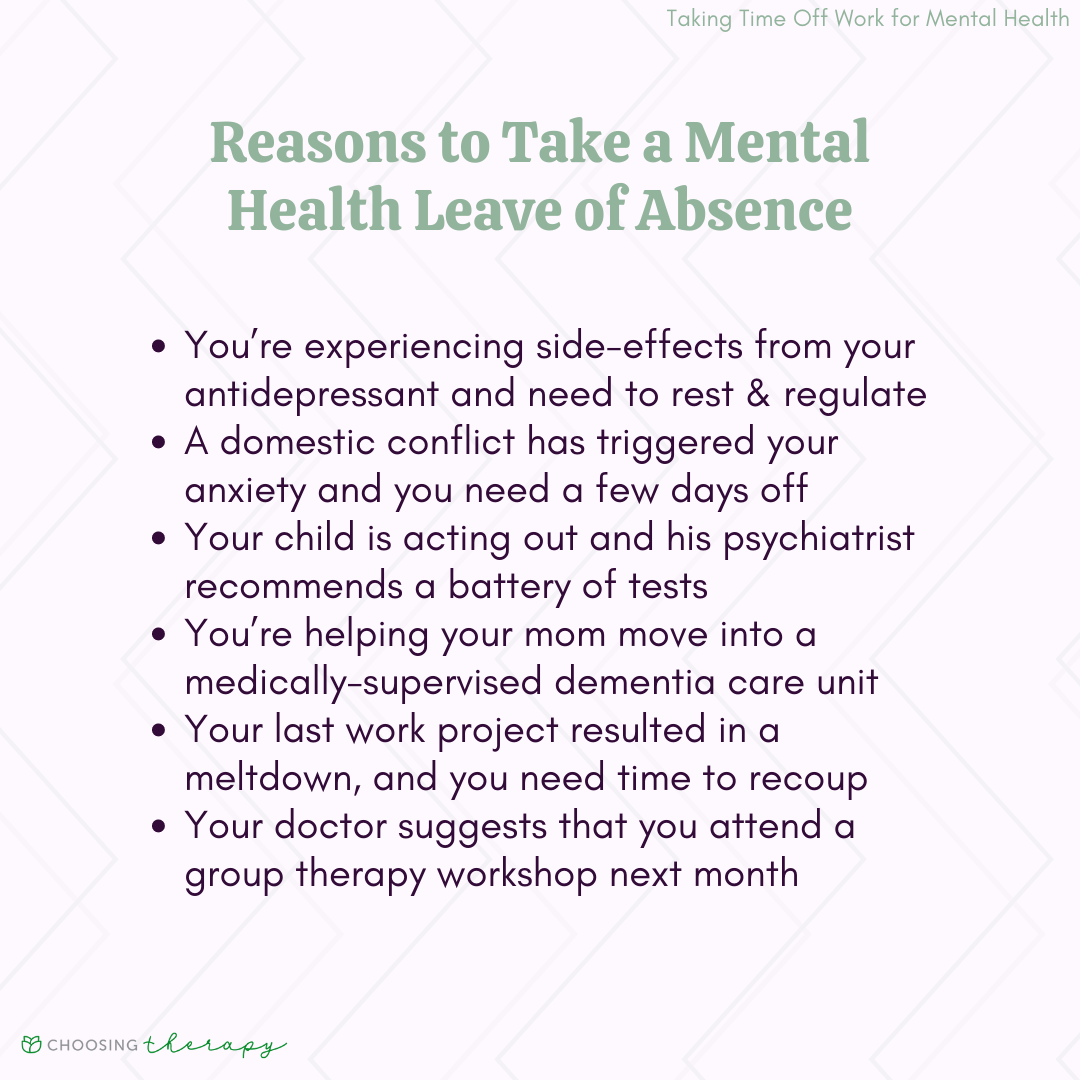
Credit: www.choosingtherapy.com
Challenges And Considerations
Taking FMLA for mental health presents unique challenges and considerations. These factors can impact both employees and employers. Understanding these challenges helps in navigating the process smoothly. Let’s explore some key aspects.
Stigma And Discrimination
Many individuals face stigma when discussing mental health. This stigma may discourage employees from seeking FMLA for mental health reasons. Fear of judgment or discrimination at work can be overwhelming. Employees might worry about job security or career progression. This fear can prevent them from seeking necessary help.
Even though FMLA protects employees, stigma remains a barrier. Education and awareness can help reduce this stigma. Supportive work environments make a significant difference. Encouraging open conversations about mental health is crucial. It fosters an inclusive and understanding workplace.
Employer’s Perspective
Employers face challenges managing FMLA for mental health. Balancing employee needs and business operations is essential. Employers must ensure adequate staffing during FMLA leave. This can be difficult, especially in small teams. Planning and communication can mitigate these issues.
Understanding mental health issues is important for employers. Training managers can help them handle FMLA requests sensitively. Respecting privacy and confidentiality is crucial. Employers should also provide resources and support for returning employees. A compassionate approach benefits both parties.
Practical Tips
Taking FMLA for mental health can be a significant decision. Many people need guidance on navigating this process smoothly. Practical tips can help ensure a stress-free experience. Here are some helpful strategies.
Preparing For Leave
Inform your employer early about your leave plans. Clear communication is key. Gather necessary documents like medical certificates. This proves your need for leave. Understand your rights under FMLA. This helps in setting realistic expectations.
Plan your workload before your leave. Delegate tasks to colleagues if possible. Create a detailed handover note. This ensures smooth operations in your absence. Discuss your leave duration with your supervisor. Be clear about your return date.
Returning To Work
Plan your return to work in advance. Contact your employer a week before returning. Discuss any adjustments you may need. This includes flexible hours or reduced workload. Prioritize tasks to manage your workload efficiently.
Communicate with your team about your return. Address any concerns they might have. Be open about any challenges you face. Seek support if necessary. This fosters a supportive work environment. Remember, your mental health is important.

Credit: amicaclinicalconsulting.com
Legal Support
Understanding your rights under the Family and Medical Leave Act (FMLA) can be crucial, especially when it comes to mental health. While FMLA provides a lifeline for many, navigating its complexities often requires legal support. Whether it’s determining eligibility or addressing disputes, having the right legal backing can make all the difference in ensuring your mental health needs are met.
When To Seek Legal Advice
Legal advice isn’t just for when things go wrong; it can also be a proactive step. If you’re unsure about your eligibility or the process, consulting with a lawyer can clarify your rights. Lawyers specializing in labor law can guide you through the application process, ensuring you have the necessary documentation and understanding.
Have you ever felt overwhelmed by the paperwork or concerned about employer retaliation? These are moments to consider legal counsel. A lawyer can advocate for you, ensuring your mental health needs are prioritized without compromising your job security.
Resources For Assistance
Finding the right support can be daunting, but numerous resources are available. Start with local legal aid organizations; they often offer free or low-cost advice. The U.S. Department of Labor’s website is another valuable resource, providing detailed information on FMLA rights and responsibilities.
Online forums and support groups can also be beneficial. They offer community insights and personal experiences that can guide your journey. Have you checked if your employer provides legal assistance or employee support programs? These might be hidden gems that can offer both advice and emotional support.
Are you ready to take control of your mental health leave? Knowing when to seek legal advice and where to find resources can empower you to make informed decisions. What steps will you take today to protect your mental health and job security?

Credit: www.fmlainsights.com
Frequently Asked Questions
How To Get Fmla Leave For Mental Health?
To get FMLA leave for mental health, consult with your HR department. Obtain documentation from your healthcare provider. Submit necessary forms to HR. Ensure your employer is covered by FMLA. Confirm eligibility requirements are met. Follow your company’s specific procedures for application.
Maintain communication with your employer during your leave.
Can Fmla Be Used For Anxiety?
Yes, FMLA covers anxiety if it impairs daily activities. A healthcare provider must certify the condition. Eligibility requires meeting specific employment and medical criteria. Employees can use FMLA for treatment and recovery. This federal law ensures job protection during approved leave.
What To Say To Get Fmla Approved?
To get FMLA approved, inform your employer about your serious health condition or family care needs. Provide necessary medical certification promptly. Clearly communicate your eligibility and reasons for leave. Keep documentation organized and follow your company’s procedures.
Can A Therapist Recommend Fmla?
Yes, a therapist can recommend FMLA. They provide documentation supporting your need for leave due to a serious health condition. Consult with your HR department to understand the specific requirements for FMLA approval.
Conclusion
Understanding FMLA for mental health is crucial. It offers protection and support. Employees can address mental health needs without fear. FMLA ensures job security during challenging times. Mental health is essential for overall well-being. Use FMLA wisely to maintain balance and health.
Employers and employees benefit from clear communication. This legal tool empowers those in need. Seek guidance if unsure about your rights. Knowledge helps navigate workplace challenges. Mental health matters. Protecting it is key. Embrace the support FMLA provides. Prioritize mental wellness for a happier, healthier life.








