
Imagine walking into a room and instantly feeling a wave of calm wash over you. That’s the power of color.
Colors are not just visual stimuli; they can profoundly impact your emotions and mental well-being. If you’ve ever felt stressed or overwhelmed, you might be surprised at how the right shades can help soothe your mind. You have the ability to harness this power in your own environment.
By understanding the calming effect of certain colors, you can create spaces that promote relaxation and peace. Ready to discover which colors can transform your mood and enhance your mental health? Let’s delve into the world of calming colors and see how you can make them work for you.
Role Of Color In Mental Health
Colors play a significant role in our mental well-being. They influence our emotions and perceptions. The right colors can create a calming environment. This can help reduce stress and anxiety. Understanding color psychology can aid mental health management.
Understanding Color Psychology
Color psychology studies how colors affect human behavior. Different colors evoke various emotions. For example, blue often brings calm and peace. Each color has its unique impact on our mood. Using the right color can create a supportive environment.
Colors That Soothe The Mind
Soft colors often soothe the mind. Light blues and greens are excellent choices. They can promote relaxation and tranquility. These colors remind us of nature. They help reduce tension and improve mood.
Impact Of Warm Colors
Warm colors like red and yellow can energize. These colors can boost mood and stimulate the mind. But too much can lead to stress or overstimulation. Balance is key when using warm colors. They should complement calming hues for best results.
Creating A Calming Space
Create a calming space with gentle colors. Choose light pastels or muted tones. These colors provide a serene backdrop. They encourage a peaceful atmosphere. This can enhance relaxation and mental clarity.
Color And Personal Preferences
Personal preference influences color choice. What calms one person might not calm another. Experimenting with colors can help find the right match. Listen to your feelings towards certain colors. This can guide you in creating a calming environment.
Science Behind Color Psychology
Colors can greatly impact our emotions and mood. Blues and greens are often linked to calmness and relaxation. These shades help in reducing stress and anxiety, promoting mental well-being.
Color psychology is a fascinating field that explores how different colors can affect your mood, behavior, and mental health. It’s not just about aesthetics; there’s science backing these claims. Studies have shown that colors can trigger emotional responses and even influence physiological reactions. So, how do colors impact your mental health, and what does science say about it?Understanding Color Theory
Color theory is the foundation of color psychology. It explains how colors interact and the emotional responses they can evoke. Think about the colors you surround yourself with daily. Are they vibrant and energizing, or calm and soothing? Understanding color theory can help you choose the right hues to support your mental well-being.Warm Vs. Cool Colors
Warm colors like red, orange, and yellow are known to stimulate and energize. They can evoke feelings of warmth and comfort but might also increase anxiety if used excessively. Cool colors such as blue, green, and purple tend to have a calming effect. They can reduce stress and create a sense of relaxation.The Power Of Blue
Blue is often associated with tranquility and peace. It’s no wonder that many hospitals and wellness centers use shades of blue to promote healing and calmness. Have you ever noticed how a clear blue sky can lift your spirits? Embrace blue in your surroundings to help soothe your mind.Green: Nature’s Neutral
Green is the color of nature and is linked to growth and renewal. It’s often used in environments aimed at relaxation and recovery. Consider adding green to your home or workspace. Plants, wall art, or decor can serve as constant reminders of nature’s serenity.Yellow: The Happiness Booster
Yellow is associated with optimism and happiness. It can brighten up a room and your mood. However, too much yellow might cause agitation, so use it sparingly. Could a splash of yellow in your morning routine bring a smile to your face?Personal Experiences With Color
Reflect on how colors have impacted your own life. Perhaps a change in your room’s color scheme has improved your sleep. Or maybe wearing certain colors boosts your confidence. Share your experiences and learn from them. You might find your perfect palette for mental peace.Practical Tips For Using Calming Colors
– Paint your walls: Choose soft, neutral colors for a calming environment. – Add accents: Use pillows, rugs, or art in soothing shades. – Dress for peace: Wear clothes in colors that bring you comfort. Are you ready to embrace the science of color psychology to improve your mental health?Impact Of Blue Shades
Soft blue hues gently soothe the mind, easing stress and anxiety. These calming colors create peaceful environments, enhancing mental wellness. Spaces adorned in blue shades often promote relaxation and tranquility, supporting mental health.
Blue is a color often associated with calmness and serenity. It’s more than just a visual treat; it has profound effects on mental health. You might have noticed how staring at a clear blue sky or a vast ocean brings a sense of peace. But what if you could bring that tranquility into your everyday life? Let’s explore how blue shades can create environments that soothe the mind and help reduce stress and anxiety.Creating Tranquil Environments
Imagine stepping into a room painted in soft blue hues. The calming effect is almost immediate. Blue shades can transform spaces into peaceful havens. Light blue walls in your home or workplace can foster relaxation and encourage a sense of calm. Consider using blue in your bedroom decor. A blue blanket or curtains can subtly enhance the tranquility of your sleeping space. You might find it easier to unwind after a long day. Blue is not just for walls or fabrics. Think about adding blue accents like cushions or artwork. These small touches can make a big difference in creating a soothing environment. Are you ready to embrace the calming power of blue in your surroundings?Reducing Stress And Anxiety
Blue shades are known to lower stress levels. They have a cooling effect that can help reduce feelings of tension. Have you ever felt anxious in a bright red room? Blue is the opposite; it gently eases your mind. Incorporate blue in your workspace to reduce anxiety. A blue desk mat or chair can subtly calm your nerves during hectic work hours. These small changes can lead to big improvements in mental well-being. Try wearing blue clothing when you need to relax. It might sound simple, but it can have a real impact. You may find that blue outfits help you feel more at ease in stressful situations. How can you use blue to bring more calm into your life?Green Tones For Relaxation
Green tones have a powerful effect on mental health. They are often associated with tranquility and relaxation. Many people find comfort in the gentle embrace of green hues. These colors remind us of nature and freshness.
Connection To Nature
Green tones draw a direct line to nature’s heart. Grass, trees, and leaves are all shades of green. This connection brings peace to our minds. Nature’s colors calm us effortlessly.
Being surrounded by green can reduce stress levels. Our brains associate green with growth and vitality. These associations create a soothing environment. People feel more grounded and secure.
Promoting Calmness
Green tones create a calming atmosphere. They help balance emotions and reduce anxiety. Rooms painted in soft greens feel more relaxing. This environment encourages positive mental health.
Green is gentle on the eyes. It does not overstimulate or overwhelm. This makes it ideal for spaces where relaxation is key. Green tones help promote a peaceful mindset.
Warm Hues And Comfort
Colors have a profound impact on our mood and emotions. Warm hues, such as reds, oranges, and yellows, are often associated with feelings of comfort and coziness. These colors can create a welcoming environment that soothes the mind, making them particularly beneficial for mental health. Have you ever noticed how a room bathed in soft sunlight feels more relaxing? Let’s dive into why warm hues are essential for creating a comforting atmosphere in your space.
Emotional Warmth
Warm hues naturally evoke feelings of emotional warmth. They can make a space feel more intimate and inviting. Think about the last time you wrapped yourself in a cozy blanket on a chilly evening—the same comforting sensation can be achieved with these colors.
Consider adding warm tones to your living space to transform it into a sanctuary. A splash of orange or a hint of red can make your home feel more welcoming. It’s like bringing a gentle hug into your surroundings.
Encouraging Positivity
Warm colors have the power to encourage positivity. They uplift your mood and energize your mind. Just imagine walking into a room filled with vibrant yellows and oranges—it’s like a burst of sunshine that instantly brightens your day.
Use these hues strategically to create an optimistic environment. Try painting an accent wall in a warm shade or adding cheerful artwork. These small changes can foster a positive mindset and enhance your overall well-being.
What colors make you feel the most comfortable and positive? Experiment with different shades to find what resonates with you. Every hue has its own story; let them inspire yours.
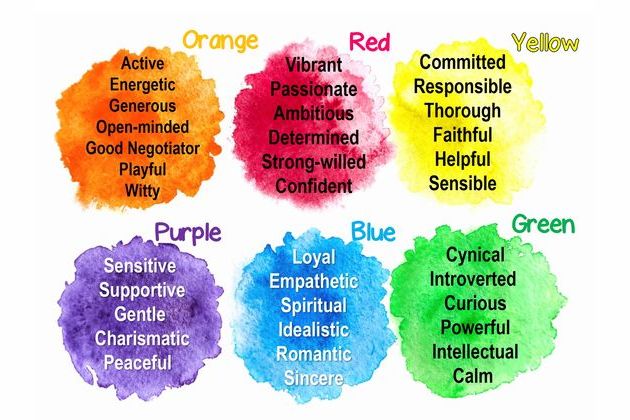
Credit: templescounsel.com
Neutral Colors And Balance
Neutral colors like beige, gray, and soft pastels help create a peaceful environment. These calming shades can support mental well-being by reducing stress and promoting relaxation. Balance in color choices is key to maintaining a serene atmosphere.
Neutral colors are often overlooked in the conversation about mental health, yet they hold a powerful place in creating balance. These colors—like whites, grays, beiges, and soft browns—offer a soothing backdrop that can help stabilize your mood and mind. Neutral colors can guide you towards a more centered and focused state, especially when life feels chaotic.Creating Harmony
Neutral tones have an uncanny ability to bring harmony to any environment. Imagine walking into a room painted in soft beige with white accents. Your mind instantly feels at ease, doesn’t it? This is because neutral colors do not compete for your attention. They work in the background, allowing other elements—like your thoughts and emotions—to come to the forefront. You can create this sense of harmony at home or work. Consider adding neutral elements like a gray throw blanket or a simple white vase. These small touches can make a big difference. They subtly remind you to breathe, relax, and let go of stress.Fostering Focus
Neutral colors can also sharpen your focus. They reduce visual noise, helping you concentrate better. Ever notice how a cluttered desk with too many colors can be distracting? Swap out those bright accessories for neutral ones. A beige notebook or a gray pen holder can help direct your mind where it needs to go. If you’ve ever tried meditating in a room with loud colors, you know how hard it can be to concentrate. Neutral colors provide a serene setting that encourages mindfulness. Next time you set up your workspace or meditation corner, think about how the colors can either help or hinder your focus. Have you considered how colors impact your mental clarity? Next time you need to concentrate, look around your space. Are the colors helping you find balance and focus? Making these small changes can lead to big improvements in your mental health journey.Color Choices In Interior Design
Choosing calming colors in interior design can significantly enhance mental health. Soft blues and gentle greens create serene spaces, promoting relaxation and reducing stress. Neutral tones like beige and soft gray offer a soothing environment, fostering a peaceful and balanced mindset.
Color choices can dramatically impact your mood and mental well-being. In interior design, selecting the right hues can create a serene environment, perfect for relaxation. This is especially important in spaces where you spend a lot of time, like your home or office.Designing Calming Spaces
Think about your favorite room. What colors make you feel at ease when you walk in? Soft blues, greens, and gentle earth tones are known to have a calming effect. These colors mimic nature and bring a sense of tranquility. Imagine a room painted in a gentle sky blue, with soft white curtains fluttering in the breeze. This setup can evoke feelings of calmness, similar to lying on a beach with the sound of waves in the background. It’s important to consider the purpose of each room. Bedrooms benefit from restful colors, while living rooms can tolerate slightly bolder shades. You can experiment with different tones and see how they affect your mood throughout the day.Personalizing Your Environment
Your space should reflect your personality and preferences. Start by identifying colors that make you feel happy and relaxed. Do you love the warm glow of a sunset? You might enjoy shades of peach or coral in your living space. Or perhaps the deep forest greens resonate with you, providing a sense of peace and grounding. Don’t hesitate to blend colors that speak to you. A personal touch can make your environment feel inviting and comforting. Consider this: How do you feel when you enter a room that’s been designed with colors that resonate with your soul? It’s as if the space becomes an extension of you, offering comfort and a sense of belonging. So, what colors will you choose for your calming space?Color Therapy Techniques
Color therapy techniques can improve mental health and well-being. Colors affect emotions, moods, and energy levels. Using the right colors can calm the mind and soothe the soul. This technique is often used to reduce stress and anxiety. It helps people to feel more balanced and centered.
Incorporating Color In Daily Life
Start your day with calming colors. Choose clothes in soft blues or greens. Paint your walls in soothing shades. These colors create a peaceful atmosphere. Use colored lights to set the mood. Yellow lights can uplift your spirit. Blue lights can help you relax.
Eat colorful foods. Red fruits boost energy. Green vegetables offer tranquility. Surround yourself with nature. Visit parks or gardens. Nature’s colors are naturally calming. They provide a sense of harmony.
Practical Tips For Well-being
Use color to express yourself. Paint or draw using colors that resonate with you. Create artwork that reflects your feelings. Use color in meditation. Visualize calming colors during meditation. Imagine yourself surrounded by serene blues or gentle greens.
Change your environment. Add colored cushions or curtains. Bright colors can invigorate a dull room. Soft colors can create a restful space. Experiment with different color combinations. Find what brings you peace and comfort.
Keep a color journal. Note how colors affect your mood. Track which colors make you feel calm. Use this information to guide your choices. Personalize your color therapy journey.
Cultural Perspectives On Color
Colors influence mood and mental health in many ways. Different cultures see colors differently. These interpretations affect emotions and behavior. Understanding cultural views helps in creating calming spaces.
Global Interpretations
In Japan, white symbolizes purity and cleanliness. It is often used in ceremonies. In Western cultures, white often represents weddings and new beginnings. Red in China signifies luck and prosperity. It is a popular color for celebrations. Conversely, red can signal danger in Western societies. Blue is calming and peaceful in many cultures. It often represents trust and stability. Green symbolizes nature and growth around the world. Yet, in some places, it can mean jealousy.
Influence On Mood
Cultural views on colors shape emotional responses. Bright colors like yellow can uplift mood. They often bring happiness and energy. Dark colors might feel heavy or sad. Yet, they can also mean elegance or sophistication. Soft pastel shades create a soothing environment. They are often used in relaxing spaces. Cool colors like blue and green calm the mind. They are ideal for stress relief. Warm colors like red and orange may energize. They can increase alertness and excitement.

Credit: www.alustforlife.com
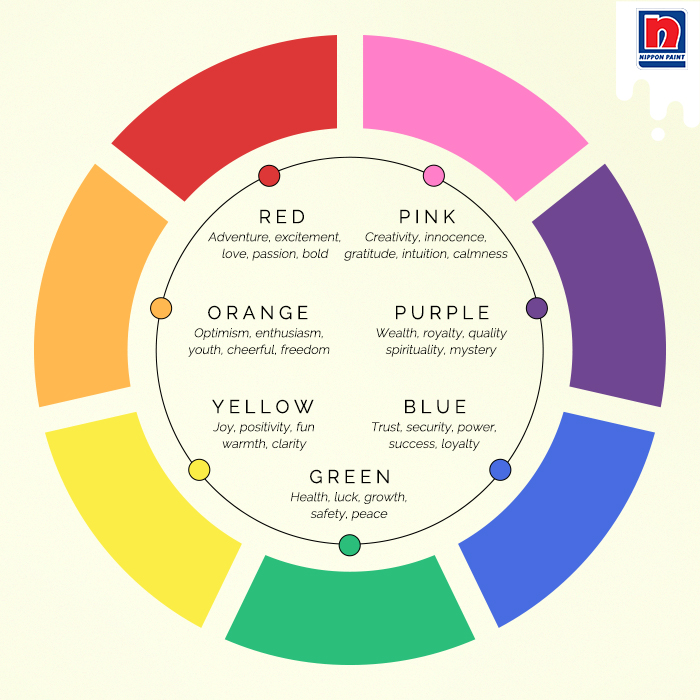
Credit: nipponpaint.com.sg
Frequently Asked Questions
What Is A Calming Color For Mental Health?
Blue is a calming color for mental health. It promotes relaxation and reduces stress. Green also provides a soothing effect, reminiscent of nature’s tranquility. Both colors create a peaceful environment, enhancing emotional well-being. Incorporating these hues can lead to a more serene and balanced mental state.
Which Color Is Best For Mental Health?
Blue is often considered the best color for mental health. It promotes calmness and reduces stress. Green also supports relaxation and harmony. Incorporating these colors in your environment may enhance mood and mental well-being.
What Is The Most Calming Color?
Blue is considered the most calming color. It is often associated with tranquility and relaxation. Many people find it soothing and peaceful. Green and soft shades of purple also have calming effects, promoting balance and harmony. These colors can help reduce stress and anxiety.
What Led Color Calms Anxiety?
Blue LED light calms anxiety. It promotes relaxation by reducing stress and creating a peaceful environment. Blue light helps lower blood pressure and heart rate, enhancing tranquility. Consider using blue LED light for a soothing atmosphere at home or work.
Conclusion
Calming colors can greatly impact mental health. Soft blues and greens soothe the mind. Warm tones like peach or soft pink create comfort. These colors help reduce stress and anxiety. They promote relaxation and peace. Creating a calming environment is easy with the right colors.
Choose hues that make you feel at ease. Experiment with different shades in your space. Notice the positive effects on your mood. Colors can be a simple, yet powerful tool. Enhance your mental well-being with thoughtful color choices. Feel calmer and more balanced in your daily life.








