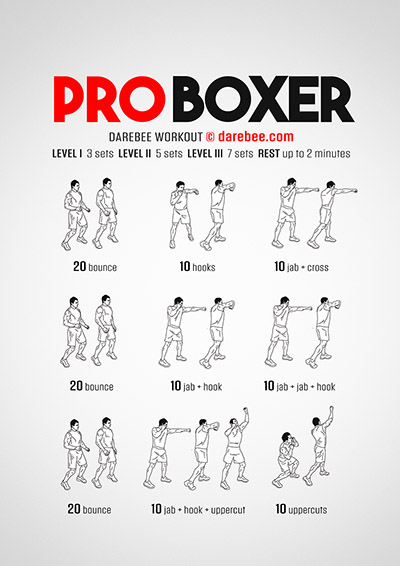
Imagine transforming your living room into a personal boxing gym, where you can unleash your inner fighter and build a body you’re proud of—all without stepping outside your front door. The idea of a boxer’s home workout may sound intense, but it’s surprisingly accessible and incredibly effective.
This workout isn’t just about throwing punches; it’s a full-body experience that combines strength, agility, and endurance. You’ll feel the adrenaline rush and the thrill of the fight, all while burning calories and building muscle. Have you ever wondered what it feels like to train like a professional boxer?
With a few simple adjustments and the right guidance, you can bring that experience into your home. This workout doesn’t require expensive equipment or a spacious gym. All you need is determination, a few basic tools, and the willingness to push your limits. Ready to discover the secrets of a boxer’s home workout? Let’s dive in and unlock the potential for a fitter, stronger you.
Benefits Of Boxing Workouts
Boxers home workouts offer a full-body exercise that boosts strength, endurance, and coordination. Punch routines enhance cardiovascular health and agility, while footwork drills improve balance and speed. These workouts provide an efficient way to build muscle and burn calories in the comfort of your home.
Boxing workouts are not just about throwing punches. They offer a unique blend of physical and mental benefits that can transform your fitness journey. Whether you’re aiming to improve your health or boost your mood, boxing can be the perfect workout. These workouts are dynamic and challenging, pushing you to your limits and offering a refreshing change from the usual gym routine.Physical Health Advantages
Boxing workouts are a powerhouse for your physical health. They enhance your cardiovascular fitness by raising your heart rate, improving endurance and stamina. As you punch and move, you engage multiple muscle groups, leading to increased strength and muscle tone. Boxing also improves your coordination and balance. You’ll notice a difference in your agility as you practice footwork and combinations.Mental Health Boosts
Beyond the physical benefits, boxing is a great way to boost your mental health. It serves as an excellent stress reliever. After a challenging day, a few rounds can clear your mind and release pent-up tension. The focus required in boxing helps improve concentration and mental clarity. You must be present in each moment, honing your attention and sharpening your reactions. Boxing builds confidence. There’s something empowering about mastering new skills and seeing your progress. Are you ready to throw a punch at stress and self-doubt?Essential Equipment
Boxing is a fantastic workout. It builds strength, speed, and agility. To get the best results, having the right equipment is crucial. Essential equipment aids in improving your boxing skills at home. Whether you are a beginner or seasoned, gear can make all the difference.
Must-have Gear
Invest in quality boxing gloves. They protect your hands during punches. Hand wraps are equally important. They stabilize your wrists and knuckles. A heavy bag is excellent for practice. It helps with power and endurance. A jump rope is perfect for cardio. It boosts footwork and coordination. A speed bag improves timing and rhythm. It enhances your hand-eye coordination. These are fundamental tools for any boxer.
Budget-friendly Alternatives
For those on a budget, there are options. Use old towels as hand wraps. They can offer basic protection. Use a sturdy backpack as a makeshift heavy bag. Fill it with clothes or sand. Skipping rope can replace a jump rope. It’s affordable and effective. Use a small basketball as a speed bag. It mimics the speed and bounce. These alternatives save money while keeping you fit.
Warm-up Routine
A good workout starts with a solid warm-up routine. It prepares your muscles and mind for the exercise ahead. In boxing, a proper warm-up is crucial to prevent injuries and enhance performance.
Think of the warm-up as setting the stage for your home boxing workout. It’s the part where you wake up your muscles and get your blood pumping. Here’s how you can start your session effectively:
Dynamic Stretching
Dynamic stretching gets your body ready to move. It involves active movements that stretch muscles without holding the position. This type of stretching is perfect for boxers because it mimics the motions you’ll use during your workout.
Start with arm circles to loosen your shoulders. Move into leg swings to prep your hips and legs. These stretches not only improve flexibility but also increase your range of motion. Feel the difference in your punches and footwork.
Cardio Exercises
Cardio exercises are a vital part of the warm-up. They increase your heart rate and circulation, making your muscles more efficient. Jumping jacks and high knees are great choices for getting your heart racing.
Try incorporating short bursts of shadow boxing. It engages your arms and core while boosting your cardio. You’ll notice your energy levels rise, setting a strong foundation for the rest of your workout.
What’s your favorite way to warm up before a workout? Share it in the comments and let’s learn from each other’s routines.
Remember, a well-planned warm-up can make all the difference in your boxing home workout. It’s not just a routine; it’s the key to a successful session. Do you feel ready to step into your workout with confidence?

Credit: www.pinterest.com
Core Boxing Exercises
Core boxing exercises form the foundation of a boxer’s fitness routine. These exercises improve strength, speed, and agility. They also enhance coordination and mental focus. Practicing consistently boosts cardiovascular health. Boxers build endurance with these routines. Each exercise targets specific muscle groups. The objective is to mimic fight conditions. This ensures readiness for real matches. It also helps in maintaining a sharp reflex. Let’s explore two essential core boxing exercises. Both are integral to a boxer’s workout.
Shadow Boxing Techniques
Shadow boxing is crucial in developing technique. It involves moving without a partner. This exercise sharpens your punches and footwork. Visualize your opponent while practicing. This enhances your tactical thinking. Focus on balance and fluid movement. Keep your guard up at all times. Practice different angles and distances. This improves your adaptability in the ring. Shadow boxing aids in perfecting form. It also boosts your confidence.
Punch Combinations
Punch combinations enhance power and speed. They consist of varied sequences. Practice jabs, hooks, and uppercuts in succession. This increases your striking effectiveness. Mix fast punches with strong blows. This confuses your opponent. Use your hips and shoulders for power. Keep your feet grounded for stability. Experiment with different combinations. This helps you discover what works best. Consistent practice refines your technique. It also enhances your muscle memory.
Strength And Conditioning
Strength and conditioning are crucial for any boxer looking to up their game. These workouts improve power, endurance, and overall physical performance. Imagine punching harder and lasting longer in the ring. That’s the promise of a well-rounded strength and conditioning routine. Let’s explore how bodyweight exercises and resistance training can transform your home workout.
Bodyweight Exercises
Bodyweight exercises are a fantastic way to build strength without needing fancy equipment. You can start with push-ups. They target your chest, shoulders, and triceps—key muscles for powerful punches. Consider adding squats to your routine. Squats strengthen your legs, giving you a solid base for movement in the ring.
Don’t forget about planks. A strong core is essential for balance and agility. You can try variations like side planks to engage different muscle groups. These exercises are efficient and can be done anywhere. Do you have a few minutes to spare between tasks? Get down and crank out a few sets.
Resistance Training
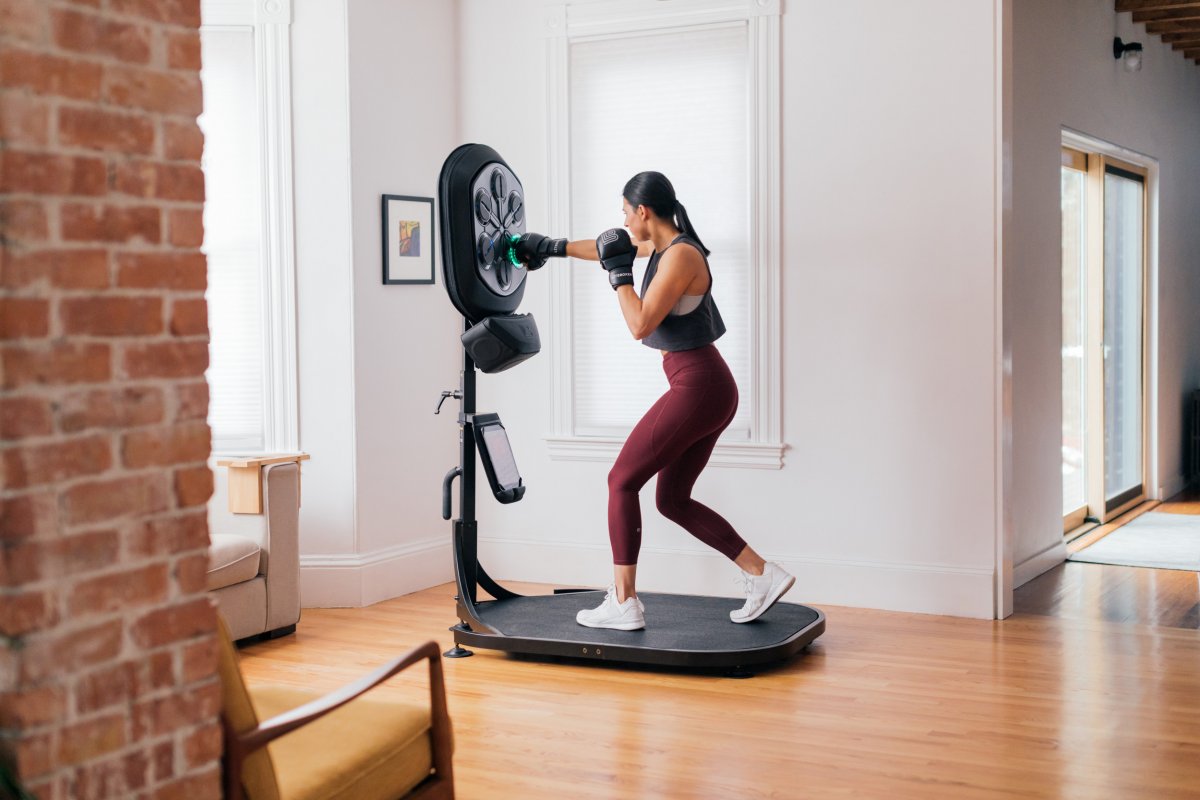
Resistance training takes your workout up a notch. Using resistance bands is an excellent option for home workouts. They are affordable and versatile. You can work on your bicep curls or shoulder presses to build upper body strength. It’s an effective way to mimic the resistance you’d face with heavier weights at the gym.
Consider using light dumbbells if you have access to them. They are perfect for exercises like lunges or deadlifts. These moves help develop explosive power, crucial for throwing knockout punches. Have you ever felt like your punches lacked impact? Resistance training might be your answer.
Think about how these exercises fit into your routine. Are you pushing yourself to the limit, or could you add a few more reps? Experiment with different combinations and see what works best for your fitness level. Your body is unique, so tailor your workout to suit your goals.
Credit: www.newsweek.com
Improving Technique
Improving technique is key for any boxer training at home. It’s not just about strength and speed. Precision and form matter a lot. Training the right way can make you a better fighter. Focus on the details. Enhance your skills step by step. This section will guide you through essential drills. Let’s dive into the core elements.
Footwork Drills
Footwork is the foundation of boxing. Good footwork keeps you agile. It helps you maintain balance. Try the ladder drill. Use a ladder or tape on the floor. Move quickly from one square to the next. Stay light on your feet. Keep your knees slightly bent. Practice moving forward, backward, and sideways. Remember, quick feet are your best defense.
Punch Accuracy
Accuracy improves your punching technique. It helps you land more hits. Use a target to practice. A small target on a wall is effective. Focus on hitting the center. Slow down if needed. Quality over speed is important. Each punch should be precise. Visualize your opponent. This makes your training more realistic. Aim to hit the same spot consistently.
Endurance Training
Boxers can boost endurance at home with simple workouts. Jump rope, shadow boxing, and circuit training improve stamina and strength. These exercises are effective and require minimal equipment, making them ideal for home training.
Endurance training is a cornerstone of a boxer’s fitness regimen. It doesn’t just build physical stamina; it also enhances mental toughness. By focusing on endurance, boxers can maintain their peak performance from the first to the last round.Hiit For Boxers
High-Intensity Interval Training (HIIT) is a game-changer for enhancing endurance. Short bursts of intense activity followed by brief rest periods can mimic the demands of a boxing match. Imagine doing quick sprints followed by a short walk—this mimics your heart rate’s ups and downs during a fight. HIIT workouts are perfect for those with tight schedules. You can complete a session in 20 minutes and still reap significant benefits. Adjust the intensity according to your fitness level to avoid burnout.Stamina Building
Building stamina is crucial for lasting longer in the ring. Long-distance runs can improve your aerobic capacity and help you pace yourself. Consider adding a weekly 5k run to your routine to boost cardiovascular health. Mix in exercises like jump rope and shadow boxing. These keep you agile and ready to move. Plus, they directly translate to the footwork and rhythm needed in boxing. Think about your favorite boxer. What sets them apart? Often, it’s their ability to keep going when others tire. By focusing on endurance training, you too can gain that edge. How will you push your limits today?Cool Down Practices
Cool down practices are essential for boxers after intense workouts. They help prevent injuries and improve recovery. These practices allow muscles to relax and return to their resting state. A proper cool down can enhance flexibility and reduce soreness. Here are some effective cool down techniques for boxers.
Stretching Exercises
Stretching is vital for flexibility and muscle relaxation. Begin with static stretches. Hold each stretch for about 20 to 30 seconds. Focus on major muscle groups like legs, arms, and back. Try hamstring and calf stretches for the lower body. Do arm and shoulder stretches for the upper body. Gentle neck stretches can relieve tension.
Breathing Techniques
Breathing techniques calm the mind and body. Start with deep breathing exercises. Inhale slowly through the nose, filling the lungs. Hold the breath for a few seconds. Exhale slowly through the mouth. This helps regulate heart rate and reduce stress. Mindful breathing enhances focus and concentration.
Incorporating Nutrition
Boost your boxing home workout by incorporating nutrition. Eating balanced meals fuels your body and enhances performance. Proper nutrition helps with energy, recovery, and muscle growth, making workouts more effective.
When you’re doing a home workout for boxing, what you eat and drink can be just as important as the exercises themselves. Nutrition plays a crucial role in your energy levels, recovery, and overall performance. It’s not just about what you do in the gym—or in this case, your living room—but also about what you put on your plate and in your glass.Diet Tips For Boxers
Eating right can give you the edge in your boxing workout. Focus on lean proteins like chicken, fish, and tofu to help build and repair muscle. Carbohydrates from whole grains, fruits, and vegetables will fuel your sessions and enhance stamina. Have you ever noticed how sluggish you feel after a heavy, greasy meal? Keep your meals balanced and light, especially before a workout. A simple grilled chicken salad or a quinoa bowl can keep you energized without weighing you down. Consider timing your meals. Eating a small snack, like a banana or a handful of almonds, 30 minutes before working out can provide a quick energy boost. After your workout, a protein shake or a turkey sandwich can help kickstart recovery.Hydration Importance
Hydration is a game-changer. Drinking water is not just about quenching thirst; it’s about keeping your muscles and mind sharp. Dehydration can lead to fatigue and reduce performance, and nobody wants that during a tough boxing session. A personal tip: keep a water bottle nearby during your workouts. Even if you don’t feel thirsty, take a sip every 10-15 minutes. This habit can help maintain your energy levels and improve focus. Think about adding electrolytes if you’re sweating a lot. Drinks with electrolytes can help replenish what you lose in sweat. However, be wary of drinks with too much sugar, as they can do more harm than good. Incorporating these nutrition tips can make your home boxing workouts more effective. Are you ready to fuel your body for success?:format(jpeg)/f/115220/700x1100/75eb3f2fde/15-minute-at-home-boxing-workout-for-beginners-infographic.jpeg)
Credit: thecfhk.org
Tracking Progress
Boxers can track their home workout progress by setting specific goals. Documenting routine changes helps identify improvements and areas needing focus. Regularly assessing stamina and strength ensures effective workouts and keeps motivation high.
Tracking progress in a boxer’s home workout routine is essential. It keeps motivation high and helps identify areas for improvement. By monitoring progress, boxers can adjust their training to meet goals. This practice ensures workouts remain effective and engaging. Understanding how to track improvements can lead to better performance. It also prevents stagnation in training routines.Monitoring Improvements
Keeping track of your workout progress is vital. Use a journal or app to record daily sessions. Note exercises, duration, and intensity. This helps identify patterns and improvements. Regular tracking can highlight strengths and weaknesses. Recognize small victories to boost motivation. Seeing progress fuels determination.Setting Achievable Goals
Define clear, attainable goals for your workouts. Start with small, realistic targets. Gradually increase difficulty as you improve. Focus on specific areas like speed or strength. Ensure goals are measurable and time-bound. This keeps your training focused and effective. Achieving these goals builds confidence. Challenge yourself while maintaining balance.Frequently Asked Questions
How Do Boxers Train At Home?
Boxers train at home by shadowboxing, skipping rope, and performing bodyweight exercises like push-ups and sit-ups. They also use punching bags, practice footwork, and focus on strength and conditioning. Staying disciplined and maintaining a routine is crucial for effective home training.
Is 30 Minutes Of Boxing A Good Workout?
Yes, 30 minutes of boxing is a great workout. It boosts cardiovascular health, burns calories, and builds strength. Boxing also improves coordination and relieves stress. This workout is efficient and suitable for all fitness levels, offering both physical and mental benefits.
What Is The Best Workout Routine For A Boxer?
A boxer’s workout routine includes strength training, cardio, sparring, and agility drills. Focus on core exercises, jump rope, and shadow boxing. Incorporate high-intensity interval training (HIIT) and plyometrics. Consistent practice improves speed, power, and endurance. Tailor routines to skill level and goals for optimal results.
Is Boxing A Good Workout At Home?
Boxing is an excellent workout at home. It boosts cardiovascular health, builds strength, and enhances coordination. You can burn calories, reduce stress, and improve agility with minimal equipment. It’s an engaging way to maintain fitness and stay active without needing a gym.
Conclusion
Boxers can work out effectively at home. No gym needed. Just dedication. Use simple exercises like push-ups and sit-ups. Consistency is key for progress. Mix routines for variety. This keeps workouts exciting. Focus on strength and agility. Both are crucial in boxing.
Also, maintain a balanced diet. It fuels your workouts. Stay hydrated. Rest is important too. It helps muscles recover. With these tips, anyone can train like a boxer. Right from home. Start today and see the benefits. Health, strength, and confidence.
All within reach. Enjoy your workouts!








