
Imagine navigating life’s challenges while carrying the weight of societal expectations and cultural stereotypes. As a Black woman, your mental health journey is uniquely complex, often overlooked or misunderstood.
You may find yourself in a constant battle between external pressures and inner resilience. But what if there was a way to break free from these constraints and empower your mental well-being? This article is your guide to understanding the unique factors influencing Black women’s mental health and offers practical solutions to enhance your emotional strength.
Dive in to discover how you can reclaim your mental space, foster your resilience, and thrive despite the odds. Your mental health matters more than ever, and this is your moment to prioritize it.
Historical Context
The mental health challenges faced by Black women have deep roots. Understanding these issues requires a look into the past. Historical context shapes the experiences of Black women today.
Early Oppression And Trauma
Black women have faced oppression since the days of slavery. They endured harsh conditions and immense trauma. These experiences left scars on their mental well-being. Generations were affected by this trauma.
The Struggle For Rights
Black women fought for civil rights and equality. Their battles were not just political. They also struggled for mental peace. This fight for rights added stress and pressure. Yet, it was necessary for progress.
Community And Support Networks
Despite challenges, Black women built strong communities. These networks provided emotional support and solidarity. They offered a sense of belonging and understanding. Community bonds helped in times of mental distress.
Legacy Of Resilience
The history of Black women shows resilience. Despite hardships, they pushed forward with courage. This legacy of strength is a source of inspiration. It continues to influence their mental health journey today.

Credit: counseling.online.wfu.edu
Cultural Stigma
Black women often face unique challenges in mental health. One major barrier is cultural stigma. This stigma creates a heavy burden, affecting how they view mental health care. It also impacts their willingness to seek help.
Cultural stigma involves deep-rooted beliefs. These beliefs are passed through generations. They shape attitudes towards mental health. Many fear being labeled as weak. Others worry about not being understood.
How Historical Factors Affect Stigma
History plays a key role in stigma. Past experiences of racism and discrimination leave a lasting impact. Many black women feel misunderstood by mental health professionals. This stems from a lack of cultural awareness.
Trust issues grow from historical injustices. These issues lead to reluctance in seeking therapy. Many believe mental health struggles should stay private. This belief stems from cultural teachings.
Community Perceptions And Mental Health
The community often holds strong views on mental health. Seeking help is sometimes seen as betrayal. Many fear judgment from family and friends. This fear stops individuals from opening up.
Community norms influence beliefs. These norms teach strength and resilience. Seeking help is sometimes seen as weakness. This perception creates a barrier to accessing care.
The Impact Of Stereotypes
Stereotypes add to the stigma. Black women are often seen as strong. This stereotype overlooks their emotional needs. It pressures them to hide struggles.
Media representations reinforce stereotypes. These portrayals affect self-esteem and mental health. Women feel they must live up to unrealistic expectations.
Breaking The Stigma: Steps Forward
Education is key to breaking stigma. It involves understanding cultural differences. It requires mental health professionals to learn about diverse experiences.
Support groups offer a safe space. They allow black women to share experiences. Listening and understanding are crucial steps forward.
Barriers To Access
Black women often face unique challenges in accessing mental health care. These barriers can impact their overall well-being and ability to seek help. Understanding these challenges is crucial for creating effective support systems. Let’s explore some of the main barriers to access.
Economic Challenges
Many Black women experience financial difficulties that limit their healthcare options. Low income can make mental health services unaffordable. This creates a significant barrier to receiving care. Without financial stability, prioritizing mental health becomes difficult.
Healthcare Disparities
Healthcare disparities affect the quality and availability of mental health care. Black women often face bias in medical settings. This leads to mistrust and reluctance to seek help. Inequality in treatment and diagnosis is a major concern.
Lack Of Representation
Representation matters in mental health care. Many Black women struggle to find providers who understand their experiences. This lack of cultural understanding can hinder effective treatment. Feeling unseen and unheard can deter individuals from accessing care.
Credit: www.cabwhp.org
Impact Of Racism
Racism deeply affects the mental health of Black women. It can lead to anxiety and depression. Constant discrimination and prejudice create emotional stress and isolation. This ongoing struggle impacts their self-esteem and overall well-being. Addressing these issues is crucial for their mental health support.
Understanding the impact of racism on mental health is crucial, especially for Black women who face unique challenges. Racism can affect mental health in profound ways, often causing stress and anxiety. It’s not just about overt discrimination but subtle, insidious forms as well. How does racism impact the mental health of Black women, and what can you do to support yourself or others?Microaggressions
Microaggressions are small, often unintentional, acts of racism. These can be comments or behaviors that demean Black women. Imagine being told, “You’re so articulate” with surprise, as if it’s unexpected. Such remarks chip away at self-esteem and confidence over time. They can make you question your worth or place in society. Recognizing microaggressions is the first step to dealing with them effectively.Systemic Racism
Systemic racism is embedded in our institutions and policies. It creates barriers in healthcare, employment, and education for Black women. This isn’t just about unfair treatment—it’s about being denied opportunities. The stress of navigating a biased system can be overwhelming. Are you aware of how these systems may affect your life or those of Black women around you?Trauma And Stress
The trauma from racism is real and can lead to chronic stress. This stress manifests physically and mentally, impacting overall well-being. You might feel hyper-aware, constantly on edge, or even experience burnout. Addressing this trauma requires acknowledging its existence and seeking support. Therapy, community support, and self-care are crucial tools for managing stress. How do you cope with stress in your life, and how can you support Black women in managing theirs? The impact of racism on mental health is undeniable, but acknowledging it is the first step toward change. Engage in conversations, educate yourself, and stand in solidarity with Black women facing these challenges. Your actions can make a difference.Role Of Community
Community plays a vital role in supporting black women’s mental health. Shared experiences foster understanding and resilience. Strong connections provide comfort and encouragement, enhancing emotional well-being.
The mental health of Black women is deeply intertwined with the power of community. The strength of collective support can be a lifeline, offering understanding, empathy, and shared experiences. Communities provide spaces where Black women can voice their struggles and triumphs without judgment. This sense of belonging can be transformative, promoting healing and resilience.Support Networks
Support networks are vital for mental well-being. They offer a safe space for Black women to share their stories and seek advice. Whether it’s a close-knit group of friends or an online forum, these networks can provide emotional support and practical help. Consider the story of Maya, who found solace in a local book club. The members, also Black women, not only discussed literature but also shared personal experiences, creating a bond that strengthened their mental health. You too can find such a circle where you feel heard and understood.Grassroots Initiatives
Grassroots initiatives play a crucial role in mental health advocacy. They often emerge from within the community, addressing specific needs and offering tailored support. These initiatives can take many forms, from mental health workshops to peer counseling groups. One example is the “Sister Circle” program, which offers free mental health resources and weekly meet-ups. These initiatives are often driven by passionate individuals who understand the unique challenges faced by Black women. Have you considered getting involved in or starting a grassroots initiative in your area?Faith-based Organizations
Faith-based organizations have long been a pillar of strength in many Black communities. They offer spiritual guidance and community support, which can be integral to mental health. Churches and other religious groups often provide counseling services and support groups. For instance, a local church might host mental health seminars or prayer groups specifically for Black women. These organizations often combine faith and mental health, offering holistic support. If faith is part of your life, exploring these resources might be beneficial. Communities, in their various forms, can offer the support and understanding that Black women need for their mental health journey. Have you found your community yet? If not, it might be time to seek out these valuable resources.Promoting Awareness
Supporting Black women in mental health is crucial. Their unique experiences often lead to unseen struggles. Promoting awareness can foster understanding and empathy, empowering communities to provide better support.
Promoting awareness about Black women’s mental health is crucial in today’s world. With increasing challenges, it’s vital to shed light on the unique struggles faced by Black women. Awareness can lead to understanding, acceptance, and ultimately, better mental health support.Social Media Campaigns
Social media has become a powerful tool for promoting mental health awareness. You can see campaigns like BlackMentalHealthMatters, which highlight stories and experiences of Black women. These campaigns create a sense of community and provide a platform for sharing resources and support. Consider participating in or starting your own campaign. Share your story or support others by amplifying their voices. How often do you see campaigns that truly resonate with your experiences?Educational Programs
Educational programs are essential for spreading awareness. Workshops and seminars tailored to Black women’s mental health can be life-changing. They provide practical tools and strategies to manage mental health effectively. Look for local or online programs that focus on the mental well-being of Black women. Have you attended a workshop that offered valuable insights into mental health? Schools and universities can also play a role by including courses on mental health awareness. Encouraging such programs can lead to a more informed society.Influence Of Celebrities
Celebrities wield immense influence and can shine a light on important issues. When well-known figures talk about mental health struggles, it normalizes the conversation. Celebrities like Taraji P. Henson and Serena Williams have openly discussed mental health, inspiring many. Their stories can encourage you to seek help or share your experiences. Does hearing a celebrity talk about mental health make you feel more comfortable discussing your own struggles? You can support celebrities who advocate for mental health by following their work and sharing it with others. Promoting awareness through these channels can pave the way for a healthier future for Black women.Healing Strategies
Healing strategies for Black women focus on nurturing mental well-being. These strategies help in overcoming stress, anxiety, and trauma. They provide support and foster resilience. Understanding these strategies can lead to a healthier life.
Therapy And Counseling
Therapy offers a safe space to express feelings. It helps address trauma, stress, and depression. Counselors understand cultural challenges faced by Black women. They offer personalized support and guidance. Therapy builds coping skills and self-awareness. It promotes emotional healing and mental clarity.
Mindfulness And Meditation
Mindfulness brings attention to the present moment. It reduces stress and enhances peace. Meditation calms the mind and body. It fosters self-compassion and acceptance. Practicing mindfulness increases focus and emotional balance. It strengthens mental resilience and inner peace.
Creative Outlets
Creative activities provide a form of expression. Painting, writing, and music release emotions. They inspire joy and relieve stress. Creativity connects with personal identity. It encourages self-discovery and healing. Engaging in creative outlets boosts mental well-being and happiness.
Future Directions
Exploring better mental health support for Black women is crucial. Addressing unique challenges can lead to improved well-being. Community-focused initiatives and accessible resources are essential steps forward.
The future of Black women mental health is teeming with possibilities. As awareness grows, so does the potential for meaningful change. Yet, to truly transform the landscape, we need concerted efforts across various fronts. How can policy, research, and community empowerment shape a healthier future?Policy Changes
Imagine a world where mental health policies genuinely reflect the needs of Black women. Policies should address systemic barriers that contribute to mental health disparities. You can advocate for policies that ensure access to culturally competent mental health services. Engage with policymakers and demand actionable changes. When policies are inclusive and equitable, they can pave the way for lasting improvements in mental health care.Research And Studies
Research is a powerful tool for understanding and addressing mental health issues. Studies focusing on Black women can reveal unique challenges and needs. Researchers should prioritize diversity in study samples to ensure findings are representative. Encourage academic institutions to fund and support research that centers Black women’s experiences. With comprehensive data, mental health professionals can tailor interventions effectively.Community Empowerment
Empowerment starts within communities. Local initiatives can foster safe spaces for Black women to share their stories. Participate in community programs that focus on mental health education and support. Share your experiences to inspire others and build solidarity. When communities come together, they create networks of support and resilience, driving collective progress. In considering these future directions, reflect on your role in advocating for change. How will you contribute to shaping a healthier future for Black women’s mental health? Through policy changes, research, and community empowerment, you can be part of the solution.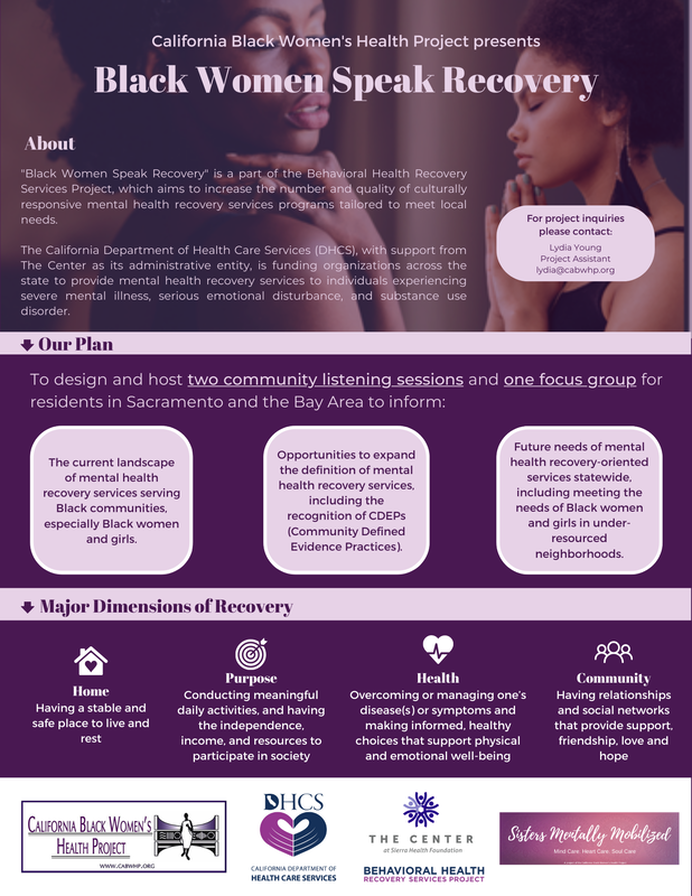
Credit: www.cabwhp.org
Frequently Asked Questions
How Does Mental Health Affect Black Women?
Mental health issues can greatly impact Black women, leading to stress, anxiety, and depression. Racial discrimination, economic challenges, and healthcare disparities worsen these effects. Supportive communities and accessible mental health resources are essential for their well-being. Addressing systemic issues and promoting awareness can improve mental health outcomes for Black women.
What Are The Struggles Of A Black Woman?
Black women face racial discrimination, gender inequality, and underrepresentation. They encounter stereotypes and limited opportunities in careers. Balancing cultural expectations and personal aspirations adds pressure. Access to healthcare and education can be challenging. They also often experience societal bias and microaggressions, impacting mental health and well-being.
What Are The Statistics On Black People’s Mental Health?
Black individuals face higher mental health challenges. About 16% reported mental illness in 2020. Barriers include stigma, lack of access, and cultural differences. Only 25% seek mental health services, compared to 40% of white individuals. Addressing these disparities is crucial for improving mental health outcomes in the Black community.
What Is Black Depression?
Black depression refers to severe, persistent feelings of sadness and hopelessness. It often affects Black individuals due to systemic racism and cultural factors. Symptoms may include fatigue, anxiety, and loss of interest in activities. Professional help and community support can aid in managing and overcoming this mental health challenge.
Conclusion
Prioritizing mental health is vital for Black women. Challenges are real, but support exists. Family, friends, and professionals can offer help. Embrace self-care practices daily. Meditation, exercise, and hobbies are beneficial. Seek therapy if needed. Talk openly about feelings. Break stigma surrounding mental health.
Create supportive communities. Awareness and understanding grow stronger each day. Every step matters in this journey. Remember, resilience is powerful. Keep moving forward. Together, change is possible. Celebrate progress and continue advocating for mental wellness. Your voice and experience matter.
Seek knowledge and share it. Empower yourself and others. Stay hopeful and courageous.








